
Vintage Library Cabinet
A vintage library cabinet organises heavy volumes and displays fine bindings, bringing classical proportion and timber warmth to a room.
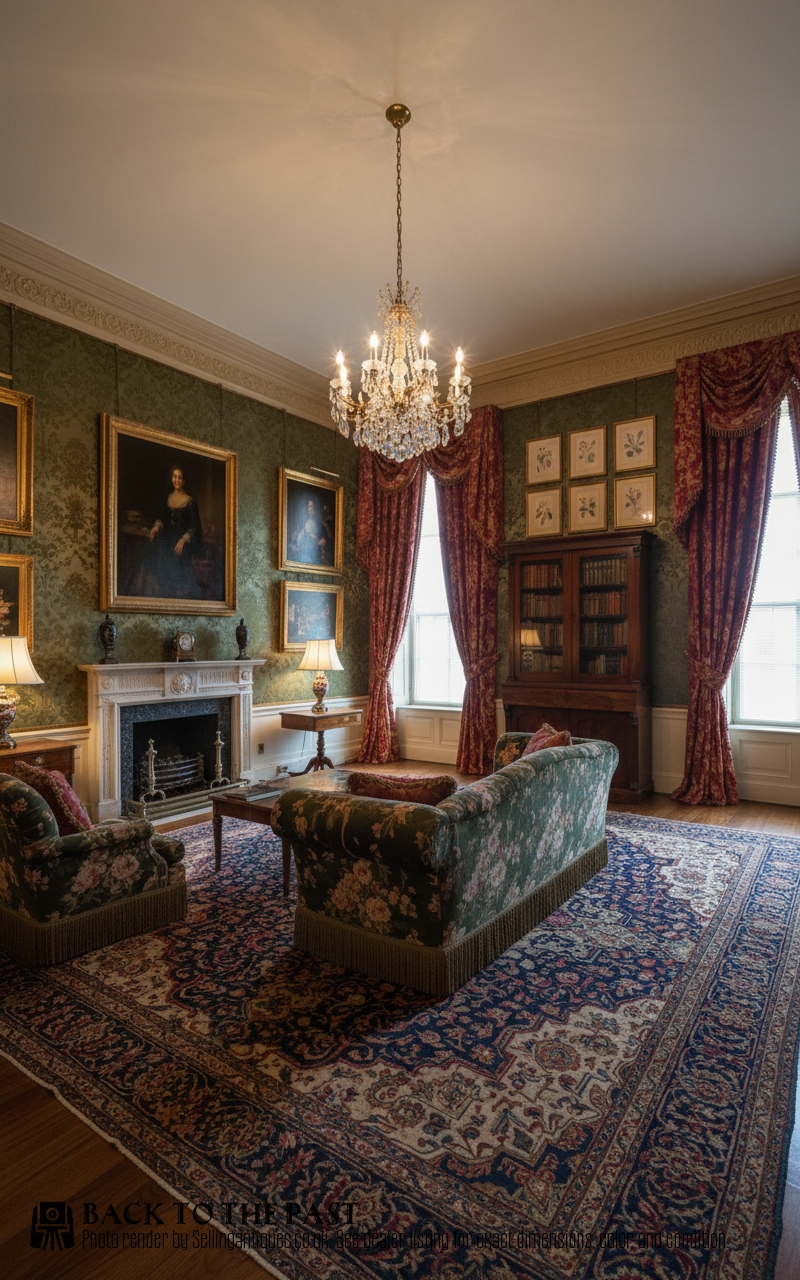
Vintage Library Cabinet
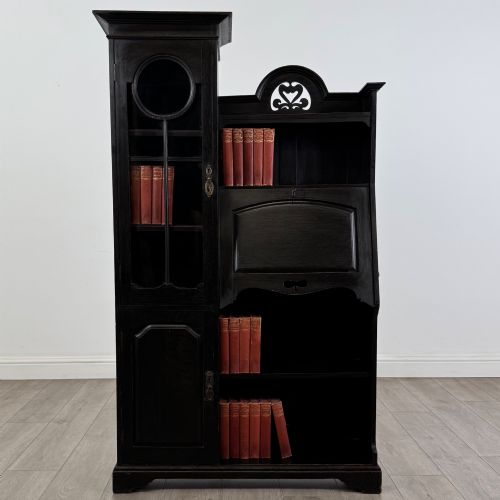
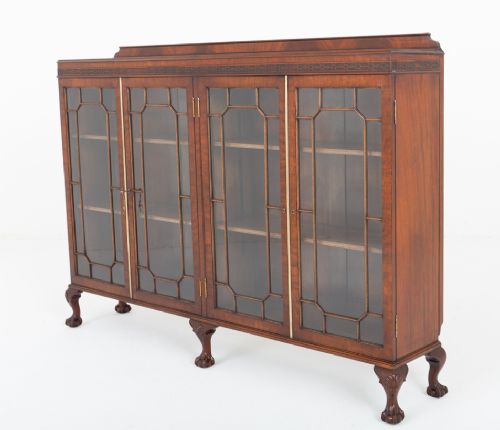
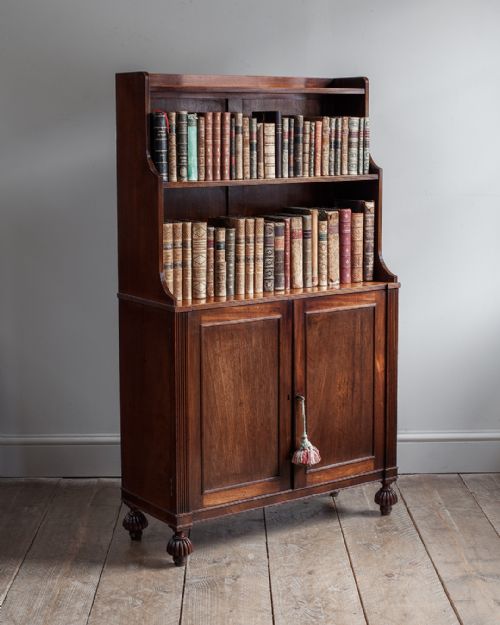
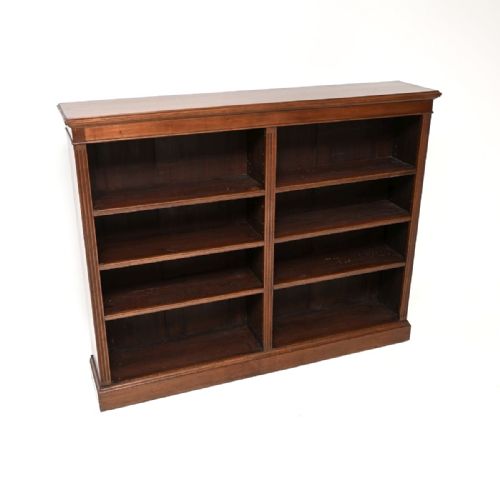
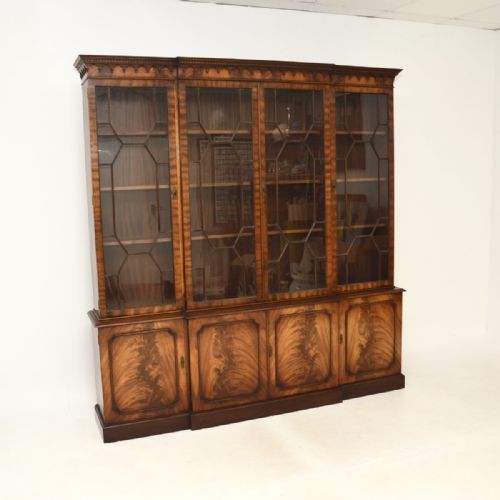
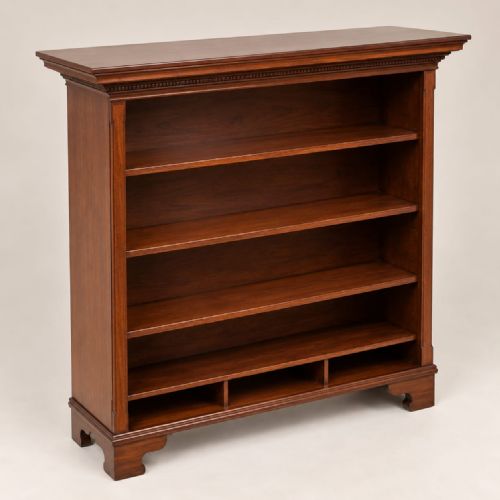
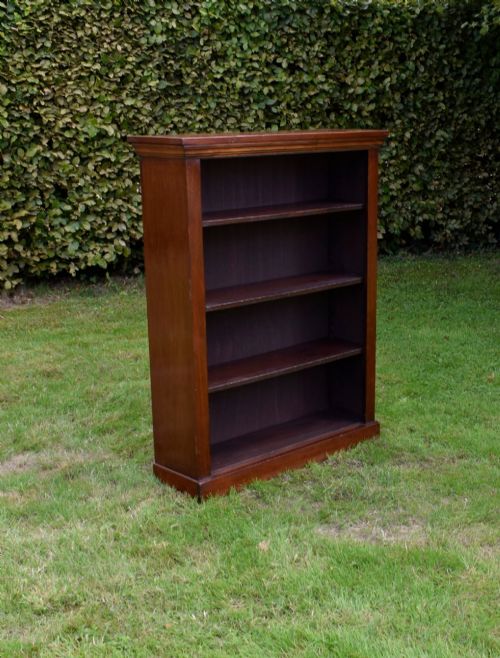
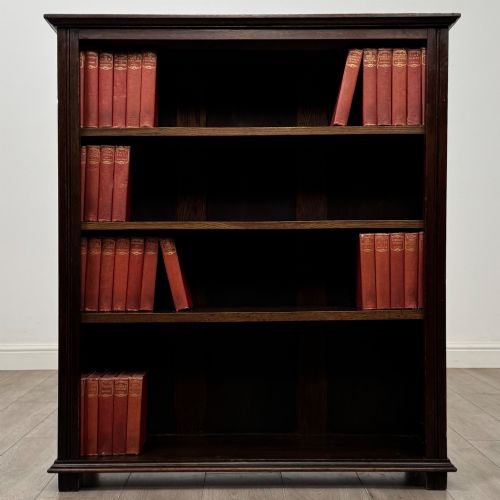
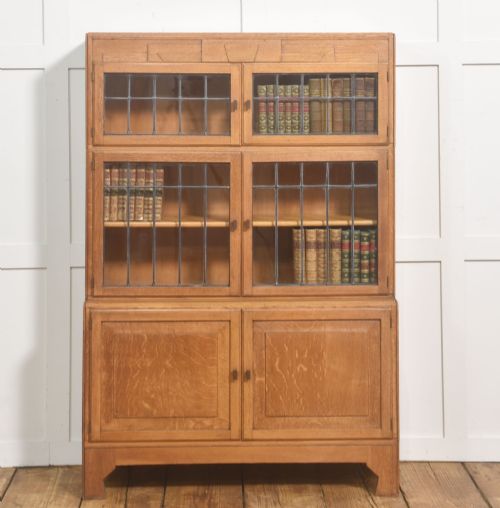
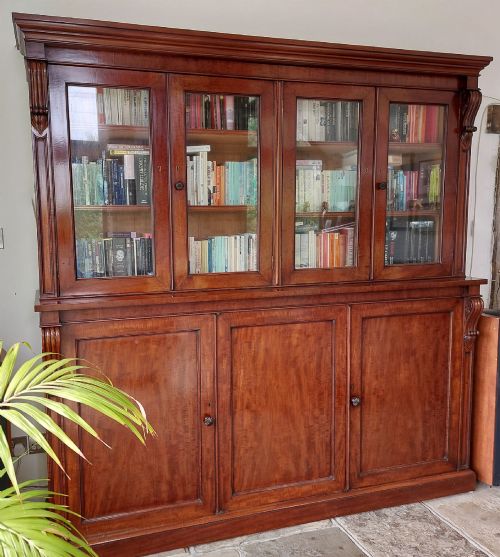
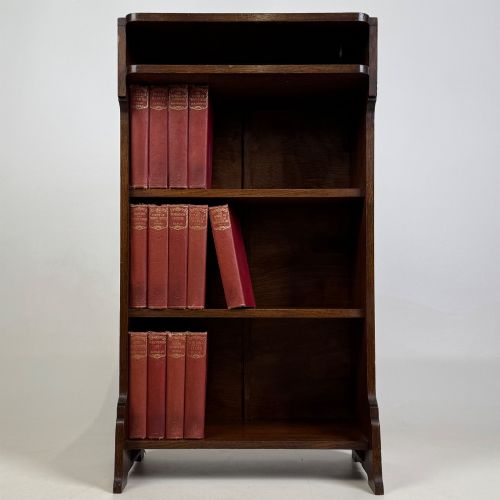
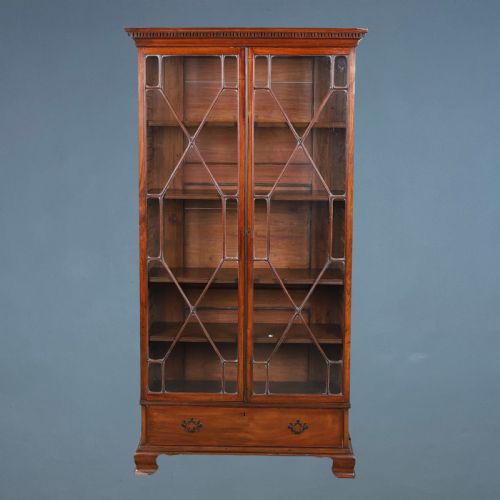
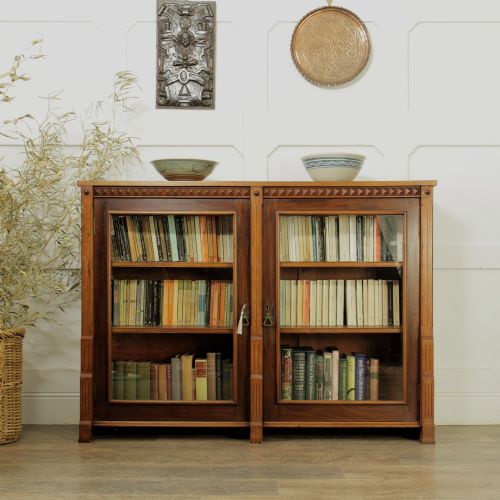
When you search for a vintage library cabinet, you look for substantial storage housing books, manuscripts and papers behind glazed or open timber frames. The examples on this page span the eighteenth, nineteenth and twentieth centuries, taking the form of open bookcases, glazed double and triple door cabinets, secretaire bookcases and stacking barrister designs.
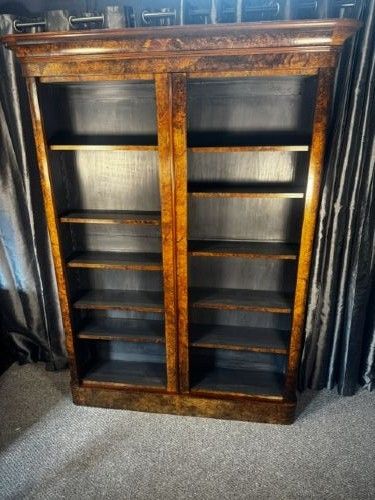
You will encounter mahogany most frequently, alongside sturdy oak, walnut and burr walnut. Styles range from restrained Georgian and Regency proportions to ornate Victorian pieces, Arts and Crafts workmanship, and the clean lines of Art Deco leaded glass.
The practical function remains simple: to protect valuable collections from dust while keeping volumes visible and accessible. Many incorporate adjustable shelving to accommodate varying octavo and folio heights.
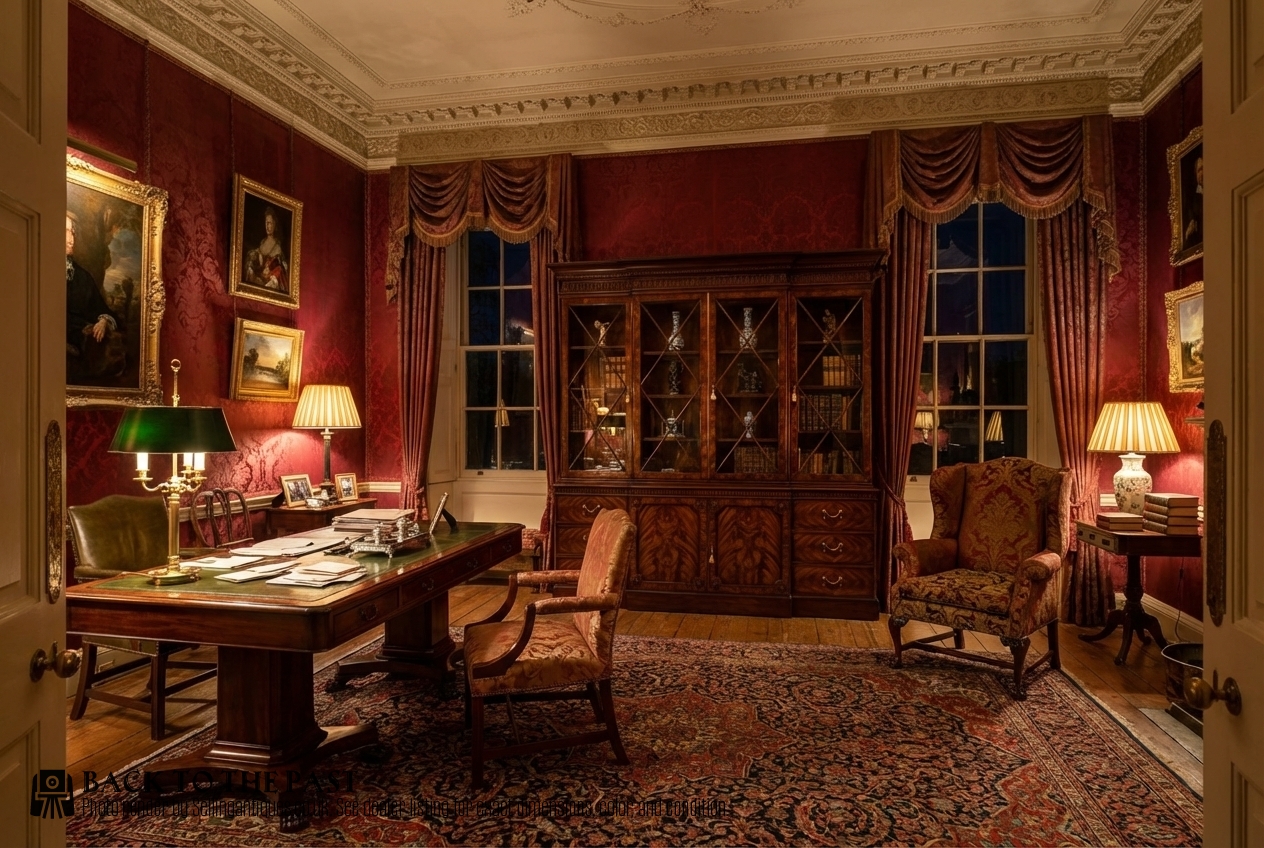
Materials and Construction Methods
Cabinetmakers relied heavily on solid mahogany, oak and walnut, frequently applying walnut veneer or intricate inlay to door panels and friezes. Timber selection prioritized straight-grained woods for structural stability, particularly in tall upright carcassing and heavy shelving.
Glazing required delicate astragal bars in wood or lead to hold individual panes of glass securely within cabinet doors. Brass fittings, including hinges, handles and shelf supports, provided durable functional hardware that complemented the darker tones of the polished timbers.
Vintage Library Cabinet Retail Price Guide 2026
Typical asking prices for vintage library cabinet among the pieces listed under this phrase on Sellingantiques today, from the lower quarter to the upper quarter. They describe what is for sale here now, not the wider market.
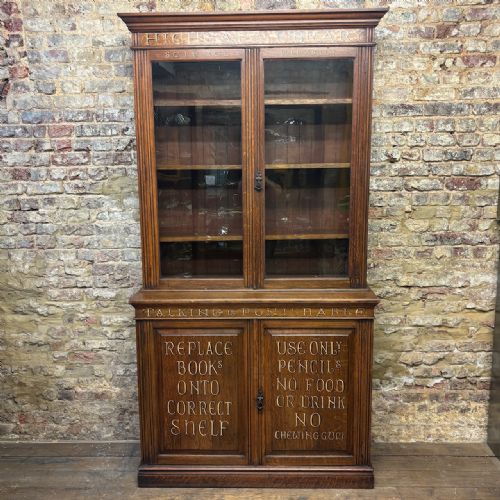
School library oak cases bear decades of quiet ink stains and earnest reading.
Distinctions in Execution and Materials
Quality rests upon the selection of timber and the precision of the joinery rather than mere scale or ornamentation. Solid mahogany framing and well-figured burr walnut veneer distinguish finer workshops from utility pieces.
The refinement of internal elements, such as smoothly operating adjustable shelf racks and tightly fitted glazed doors with hand-pulled glass, separates standard production from exceptional cabinet work.
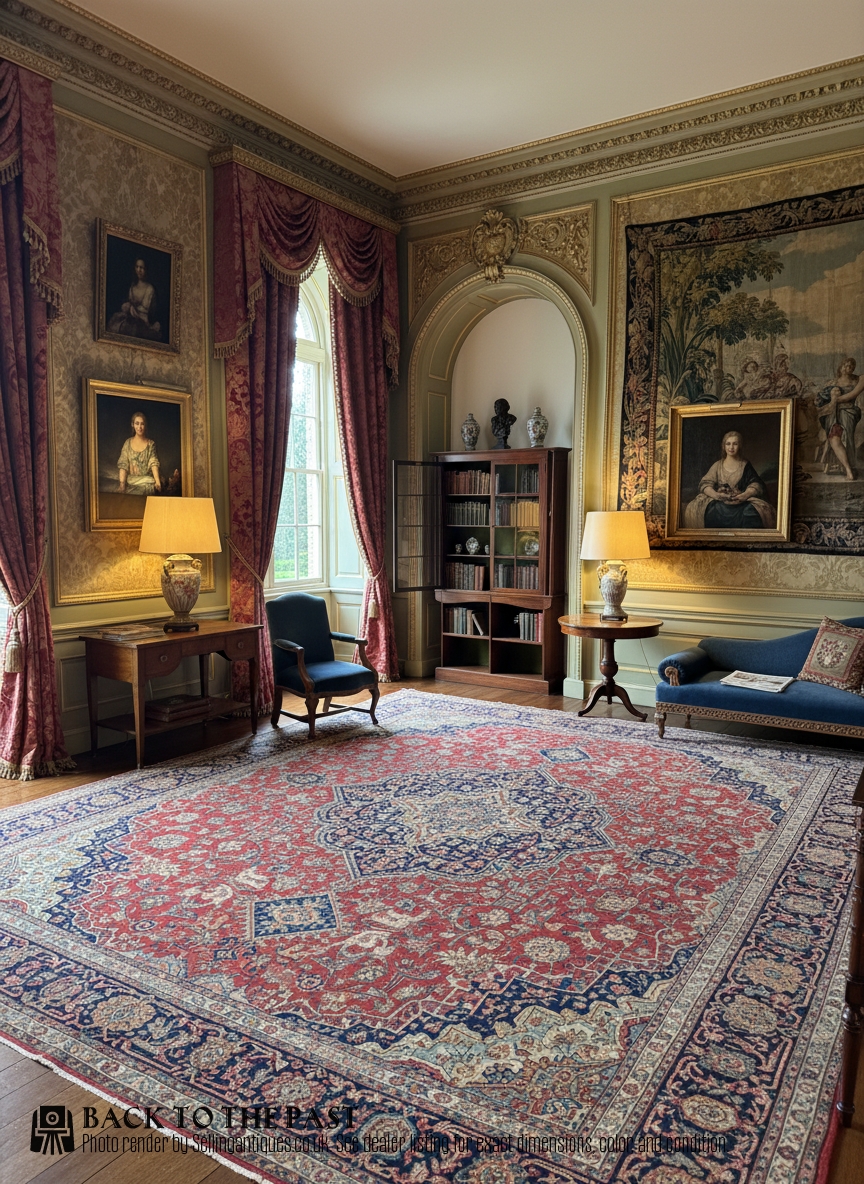
Globe Wernicke·William IV
The Vintage Library Cabinet Glossary
- Astragal
- The narrow wooden moulding that separates panes of glass in a cabinet door. These strips divide the window into smaller lights.
- Breakfront
- A cabinet design where the central section projects forward from the flanking wings. This configuration creates architectural depth.
- Glazed
- Fitted with glass panels to display the contents while protecting them from dust. These doors are common on bookcases and display cabinets.
- Secretaire
- A cabinet or bureau containing a pull-down writing drawer fitted with small pigeonholes and internal compartments. It combines desk space with bookshelf storage.
- Barrister bookcase
- A modular shelving unit featuring stacked sections with upward-lifting glass doors. This design allows individual tiers to be added or rearranged.
Vintage Library Cabinet: Frequently Asked Questions
What fits inside a library cabinet?
These cabinets house upright books, ledgers, and display items behind protective glass or open shelving.
Adjustable shelves accommodate tall folios and standard octavo volumes alike.
How do I identify a Victorian bookcase?
Victorian pieces typically display heavier proportions, rich mahogany timber, and darker factory finishes.
Look for architectural cornices and robust plinth bases characteristic of the nineteenth century.
Are the shelves adjustable?
Many examples feature movable shelving supported by wooden ratchets or metal pins.
This adaptability allows the internal layout to change according to book heights.
What is a barrister bookcase?
A barrister bookcase consists of modular stacking sections with glazed front doors that lift upwards.
This patent design protected legal texts in offices and allowed units to stack vertically.