

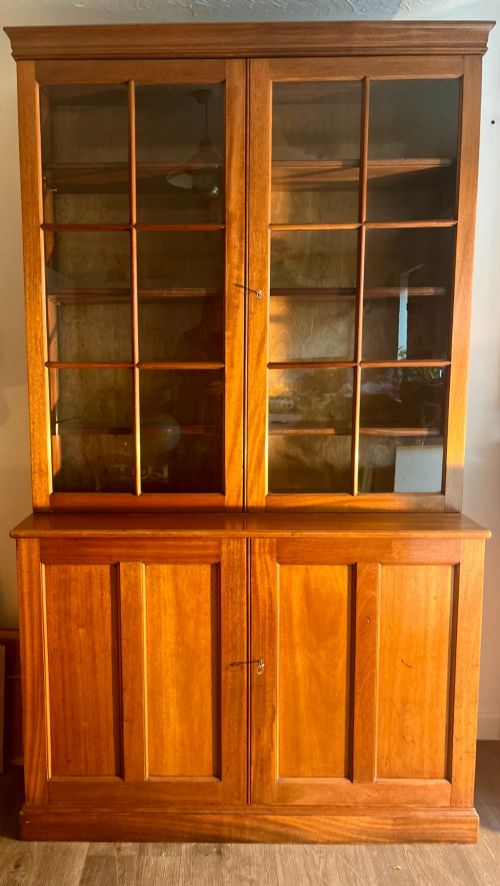
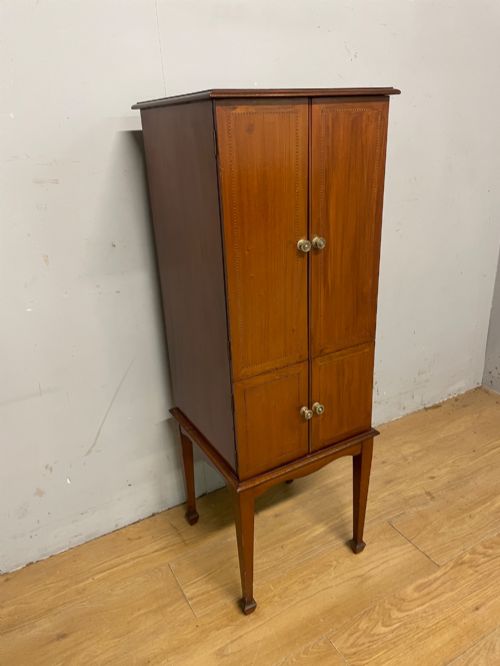
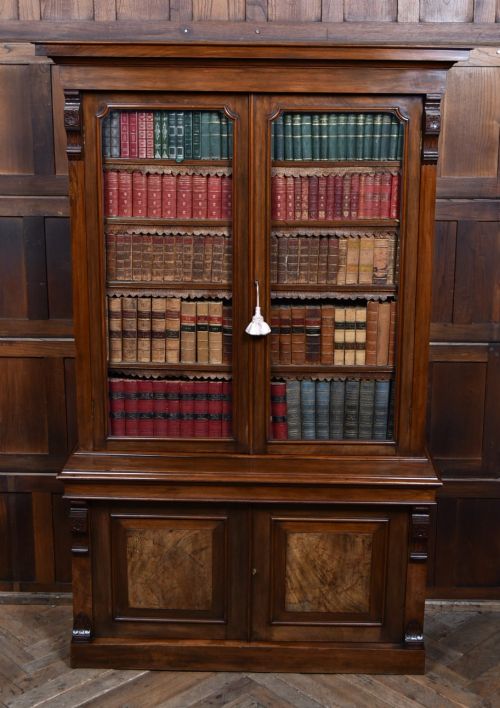
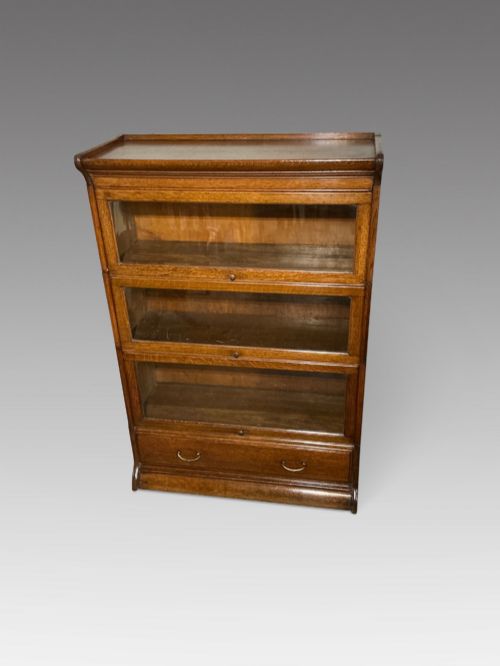
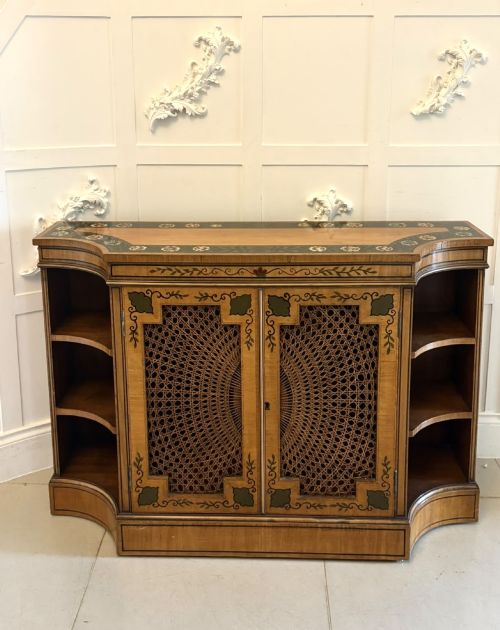
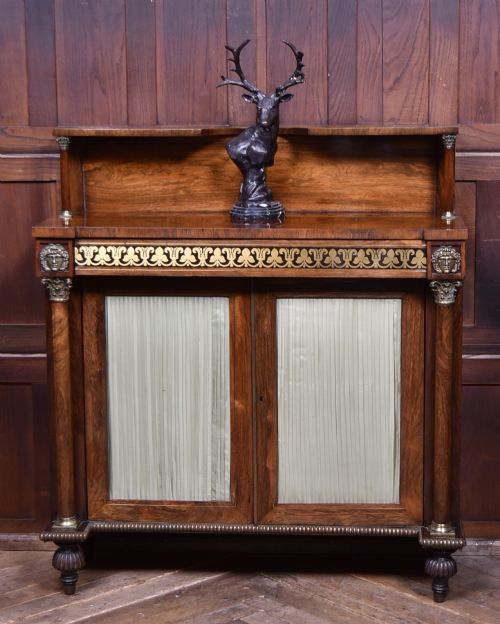
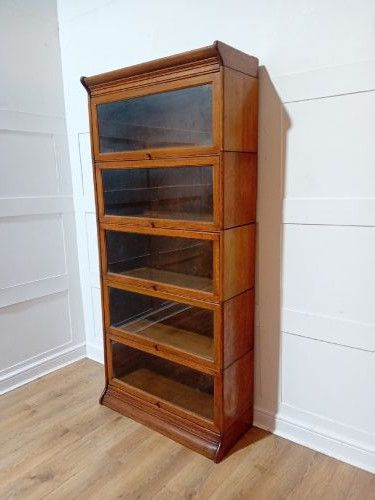
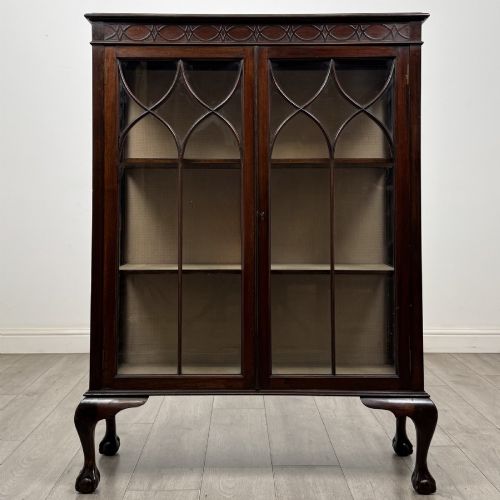
Antique Bookcase with Doors
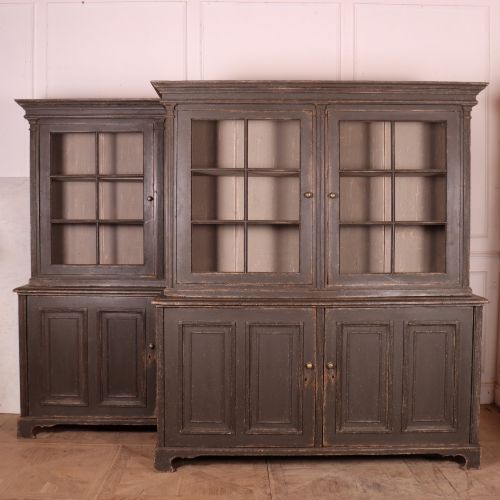
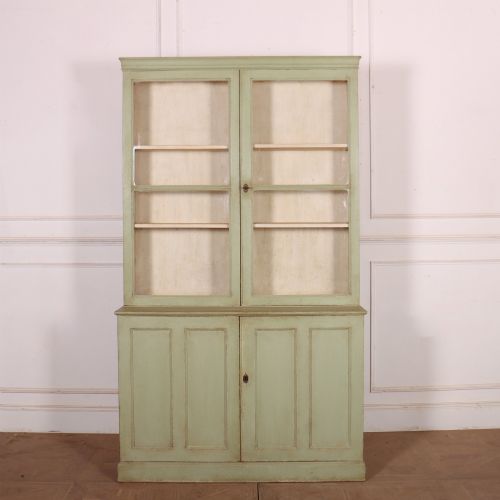
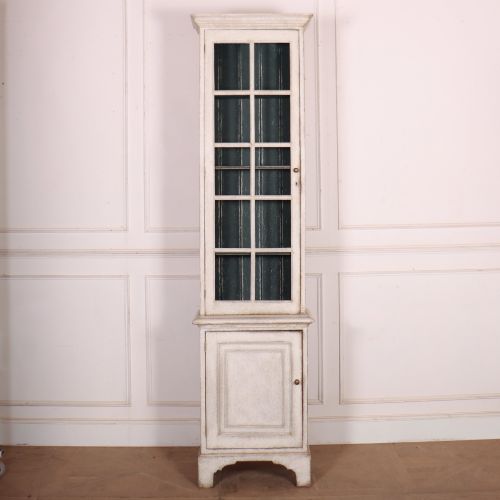
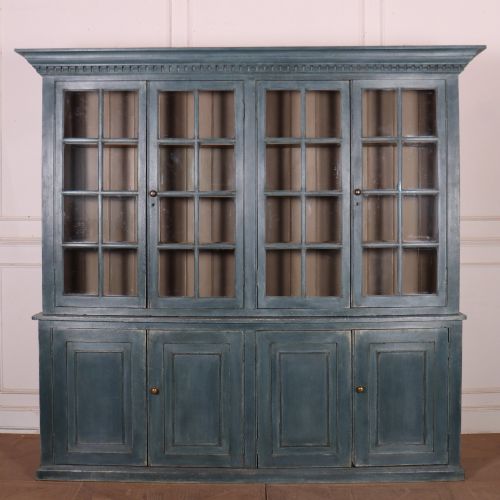
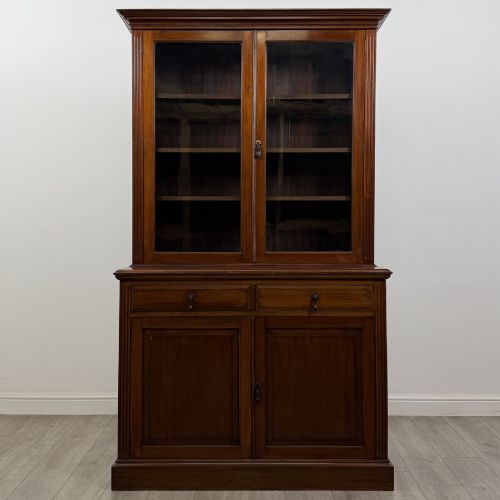
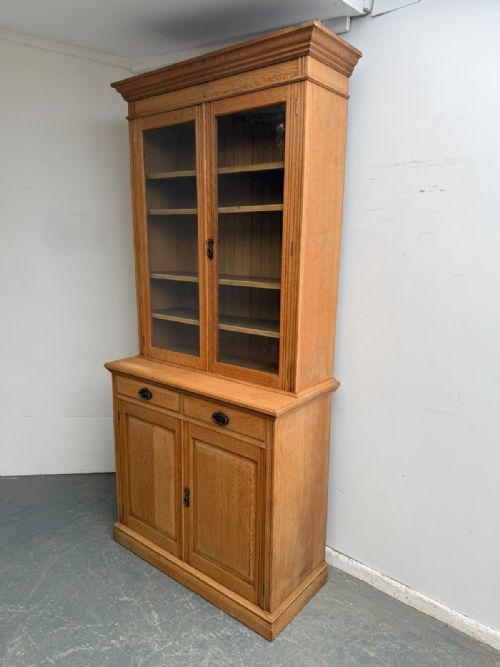
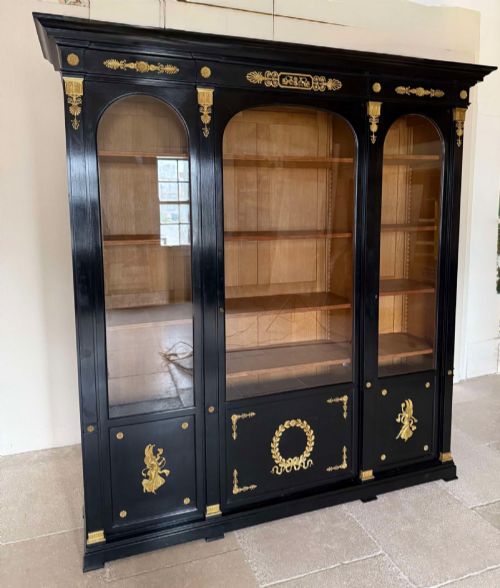
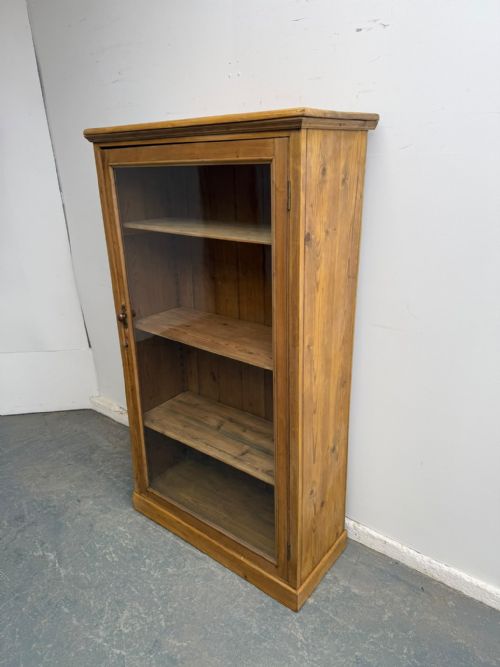
These pieces of furniture, known as an antique bookcase with doors, provide enclosed shelving to protect volumes while showing bindings through glazed panels.
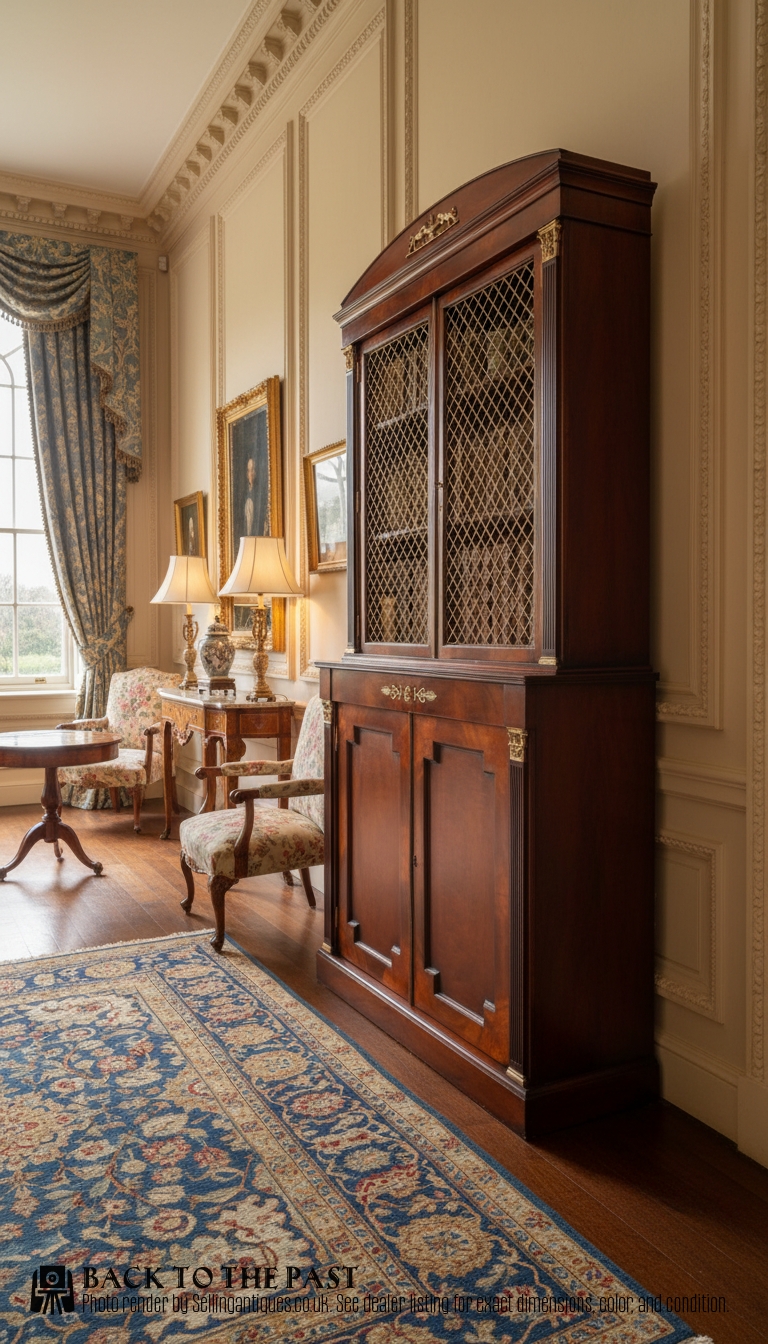
Antique Bookcase with Doors
When searching for an antique bookcase with doors, buyers encounter forms spanning the Georgian, Regency, Victorian, and Edwardian periods. These items range from large mahogany library pieces to smaller oak and walnut cabinets.
The selection includes bureau bookcases with fitted writing interiors, two-door display cabinets, and smaller glazed cupboards in pine, rosewood, and satinwood. Many feature adjustable shelves or lower cupboard sections.
The forms originate from domestic settings, schools, and larger country houses, constructed in styles from Jacobean Revival to Art Deco and Scottish Country.
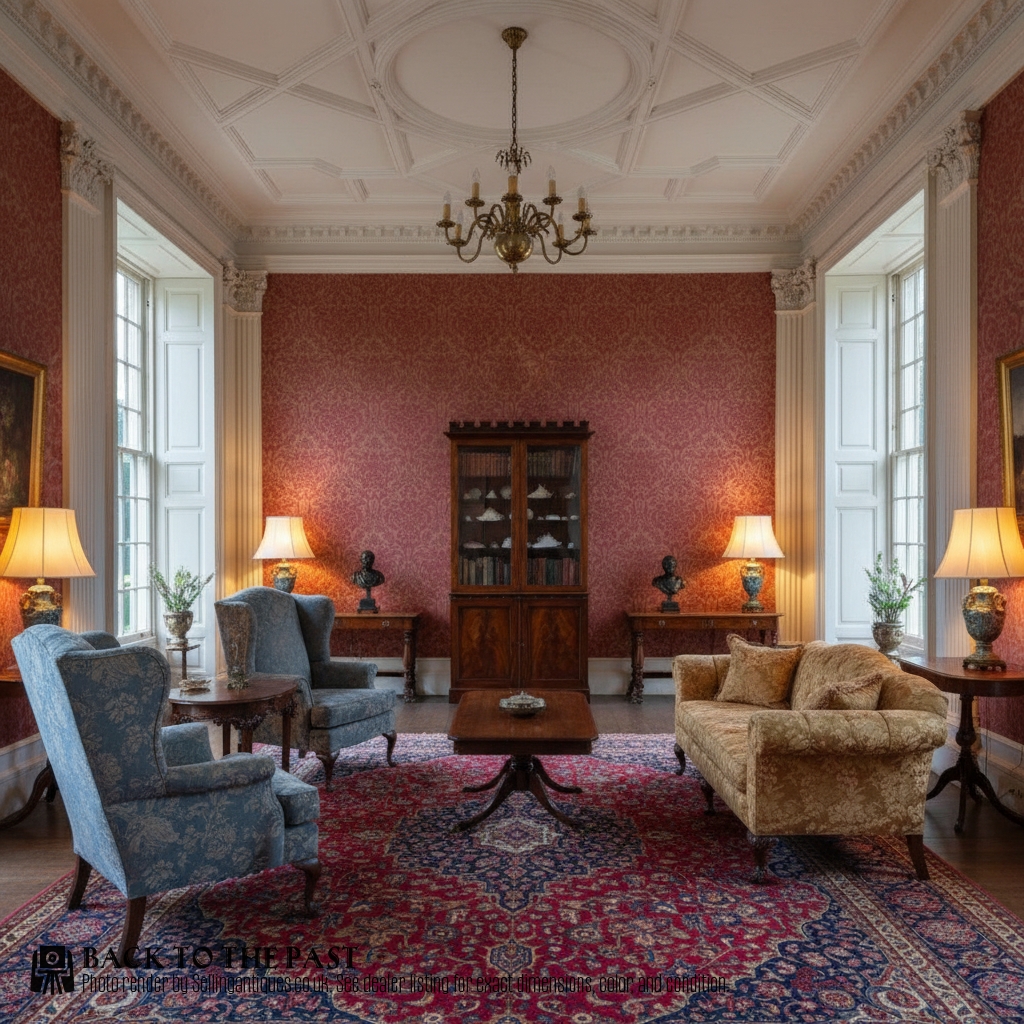
How they were made
Makers utilised timber such as mahogany, oak, walnut, and pine, frequently selecting figured veneers or incorporating satinwood, rosewood, and ebony inlay. Glazing bars in glass doors required precise joinery.
Hardware typically involved brass for handles, grilles, and key escutcheons, while interiors often utilised adjustable wooden shelving supported by peg systems.
Antique Bookcase with Doors Retail Price Guide 2026
Typical asking prices for bookcase with doors among the pieces listed under this phrase on Sellingantiques today, from the lower quarter to the upper quarter. They describe what is for sale here now, not the wider market.
Periods represented span from 18th century Georgian examples through Victorian and Edwardian up to 1920.
What varies in quality
The distinction between tiers rests upon the selection of timber veneers, the crispness of carved details, and the intricacy of inlay work such as stringing or crossbanding. Higher quality examples exhibit finer proportions and integrated fitted interiors.
Originality of components, including glass panes, brass grilles, handles, and locks, separates standard utilitarian pieces from exceptional cabinet work.
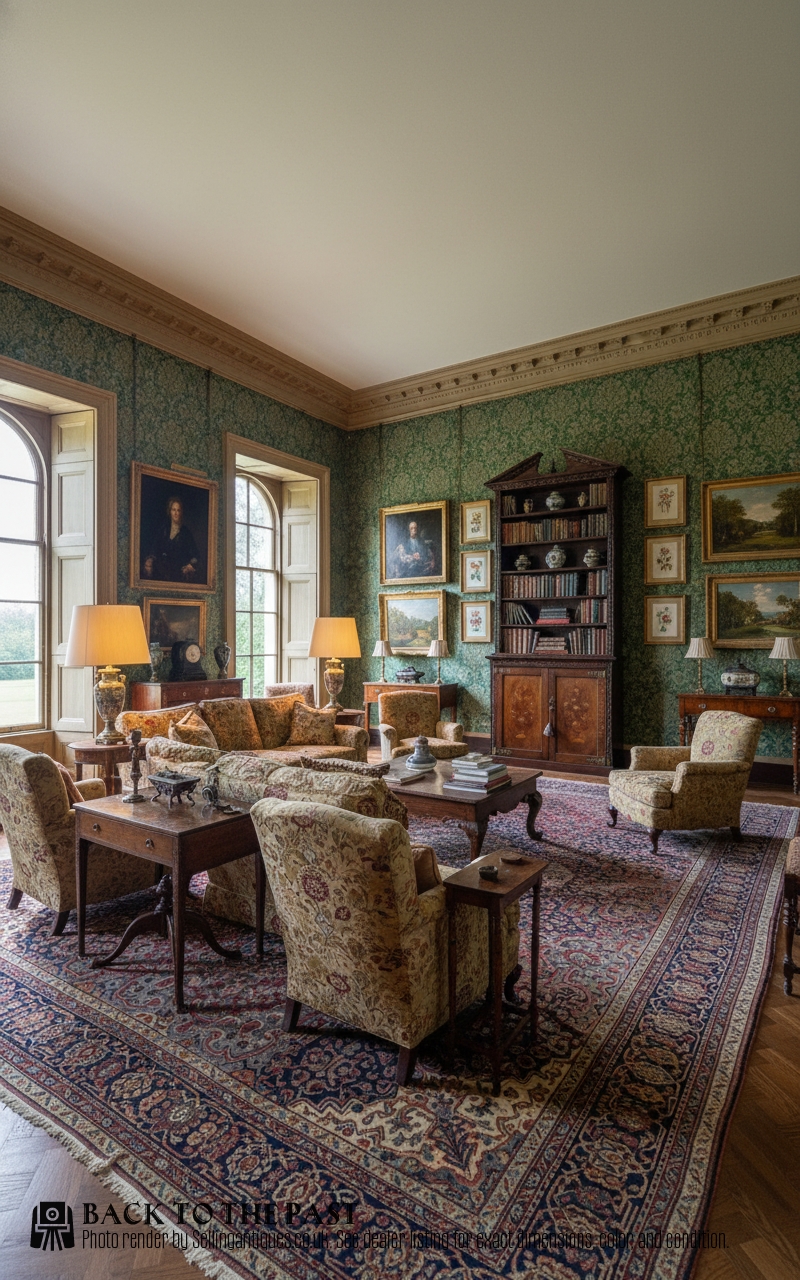
Tudor and Burrey·Minty Of Oxford
The Antique Bookcase with Doors Glossary
- Astragal glazed
- Glass doors divided into smaller panes by narrow wooden bars, often moulded or shaped. This technique creates a lighter visual appearance for large cabinet fronts.
- Secretaire
- A desk component featuring a fall-front drawer that drops down to reveal small drawers and pigeonholes. It combines a writing surface with enclosed bookcase storage.
- Bureau bookcase
- A piece comprising a sloping writing flap above lower drawers, surmounted by a glazed upper bookcase. It serves both study and storage functions.
- Chiffonier
- A low sideboard or cabinet with doors enclosing shelving, occasionally topped by a small tier. It developed during the Regency and Victorian periods for drawing rooms.
- Figured mahogany
- Timber cut from specific parts of the mahogany tree to reveal distinctive grain patterns like flame or fiddleback. Cabinet makers used these veneers on primary display surfaces.
Antique Bookcase with Doors: Frequently Asked Questions
What periods do these bookcases cover?
The pieces span from the 18th century through the Georgian, Regency, Victorian, and Edwardian eras up to the 1920s. Styles range from classical revival to Art Deco.
Craftsmanship and timber choices evolved across these periods, moving from solid timbers to intricate veneers and painted finishes.
How do I use a secretaire bookcase?
The fall-front drawer lowers to form a writing desk, revealing pigeonholes and small drawers inside. This allows the piece to function as both a secretary desk and a display cabinet.
Books remain stored in the upper glazed section while writing materials stay organised within the pull-out desk cavity.
What timbers were commonly used?
Mahogany, oak, and pine appear frequently, alongside decorative woods like burr walnut, rosewood, satinwood, and amboyna. Inlays often incorporate contrasting timbers and brass elements.
Selection depends on the period, with Georgian and Regency pieces favouring figured mahogany and Edwardian items utilising lighter satinwood or oak.
Are the shelves adjustable?
Many examples feature adjustable wooden shelving supported by various internal tracking systems. This allows the interior height to accommodate different book sizes.
Some period pieces retain fixed shelving or graduated depths designed for specific folio volumes.