

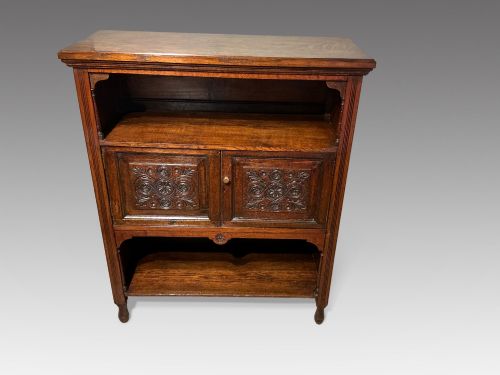
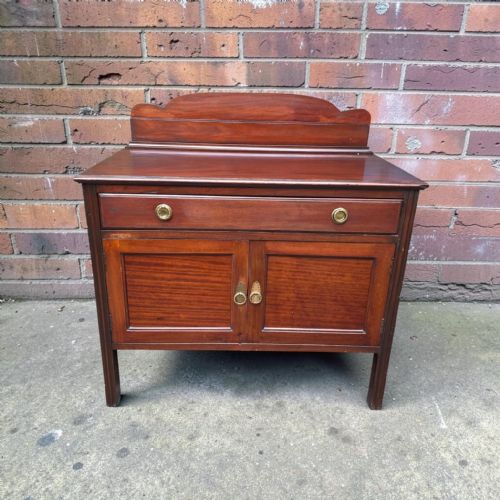
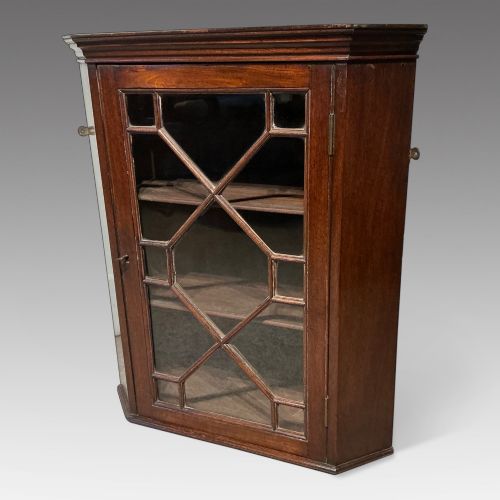
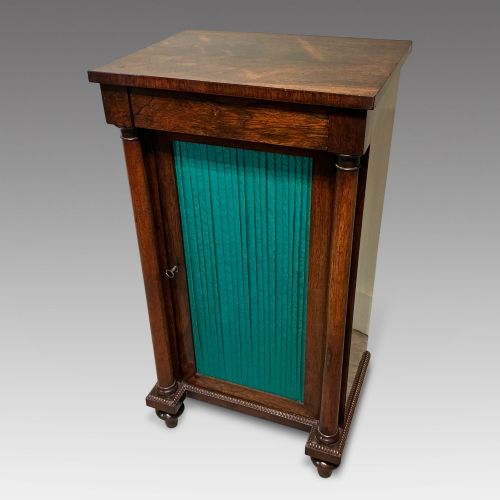
Dark Wood Cabinet
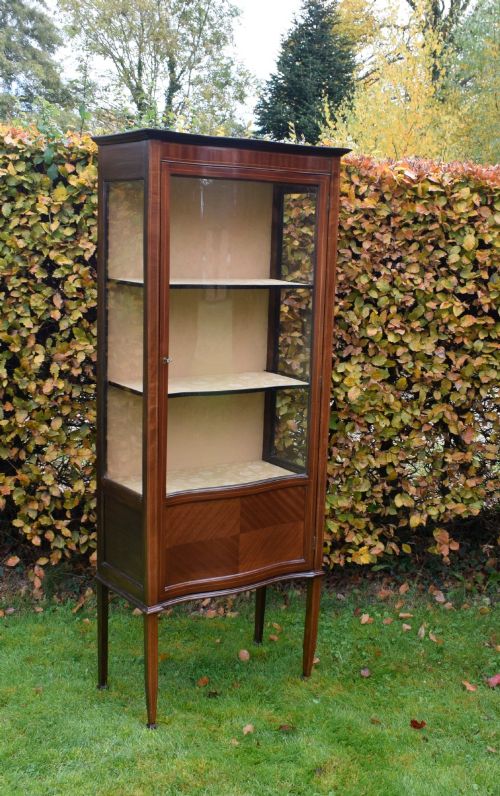
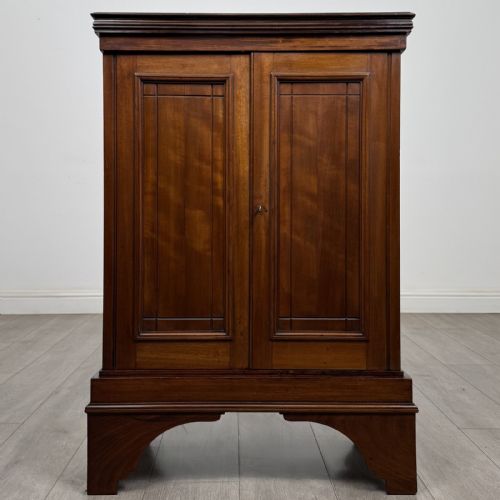
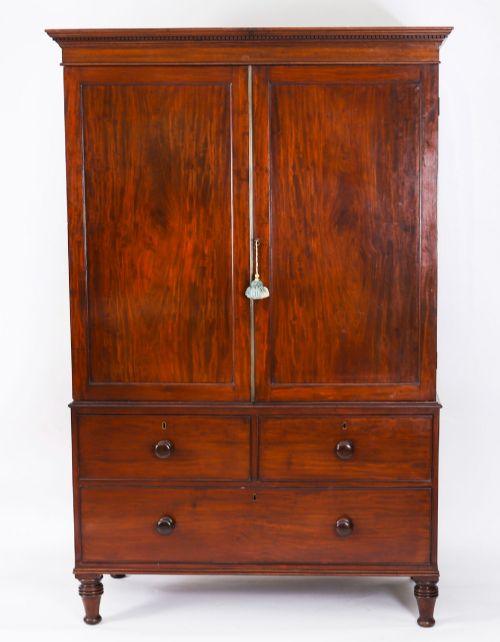
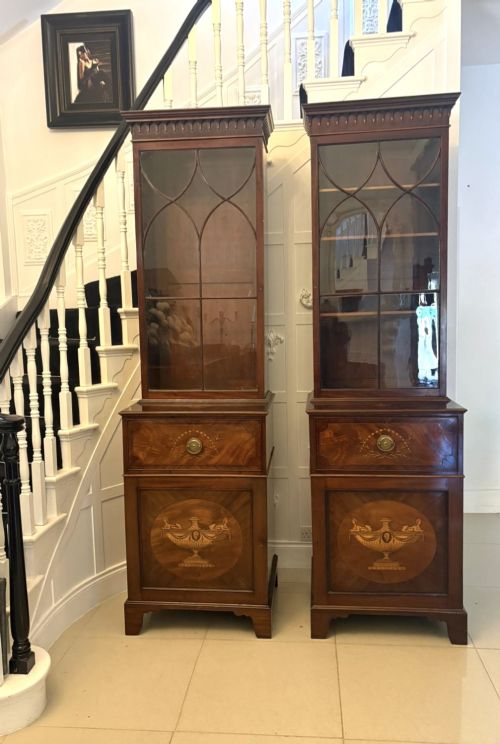
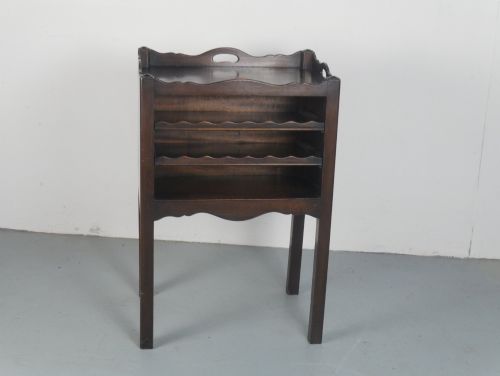
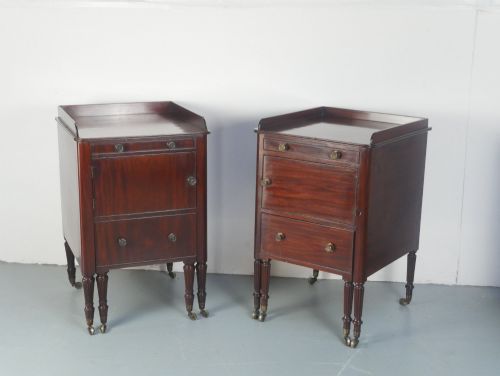
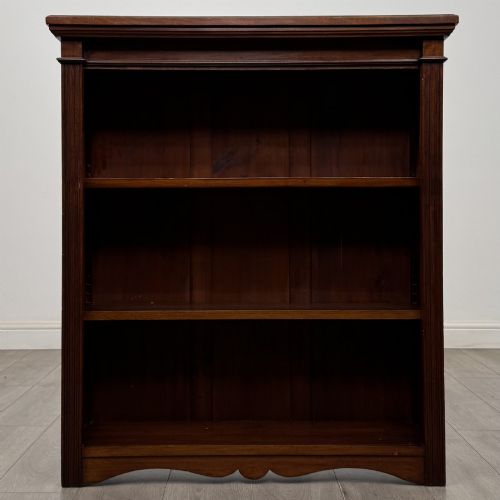
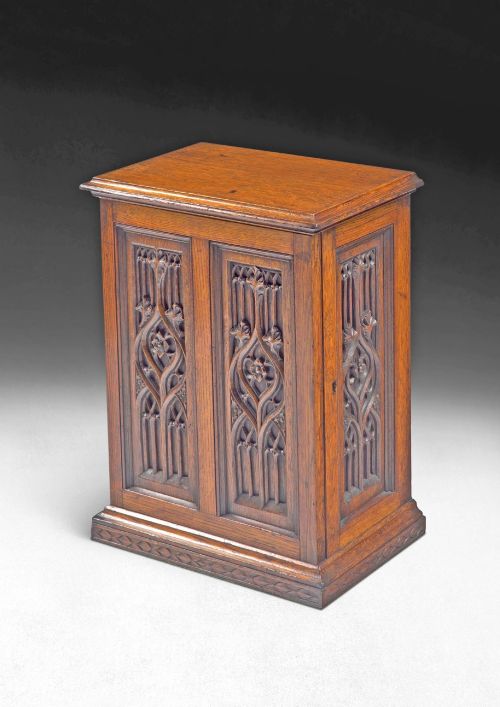
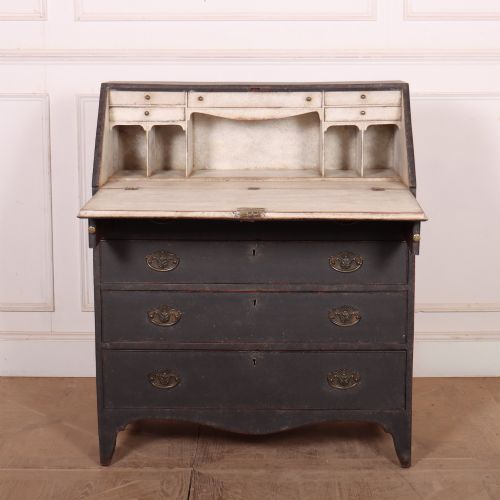
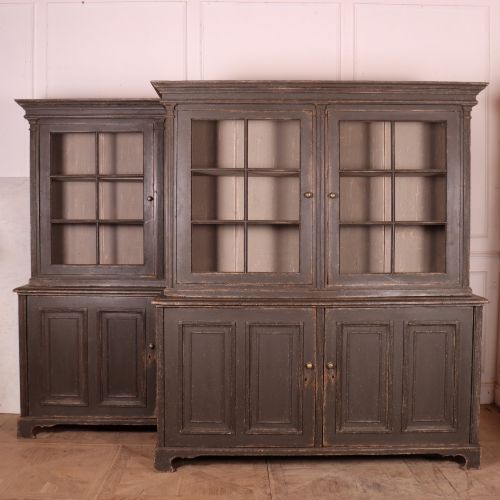
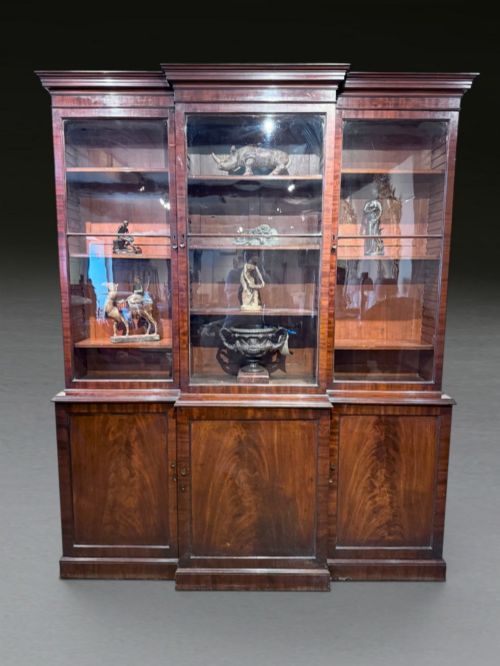
A dark wood cabinet brings deep tones and solid storage to a room, ranging from mahogany bookcases to walnut display pieces.
Dark Wood Cabinet
When you search for a dark wood cabinet, you encounter a wide array of storage furniture spanning several centuries, from Georgian wardrobes to Edwardian cupboards and display pieces. The pieces listed now include sideboards, bookcases, display cabinets, chests of drawers, desks, and music cabinets produced in periods such as the 18th century, Victorian era, and Edwardian period.
Mahogany and oak dominate the offerings on this page, alongside rosewood and walnut versions that showcase rich grain patterns. You will frequently find sideboards and glazed bookcases designed to hold books, linen, or dining china while anchoring a room with their substantial presence.
Styles vary from restrained Georgian lines and William IV forms to decorative Victorian carving, Arts and Crafts designs, and Anglo-Indian influences. This variety allows collectors to select pieces that fit both formal period interiors and more eclectic modern spaces.
Materials and Construction
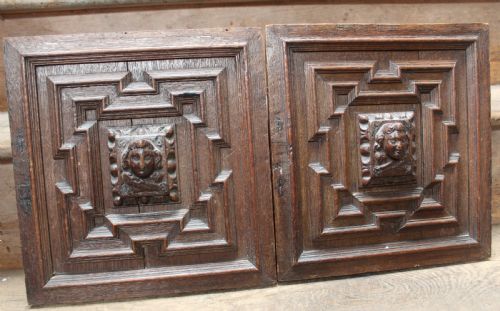
Cabinet makers utilised dense hardwoods such as mahogany, oak, rosewood, and walnut, often highlighting flame mahogany veneers or burr walnut panels on primary surfaces. These timbers provided the structural strength and deep colour required for substantial case furniture.
Construction relied on traditional joinery methods suited to heavy sideboards, wardrobes, and bookcases, supplemented by glass panels for display units and brass hardware for handles, hinges, and locks. Selected pieces incorporate carved decoration, inlay, or tambour fronts to finish the exterior.
Dark Wood Cabinet Retail Price Guide 2026
Typical asking prices for dark wood cabinet among the pieces listed under this phrase on Sellingantiques today, from the lower quarter to the upper quarter. They describe what is for sale here now, not the wider market.
Periods represented span from the 18th century through the Victorian, Edwardian, and Regency eras.
Assessing Quality and Execution
The standard of a piece rests on the selection of the timber, particularly the grain of the mahogany, rosewood, or burr walnut used on the main panels and doors. Superior examples display careful matching of wood veneers and precise integration of carved details or inlaid motifs.
Internal construction and secondary woods also distinguish finer examples, showing integrity in the drawer linings, shelving supports, and backboards. Well-executed glazing bars on display cabinets and substantial brass fittings further indicate a higher grade of manufacture.
GM Elwood for JS Henry
The Dark Wood Cabinet Glossary
- Sideboard
- A long piece of dining furniture equipped with cupboards and drawers for storing tableware and serving food. They frequently feature carved mahogany or oak bodies dating from the Victorian and Georgian periods.
- Bookcase
- An upright piece of furniture fitted with horizontal shelves for holding books, sometimes enclosed by glass doors. Examples in the evidence range from open rosewood shelves to glazed Edwardian and Victorian versions.
- Cupboard
- An enclosed piece of furniture with doors and interior shelves used for general storage. The listings include corner cupboards, double height units, and stained oak variants.
- Davenport
- A compact writing desk featuring a sloping top and drawers accessed from the side. Victorian versions often utilise rosewood and incorporate fine craftsmanship.
- Cellarette
- A lockable container designed to hold wine bottles safely near the dining table. The evidence records an Anglo-Indian wine chest cellarette on a stand from around nineteen hundred.
Dark Wood Cabinet: Frequently Asked Questions
What periods do these cabinets come from?
The pieces span multiple centuries, with items originating from the Georgian, Victorian, Edwardian, and Regency eras. You will find items dated from the eighteenth century through to the early twentieth century.
Each period brought distinct aesthetic choices, from the clean lines of earlier eras to the heavier carvings and display-focused designs of the Victorian and Edwardian decades.
What types of wood are used?
Makers relied heavily on mahogany, oak, rosewood, and walnut, often selecting specific figures like flame mahogany or burr walnut for visual impact. Secondary timbers like pine also appear in period pieces.
These dense hardwoods ensure structural durability while offering the rich, dark tones characteristic of traditional cabinet making.
How were these cabinets used historically?
These pieces served practical storage roles in dining rooms, libraries, and parlours, holding everything from books and linens to wine and china. Sideboards aided in meal service, while bookcases protected valuable volumes behind glass.
Specialised forms like music cabinets and filing units catered to specific domestic and commercial needs as household storage requirements evolved.
How do I tell an 18th century piece from a Victorian one?
Eighteenth-century items generally rely on restrained proportions, premium Cuban mahogany, and understated bracket feet or straight lines. Victorian and later pieces often introduce heavier proportions, extensive carving, and decorative glazing.
Examining the construction methods, secondary woods, and hardware styles helps clarify the period of manufacture.