





Carved Hardwood Cabinet
A carved hardwood cabinet brings together dense exotic timbers and deep relief carving, offering substantial storage and display space for collectors.
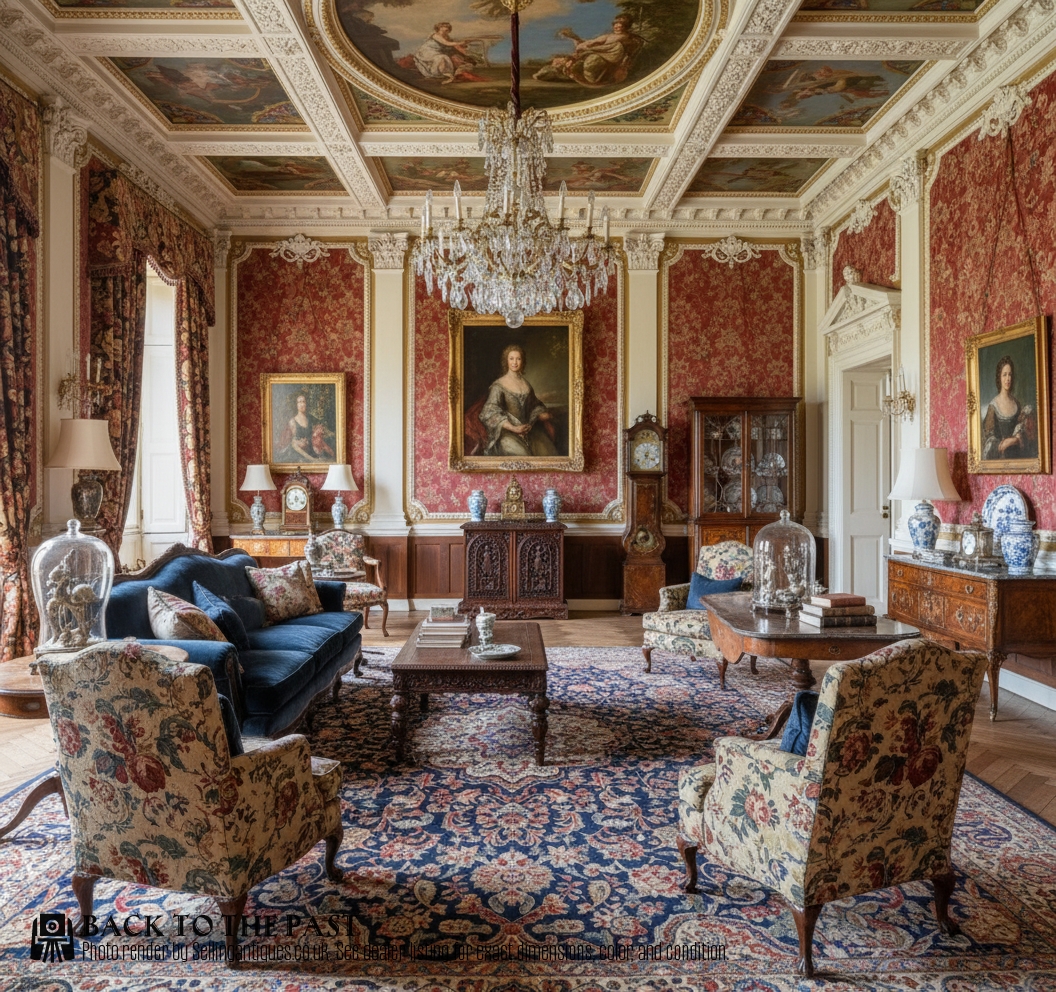
Carved Hardwood Cabinet
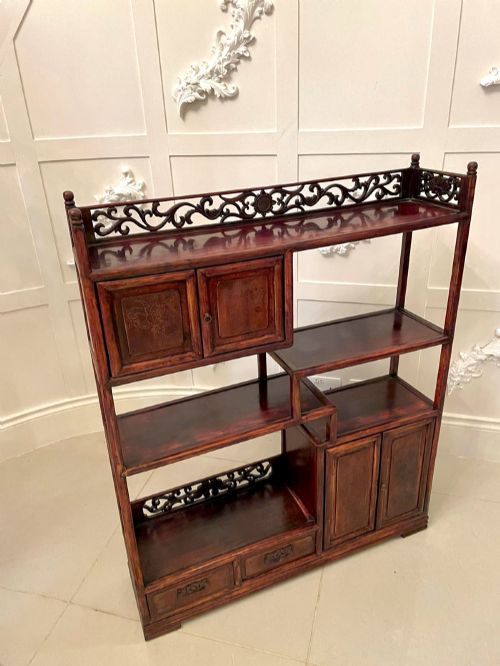
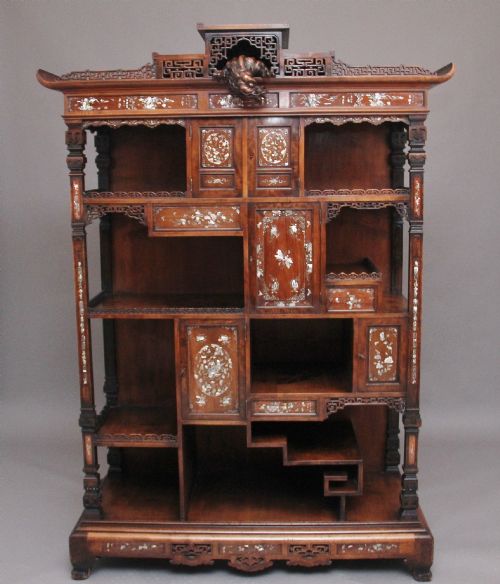
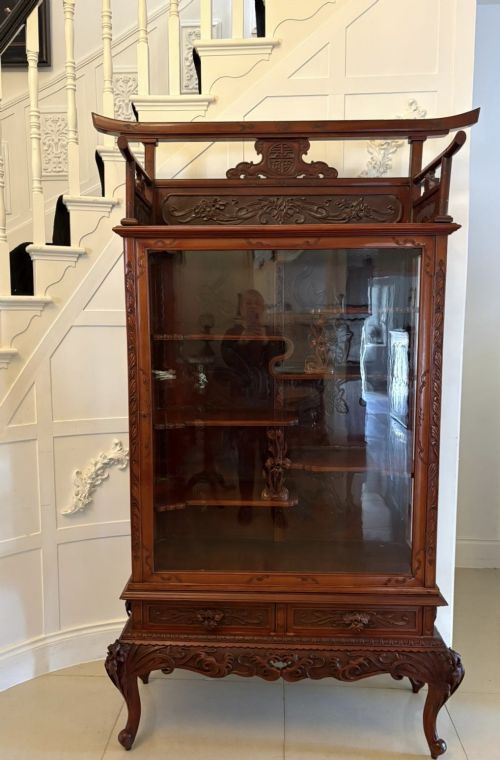
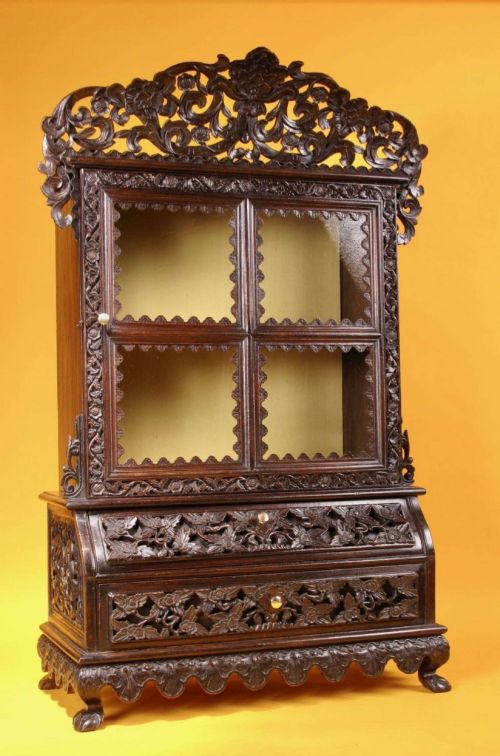
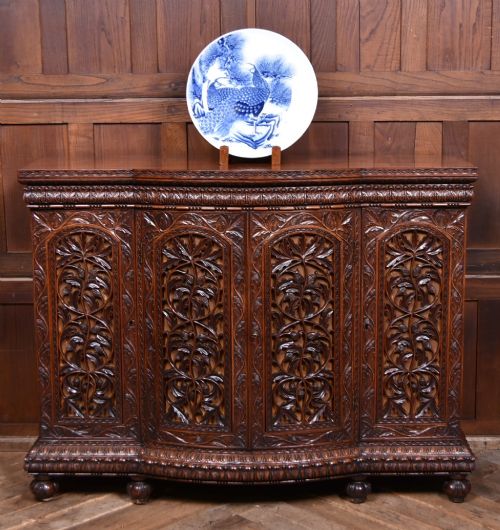
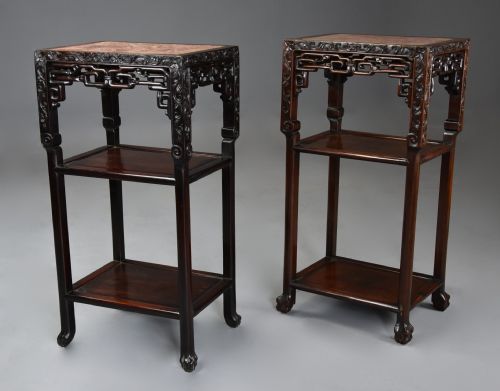
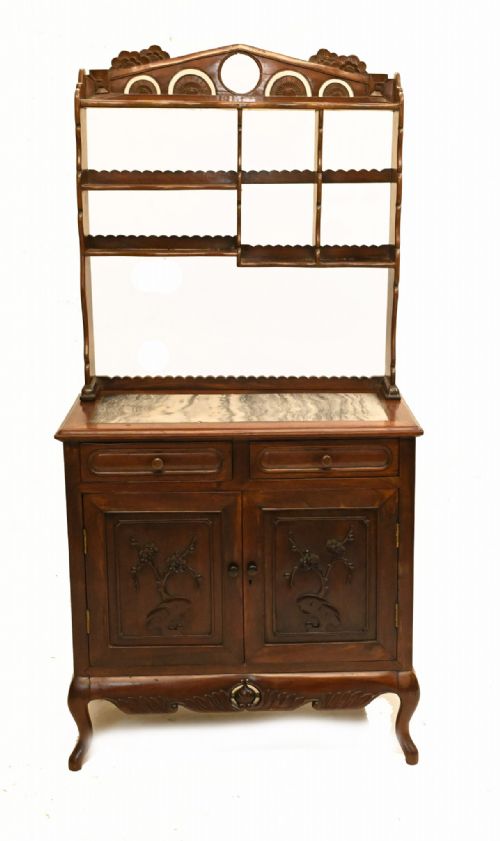
A carved hardwood cabinet represents a diverse group of nineteenth-century furniture originating from Chinese, Japanese, Anglo-Indian, and Burmese workshops. These pieces range from towering display cabinets and shodonas to compact cupboards, sideboards, and pedestal stands.
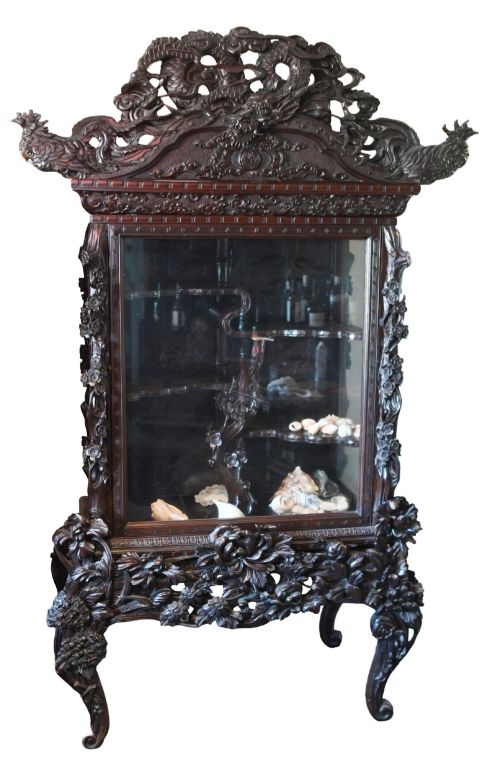
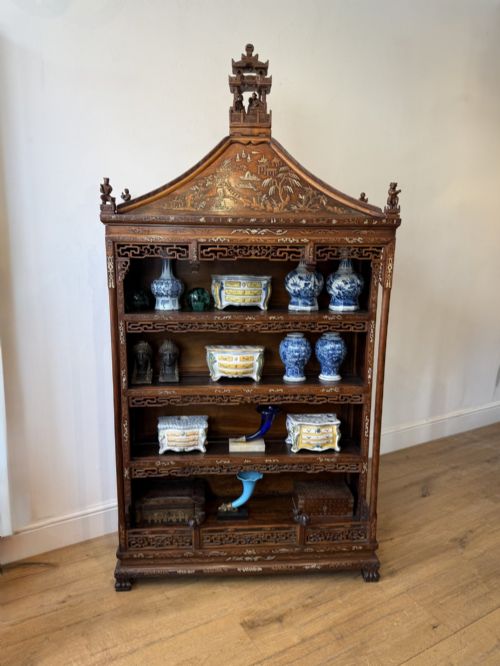
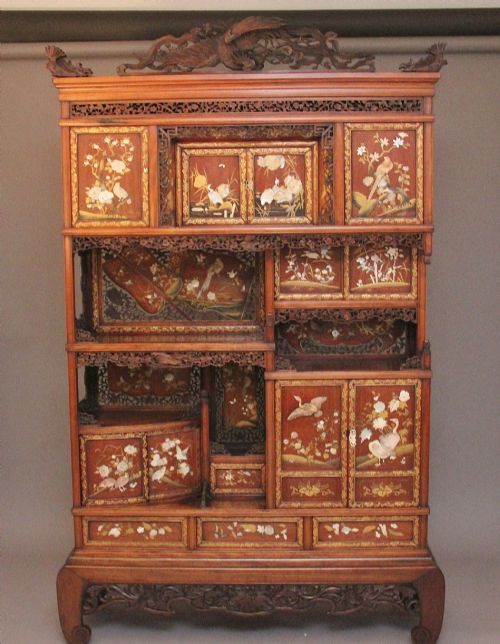
The version most commonly encountered on this page is the nineteenth-century Chinese or Japanese display cabinet, often featuring glazed doors, open tiers, or elaborate carving in the style of the Qing Dynasty or Meiji period.
Buyers look to these pieces for their rich timber surfaces and complex architectural forms, which function equally as storage units and focal points within an interior.
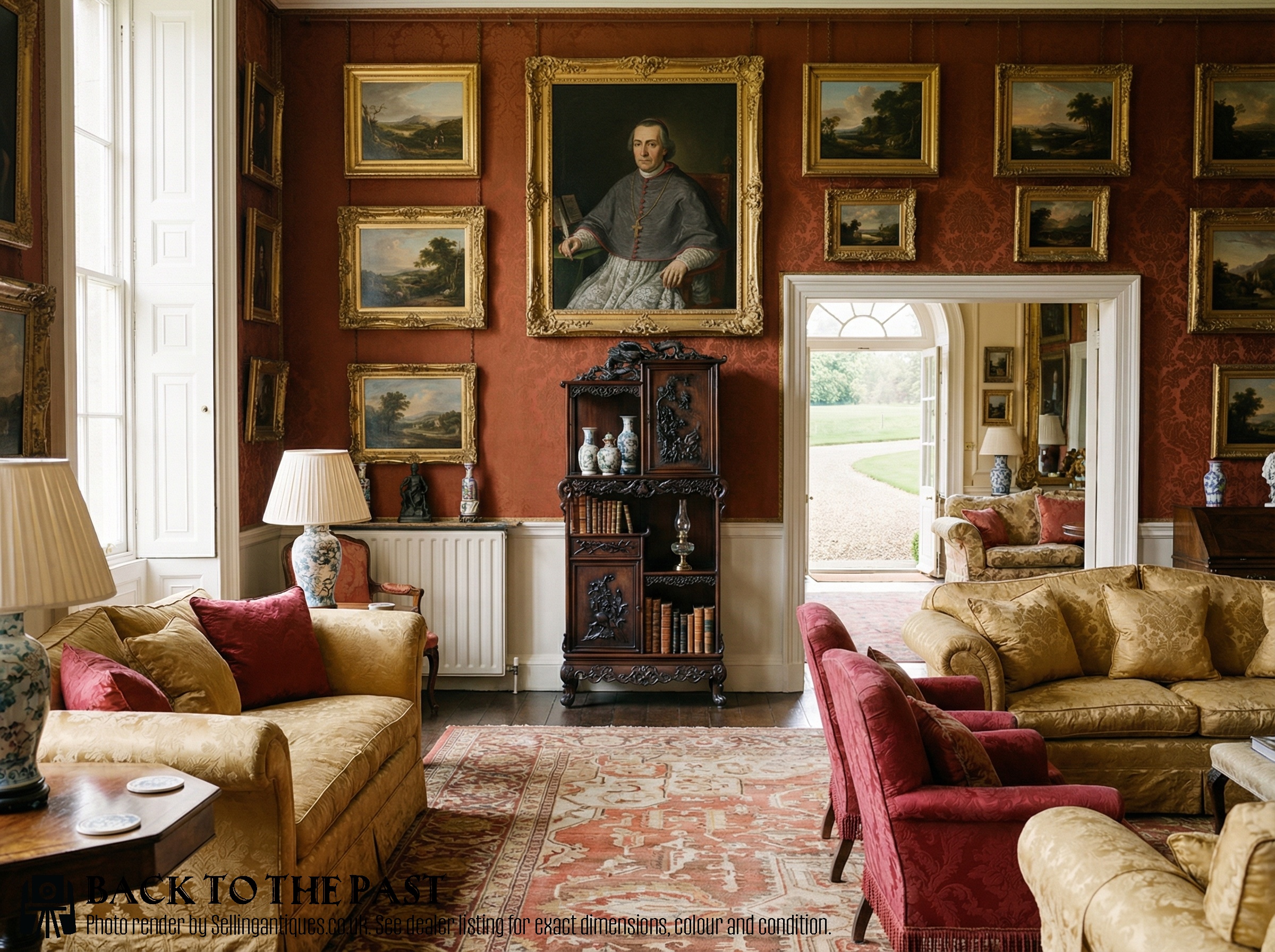
How they were made
Makers utilised dense exotic hardwoods such as padauk, hongmu, zitan, and rosewood, which provided the structural strength required for deep, intricate relief carving without splitting or warping.
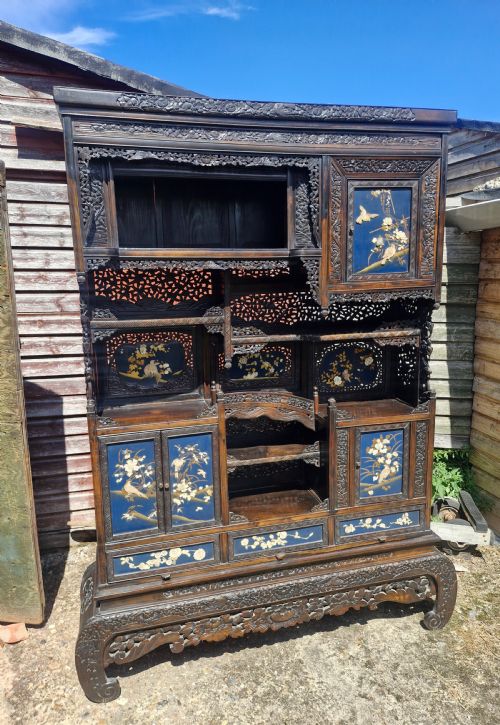
Construction techniques frequently incorporated mortise and tenon joints to support heavy frames, complemented by specialised additions like red lacquer, brass hardware, marble inserts, and delicate mother of pearl inlay.
Carved Hardwood Cabinet Retail Price Guide 2026
Typical asking prices for carved hardwood cabinet among the pieces listed under this phrase on Sellingantiques today, from the lower quarter to the upper quarter. They describe what is for sale here now, not the wider market.
The listings span the nineteenth century, incorporating Victorian pieces alongside Qing Dynasty Chinese forms and Meiji period Japanese works.
What varies in quality
Quality rests primarily on the depth and crispness of the carving, where pieces with undercut, highly detailed motifs outrank those with shallow or mechanised tool marks.
The choice and stability of timber also dictate the standard, with heavy tropical hardwoods displaying tight, uniform grain patterns commanding greater regard than secondary softwoods or poorly seasoned stock.
Gabriel Viardot
The Carved Hardwood Cabinet Glossary
- Shodana
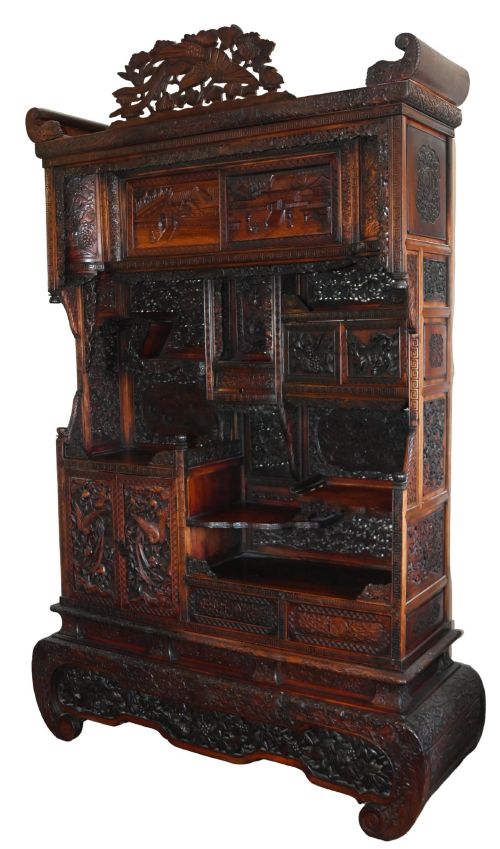
- A Japanese multi-tiered display cabinet featuring staggered shelves, sliding doors, and small cupboards designed for exhibiting art objects. These cabinets showcase meticulous joinery and complex decorative schemes.
- Hongmu
- A traditional Chinese term denoting dense red hardwoods used in fine furniture production. The timber is prized for its weight, dark colour, and capacity to hold sharp carved details.
- Padauk
- A heavy tropical hardwood with a reddish-brown hue that deepens with age. It is frequently encountered in nineteenth-century Anglo-Indian and Burmese furniture.
- Shibayama
- A Japanese decorative technique involving inlay of mother of pearl, ivory, tortoiseshell, and metals into a wood or lacquer ground. This work appears on high-status nineteenth-century panels and cabinets.
Carved Hardwood Cabinet: Frequently Asked Questions
What are these cabinets used for?
These cabinets serve primarily to store precious objects, books, or ceramics while displaying decorative collections through glazed doors or open shelving.
Their substantial construction also allows them to function as structural sideboards or serving surfaces within a dining room or study.
How do I identify a Meiji period cabinet?
Meiji period Japanese cabinets, often called shodonas, typically feature asymmetrical tiers, sliding panels, and intricate carvings of birds, foliage, or dragons.
They date from the late nineteenth century and reflect the influence of traditional Japanese architectural forms combined with export-market demands.
Where were Anglo-Indian cabinets made?
Anglo-Indian cabinets were produced in workshops across the Indian subcontinent during the nineteenth century for British colonial residents and export.
They combine traditional Indian relief carving techniques with European furniture forms such as sideboards, bureau desks, and display cabinets.
How should I care for a hardwood cabinet?
Maintain stable humidity levels in the room to prevent the dense tropical hardwoods and inlaid materials from drying out or cracking.
Apply a minimal amount of appropriate furniture wax occasionally to nourish the timber surface without building up excessive residue.