




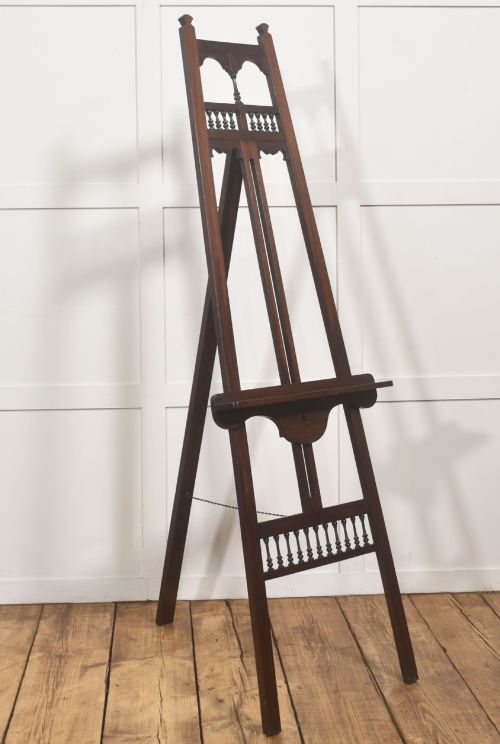
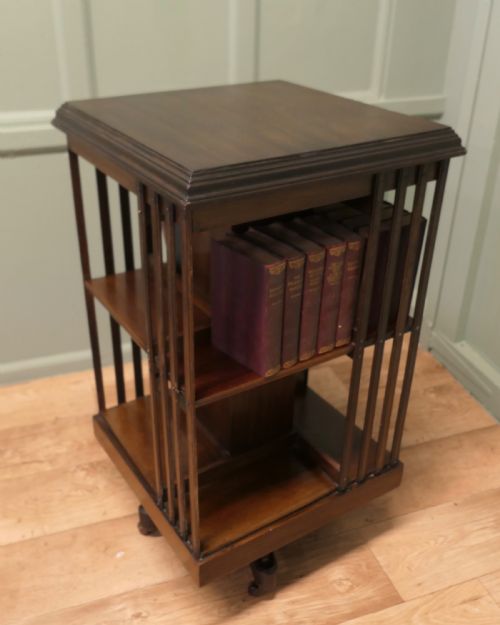
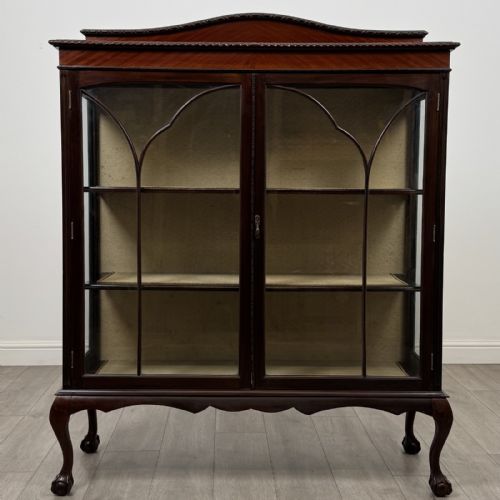
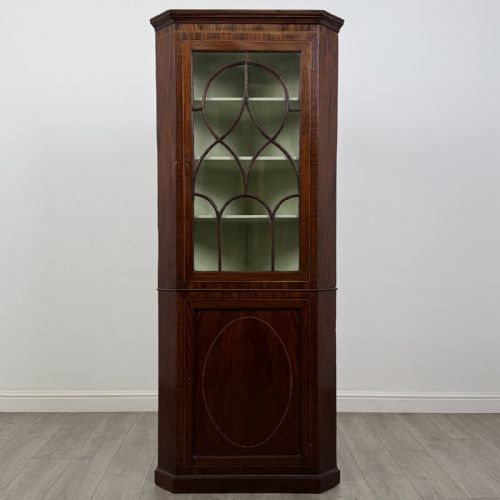

Dark Wood Display Stand
A dark wood display stand elevates objects using rich timber figures, moving through Georgian, Victorian and Edwardian forms to frame items with substance.
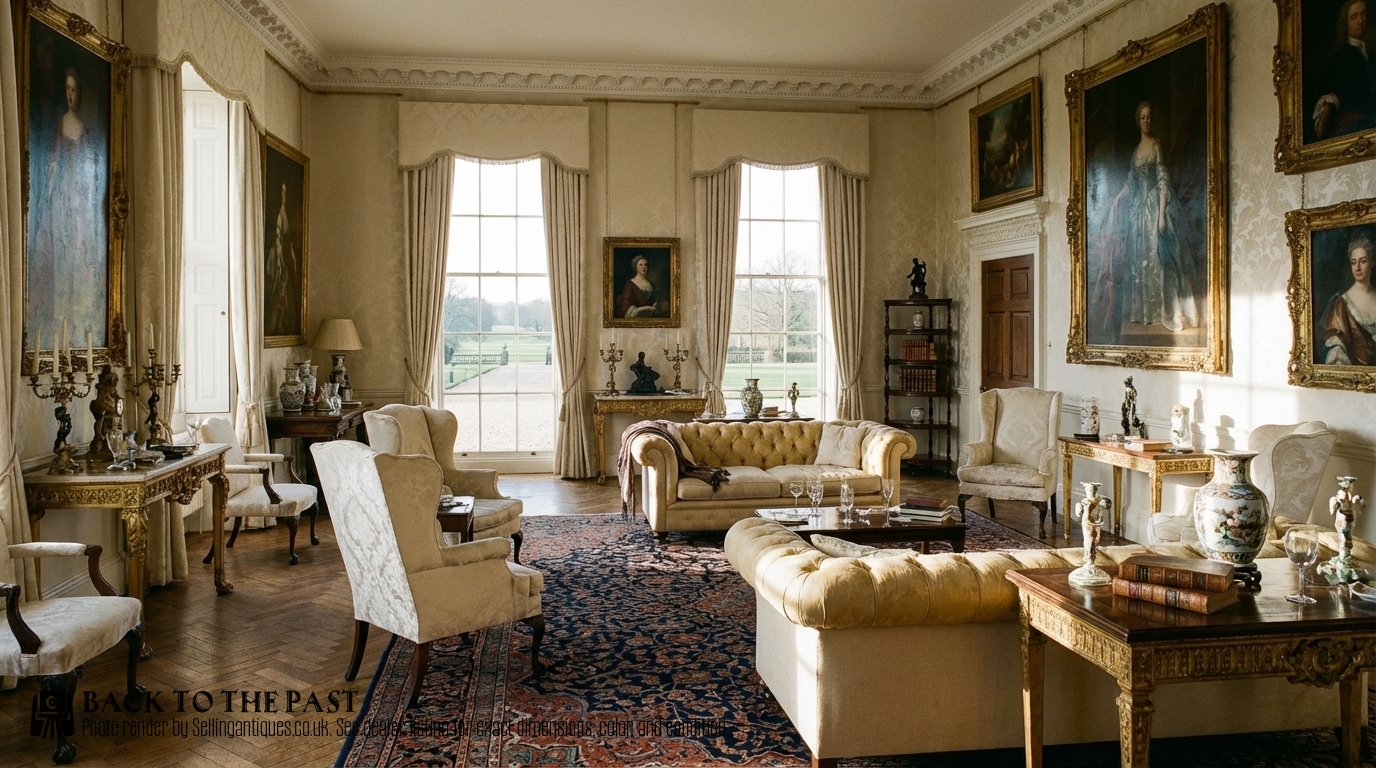
Dark Wood Display Stand
When you search for a dark wood display stand, you encounter pieces intended to elevate or contain objects, ranging from towering vitrines to compact pedestals. These items emerge primarily from the Georgian, Victorian and Edwardian periods, carrying the weight of centuries past into domestic spaces.
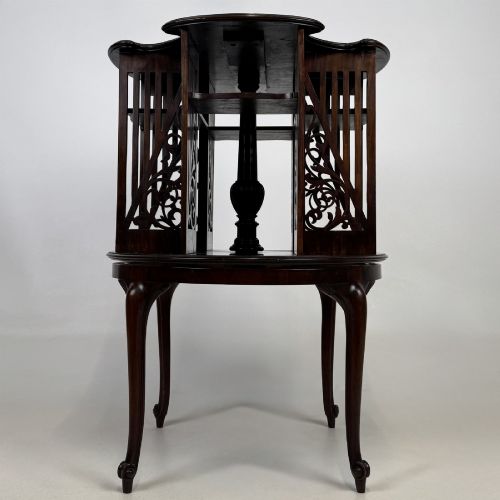
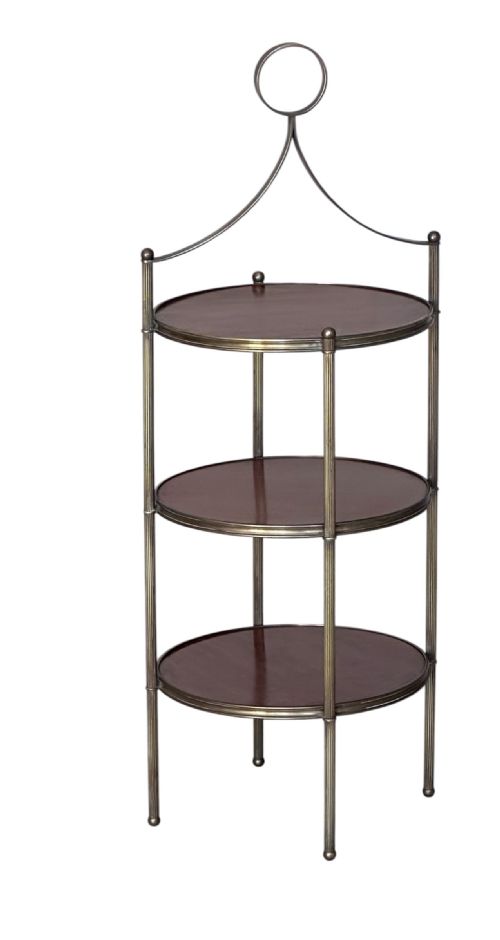
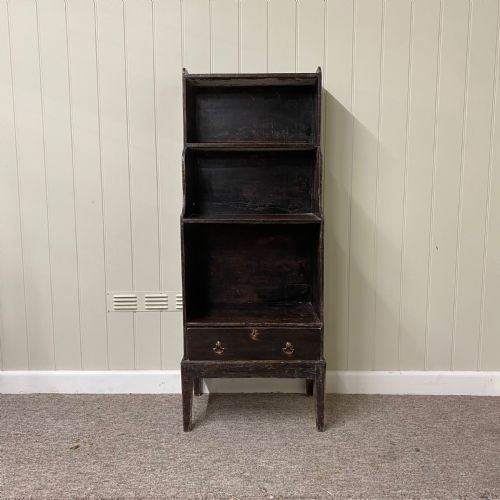
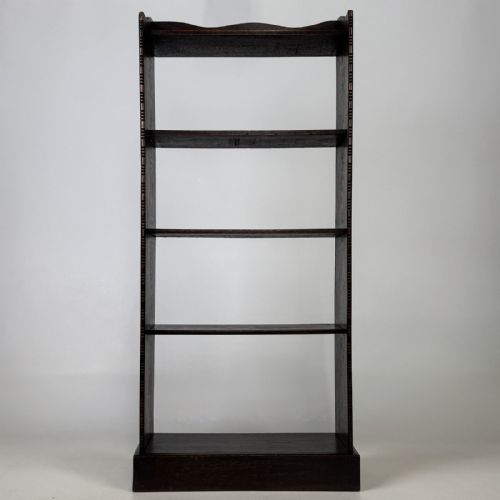
The most frequent incarnations on this page are mahogany, rosewood and oak bookcases, what-nots, and display cabinets. These forms span from multi-tiered open shelving units to glazed cabinets and corner cupboards designed to hold books, ceramics or curiosities.
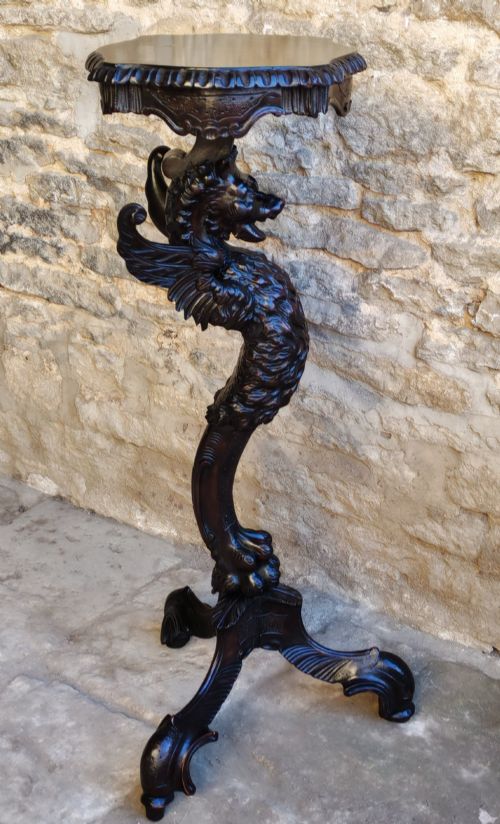
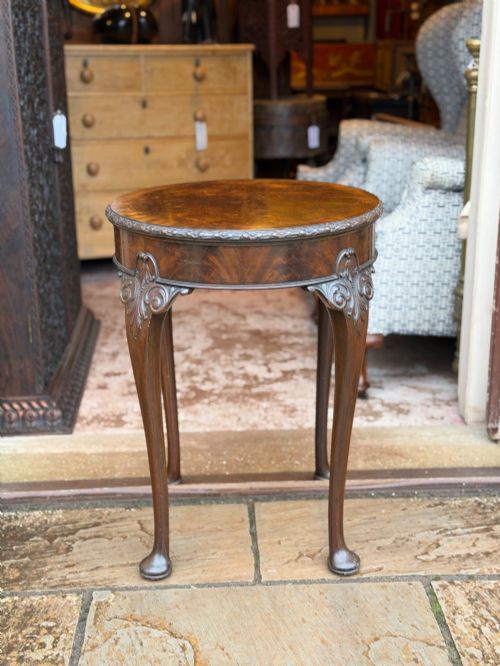
Makers utilised various timber tones and densities, establishing distinct silhouettes like barley twist stands, torcheres, and tiered etageres. Each piece serves a specific spatial function, whether anchoring a corner or commanding the centre of a room.
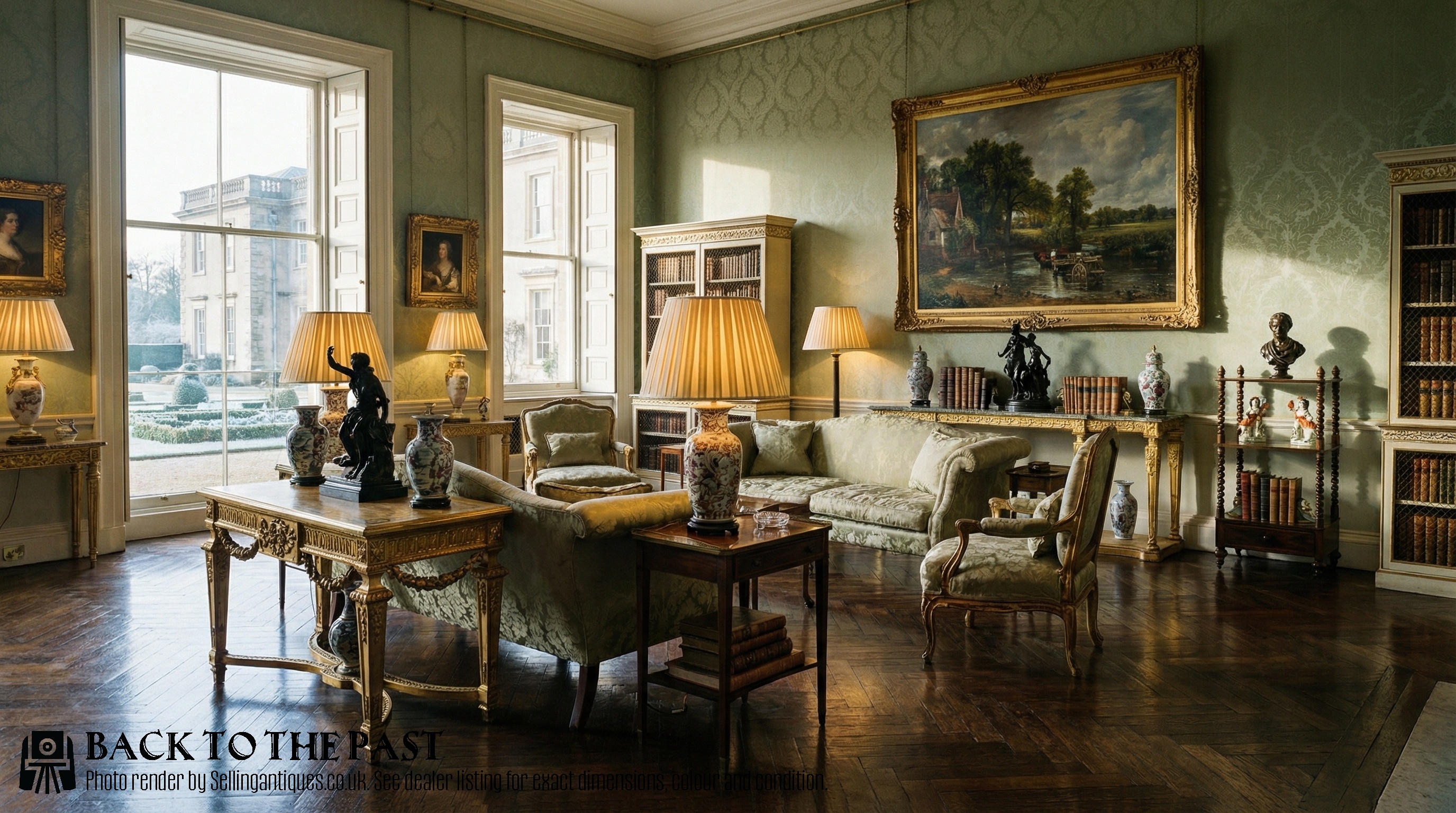
Materials and construction methods
Cabinet makers relied heavily on dense hardwoods such as mahogany, rosewood, walnut, padauk, teak and oak. These timbers provided the structural integrity needed for multi-tiered bookcases, slender plant stands and heavy display cabinets.
Construction involved meticulous joinery, turning and carving, often augmented by brass fittings, glass panels and fabric inserts. Artisans shaped solid timber and figured veneers into intricate columns, turned plinths, astral glazed doors and inlaid surfaces.
Dark Wood Display Stand Retail Price Guide 2026
Typical asking prices for dark wood display stand among the pieces listed under this phrase on Sellingantiques today, from the lower quarter to the upper quarter. They describe what is for sale here now, not the wider market.
Listings feature mahogany, oak, rosewood, walnut, and teak across 19th-century, Victorian, Edwardian, and Georgian periods.
Distinctions in construction and design
Quality rests in the selection of the timber grain, such as figured walnut or rich mahogany, and the precision of the carved details. Superior examples exhibit crisp joinery, harmonious proportions, and intact original brass or glass components.
The distinction between standard utility items and finer pieces lies in the depth of hand-carving, the complexity of turnings like barley twists, and subtle inlay work. Finer specimens display an intentionality in design that elevates simple storage into decorative art.
Collinson & Lock·Gabriel Viardot
The Dark Wood Display Stand Glossary
- What-not
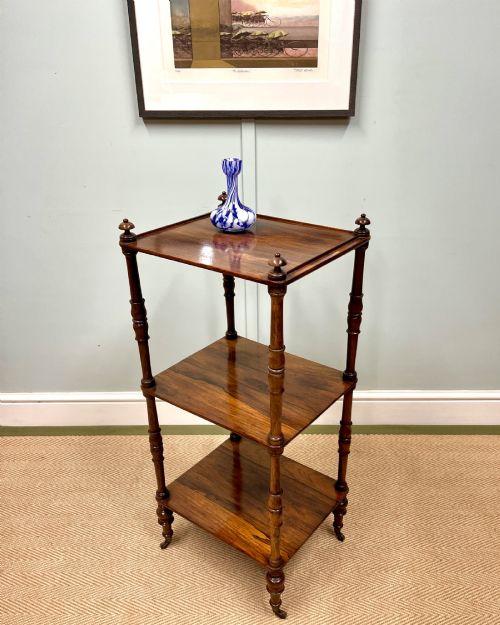
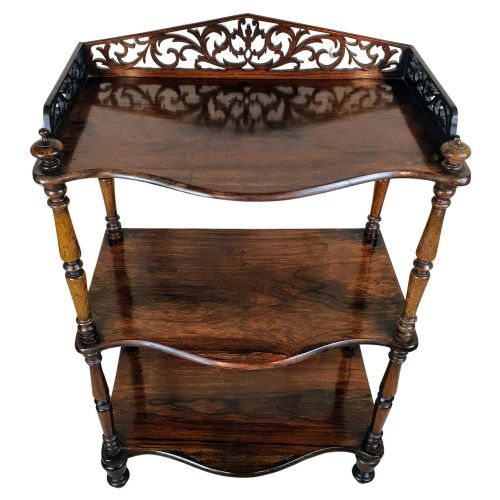
- An open set of multi-tiered shelves designed for displaying ornaments or holding books. These pieces typically feature three or four levels supported by turned columns.
- Vitrine
- A glass-fronted display cabinet intended for showcasing fine porcelain, collectibles, or books. The glazing allows maximum visibility while protecting the contents from dust.
- Torchere
- A tall, slender stand or pedestal designed to hold a lamp, vase, or decorative object. Originating in the candlelight era, they elevate focal points within a room.
- Étagère
- A piece of furniture consisting of a set of open shelves for displaying small objects. Originating in France, they often combine rosewood or mahogany with delicate structural supports.
- Padauk
- A dense, heavy tropical hardwood prized for its deep reddish-brown colour. Makers utilised this timber in prominent 19th-century shelving units and cabinets.
Dark Wood Display Stand: Frequently Asked Questions
What is a whatnot bookcase?
A whatnot bookcase is a multi-tiered open shelving unit designed to display books and decorative objects.
These pieces feature stacked platforms supported by slender turned columns, originating predominantly during the 19th century.
How do I style a display cabinet?
Display cabinets with glass doors provide a secure enclosure for delicate ceramics, glassware, or treasured books.
Balance the visual weight by varying the heights of objects on the shelves within the dark wood frame.
Where should I place a plant stand?
Plant stands and jardiniere holders elevate greenery to eye level, utilising sturdy timber bases and narrow footprints.
They fit easily into corners or beside windows where natural light supports the plants.
How do I identify a Victorian piece?
Victorian stands and cabinets often display dense carved oak, rosewood, or mahogany with rich grain patterns.
Look for structural elements like barley twist columns, brass hardware, and enclosed shelving configurations typical of the era.