

Mahogany Corner Stand
A mahogany corner stand saves space by fitting snugly into a room's architecture while displaying or storing possessions.
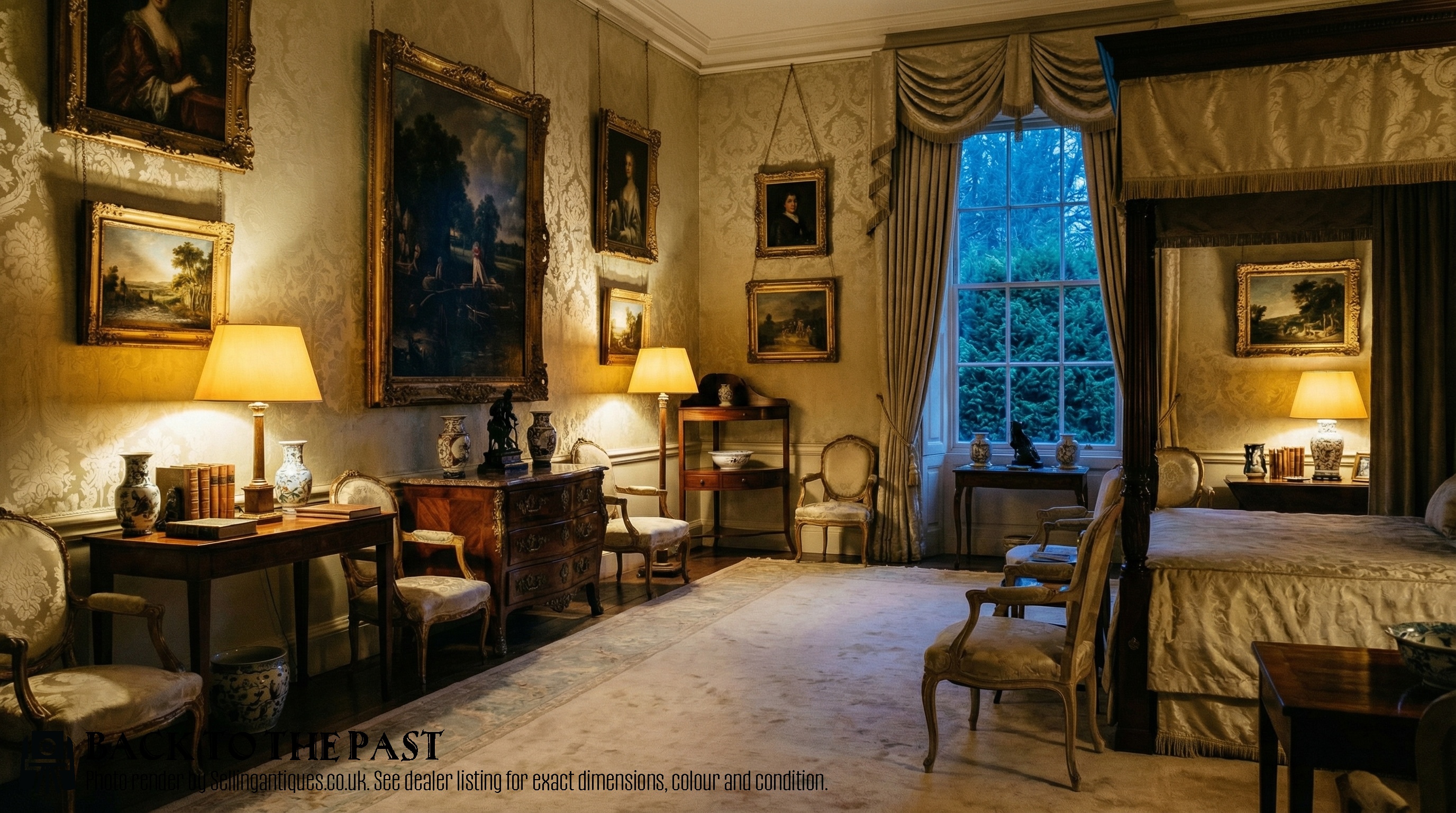
Mahogany Corner Stand
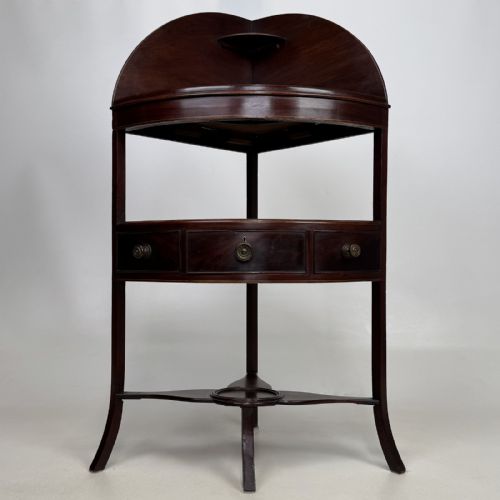
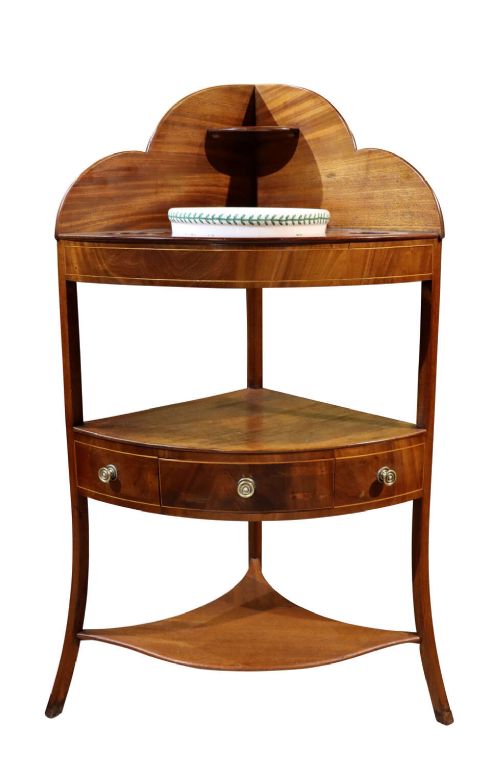
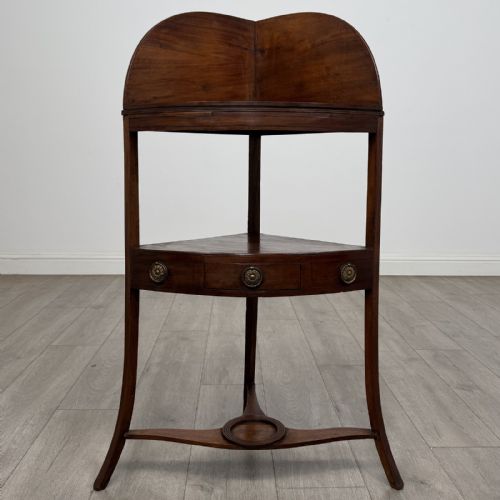
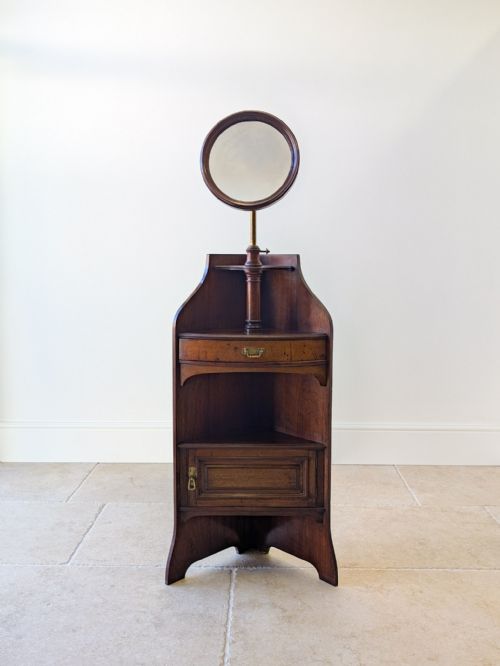
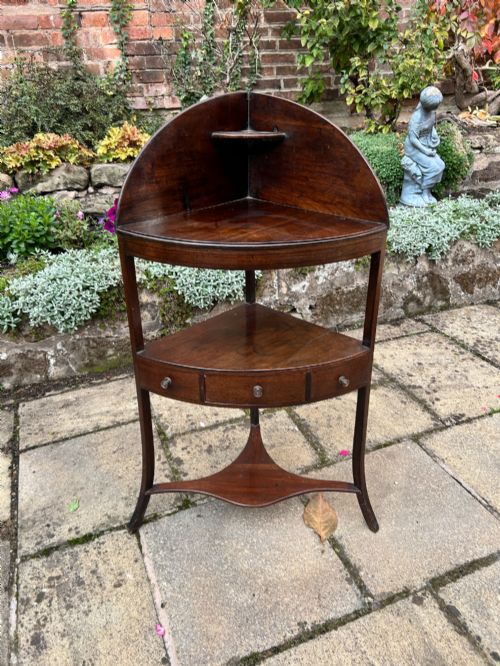
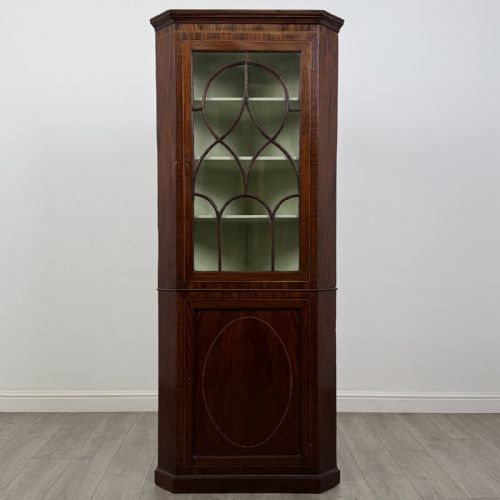
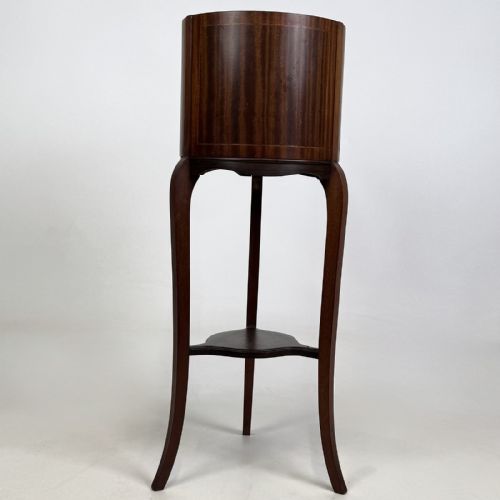
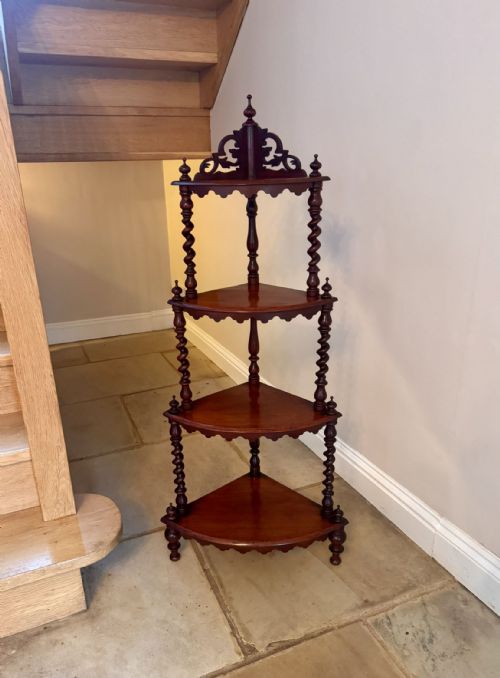
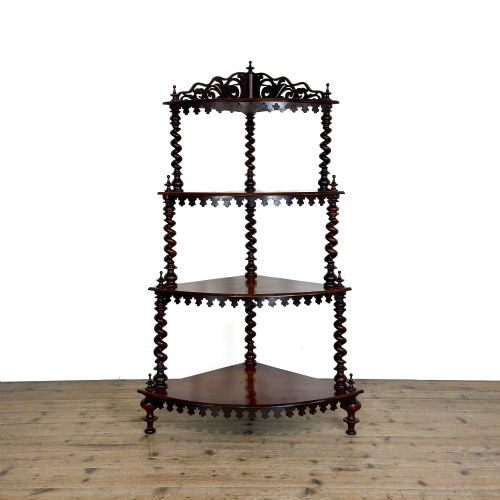
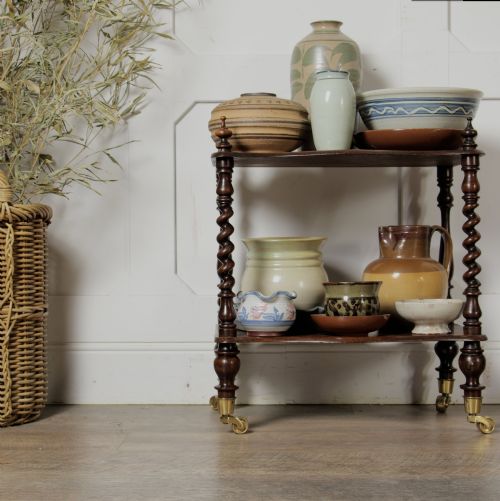
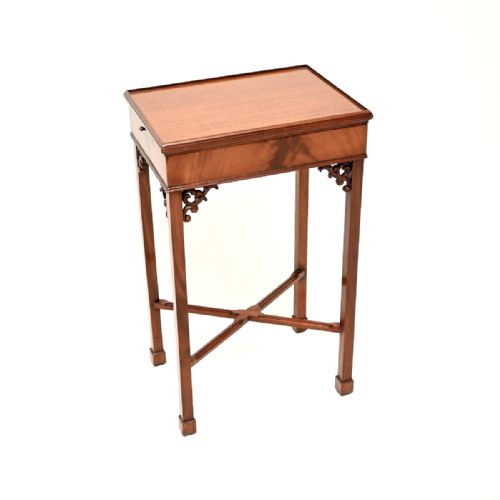
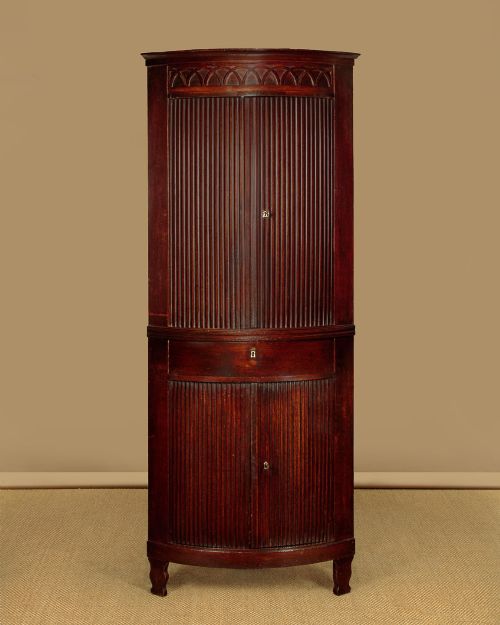
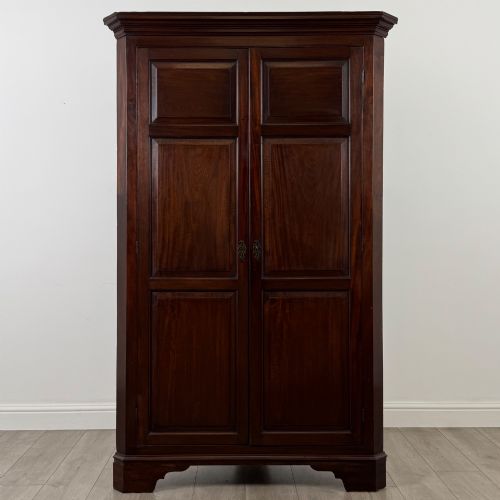
A mahogany corner stand serves multiple functional purposes, appearing frequently as a corner cupboard, washstand, or tiered whatnot designed to utilise dead space in a room. These pieces emerge from periods ranging across the eighteenth, nineteenth, and early twentieth centuries, reflecting changing domestic habits in British households.
The most common formats met on this page include Georgian floor-standing corner cupboards and washstands, alongside Victorian and Edwardian display cabinets. Makers constructed these items to fit strictly ninety-degree angles, turning awkward architectural junctions into focal points of storage and display.
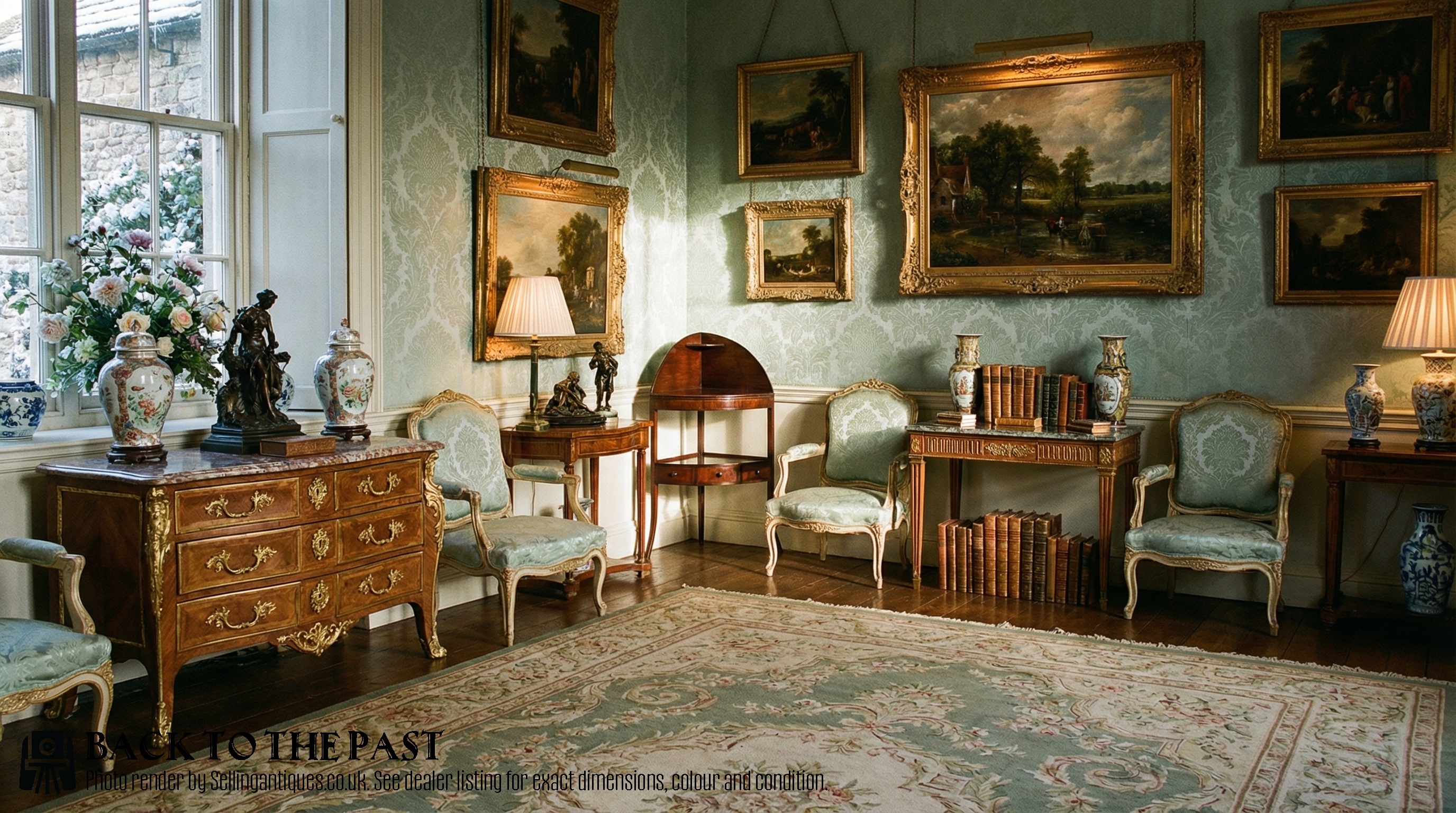
How they were made
Cabinet makers relied primarily on solid mahogany and mahogany veneers, occasionally incorporating Cuban varieties for richer grain patterns. Secondary timbers such as oak or pine appear in concealed structural areas like interior shelves and backboards.
Decoration often involved contrasting stringing and banding utilising satinwood, boxwood, and brass hardware. Glazed doors utilised astragal bars to hold individual glass panes securely within the timber frame.
Mahogany Corner Stand Retail Price Guide 2026
Typical asking prices for mahogany corner stand among the pieces listed under this phrase on Sellingantiques today, from the lower quarter to the upper quarter. They describe what is for sale here now, not the wider market.
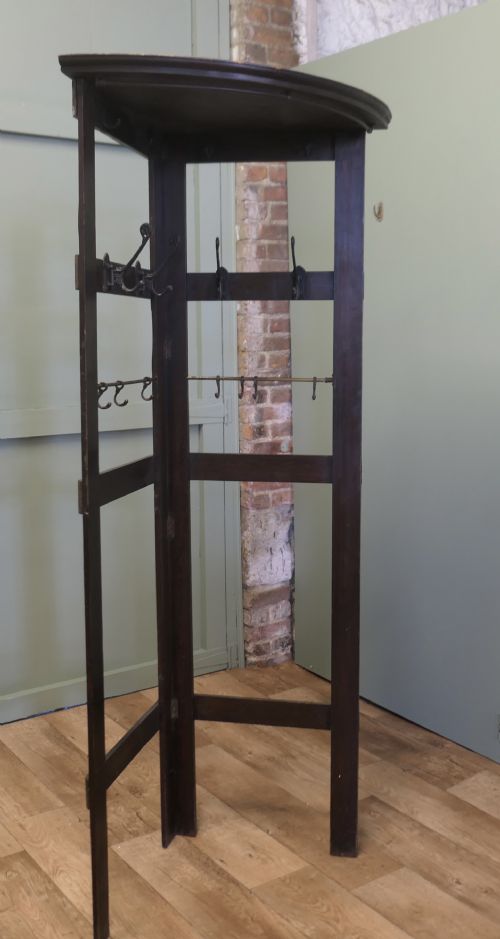
Several Victorian pieces feature umbrella racks, proving ancestors also struggled with soggy hallways on rainy afternoons.
What varies in quality
Quality rests heavily on the selection of timber figures and the precision of inlaid details like satinwood stringing. Superior examples display continuous grain matching across doors and panels, whereas simpler pieces rely on plain, utilitarian boards.
Construction methods also distinguish high-end workshops from standard production, visible in hand-cut dovetail joints on drawers and the integration of original brasses and working locks.
Gillows·Edwards & Roberts
The Mahogany Corner Stand Glossary
- Astragal
- A moulding profile used to hold glass panes within a door frame. These delicate wooden bars divide the window into smaller geometric sections.
- Whatnot
- A piece of freestanding shelving consisting of multiple tiers supported by slender uprights. Victorians utilised them for displaying ornaments and books.
- Stringing
- Thin inlay lines of a contrasting light wood, such as boxwood or satinwood, set flush into mahogany surfaces. This technique defines panel borders and geometric outlines.
Mahogany Corner Stand: Frequently Asked Questions
How do I fit a corner stand into a modern room?
These stands utilise empty room angles that standard rectangular furniture cannot occupy. Position them in dining rooms for tableware or hallways for everyday items.
Ensure you measure the wall depth and angle accurately, as older walls are rarely plumb. This prevents gaps between the backboards and the plaster.
What is the difference between a washstand and a cupboard?
Washstands typically feature cutouts in the top surface designed to hold basins, sometimes accompanied by lower shelves for jugs. Cupboards provide enclosed shelving behind solid or glazed doors for storage.
Many washstand tops were later adapted or covered when porcelain washbasins fell out of domestic fashion. Cupboards have retained their internal configuration over centuries.
How do I care for mahogany surfaces?
Keep mahogany furniture away from direct sunlight and heat sources to prevent timber shrinkage and veneer lifting. Dust regularly with a dry, soft cloth.
Apply a traditional beeswax polish sparingly every few months to nourish the wood. Avoid silicone-based sprays that build up residue over time.
Can I store heavy items inside an antique corner cabinet?
Georgian and Victorian corner cupboards generally feature sturdy fixed internal shelving supported on wooden brackets. They safely hold books, ceramics, and glassware.
Distribute heavier items on the lowest shelves to maintain stability. Overloading upper tiers can stress historical fixings and structural joints.