


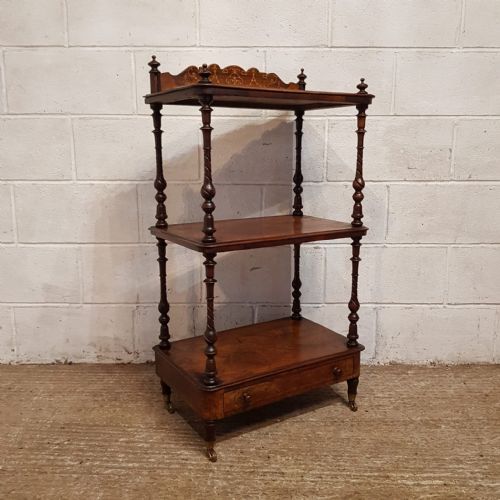
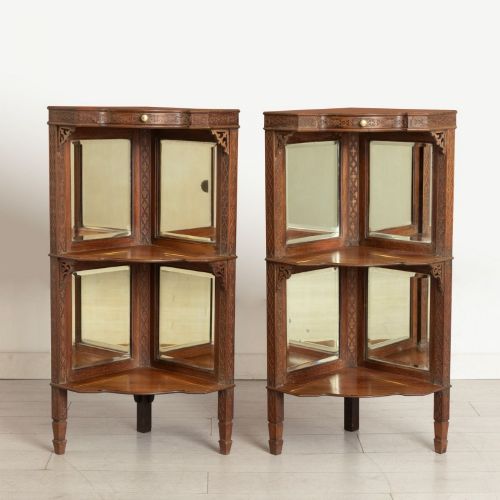
Antique Corner Shelf
These antique corner shelf pieces turn neglected angles into display space, offering timber construction from the Georgian and Victorian eras.
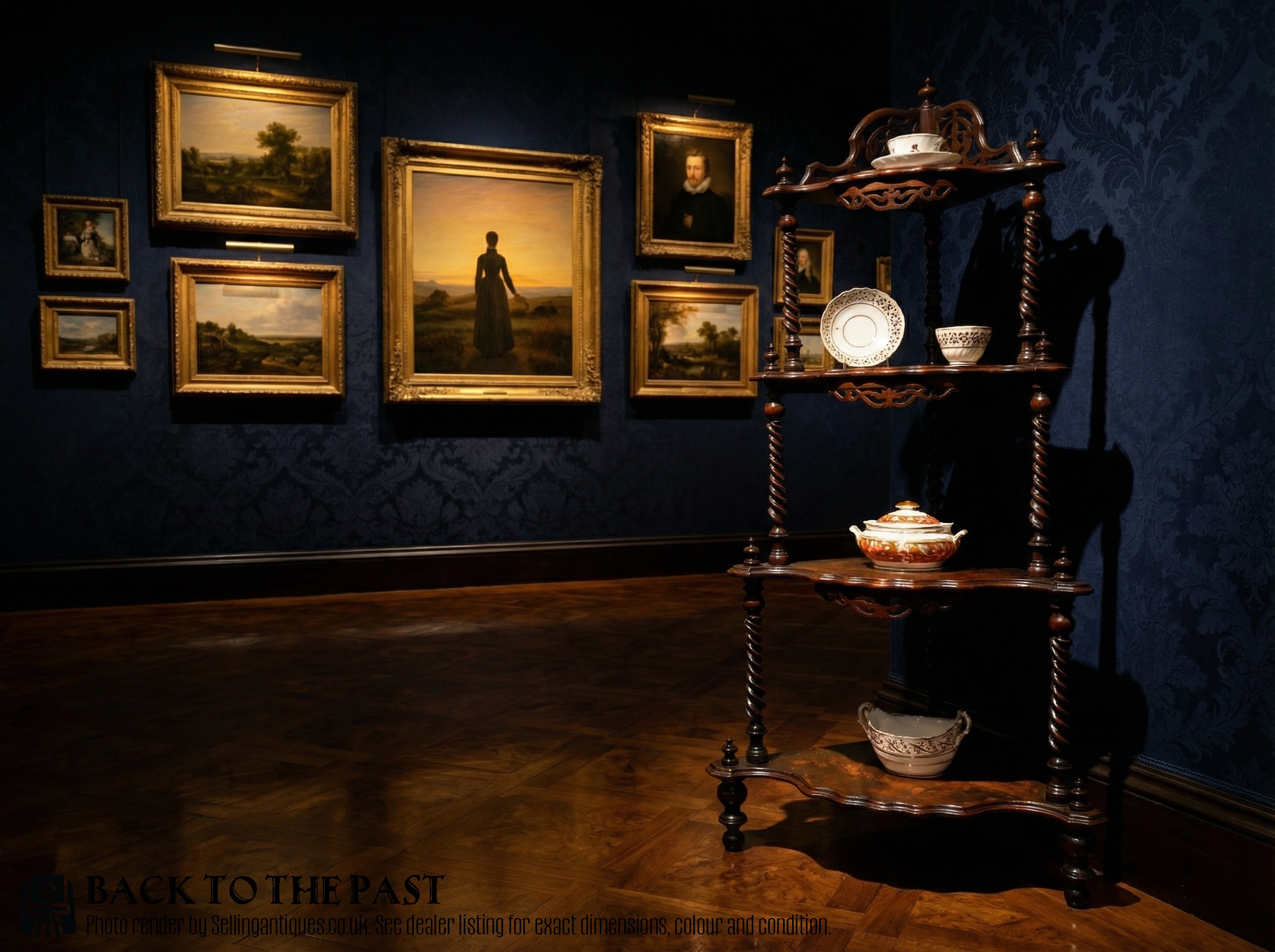
What an antique corner shelf is
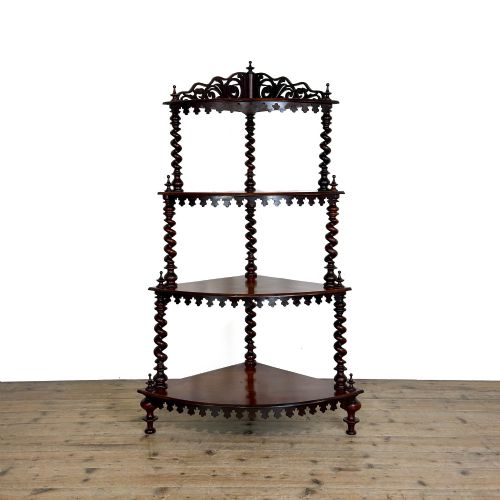
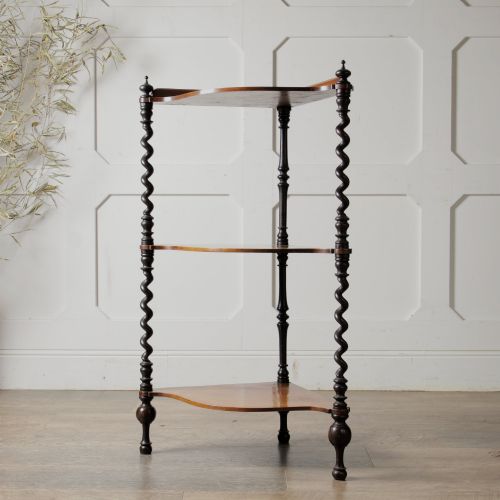
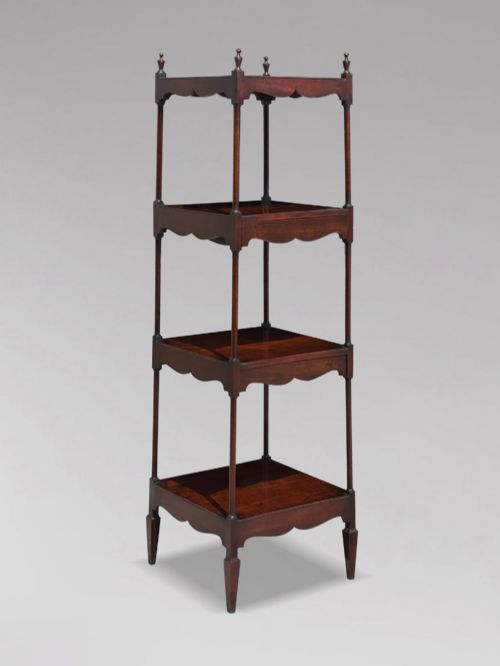
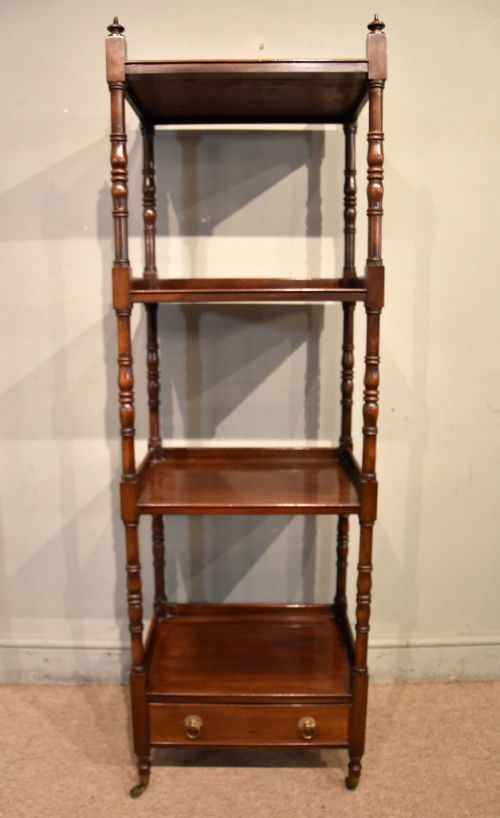
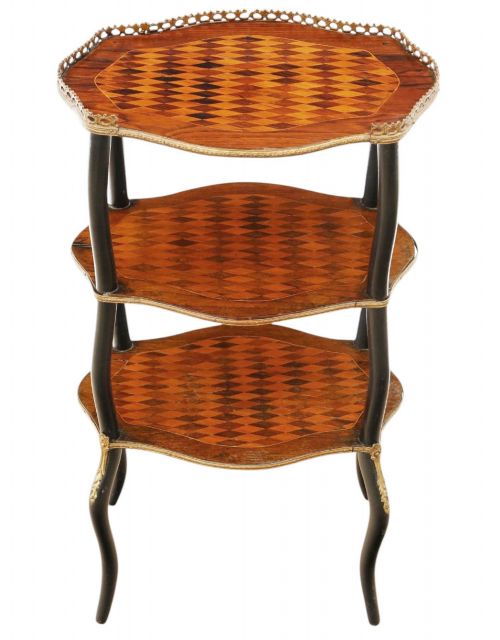
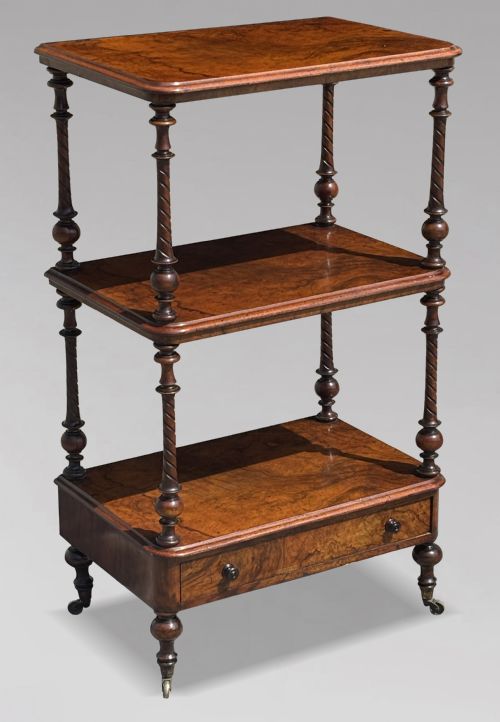
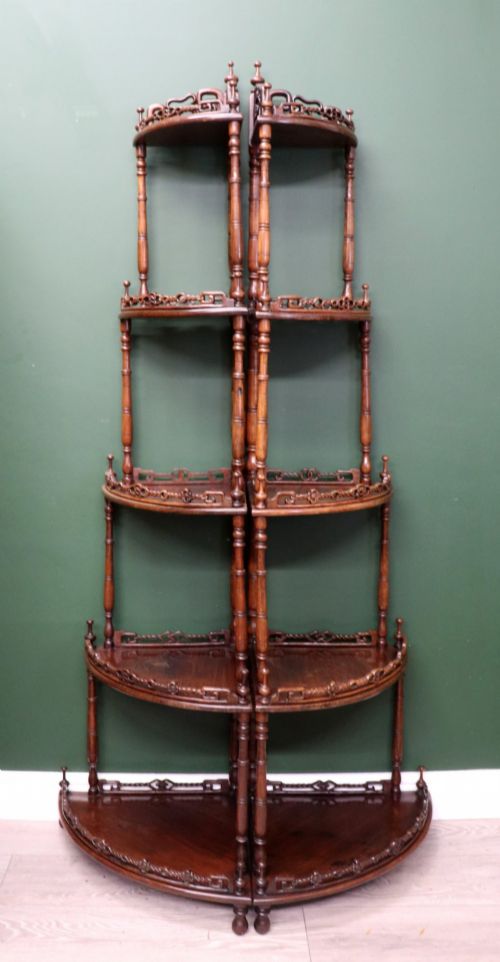
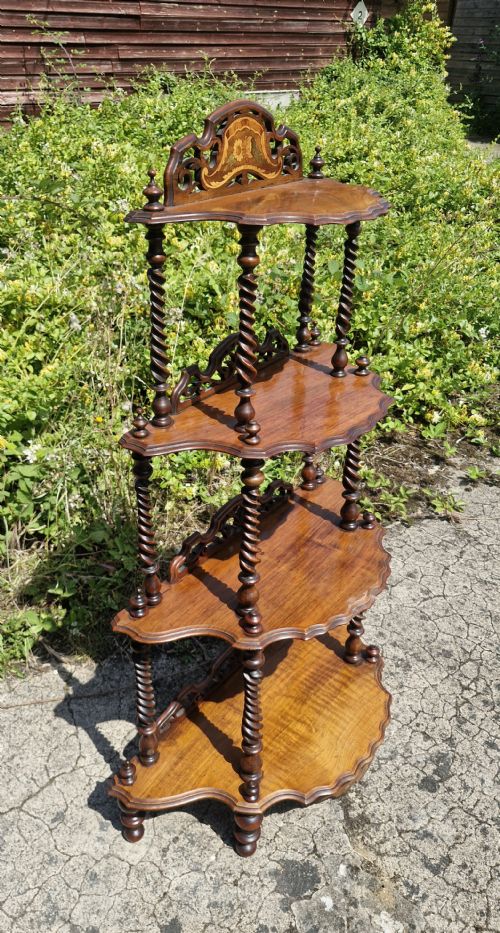
An antique corner shelf turns wasted room angles into functional vertical storage, appearing across Georgian, Regency, and Victorian periods. You will most frequently meet tiered whatnots, hanging cabinets, and open display stands designed to fit neatly into domestic corners.
Makers produced these units in forms ranging from simple bamboo stands to sophisticated tambour-fronted cupboards and multi-tiered rosewood furniture. The selection spans English workshop traditions alongside pieces influenced by Japanese Shibayama and Moorish tastes.
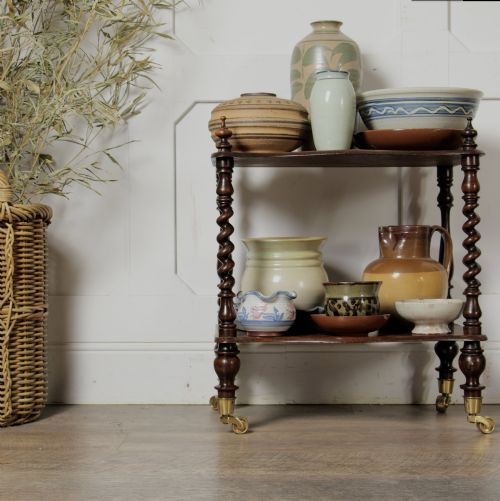
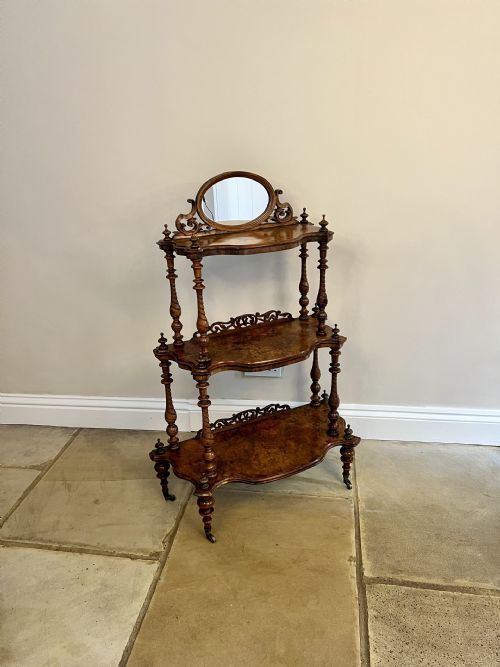
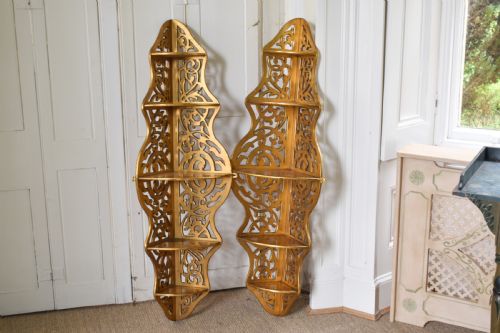
Wall brackets and mirrored display units provide lighter alternatives to heavy floor-standing cabinets. Each format serves the fundamental purpose of holding ornaments, books, or tableware without crowding floor space.
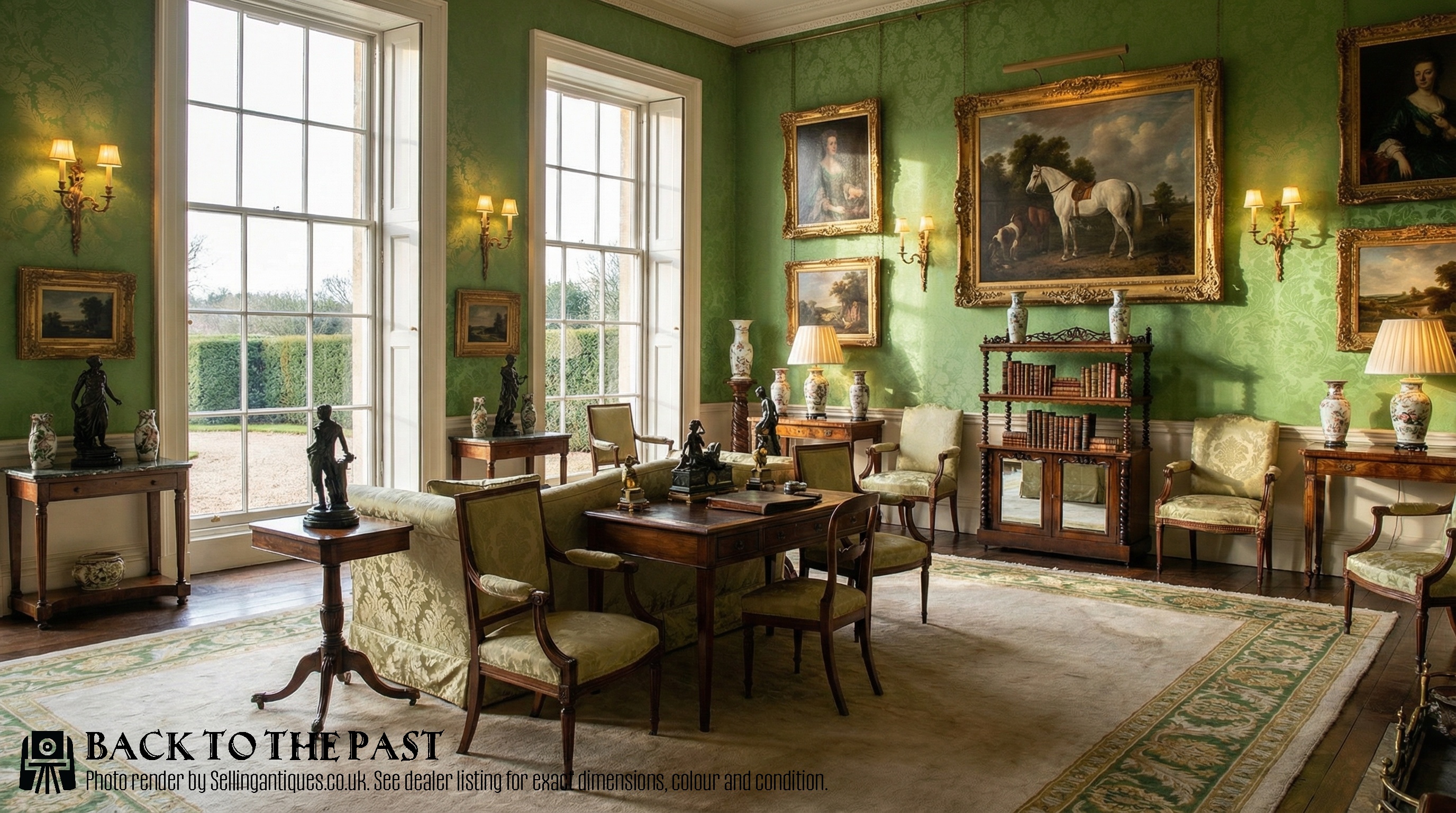
Materials and construction methods
Carpenters utilised dense hardwoods like mahogany, walnut, rosewood, and oak for structural durability and rich grain appearance. Lighter materials such as bamboo, rattan, and papier-mâché appeared in later Victorian iterations.
Cabinetmakers employed techniques like tambour fronts for concealed storage and applied gilt gesso for decorative wall brackets. Glass, mirrored panels, and brass hardware frequently finished pieces destined for formal reception rooms.
Retail Price Guide 2026
Typical UK retail prices for corner shelf, calculated from the Sellingantiques database of over a million retail prices indexed since 2003. This retail price guide relies exclusively on Sellingantiques data; no external sources or auction records are used, so the figures do not describe the wider market.
Periods represented across the inventory include Georgian, Regency, Victorian, and nineteenth-century designs.
Distinctions in craftsmanship
Superior examples demonstrate careful timber selection, where mahogany or rosewood grain flows purposefully across structural tiers and door panels. Lesser pieces rely on simpler construction using secondary woods or basic bamboo assembly.
The sophistication of decorative flourishes separates standard items from exceptional ones, particularly hand-carved details, integrated mirrors, and intricate tambour mechanisms. Structural integrity in tiered whatnots depends entirely on the precision of the corner joints and vertical supports.
The Antique Corner Shelf Glossary
- Whatnot
- A multi-tiered open piece of furniture designed for displaying ornaments and small objects. This form became particularly popular during the Victorian era for corner placement.
- Tambour
- A flexible door constructed from narrow strips of wood glued to canvas, allowing smooth sliding movement around curved cupboard fronts. Georgian cabinetmakers utilised this technique for secure storage.
- Gesso
- A plaster-like material applied to wood surfaces and carved or moulded before gilding. Regency mirrored brackets often featured this finish to catch candlelight.
- Padouk
- A dense tropical hardwood prized for its reddish-brown colour and durability. West African variations appear in certain nineteenth-century shelving pieces.
- Shibayama
- A decorative inlay technique using mother-of-pearl, ivory, and tortoiseshell set into a wooden base. Japanese export pieces incorporate this distinct ornamentation.
Frequently Asked Questions
How do I secure a heavy corner cabinet to the wall?
Wall-mounted cupboards and brackets require proper fixings screwed directly into structural studs or masonry behind the plaster. Heavy timber units need weight-bearing brackets hidden beneath the lowest shelf to ensure stability.
Freestanding whatnots and floor stands use their multi-tiered design for balance, but taller pieces benefit from discreet wall tethers to prevent tipping on uneven floors.
What is the difference between a whatnot and a corner cupboard?
A whatnot consists of open tiered shelves intended exclusively for displaying decorative objects, books, or collections. They offer no enclosed storage space and keep contents visible from all angles.
Corner cupboards feature doors, such as tambour fronts or solid timber panels, designed to keep contents dust-free and out of sight. Georgian and Victorian rooms utilised both types depending on whether the owner wished to exhibit or conceal possessions.
How do I identify a Georgian corner shelf from a Victorian one?
Georgian pieces typically feature solid mahogany or oak construction with architectural mouldings, brass H-hinges, and functional tambour doors. Their proportions reflect classical design principles with restrained ornamentation.
Victorian examples embrace a wider variety of materials, including bamboo, walnut, papier-mâché, and rosewood. They frequently incorporate global design influences such as Moorish fretwork or Japanese Shibayama inlay alongside multi-tiered shelving formats.
Where should I place a corner shelf in a modern room?
These units perform best in dead angles, narrow hallways, or empty dining room corners where standard rectangular furniture will not fit. Hanging cabinets and wall brackets free up floor area entirely while drawing the eye upward.
Pairing a tiered whatnot with proper room lighting highlights the wood grain and any decorative objects placed upon the shelves. Ensure the piece matches the scale of the corner so it neither dominates nor gets lost in the space.