



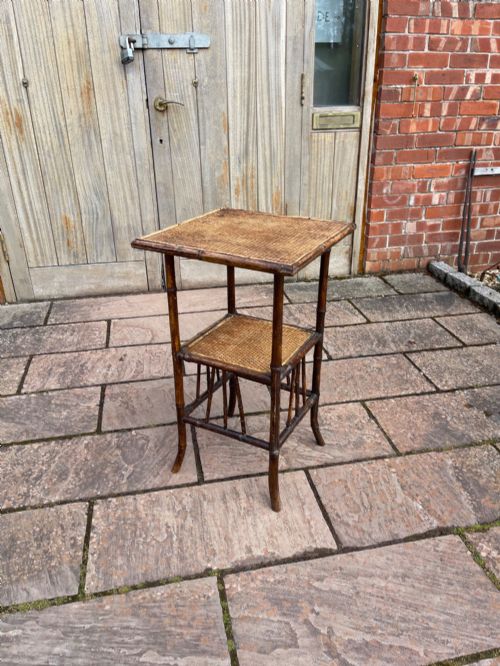


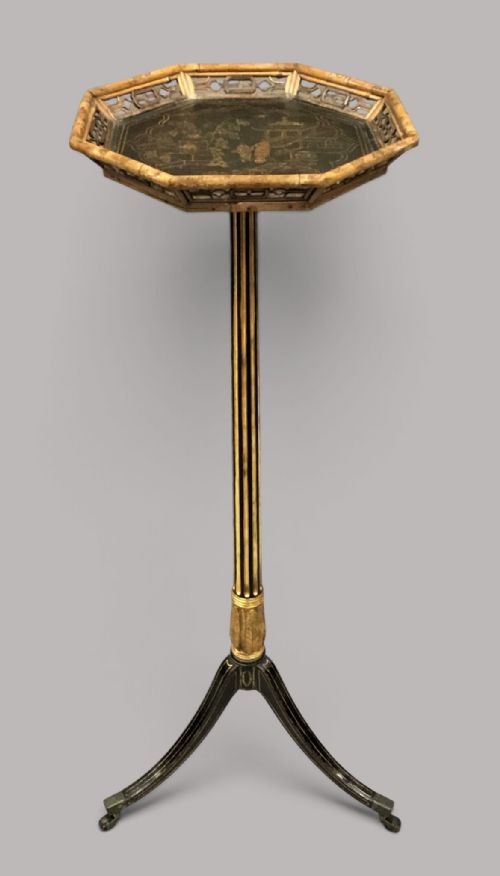

Bamboo Plant Stand
A bamboo plant stand brings natural texture and upright form into a room, holding greenery with lightness and stability.
Bamboo Plant Stand
A bamboo plant stand is typically a tall or tiered piece designed to elevate flora, drawing on 19th Century and Victorian tastes. When you search for a bamboo plant stand, you encounter pieces spanning the Victorian Aesthetic Movement alongside Chinese hardwoods and lacquer.
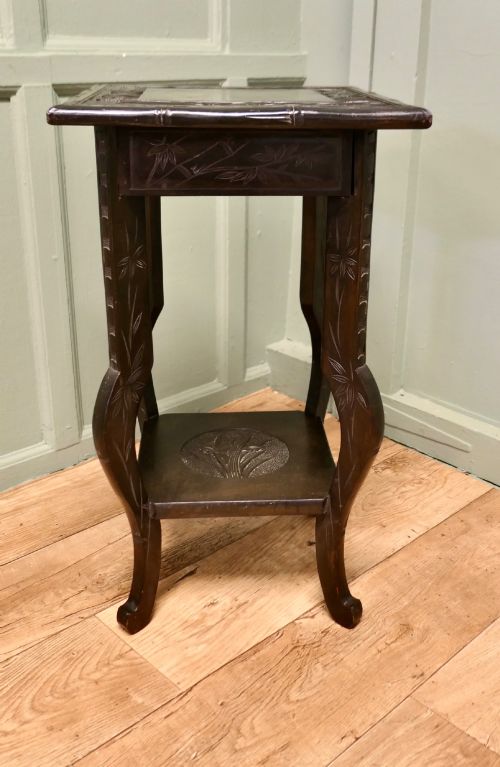
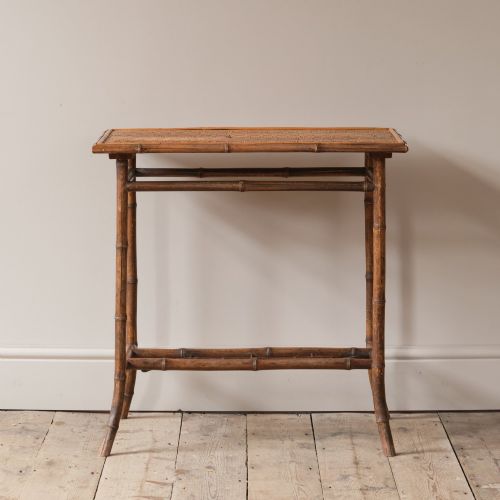
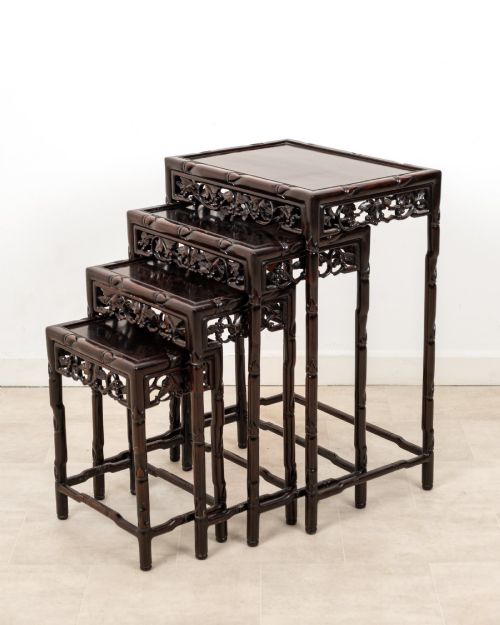
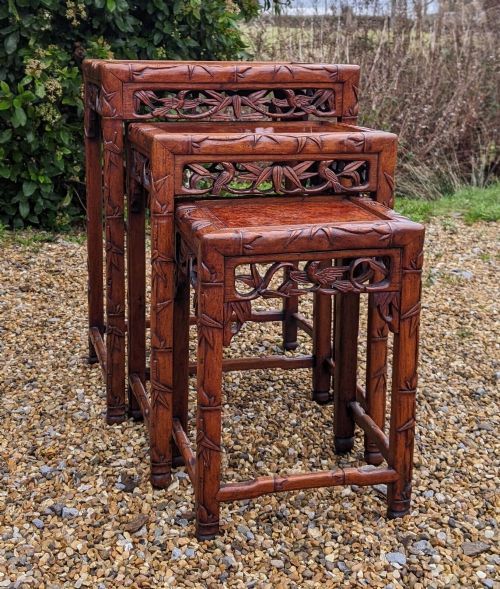
The materials range from traditional bamboo and tiger bamboo to dense hongmu and huanghuali wood, often paired with marble inserts or lacquer panels. Forms vary from simple triangular stands and torcheres to occasional tables and nests.
Many examples arrive from the late 19th Century, reflecting global trade influences and domestic conservatory culture. You also find early 20th Century variants incorporating hessian, leather, or decoupage alongside English and French interpretations.
Materials and construction methods
Construction relies heavily on natural bamboo canes joined securely to form rigid frames, frequently complemented by lacquered panels and leather or hessian inserts. Makers also utilised hardwoods such as hongmu and huanghuali, applying intricate carving techniques seen in Qing Dynasty pieces.
Surface decoration includes traditional Japanese-inspired lacquer work, decoupage, and mother-of-pearl inlay embedded within heavy timber structures. Marble tops and tiled surfaces provide durable, cooling platforms suited for holding wet flower pots and heavy jardinières.
Bamboo Plant Stand Retail Price Guide 2026
Typical asking prices for bamboo plant stand among the pieces listed under this phrase on Sellingantiques today, from the lower quarter to the upper quarter. They describe what is for sale here now, not the wider market.
Listings feature pieces spanning the 19th Century, Victorian era, and early 20th Century, constructed from bamboo, hardwood, lacquer, and marble.
Judgements of quality
Quality rests upon the integrity of the joinery and the selection of materials, whether dealing with flexible bamboo canes or dense, carved hardwoods. Superior pieces display thoughtful proportioning, stable balance under weight, and refined surface ornament such as crisp lacquer or genuine mother-of-pearl inlay.
The distinction between standard utility items and finer pieces often lies in the secondary details, including the presence of inset marble, hand-carved panels, or branded provenance. Well-executed construction ensures the tall, slender legs of a torchere or plant stand withstand daily use without developing looseness.
Liberty & Co.·Liberty of London
The Bamboo Plant Stand Glossary
- Torchere
- A tall, slender stand designed to hold a light or a plant. These elevated pieces are typically circular or polygonal and originate across 19th Century English and continental workshops.
- Hongmu
- A traditional Chinese term for dense, reddish-hardwoods. Artisans used these heavy timbers for intricately carved plant stands and nesting tables.
- Aesthetic Movement
- A late 19th Century design philosophy prioritising visual beauty over narrative function. Pieces from this period often incorporate Japanese-inspired motifs and tiger bamboo.
- Jardiniere
- An ornamental pot or stand for holding plants and flowers. These items sit centrally within the Victorian conservatory and drawing room tradition.
Bamboo Plant Stand: Frequently Asked Questions
How do I care for a bamboo plant stand?
Keep the cane dry and dust it gently with a soft cloth to preserve the natural surface finish. Avoid placing damp pots directly on vulnerable lacquer or unsealed wood.
Condition can be maintained by feeding dry bamboo occasionally with suitable oils or wax where appropriate. Stable indoor humidity prevents the natural cane from splitting over time.
Were these stands only used for plants?
While originally built to elevate potted ferns and jardinières, many served as lamp tables or display surfaces for ornaments. Their multi-tiered design made them versatile additions to the Victorian drawing room.
Today they function equally well holding books, small sculptures, or modern lighting. Their narrow footprint allows them to fit easily into corners and hallways.
How do I date an antique bamboo stand?
Dating relies on examining construction methods, joining pins, and the style of decoration applied to panels or shelves. Late 19th Century pieces frequently align with the Victorian Aesthetic Movement.
Makers' marks or stamps, when present, offer definitive production eras. Comparing the hardware and timber types against documented periods narrows down the decade of manufacture.
What is tiger bamboo?
Tiger bamboo refers to cane featuring mottled, variegated markings that resemble a tiger's stripes. This natural patterning was highly sought after by Victorian makers for its decorative impact.
Pieces utilising this material often date to the height of the Aesthetic Movement. The distinct coloration requires no artificial staining to achieve its visual contrast.