



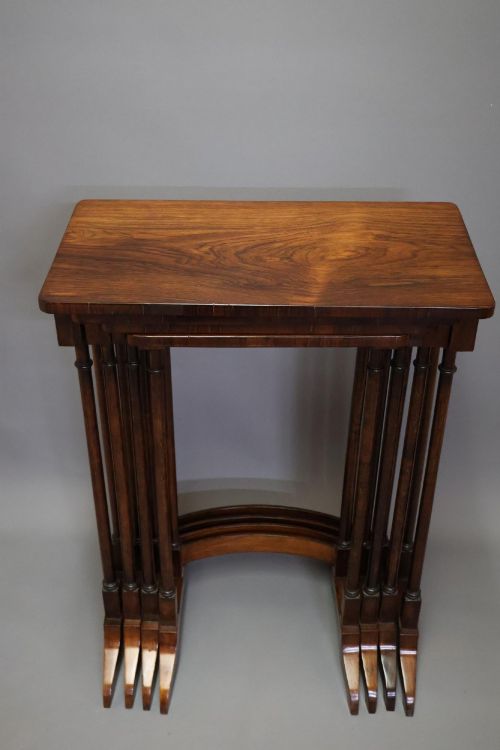


Bamboo Lamp Table
A bamboo lamp table brings lightweight utility and distinctive Victorian character into a room.
Bamboo Lamp Table
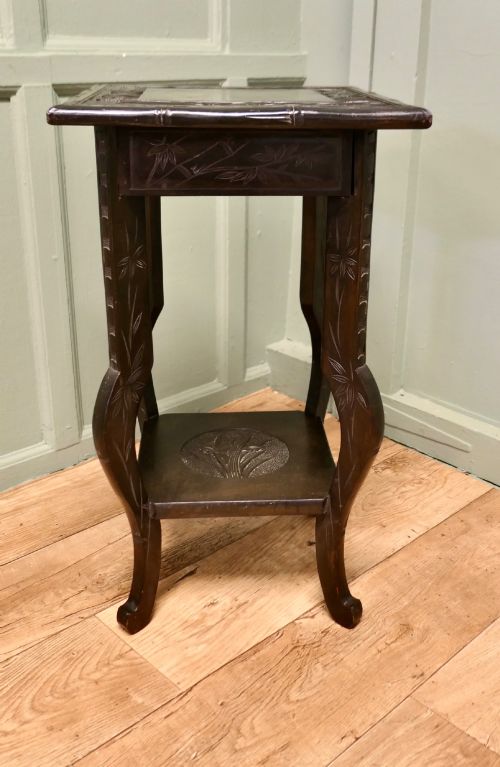
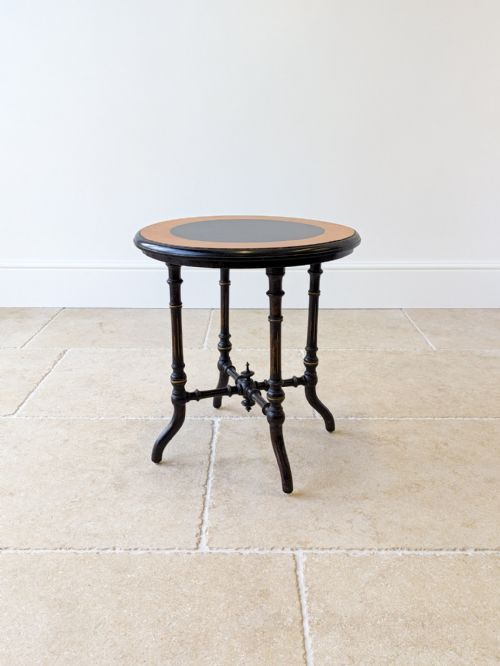
A bamboo lamp table is a practical occasional piece designed to hold lighting or display decorative objects while adding a tactile element to an interior. The pieces that appear most frequently on this page date from the Victorian era and the nineteenth century, often reflecting the Aesthetic Movement through their orientalist inclinations.
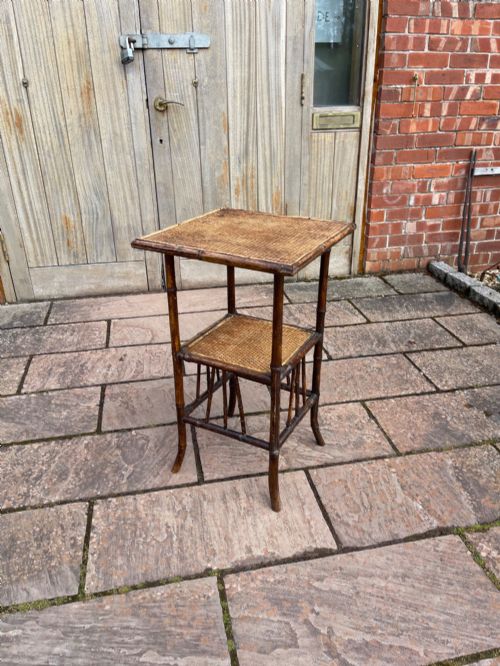
Most examples function as side tables, occasional tables, or two-tier stands suited for compact spaces. They emerge in various forms, including octagonal tops, folding stands, and multi-tiered configurations intended for display and everyday use.
Originating in English and continental workshops during the late nineteenth and early twentieth centuries, these tables combine domestic utility with exotic visual appeal. Buyers encounter pieces decorated with lacquer, woven cane, and decoupage alongside simpler structural designs.
Materials and construction
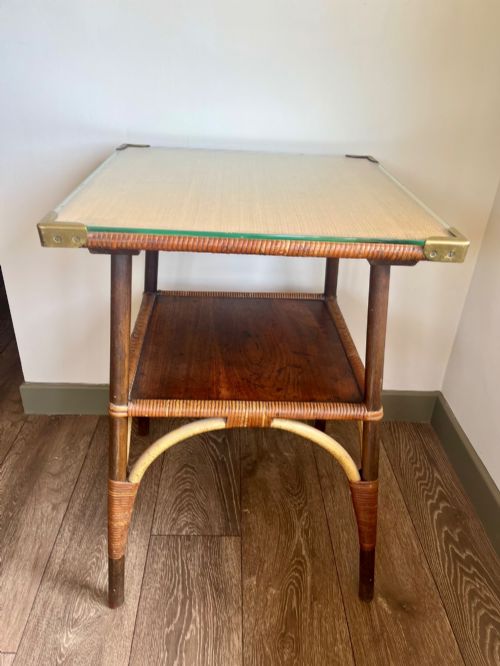
The primary structure relies on natural bamboo and rattan, bent and joined to form rigid frames. Artisans integrated secondary materials such as wood, woven cane, paper, and leather to create contrasting surfaces and panels.
Finishing techniques included dark or patterned lacquer, applied to tops and shelves to introduce rich colour and protective sheen. Some pieces incorporate brass fittings, ceramic elements, or bronze mounts to secure joints and enhance the decorative vocabulary.
Bamboo Lamp Table Retail Price Guide 2026
Typical asking prices for bamboo lamp table among the pieces listed under this phrase on Sellingantiques today, from the lower quarter to the upper quarter. They describe what is for sale here now, not the wider market.
Some tables double as multi-tiered display stands, proving the Victorians had a profound obsession with putting things on other things.
Assessing quality and craftsmanship
Superior examples distinguish themselves through the tightness of their joinery and the rigidity of the bamboo framework under weight. Finer pieces maintain structural balance across multiple tiers without wobble or excessive flex in the uprights.
The refinement of the surface decoration separates standard utilitarian items from exceptional works. Hand-applied lacquer, detailed decoupage, and integrated leather or brass components demonstrate a higher level of artisanal care during construction.
Liberty & Co.·WF Needham·Maison Bagues
The Bamboo Lamp Table Glossary
- Bamboo
- A woody grass utilised for its lightweight strength and flexibility in furniture construction. It forms the primary structural skeleton for these occasional and side tables.
- Occasional table
- A small, movable table designed for specific, intermittent tasks such as holding a lamp or book. These pieces move easily about a room to suit changing needs.
- Aesthetic Movement
- A late nineteenth-century design current emphasising visual beauty over narrative meaning. It often drew inspiration from Japanese and Chinese decorative arts.
- Two-tier
- A configuration featuring a main upper surface and a secondary lower shelf supported by the frame. This layout provides extra space for display while maintaining a compact footprint.
- Decoupage
- The art of decorating a surface by applying paper cutouts and sealing them with layers of lacquer or varnish. It appears on tabletops to add pictorial detail.
Bamboo Lamp Table: Frequently Asked Questions
What rooms suit a bamboo lamp table?
These pieces fit naturally beside seating in a living room, study, or bedroom where a compact surface is useful. Their light proportions prevent them from overwhelming smaller spaces.
The oriental styling and varied materials also allow them to act as distinct accent pieces against heavier, traditional furniture.
How do I care for bamboo furniture?
Keep the wood and bamboo dry, dusting regularly with a soft cloth to prevent dirt from settling in the natural grains and joints. Avoid placing them in direct sunlight or near heat sources, which can dry out the material.
Condition lacquered or leather surfaces gently with appropriate treatments to maintain the finish without damaging the original material.
Are these tables sturdy enough for daily use?
Nineteenth-century bamboo furniture is surprisingly resilient when constructed well, easily supporting lamps, books, and decorative objects. The multi-tiered versions distribute weight across lower shelves for added stability.
However, they remain lighter than solid hardwood furniture and benefit from sensible placement away from heavy traffic areas.
How can I tell the period of a table?
Dating relies on stylistic clues such as the presence of Victorian Aesthetic Movement motifs, specific lacquer techniques, and construction methods. Nineteenth-century examples often display hand-finished joints and materials typical of English and French workshops of the era.
Later Edwardian versions may incorporate cane or simulated bamboo elements reflecting changing tastes into the early twentieth century.