




Liberty and Co Table
When seeking a liberty and co table, a buyer encounters distinctive furniture uniting British retail vision with global artisan traditions.
Liberty and Co Table
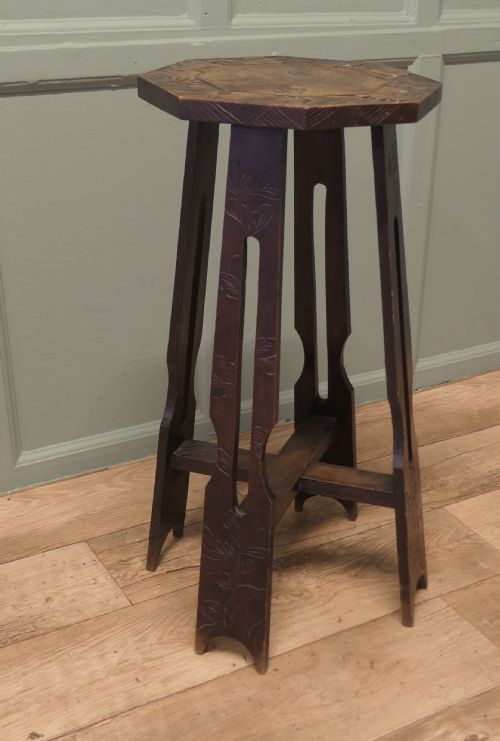
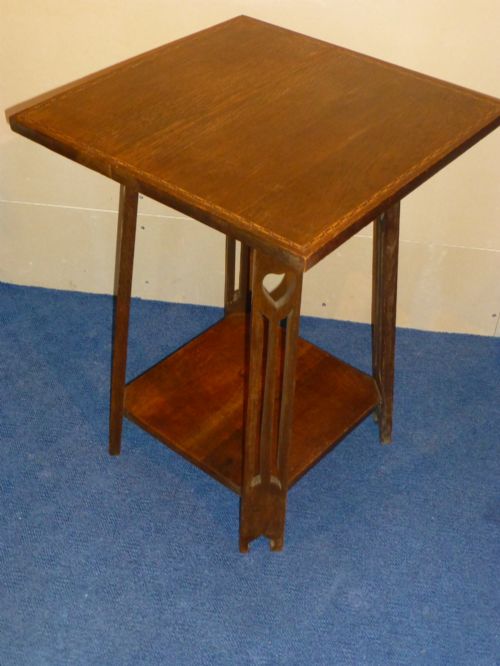
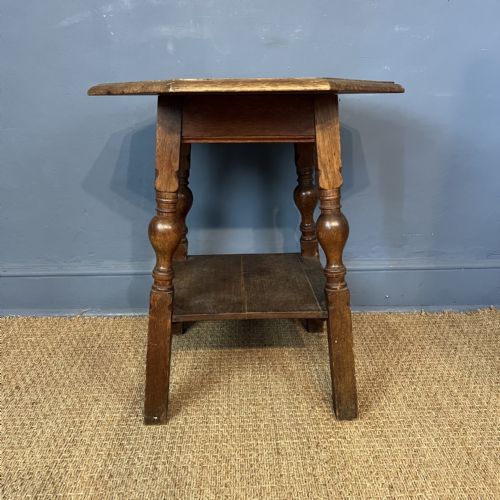
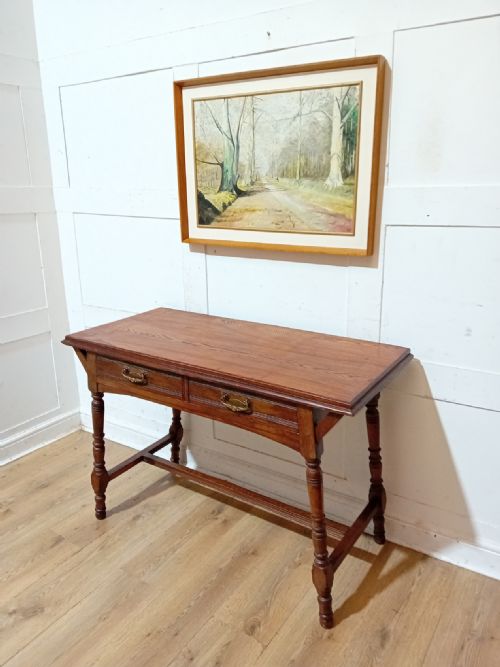
A liberty and co table encompasses domestic surface furniture retailed by the London emporium, spanning side tables, occasional tables, and plant stands. The forms range from plain oak vernacular to elaborate imported designs reflecting late nineteenth and early twentieth century tastes.
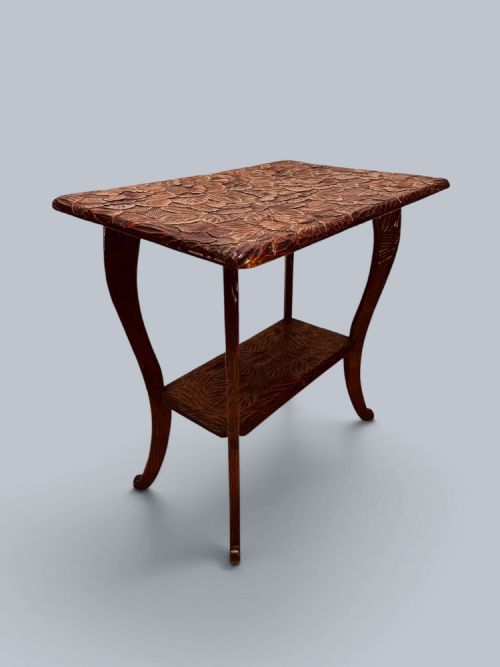
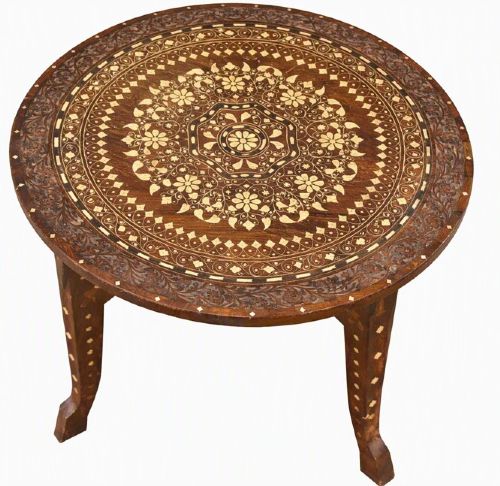
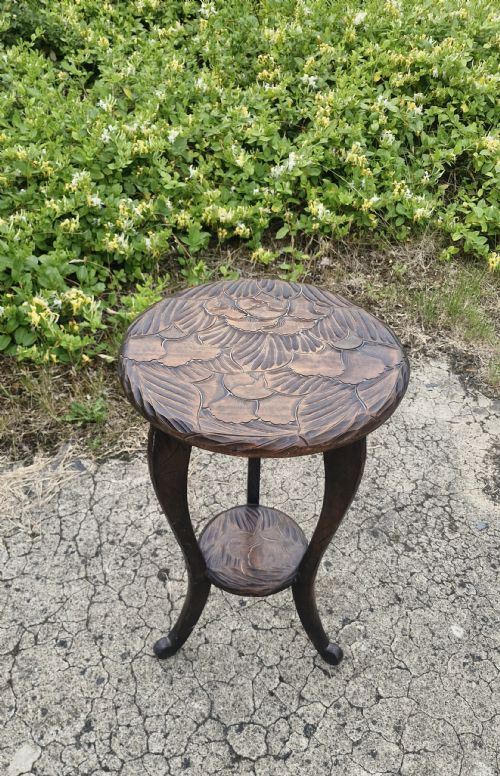
The most common examples encountered in this category include oak occasional tables in the Arts and Crafts manner alongside hexagonal and octagonal Moorish or Anglo-Indian carved tables. These pieces served functional roles in domestic interiors as tea tables, display surfaces, and smoking tables.
The production periods cluster around the late nineteenth century and the Edwardian era, drawing on stylistic movements from Aesthetic to Mid-Century Modern. Surviving items demonstrate how the firm absorbed international woodworking traditions and filtered them through British design sensibilities.
How They Were Made
Construction relies heavily on solid oak, ash, walnut, and ebonised wood, often augmented by exotic hardwoods for imported oriental models. Artisans employed traditional joinery techniques such as mortise and tenon for British pieces, while overseas workshops utilised intricate hand carving and geometric lattice work.
Surface ornamentation distinguishes many examples, incorporating bone inlay, mother-of-pearl, chequered stringing, and metal elements like copper tops or pewter inserts. Ebonised finishes and applied mouldings appear frequently on pieces influenced by Japanese and Moorish aesthetics.
Liberty and Co Table Retail Price Guide 2026
Typical asking prices for liberty and co table among the pieces listed under this phrase on Sellingantiques today, from the lower quarter to the upper quarter. They describe what is for sale here now, not the wider market.
Listings feature items spanning the late nineteenth century through to the mid-twentieth century, dominated by oak, walnut, and ebonised wood.
What Varies in Quality
The standard of design execution and material selection dictates the standing of individual pieces within this category. Tables designed by notable architects or associated workshops demonstrate superior proportion, considered grain selection, and refined structural detailing.
The complexity and precision of decorative work, such as hand-carved foliage or precise bone inlay, separate standard commercial output from exceptional retail stock. Original surface patination and the presence of maker stamps or paper labels influence historical integrity.
William Birch·Archibald Knox·David Veasey·Leonard Wyburd
The Liberty and Co Table Glossary
- Arts and Crafts
- A design movement promoting handcraftsmanship, simple vernacular forms, and vernacular materials. It rejected mass production in favour of visible construction and honest utility.
- Moorish Revival
- An architectural and decorative style incorporating Islamic architectural elements, geometric patterns, and intricate fretwork. This aesthetic influenced imported occasional tables and smoking furniture.
- Anglo-Japanese
- A nineteenth century style combining British structural forms with Japanese decorative motifs, lacquer work, and asymmetry. The aesthetic emerged from international trade exhibitions and a fascination with Eastern design.
- Tudric
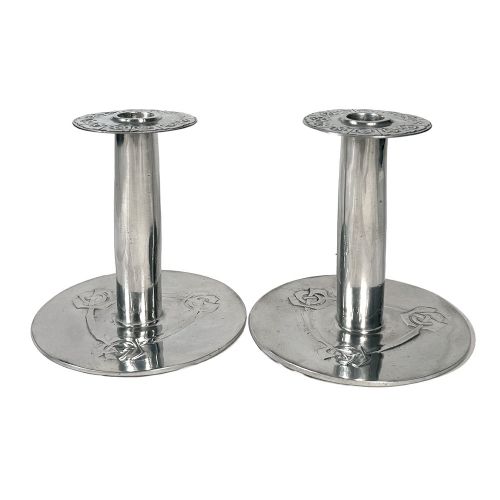
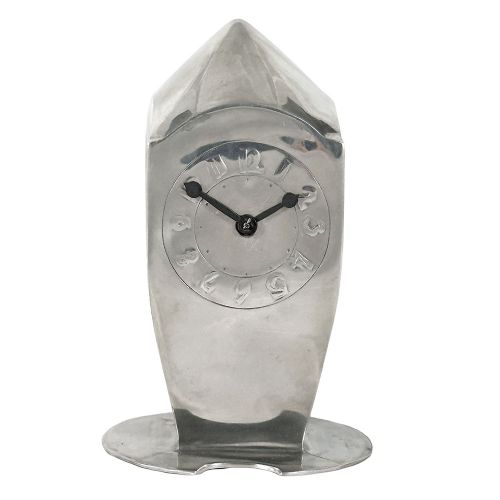
- A brand name used for pewter hollowware and metalwork retailed through the London store. It often incorporated enamel or abalone cabochons executed by notable designers.
- Occasional table
- A small movable table designed for a specific, transient purpose such as holding drinks, books, or decorative objects. These surfaces formed a staple of Victorian and Edwardian domestic interior arrangements.
Liberty and Co Table: Frequently Asked Questions
How do I identify an original piece?
Look for stamped maker marks, registration numbers, or retailer labels embedded in the woodwork or metal components. Construction methods, timber selection, and stylistic alignment with known design portfolios also help verify authenticity.
Compare the proportions and decorative motifs against documented examples from the firm's catalogues. Archival records provide reliable benchmarks for confirming attribution to specific designers or workshops.
What styles are most common?
Arts and Crafts oak tables and Moorish carved occasional tables appear most frequently in the inventory. These styles represent the dual strands of British vernacular revival and exotic import promoted by the retailer.
Japanese-influenced designs and Aesthetic Movement ebonised pieces also populate the selection. Each style reflects the changing tastes of domestic interiors across the turn of the twentieth century.
How should I care for antique wood surfaces?
Maintain stable indoor humidity levels and keep wooden furniture away from direct heat sources to prevent timber splitting or warping. Dust regularly with a soft, dry cloth and avoid silicone-based polishes that build up over time.
Apply occasional applications of traditional beeswax to nourish unsealed or polished hardwood surfaces. Handle inlaid sections and delicate bone work with care during cleaning to prevent displacement.
Were these items made in Britain?
Manufacturing origin varied considerably depending on the specific style and period of the furniture. British workshops produced the oak and ash Arts and Crafts tables domestically, often through contracted makers.
Conversely, Moorish, Anglo-Indian, and Japanese tables were imported directly from overseas artisans working in traditional regional styles. The retailer acted as both manufacturer and importer, curating diverse global crafts for the British market.