
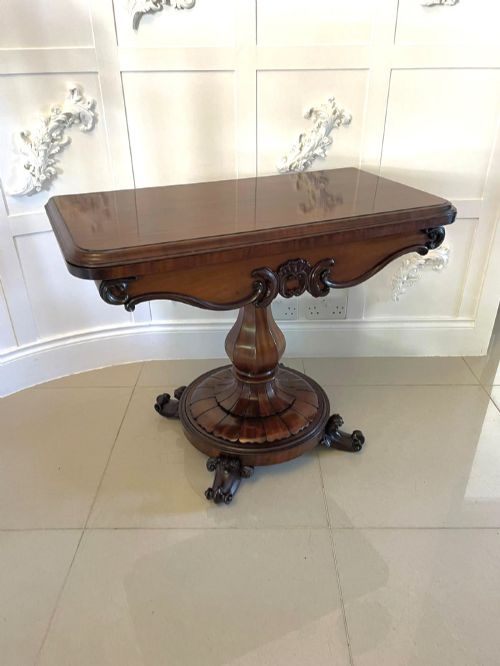
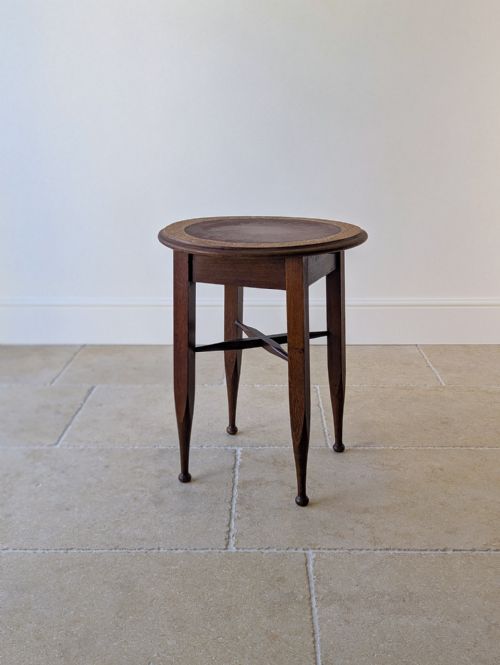
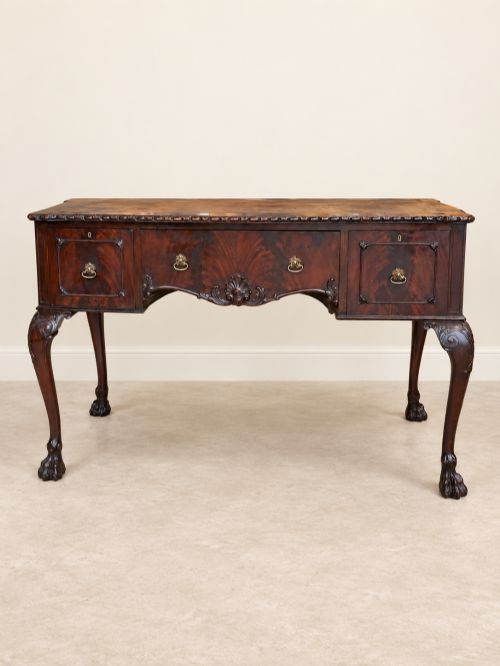

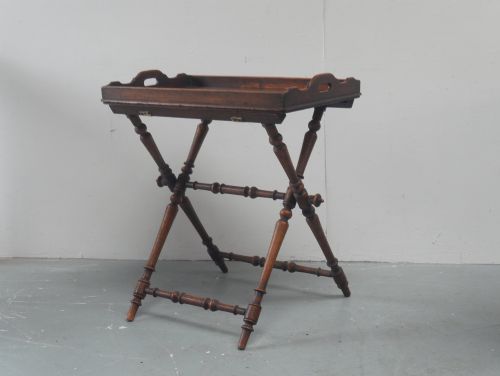
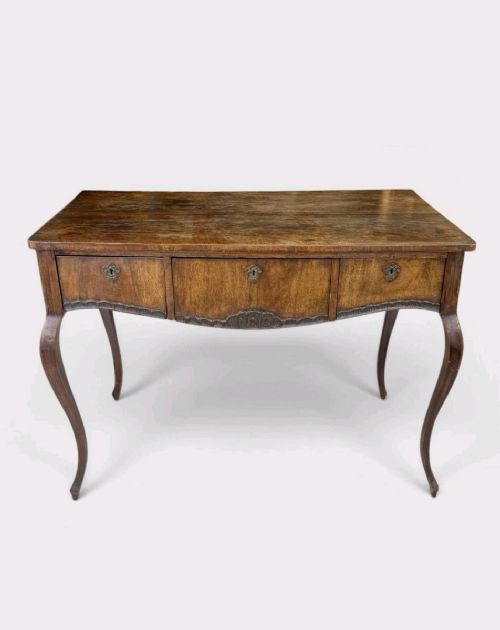
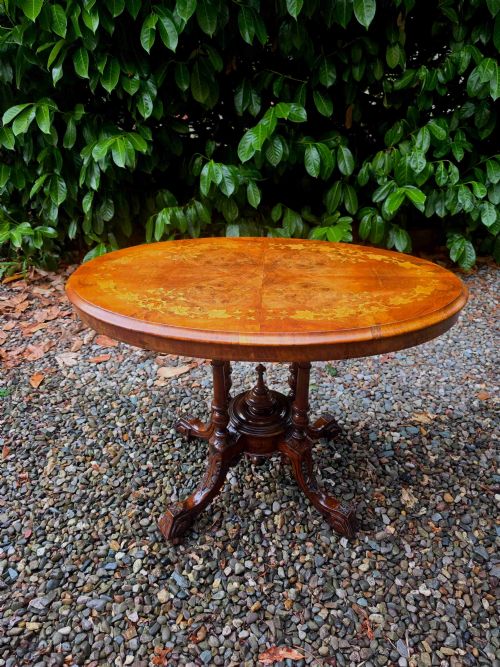
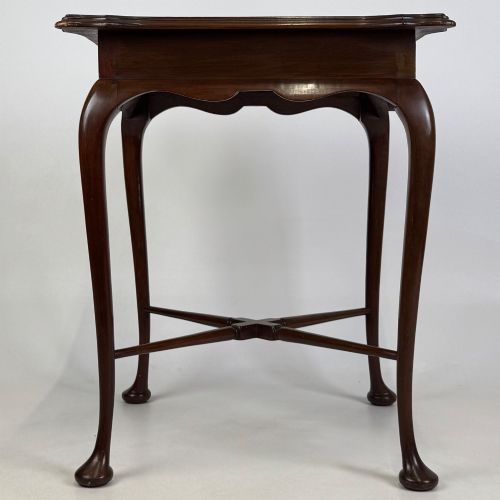
Edwardian Carved Side Table
An edwardian carved side table brings practical surface space and period craftsmanship into a room, spanning mahogany, oak, and walnut.
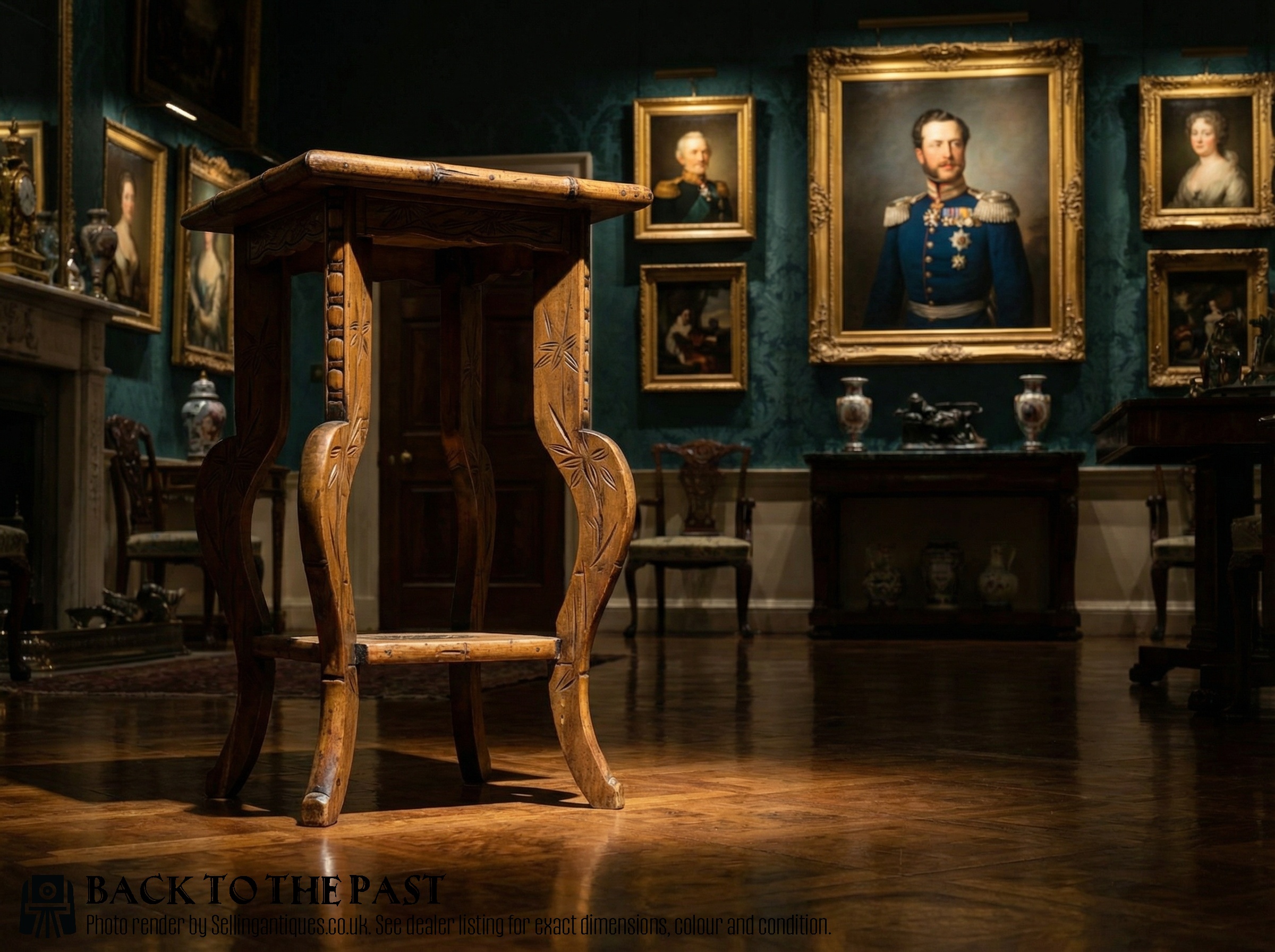
Edwardian Carved Side Table
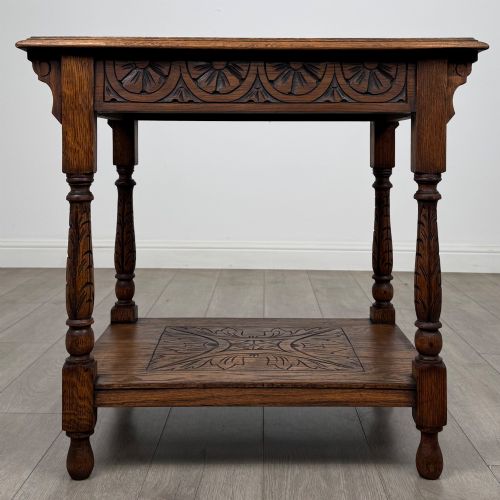
An edwardian carved side table sits comfortably in hallways, drawing rooms, or beside seating as an occasional piece. These tables emerge primarily from the Edwardian era, alongside Victorian and nineteenth-century examples that share similar domestic functions.
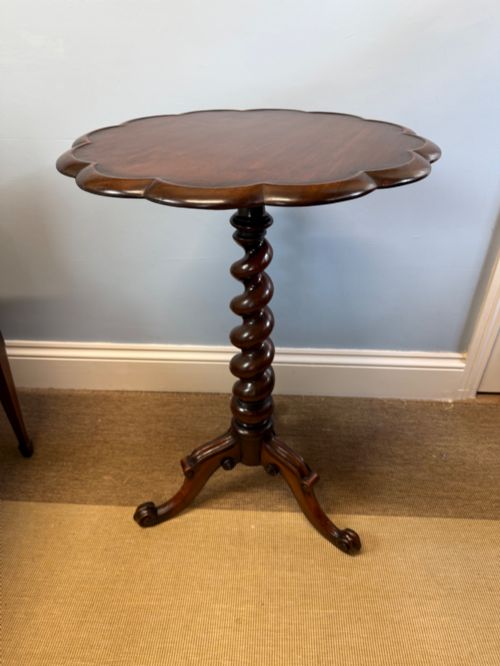
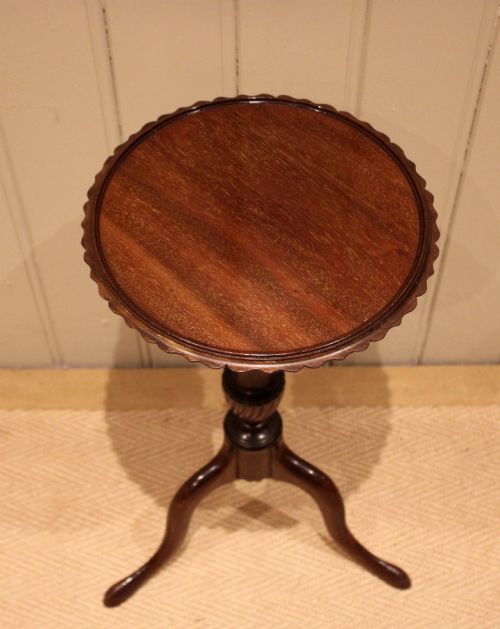
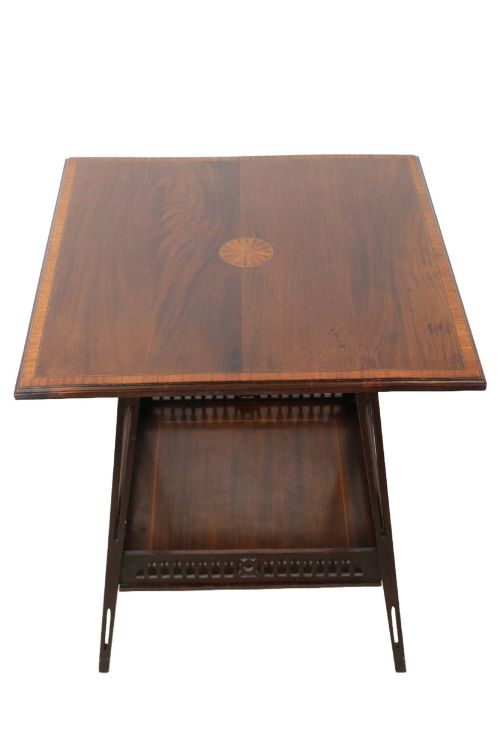
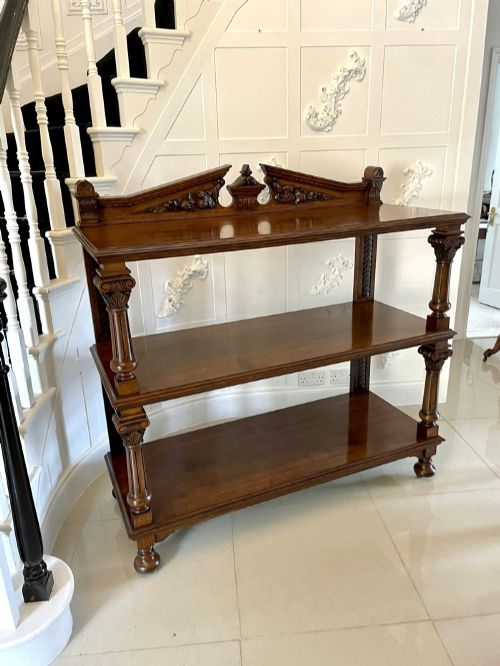
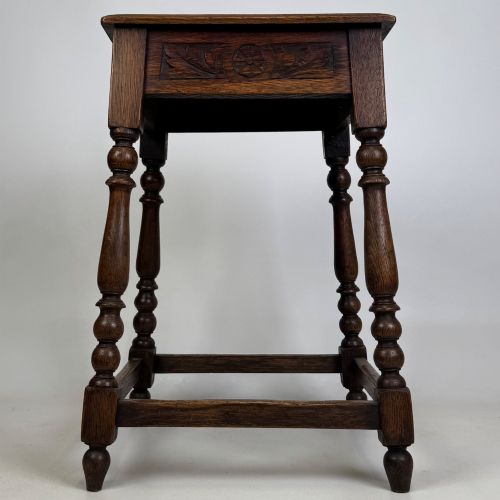
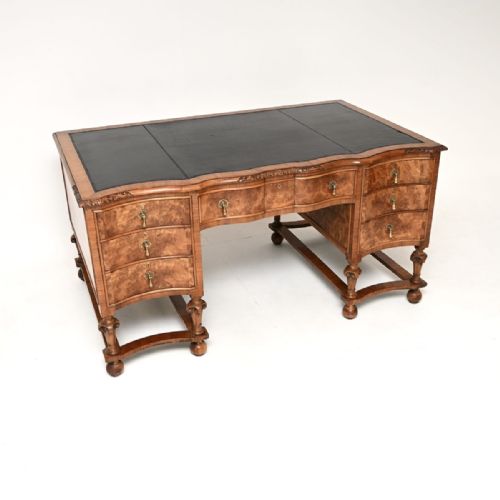
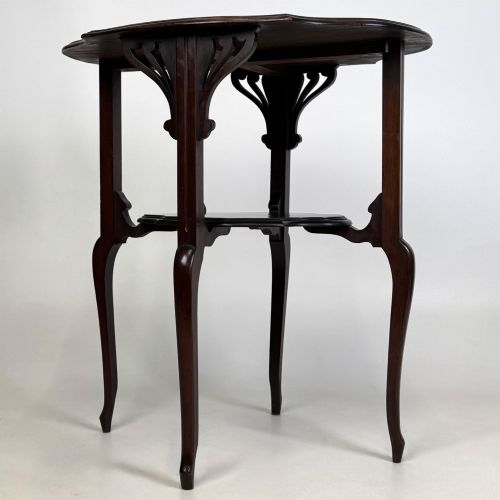
Forms range from simple side tables and occasional tables to wine tables, console tables, and compact desks. Many pieces display carved wooden details, tripod legs, or tiered structures designed for everyday utility.
Makers and workshops of the period utilised prevailing styles, drawing on Chippendale revival, Arts and Crafts, Jacobean revival, and Georgian influences to shape their output.
Materials and construction
Timber selection dictates the character of these tables, with mahogany, oak, and walnut appearing most frequently in the record. Cabinetmakers also employed burr walnut, satinwood, rosewood, and fruitwood for specific decorative effect.
Surface enrichment relied on hand carving, inlay work, and occasionally bone inlay or leather inserts. Structural joints and turnings, such as barley twist legs, reflect traditional cabinetmaking techniques of the period.
Edwardian Carved Side Table Retail Price Guide 2026
Typical asking prices for edwardian carved side table among the pieces listed under this phrase on Sellingantiques today, from the lower quarter to the upper quarter. They describe what is for sale here now, not the wider market.
Listings span multiple decades, incorporating nineteenth-century survivals alongside Edwardian pieces and later revival styles.
Quality and execution
Quality reveals itself in the crispness of the carving and the selection of timber veneers, such as figured walnut or flame mahogany. Superior examples demonstrate careful matching of grain and refined proportions.
The integration of secondary materials, including brass fittings or inlaid details, distinguishes standard utilitarian items from more ambitious workshop productions.
Trevor Page and Co·Maple and Co·Beresford and Hicks London·Liberty and Co
The Edwardian Carved Side Table Glossary
- Occasional table
- A small movable table intended for intermittent use around a room rather than a fixed dining or writing purpose.
- Wine table
- A small freestanding table, frequently featuring a circular top and tripod base, originally designed to hold glasses or bottles.
- Tripod base
- A support structure consisting of three legs radiating from a central pillar, commonly found on wine and occasional tables.
- Piecrust edge
- A raised, decoratively carved rim shaped in small curves resembling the crust of a pastry pie.
- Gateleg table
- A table with hinged drop leaves supported by legs that swing out like a gate to hold the leaves in position.
- Dumbwaiter
- A multi-tiered freestanding piece of furniture designed to hold dishes or serving items without the need for constant attendants.
Edwardian Carved Side Table: Frequently Asked Questions
How do I identify an Edwardian side table?
Edwardian side tables generally date from the period between nineteen hundred and nineteen ten, showing lighter proportions than their Victorian predecessors. They frequently utilise mahogany or oak with subtle carving or inlay.
Look for construction methods and timber characteristics typical of the early twentieth century, which often lean towards revived historical styles like Chippendale or Arts and Crafts.
Are these tables suitable for modern daily use?
These tables adapt easily to contemporary interiors, serving as lamp stands, bedside surfaces, or hallway drop zones. Solid timber construction provides the durability needed for everyday placement.
Placing them away from direct heat sources and using coasters protects the polished wood and historical finishes during daily use.
Which woods were most commonly used?
Mahogany and oak form the vast majority of surviving tables, valued for their strength and rich grain patterns. Walnut and burr walnut appear frequently where a more decorative figured surface was desired.
Less common examples incorporate satinwood, rosewood, or fruitwood, usually reserved for finer occasional pieces.