


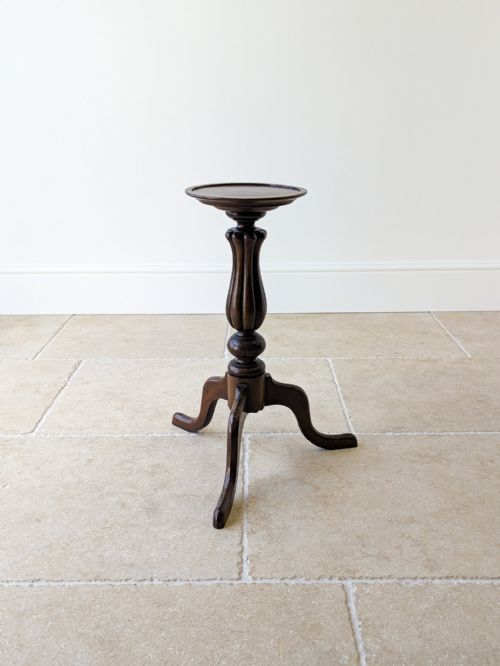
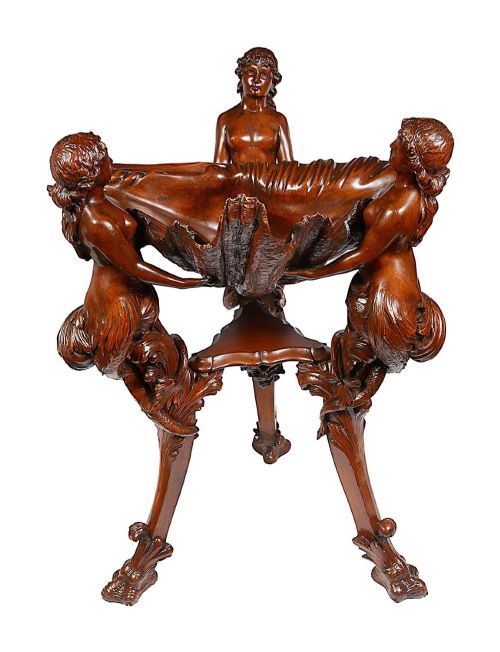
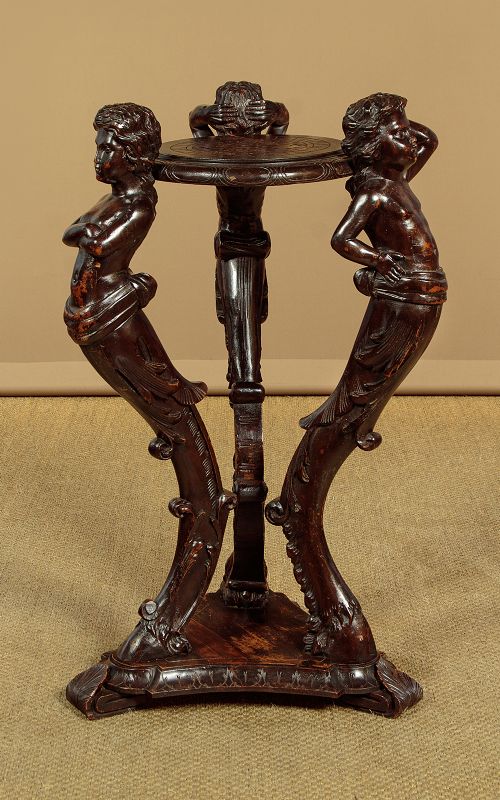
Carved Wood Plant Stand
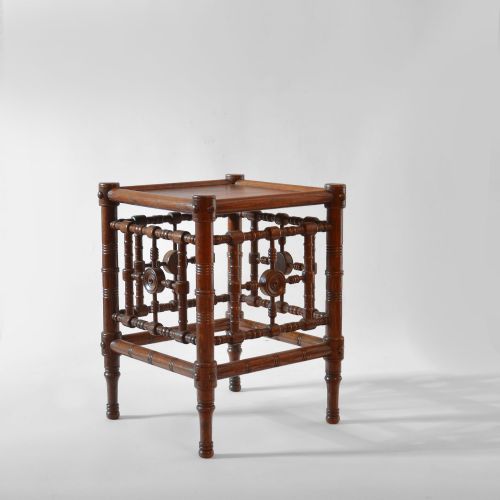
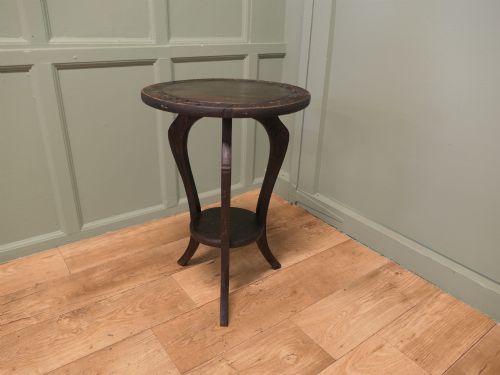
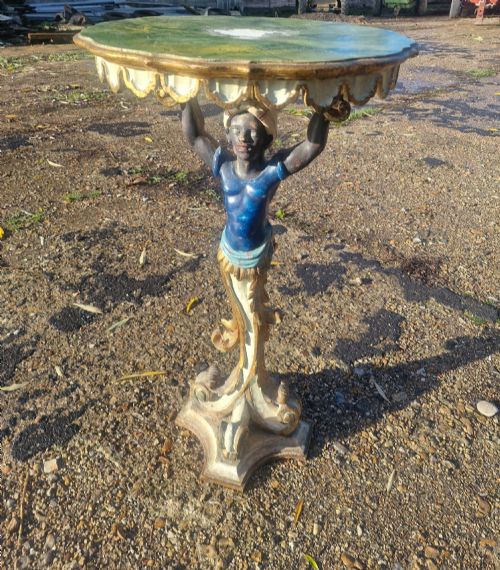
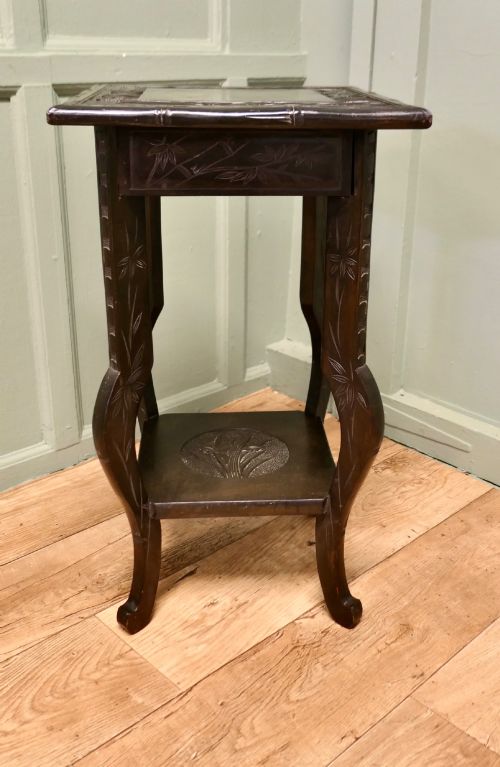
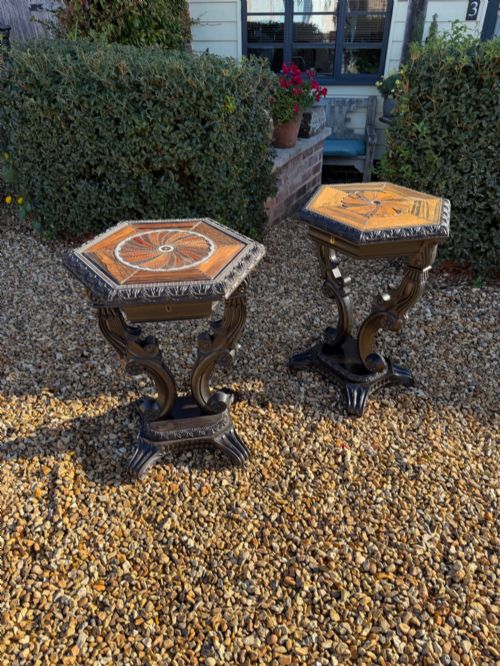
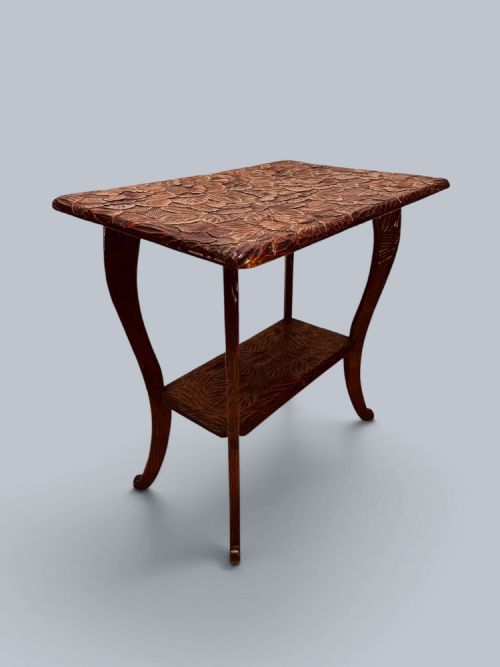
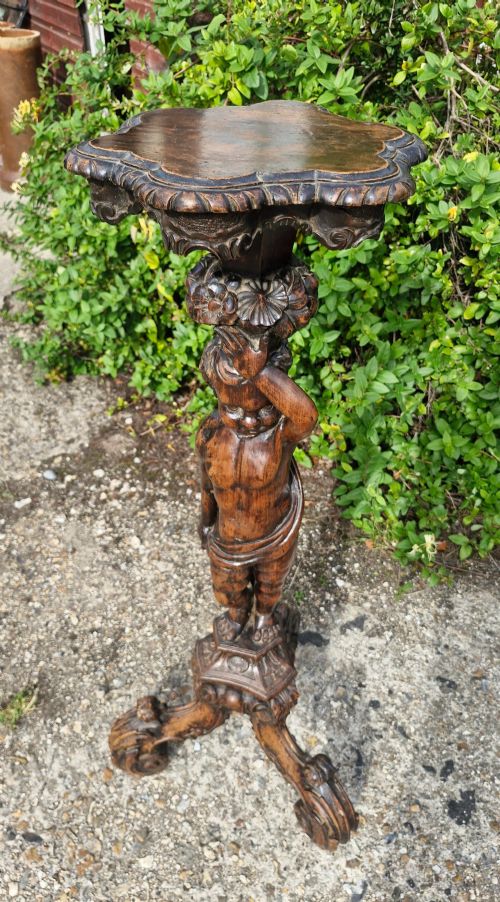
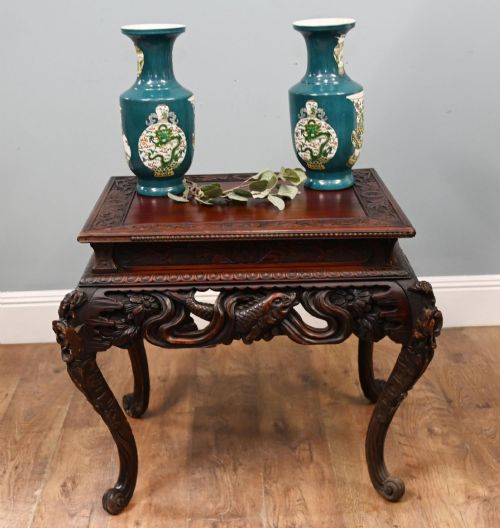
A carved wood plant stand holds a pot aloft, bringing height and structural form to a corner.
Carved Wood Plant Stand
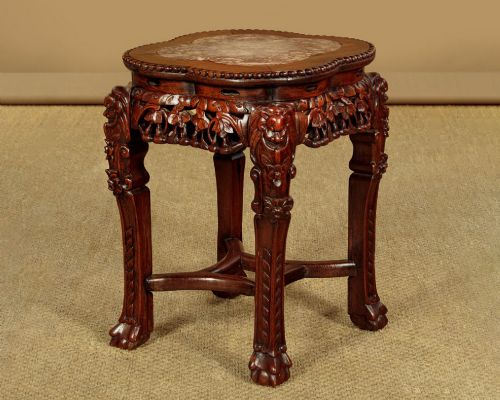
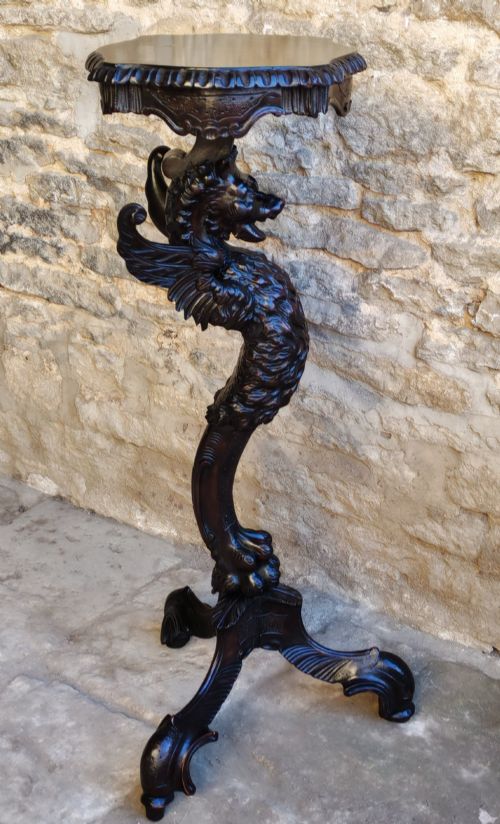
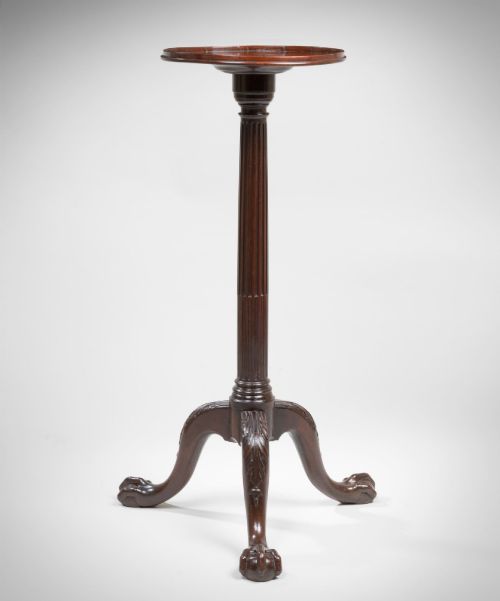
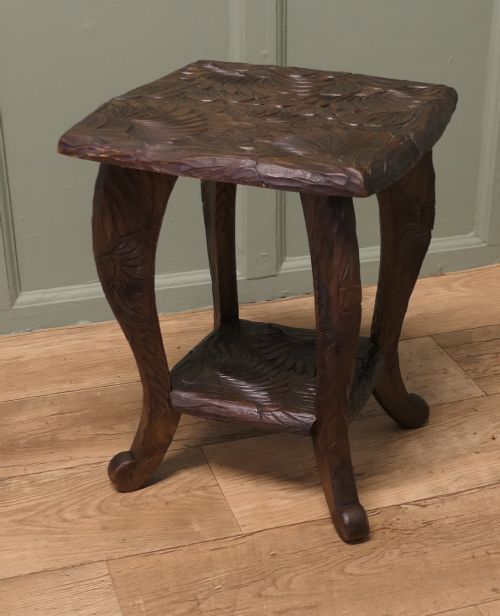
A carved wood plant stand is a functional piece designed to elevate greenery, pottery or decorative objects within a room. When searching for a carved wood plant stand, buyers encounter a diverse array of forms, ranging from tall torcheres and pedestals to low tables and occasional stands.
The pieces appearing on this page span several decades and stylistic traditions, including Victorian, Edwardian, Anglo-Indian and Chinese designs. Common timber varieties include mahogany, walnut, oak and exotic hardwoods, frequently paired with marble inserts or intricate surface decoration.
Originating from various workshops across Europe and Asia, these items served multiple domestic purposes in period interiors. Alongside supporting plants, many functioned as wine tables, vase stands or small display surfaces in parlours and drawing rooms.
How they were made
Craftsmen shaped these stands using solid timbers such as mahogany, walnut, oak and dense imported hardwoods like rosewood. Joinery techniques relied on traditional mortise and tenon construction, alongside turned columns and sturdy internal framing to support heavy pots or marble tops.
Surface ornamentation involved hand-carving, chip-carving, and bone inlay, executed with specialised gouges and chisels. Many pieces incorporate fitted marble slabs or burr wood panels set directly into the wooden frame to provide a stable, water-resistant surface for plants.
Finishes varied from traditional French polish and wax to original painted surfaces and gilt applications. Regional workshops utilised native timbers suited to local climate conditions, ensuring structural stability across varying environments.
Carved Wood Plant Stand Retail Price Guide 2026
Typical asking prices for carved wood plant stand among the pieces listed under this phrase on Sellingantiques today, from the lower quarter to the upper quarter. They describe what is for sale here now, not the wider market.
One elephant table comes complete with painted wooden tusks.
What varies in quality
The standard of a carved wood plant stand depends heavily on the depth and crispness of the hand-carved detail. Superior examples display sharp undercutting and fluid lines, whereas lesser pieces exhibit shallow, mechanically smoothed motifs.
Timber selection and construction integrity differentiate standard production from finer craftsmanship. Heavy, dense hardwoods and well-fitted joints ensure long-term stability, while inferior items often utilise thinner secondary woods that are prone to warping under weight.
Trevor Page & Co·Liberty & Co
The Carved Wood Plant Stand Glossary
- Torchere
- A tall, slender stand or pedestal designed to support a lamp, vase or plant. These pieces typically feature a narrow circular top raised on a turned or carved pillar with a tripod base.
- Jardiniere
- An ornamental pot or stand intended for holding flowers or plants. In furniture terms, it often denotes a specialised pedestal with a lined or waterproof inset tray.
- Occasional table
- A small, versatile table used for general purposes around a room. They appear frequently in various heights to hold lamps, drinks or decorative items.
- Inlay
- A decorative technique where contrasting materials such as bone, lighter wood or metal are inserted into recessed cavities on the timber surface. It creates geometric or pictorial patterns across the top and sides.
- Marble top
- A polished stone slab fitted directly into the timber frame of a stand. This feature provides a cool, durable surface that resists water damage from potted plants.
Carved Wood Plant Stand: Frequently Asked Questions
What is a plant stand used for?
A plant stand elevates potted greenery to improve light exposure and visual balance within a room. These stands create height variation among interior furnishings.
Historically, they also served as display furniture for art pottery, sculptures and vases. Their compact footprints made them suitable for filling empty corners or narrow window spaces.
How do I identify the period?
Dating relies on observing timber choices, construction methods and stylistic motifs. Victorian and Edwardian examples often feature heavy carvings or revival styles.
Secondary indicators include tool marks, fixing types and the wear patterns on the feet. Comparing the design to documented pieces helps narrow down the decade of production.
Are marble tops original?
Many plant stands and low tables were manufactured specifically to house inset marble slabs. These stone surfaces protected the timber from water spillage during plant watering.
Examining the rebate and surrounding wood reveals whether the marble sits in an original housing. Unaltered beds show consistent ageing between the stone and the mounting frame.
How do I care for antique wood?
Maintenance involves keeping wooden stands away from direct heat sources and fluctuating humidity. Environmental stability prevents the timber from splitting or warping.
Applying a traditional beeswax polish helps nourish the grain and maintain the surface sheen. Avoid harsh chemical cleaners that can strip historical finishes.