


Dark Wood Accent Table
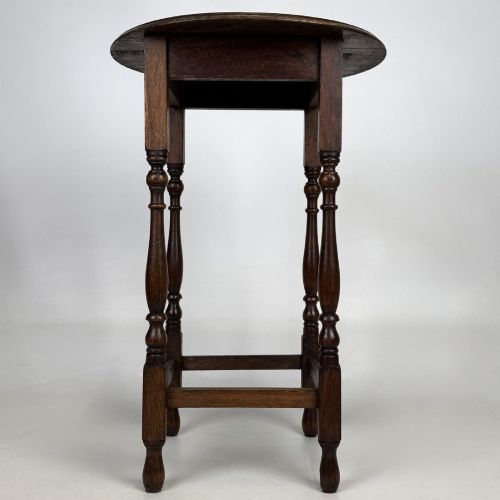
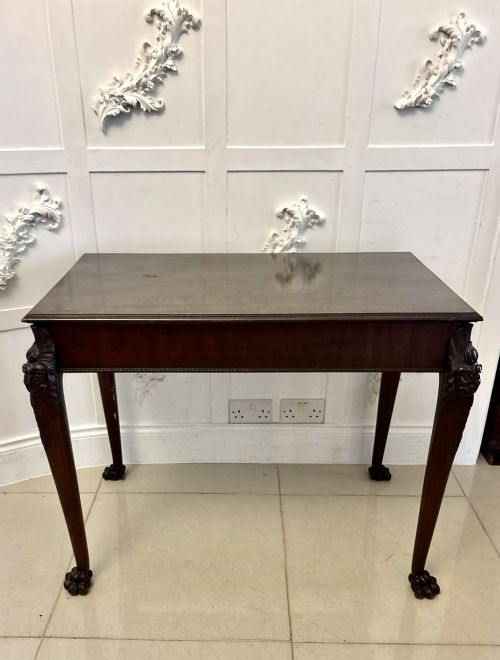
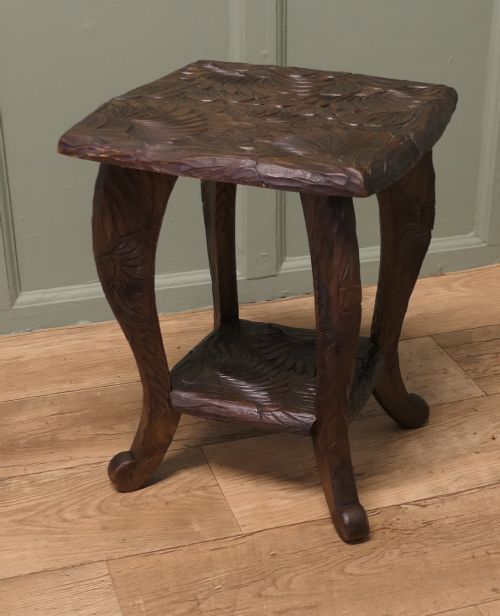
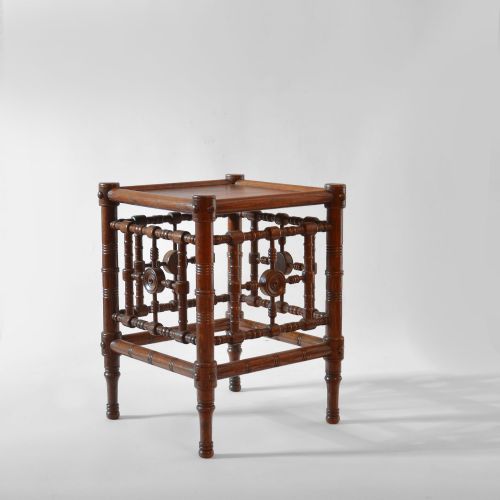
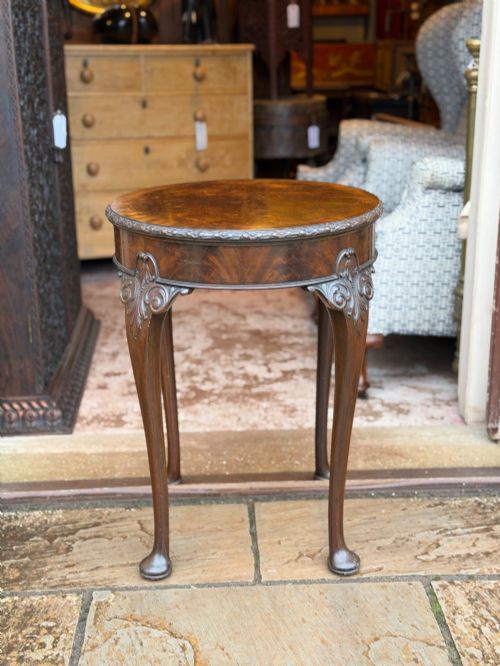
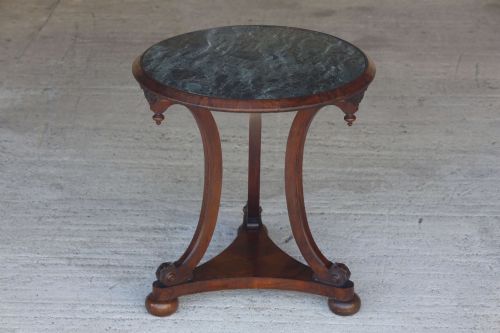
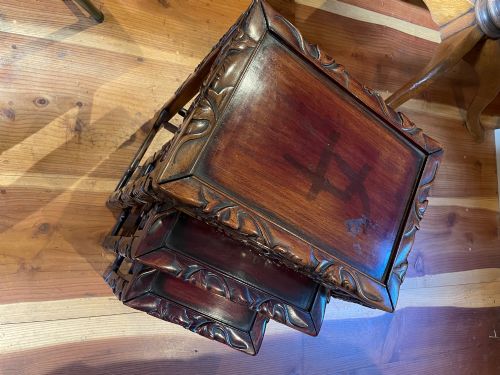
A dark wood accent table brings functional surface space and rich grain to a room, appearing in forms from compact wine stands to multi-tiered occasional pieces.
Dark Wood Accent Table
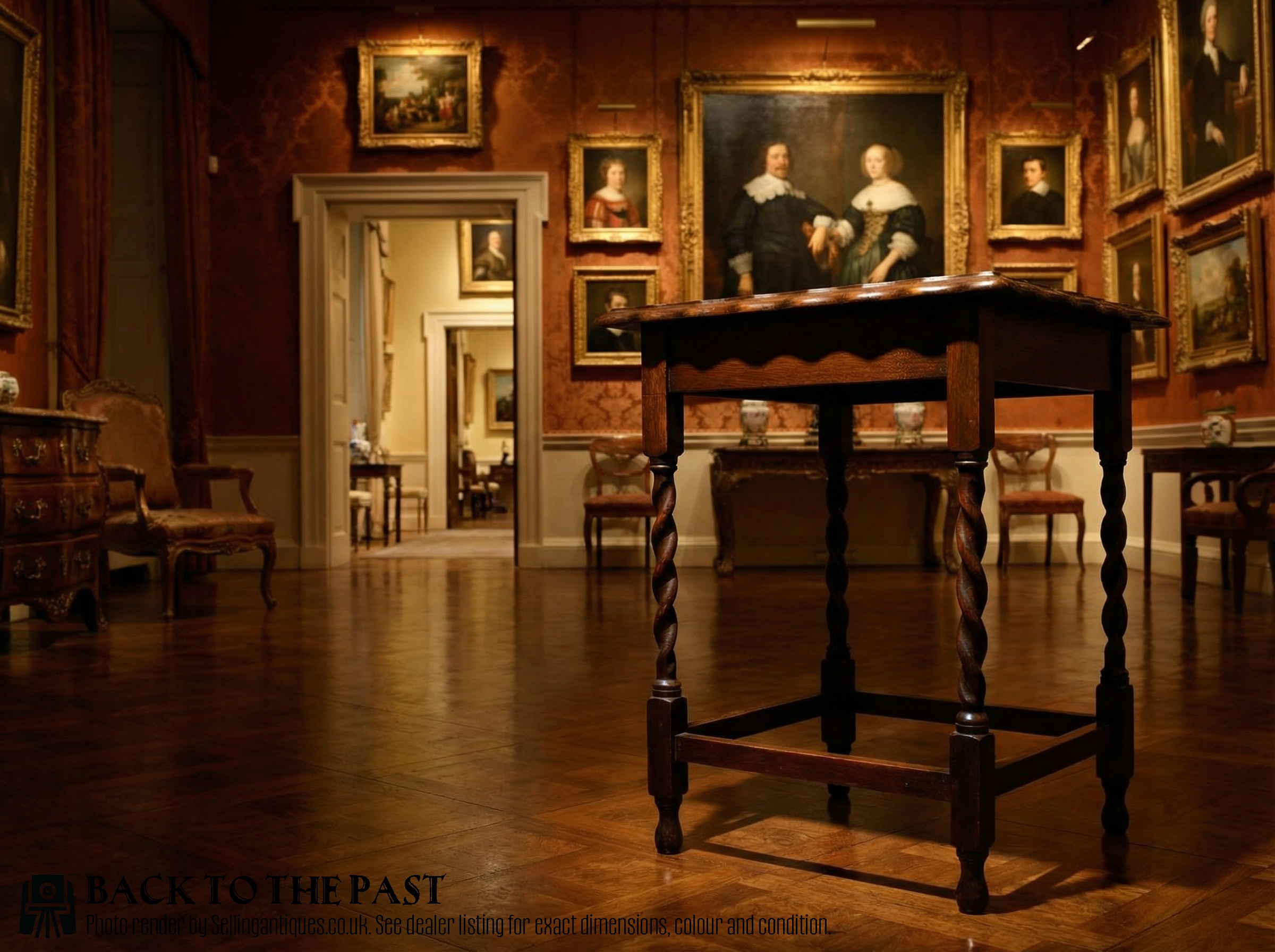
A dark wood accent table serves as a movable surface for lamps, drinks, or small decorative items within domestic spaces. When browsing these furnishings, a buyer encounters forms ranging from simple wine tables and folding campaign stands to nests of tables and cricket tables.
The selections span centuries, incorporating pieces from the Georgian, Victorian, and Edwardian periods alongside earlier examples. Oak and mahogany appear frequently, joined by rosewood and walnut in various occasional formats.
Victorian and Edwardian variations dominate current choices, often presenting carved details, tilt tops, or octagonal surfaces. These domestic items bridge utility and traditional design, functioning effectively beside seating arrangements.
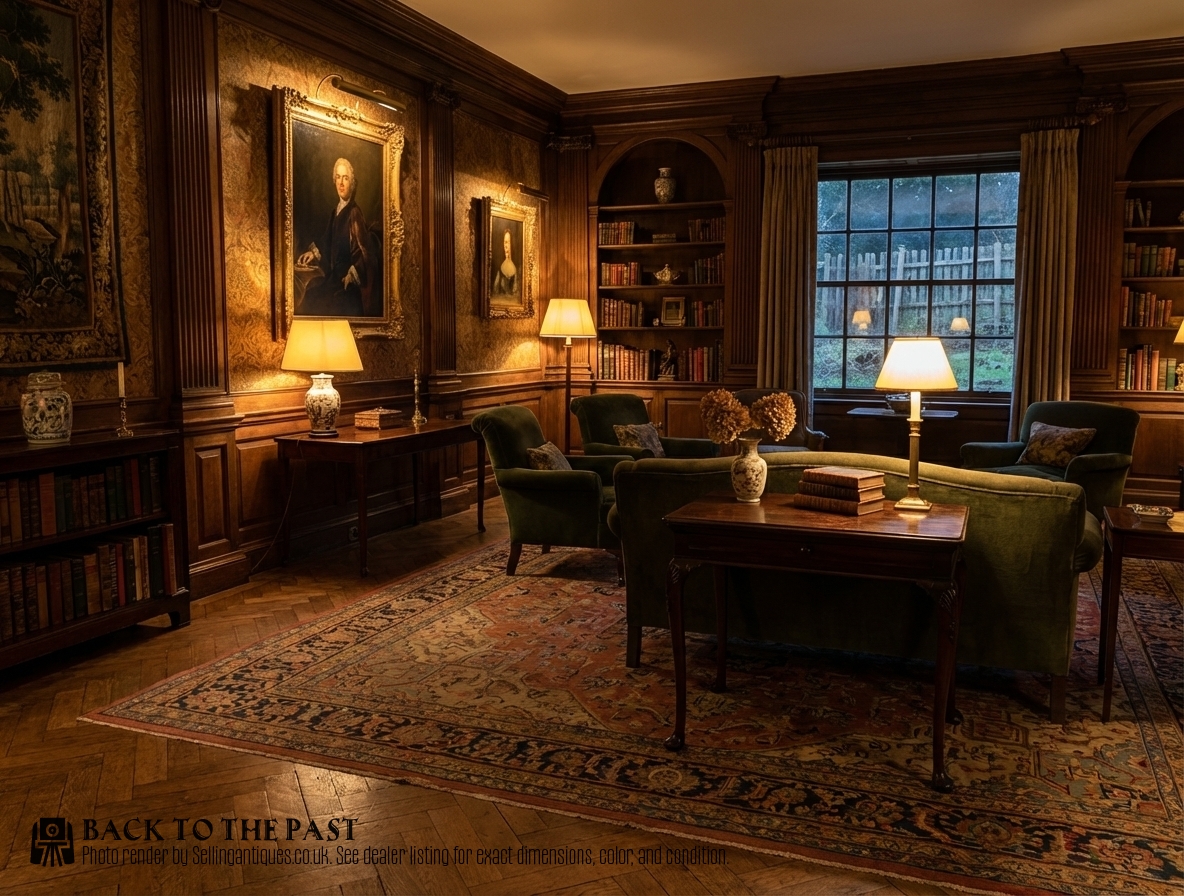
Materials and construction methods
Cabinetmakers utilised hardwoods such as mahogany, oak, walnut, and rosewood for structural durability and rich surface figures. Secondary woods sometimes support the primary construction, while brass fittings appear on campaign and occasional pieces.
Joinery methods include traditional turning, mortise and tenon joints, and tripod bases with carved legs. Surfaces often receive polished finishes that highlight the natural grain of the timber.
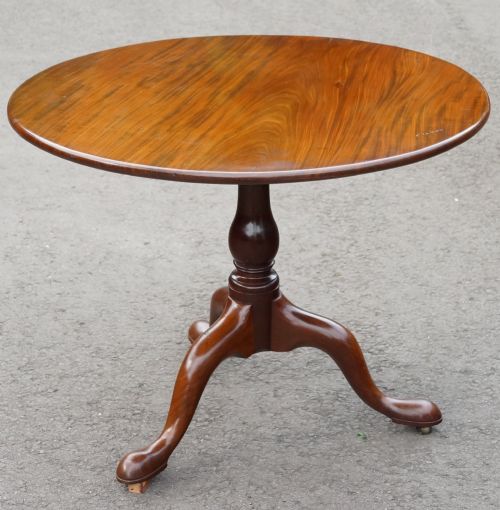
Specialised construction details, such as pie crust rims, tilt-top mechanisms, and spider legs, demonstrate the dexterity of period workshops.
Dark Wood Accent Table Retail Price Guide 2026
Typical asking prices for dark wood accent table among the pieces listed under this phrase on Sellingantiques today, from the lower quarter to the upper quarter. They describe what is for sale here now, not the wider market.
Gipsy tables bring a touch of Victorian casual interior style, offering light portable surfaces that once held potted palms and afternoon tea.
Distinctions in quality
The standard of a piece rests on the selection of timber, where tightly figured mahogany, burr oak, or richly grained walnut elevate the overall visual impact. Superior execution shows in crisp hand-carving, well-fitted joints, and stability in tripod or multi-legged frames.
The Dark Wood Accent Table Glossary
- Cricket table
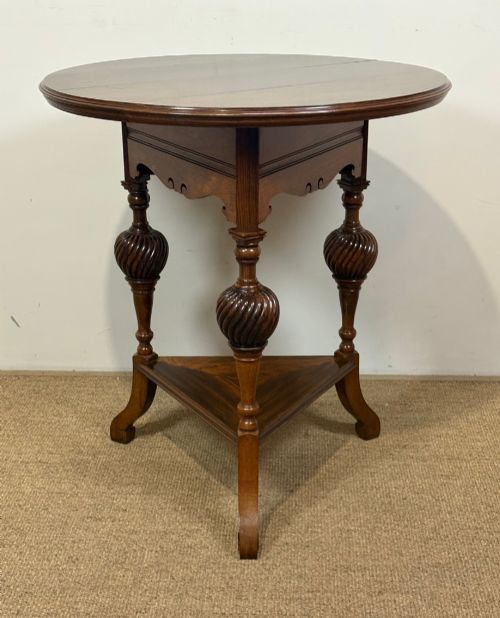
- A small, three-legged occasional table with a round wooden top, traditionally constructed in oak during the eighteenth century.
- Tripod table
- A small freestanding table supported by a central pillar resting on three legs, frequently featuring a tilt-top mechanism.
- Wine table
- A compact table designed to hold a single glass or bottle, standing on a slender pedestal base.
- Nest of tables
- A set of graduated tables designed to fit neatly beneath one another when not in use.
- Pie crust table
- A table featuring a raised, carved wooden rim shaped into undulating curves resembling pastry work.
Dark Wood Accent Table: Frequently Asked Questions
What is a dark wood accent table used for?
These tables provide convenient surface areas beside seating or in hallways for lamps, books, and decorative objects. Their compact proportions allow them to fit into corners or beside chairs without crowding a room.
Historically, specific forms like wine tables and spider leg tables served specialised domestic functions during tea service or evening entertaining.
How do I identify a Georgian accent table?
Georgian pieces often display balanced proportions, high-quality mahogany construction, and refined carving such as pie crust edges or tripod pillar supports. Cabinetmakers of this era focused on structural harmony and clean lines.
Examination of the underside and joint construction can also reveal period-appropriate tool marks and timber usage consistent with the eighteenth century.
What woods were used for these tables?
Common timbers include mahogany, oak, walnut, and rosewood, chosen for their durability and deep natural colouration. Regional variations and specific periods favoured different species, such as oak for earlier cricket tables and mahogany for Georgian and Victorian pieces.
Some examples also incorporate exotic hardwoods or decorative veneers like burr oak to enhance the visual texture of the surface.
How do I care for antique dark wood?
Maintain wooden surfaces by keeping them away from direct sunlight and extreme temperature fluctuations that can cause timber to split. Regular dusting with a soft, dry cloth preserves the finish without buildup.
Avoid using silicone-based polishes, opting instead for traditional beeswax applied sparingly to nourish the grain.