

Colonial Indian Furniture
Colonial indian furniture brings together British forms and local craftsmanship, offering rich woods and intricate carving for everyday interiors.

Colonial Indian Furniture
Colonial indian furniture encompasses seating, tables, cabinets, and chests produced during the nineteenth and early twentieth centuries under British influence. These items bridge domestic British utility with regional woodworking traditions found across the subcontinent and surrounding regions.
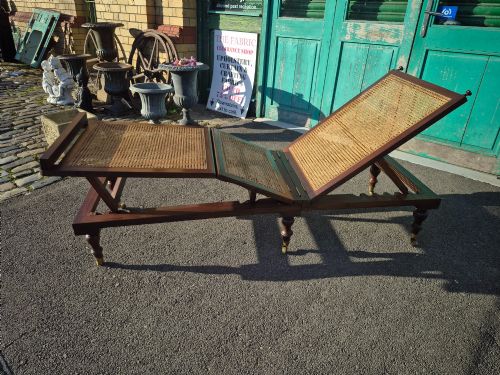
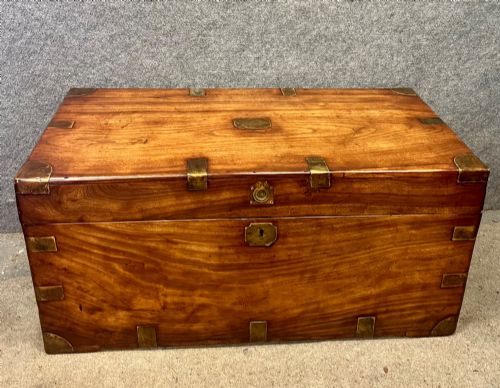
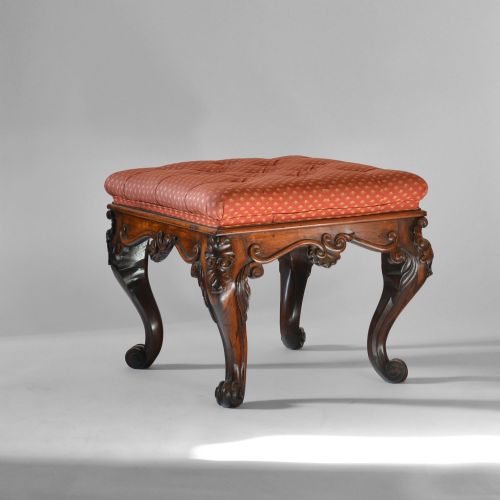
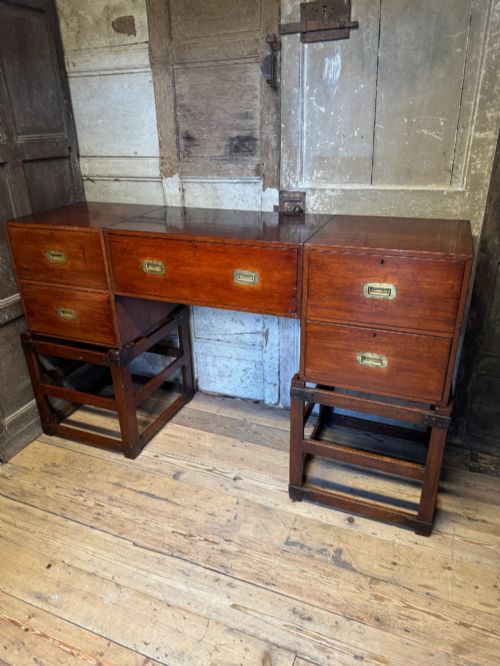
Many items display hybrid styles, combining Regency or Victorian proportions with local ornamental motifs. Pieces range from campaign trunks designed for travel to substantial sideboards and carved armchairs intended for permanent residences.
How they were made
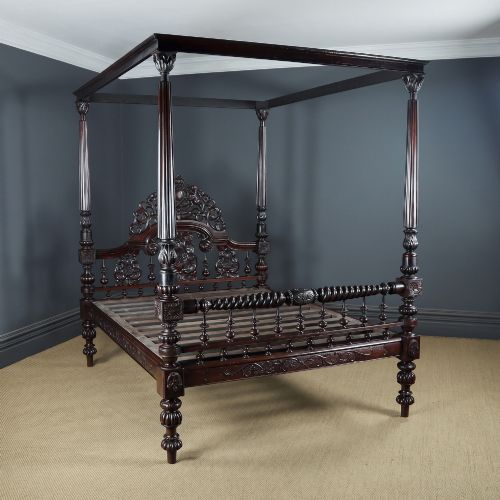
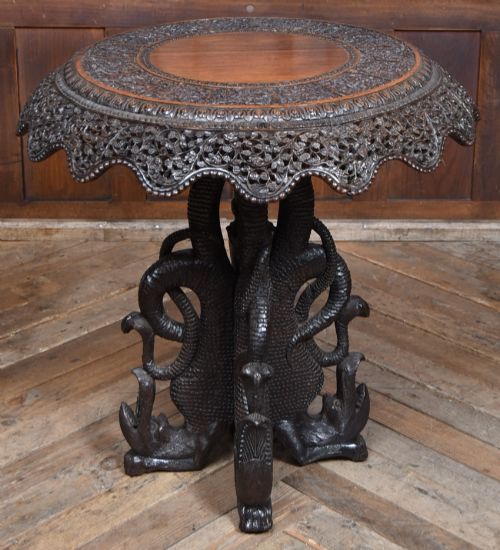
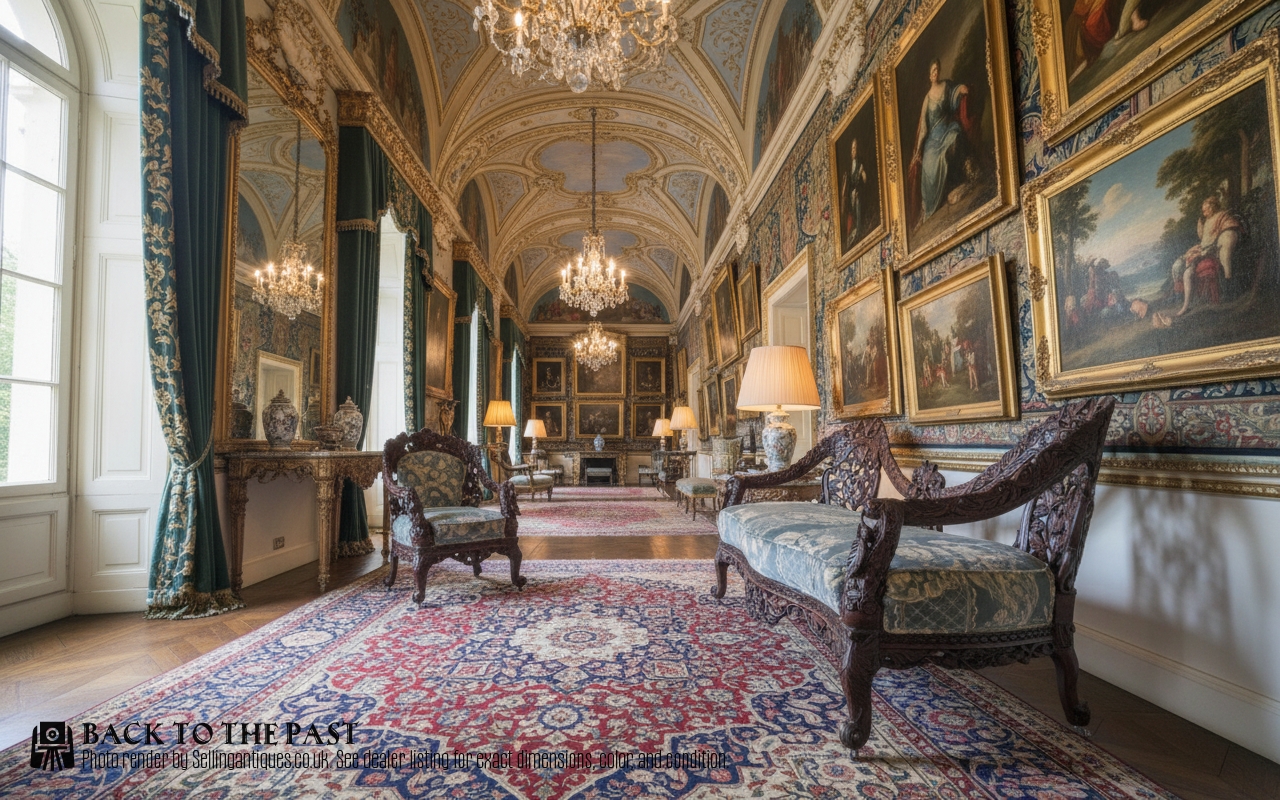
Workshops utilised heavy tropical hardwoods such as teak, padouk, rosewood, and ebony, which offered durability against climate and insects. These timbers were frequently worked in solid form rather than as veneers, allowing for deep relief carving.
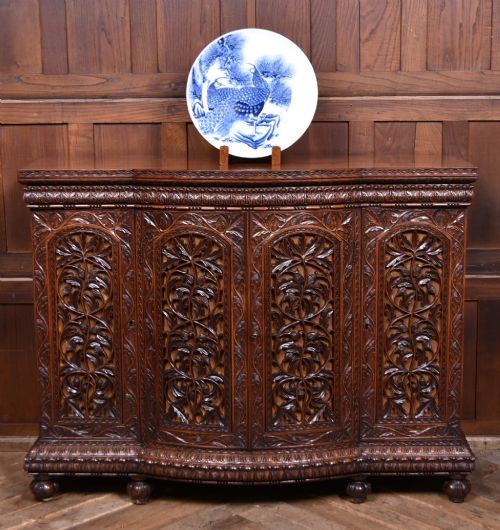
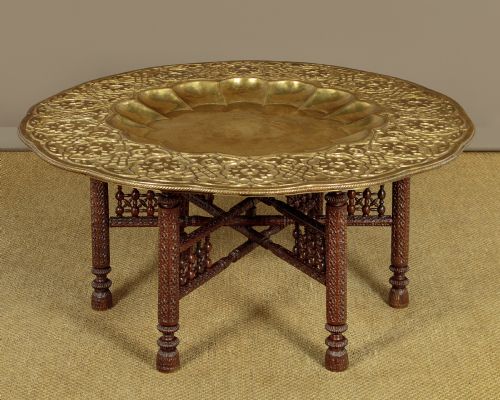
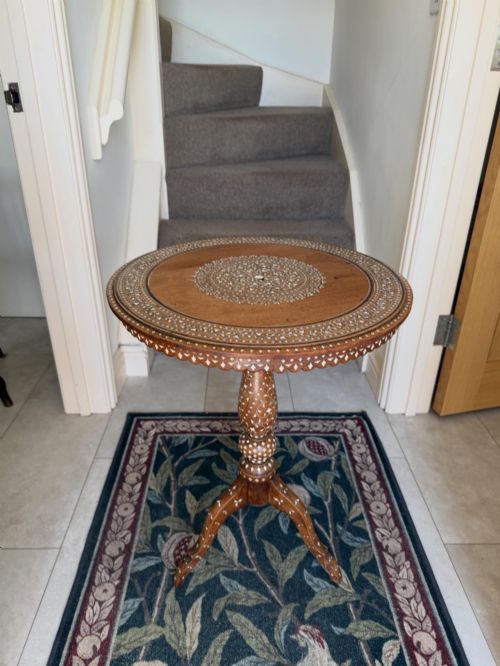
Surface ornamentation relied on specialised techniques including intricate bone inlay, brass stringing, and elaborate hand carving. Turning and joinery were executed by regional artisans working within British structural frameworks.
Colonial Indian Furniture Retail Price Guide 2026
Typical asking prices for colonial indian furniture among the pieces listed under this phrase on Sellingantiques today, from the lower quarter to the upper quarter. They describe what is for sale here now, not the wider market.
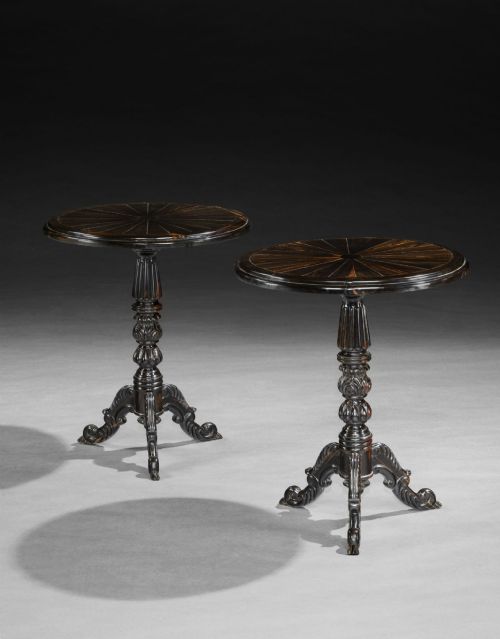
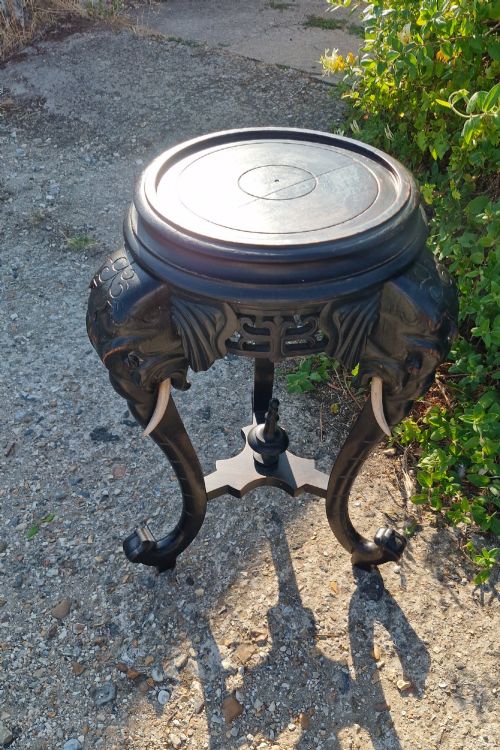
Several tables here feature carved wooden elephant tusks, bringing unexpected wildlife directly into the Victorian parlour.
What varies in quality
Distinction in quality rests upon the depth and crispness of the hand carving, alongside the selection of timber. Dense, well-figured rosewood or ebony with sharply defined botanical or figurative motifs commands greater attention than simpler utility items.
Structural integrity and the retention of original decorative elements dictate standing. Pieces retaining undamaged inlay, original hardware, and uncompromised joints reflect superior workshop standards.
Hoshiarpur
The Colonial Indian Furniture Glossary
- Padouk
- A heavy, reddish-brown tropical hardwood frequently used in nineteenth-century cabinetmaking for its stability and rich grain. It resists warping and takes a fine carved finish.
- Campaign
- Furniture designed to dismantle or fold for military travel and colonial transit. These items typically incorporate brass corners and recessed handles.
- Hoshiarpur
- A style of inlaid woodwork originating from Punjab, characterised by dense geometric patterns formed from bone or brass set into dark wood. Tables and screens from this centre are widely recognised.
- Bergere
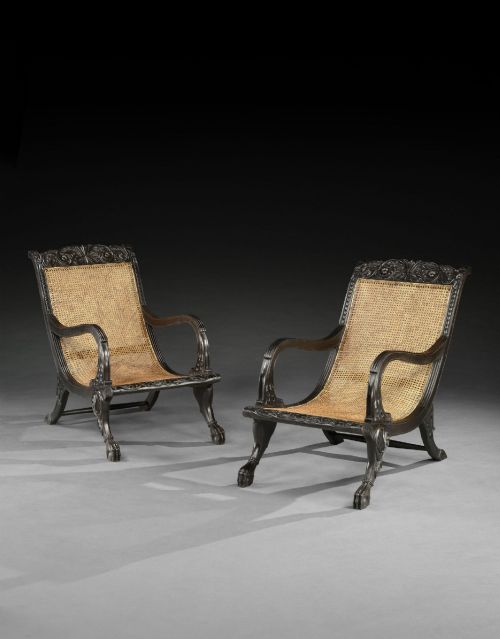
- An upholstered armchair with a wooden frame and woven cane sides or back. This form was frequently adopted in tropical workshops for its cooling properties.
- Teapoy
- A small table or stand traditionally used for holding tea canisters and equipment. In colonial contexts, these evolved into small occasional or side tables.
Colonial Indian Furniture: Frequently Asked Questions
How do I care for colonial hardwood furniture?
Maintain stable indoor humidity levels to prevent the dense tropical timbers from splitting. Apply natural wax sparingly to nourish the grain without buildup.
Avoid placing pieces near direct heat sources or strong sunlight. Dust regularly with a soft, dry cloth to protect carved details.
Where were these pieces used originally?
British administrators, military officers, and merchants utilised these furnishings in residency bungalows, administrative offices, and hill stations. They provided familiar domestic comfort adapted to tropical climates.
Many items were later shipped back to Britain by returning families. They furnished country houses and suburban villas with distinct regional character.
Are these items suitable for modern homes?
The compact proportions of occasional tables, chests, and chairs suit contemporary room layouts. Their robust construction handles daily domestic use comfortably.
Dark timbers and intricate carving add strong focal points to neutral or minimalist spaces. They mix easily with twentieth-century design.
How do I distinguish regional styles?
Examine the timber choice and carving motifs to identify regional origins. Ebony and ivory or bone work often point towards Ceylonese workshops.
Intricate geometric bone inlay frequently indicates production around Hoshiarpur. Heavier carved padouk often reflects influences from Burma or regional Indian centres.