


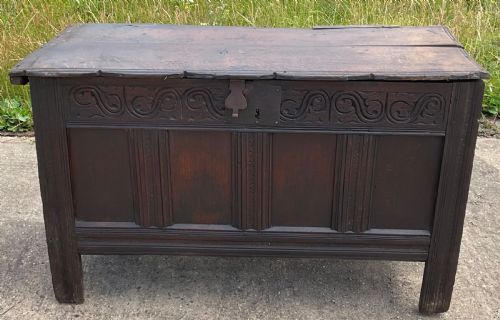
Dark Wood Blanket Box
A dark wood blanket box offers solid timber construction and practical storage, serving as a traditional focal point in any room.
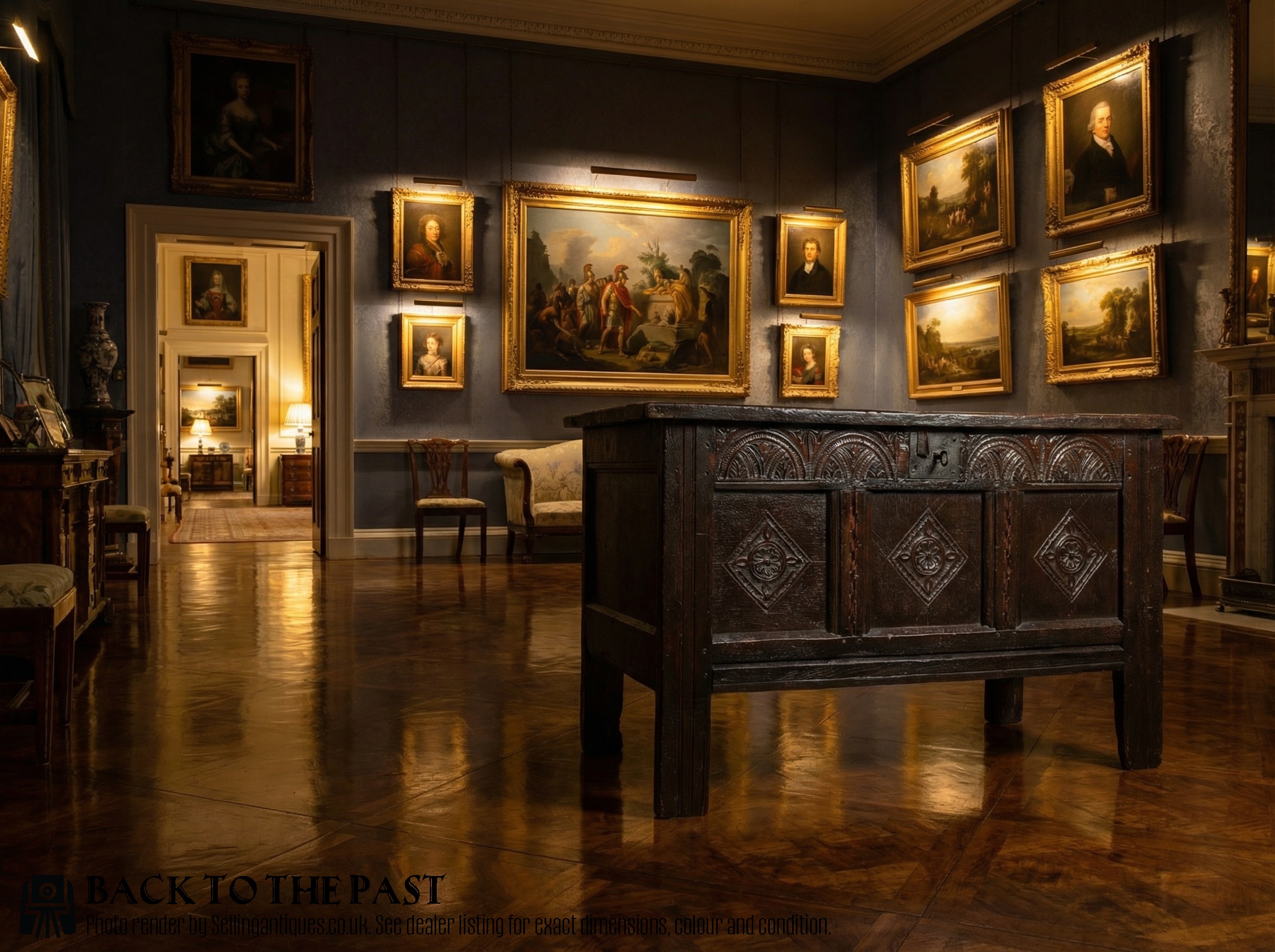
Dark Wood Blanket Box
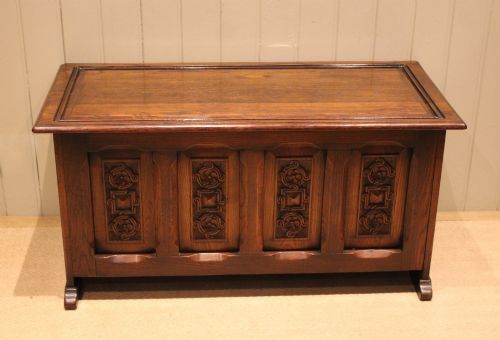
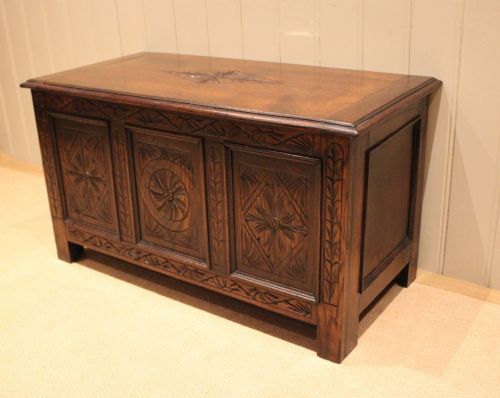
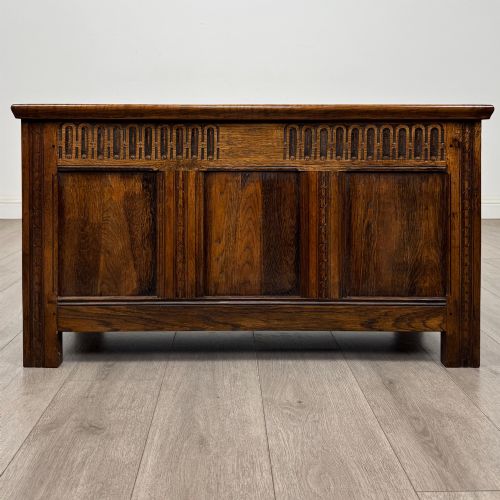
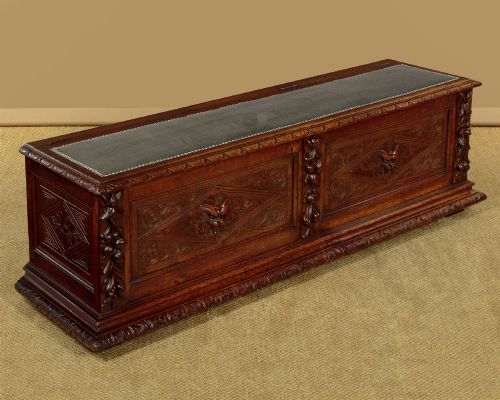
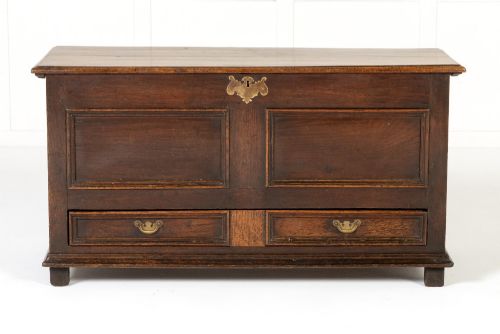
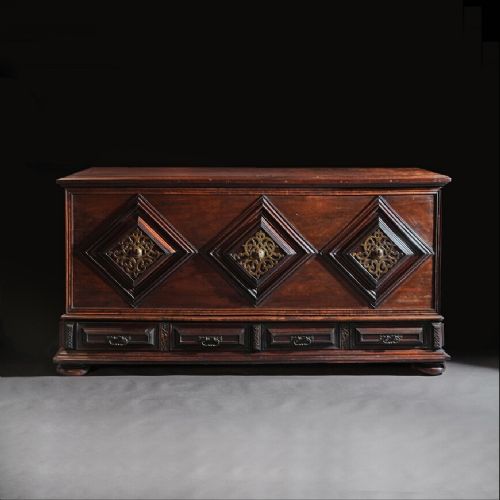
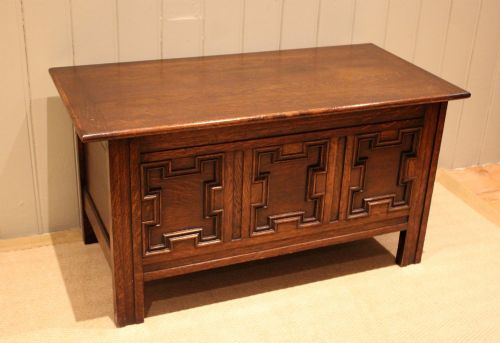
A dark wood blanket box encompasses robust storage furniture built primarily from sturdy timbers like oak, mahogany, and teak. These pieces span multiple eras, including the seventeenth, eighteenth, and nineteenth centuries, alongside later revival pieces.
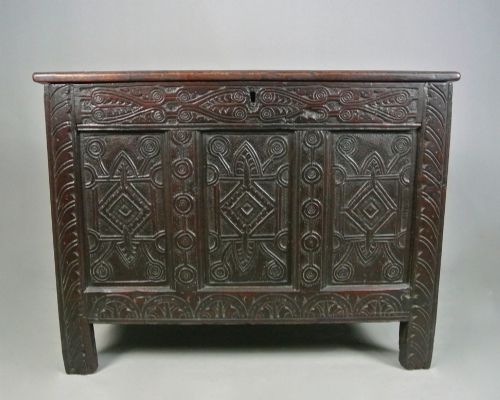
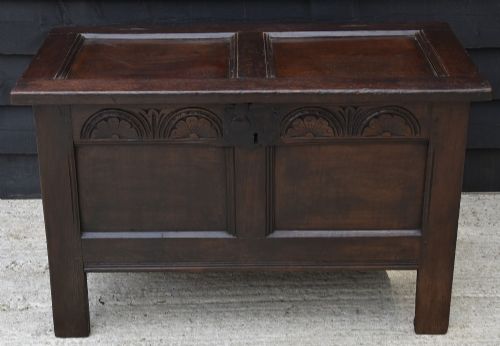
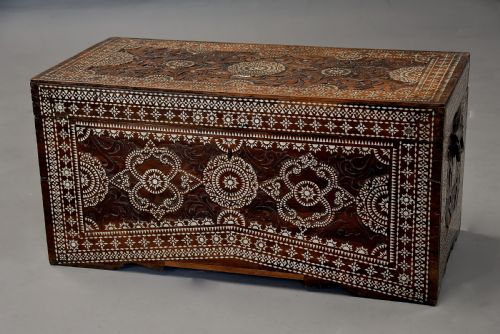
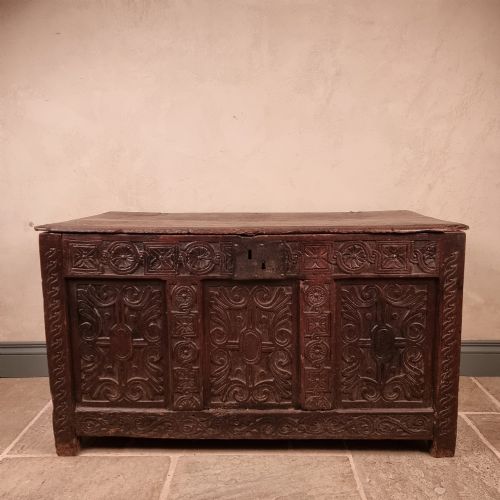
Buyers most frequently encounter oak coffers and chests featuring carved panels or plain plank construction. Regional variants such as the Welsh coffer bach or international examples involving inlaid mother of pearl also appear across the selection.
Functional forms range from simple boarded chests to elaborate mule chests fitted with lower drawers. These sturdy vessels served domestic storage needs for centuries before transitioning into decorative household furnishings.
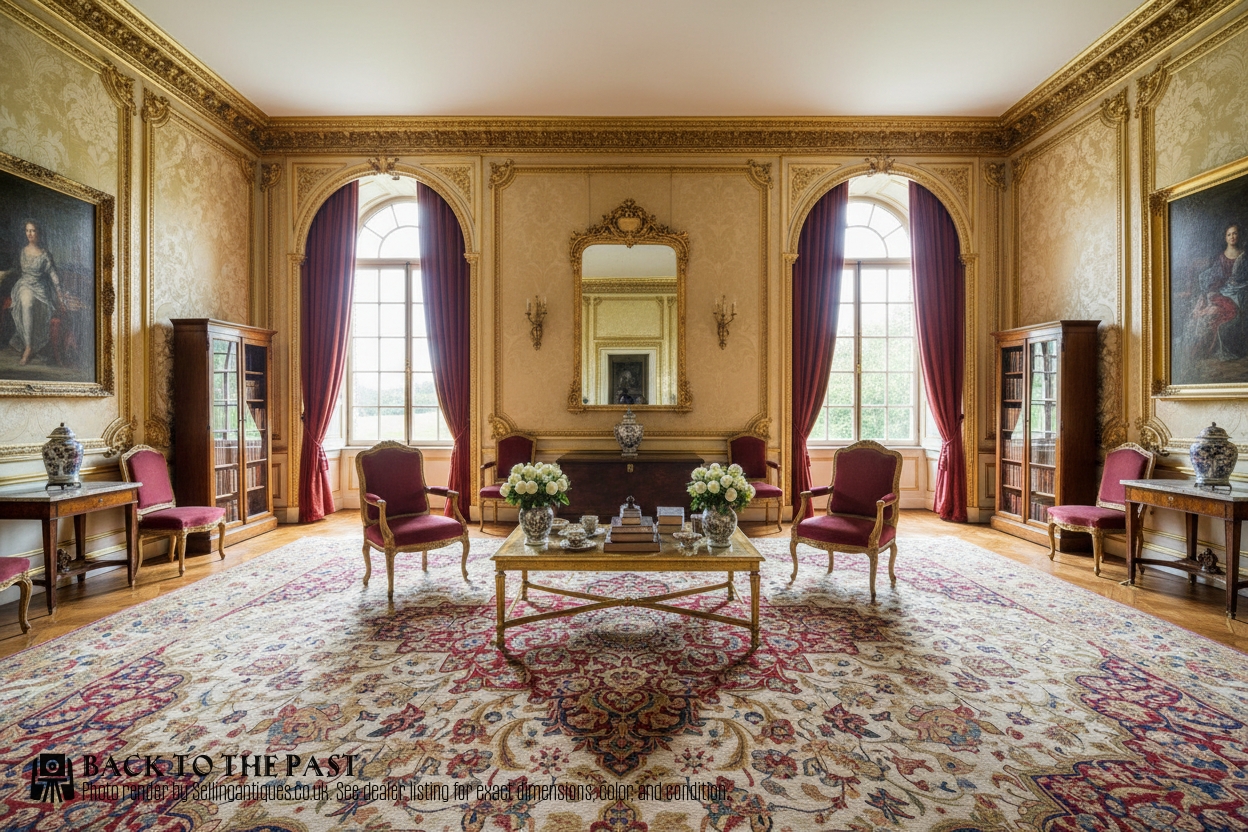
Materials and construction methods
Carpenters utilised durable native and exotic timbers, predominantly oak, mahogany, and teak, selected for their strength and rich natural tones. Iron and brass hardware such as hinges, straps, and corner mounts reinforced the heavy wooden structures.
Traditional joinery techniques including panel-and-frame construction and dovetailing ensured stability across decades of use. Carvers applied intricate geometric or floral motifs directly onto the timber surfaces of formal pieces.
Dark Wood Blanket Box Retail Price Guide 2026
Typical asking prices for dark wood blanket box among the pieces listed under this phrase on Sellingantiques today, from the lower quarter to the upper quarter. They describe what is for sale here now, not the wider market.
Assessing craftsmanship and condition
Quality rests upon the selection of timber and the precision of the underlying joinery. Fine examples display tight, hand-cut joints and well-figured grain that has aged gracefully without excessive timber shrinkage.
The sophistication of surface ornamentation separates standard utility items from superior pieces. Crisp, deep carving and intact period hardware indicate higher workshop standards during the initial manufacture.
The Dark Wood Blanket Box Glossary
- Coffer
- A large wooden chest traditionally used for storing valuables, textiles, or documents. These sturdy boxes frequently feature hinged lids and boarded bases.
- Mule chest
- A storage chest that incorporates one or more drawers beneath the main internal compartment. This design combines traditional top-loading storage with accessible drawer space.
- Linenfold
- A style of wood carving that imitates folded fabric, commonly seen on panels of sixteenth and seventeenth-century chests. This decorative technique creates vertical ridges resembling stiffened linen.
- Dovetail
- A joint formed by interlocking fan-shaped tenons that secures corners with high tensile strength. This method appears on quality drawer construction and box frames.
Dark Wood Blanket Box: Frequently Asked Questions
Where should I place a blanket box?
These chests suit bedrooms at the foot of a bed or function as coffee tables in living spaces. Their flat lids provide convenient surface area alongside internal storage.
Ensure placement avoids direct heat sources to prevent timber splitting or warping over time.
How do I care for dark wood surfaces?
Maintain the timber by applying appropriate beeswax or furniture polish periodically to nourish the grain. Avoid excessive moisture and keep surfaces dusted with a soft dry cloth.
Gentle care preserves the natural patina developed over centuries of handling.
What is the difference between a coffer and a trunk?
Coffers generally denote heavier wooden construction intended for stationary domestic storage, often featuring architectural panels. Trunks frequently incorporate metal or leather reinforcement designed for travel.
Both categories provide substantial volume for household linens and garments.
How can I date an old wooden chest?
Examine the construction marks, tool traces, and types of joinery visible on the interior and base. Hand-sawn boards and forged iron hinges point towards earlier periods.
Stylistic motifs like Jacobean carving or Georgian proportions offer further clues to the era of manufacture.