

Iron Bound Wooden Chest
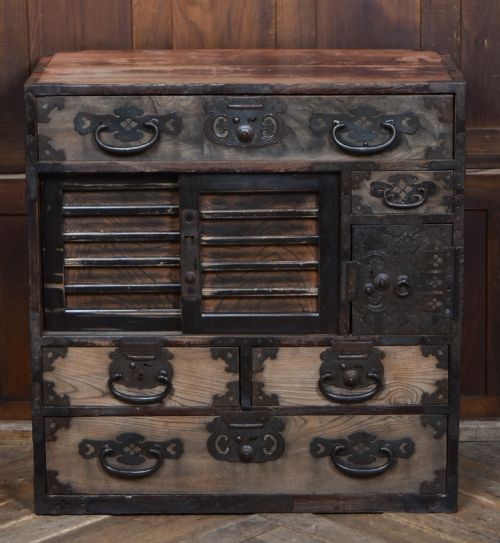
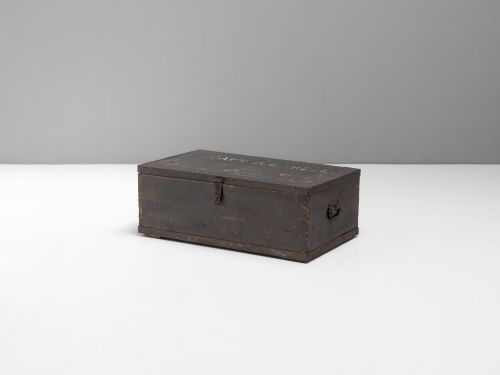
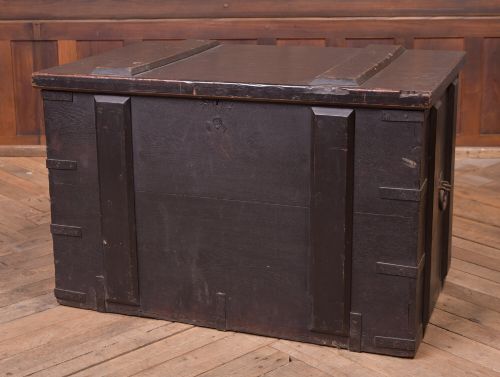
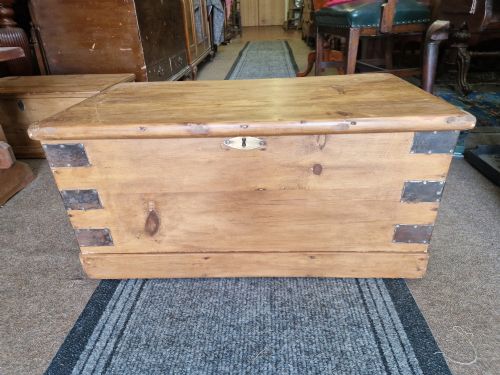
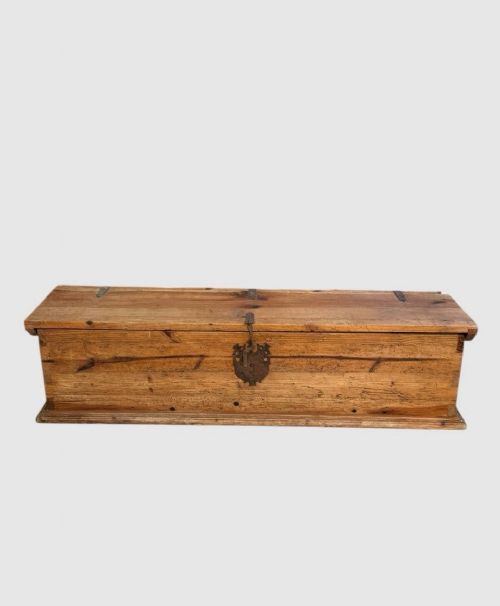
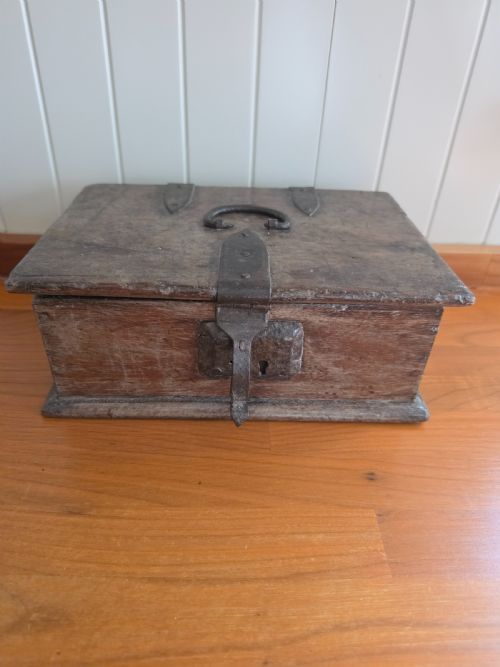
An iron bound wooden chest is a heavy-duty container built for security and travel, combining timber construction with structural metal reinforcement.
Iron Bound Wooden Chest
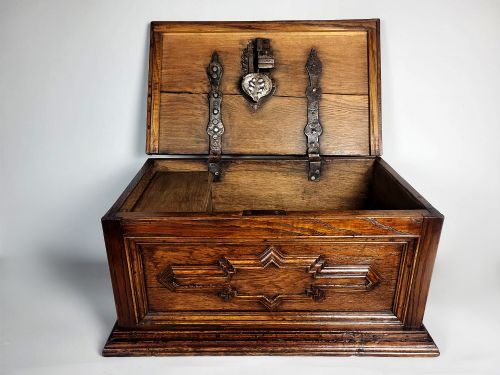
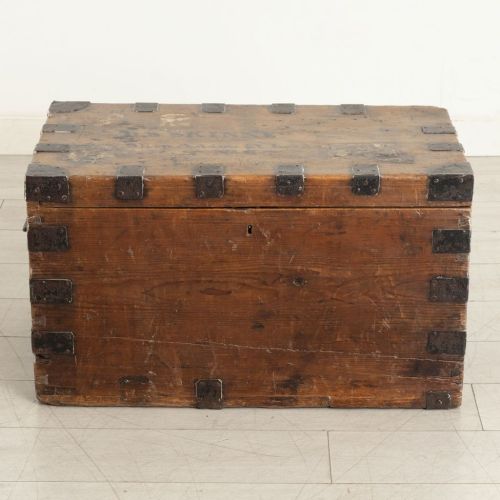
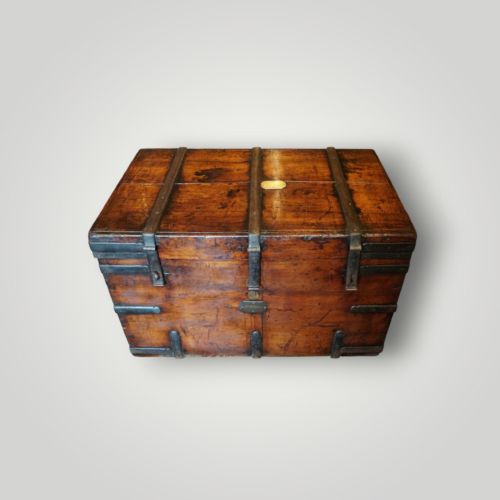
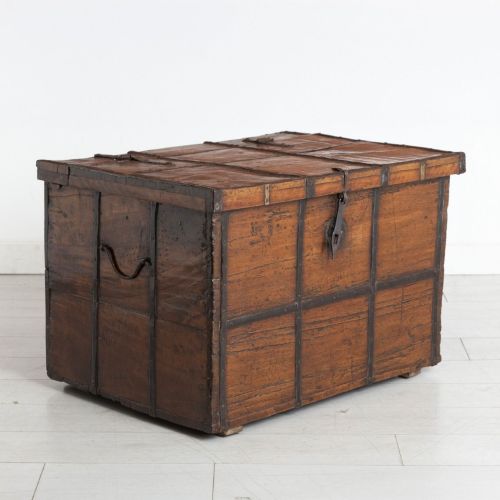
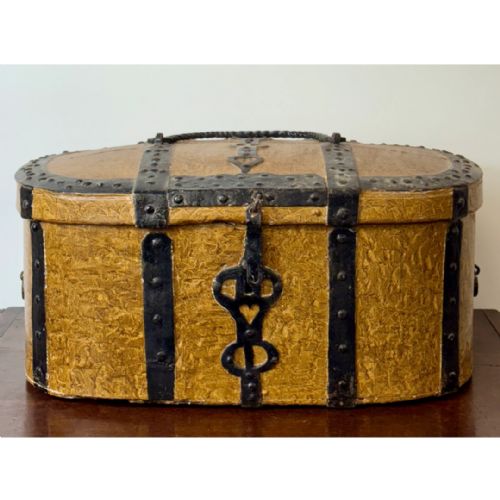
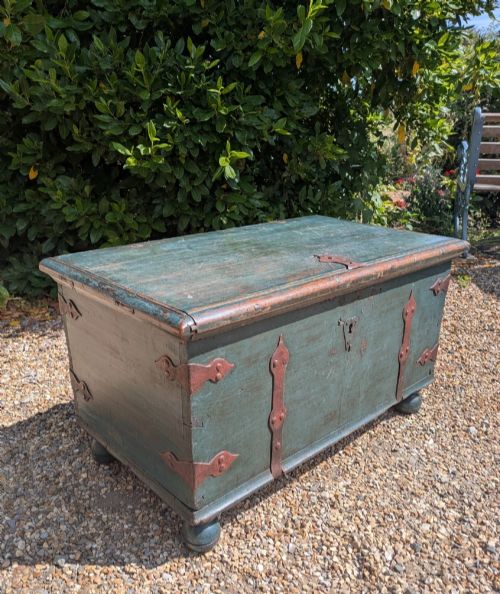
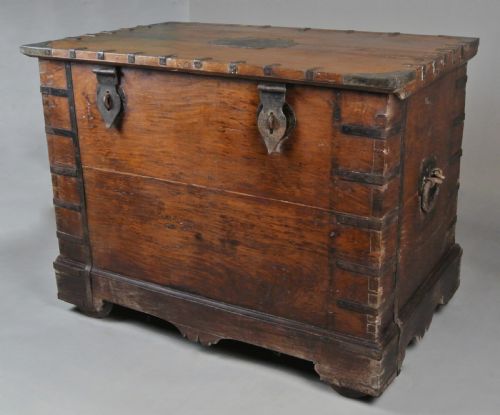
An iron bound wooden chest is designed for heavy use, storage, and secure transport across domestic and military settings. Buyers searching for an iron bound wooden chest will encounter forms ranging from early oak strongboxes to painted Scandinavian travel trunks and large teak dowry chests.
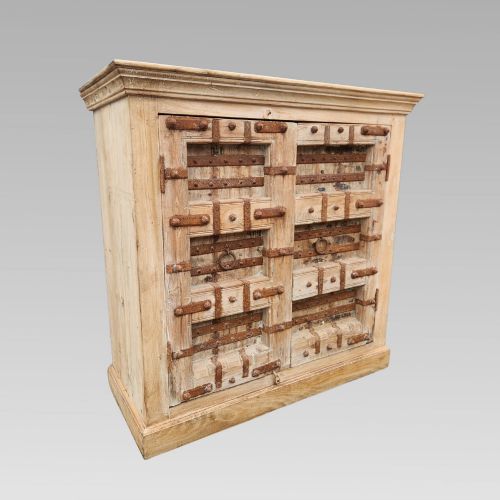
The pieces on this page span several centuries, with particular concentrations in the nineteenth century, the Victorian era, and the Georgian period. Regional varieties include Scandinavian folk art boxes, Indian damchiya chests, and British campaign trunks.
Form follows function across these examples, appearing as dome-top chests, sword chests, blanket boxes, and compact travelling strongboxes. Pine and oak provide the primary wooden bodies, reinforced heavily with iron strapwork and metal bands.
Materials and construction
Makers built the structural bodies of these trunks from domestic and exotic timbers such as pine, oak, elm, mahogany, walnut, and teak. Wood selection depended on the intended destination, utilising sturdy conifers and hardwoods to withstand regular movement and heavy weight.
Blacksmiths and metalworkers forged the iron strapwork, corner brackets, and complex locking mechanisms by hand. Iron bands and straps were fastened across the wooden surfaces to prevent splitting and to secure the contents against forced entry.
Surface treatments range from natural waxed grain and historic paint to protective hide coverings. Hand-forged steel locks and heavy-duty brass or iron hinges completed the construction of these robust storage containers.
Iron Bound Wooden Chest Retail Price Guide 2026
Typical asking prices for iron bound wooden chest among the pieces listed under this phrase on Sellingantiques today, from the lower quarter to the upper quarter. They describe what is for sale here now, not the wider market.
Listings feature pine, oak, elm, mahogany, walnut, and teak as the primary structural woods.
Assessing quality and character
Quality in an iron bound wooden chest rests upon the integrity of the original construction and the survival of its hardware. Hand-forged iron strapwork, original complex steel locks, and intact hinges separate utilitarian containers from finer examples.
The condition of the timber and any original painted decoration dictate the visual appeal of the piece. Trunks retaining their early paint surfaces, fitted interiors, or documented historical associations carry distinct craftsmanship merits.
The Iron Bound Wooden Chest Glossary
- Strapwork
- Flat strips of iron or steel riveted across the exterior of a chest to reinforce the wooden joints. This metalwork provides both structural rigidity and decorative pattern.
- Strongbox
- A heavy chest or box constructed specifically for safeguarding valuables, money, or documents. These pieces usually feature complex internal locking mechanisms.
- Campaign chest
- A portable set of drawers or a trunk built for military officers on active service. These items often separate into distinct sections and feature recessed brass handles for transport.
- Dowry chest
- A large storage box traditionally prepared for a bride's household possessions and marriage goods. They frequently display regional decorative painting or dense tropical hardwoods.
- Folk art
- Utilitarian objects decorated with traditional regional motifs, patterns, and pigments by local makers. Scandinavian examples often feature vibrant painted surfaces on pine bodies.
Iron Bound Wooden Chest: Frequently Asked Questions
How do I care for an antique wooden chest?
Maintain the timber and ironwork by keeping the chest in a stable environment away from direct heat sources and excessive moisture. Occasional light application of appropriate wax helps preserve dry wooden surfaces without harming historic finishes.
Avoid using harsh chemical cleaners on painted pine or aged metal straps. Gentle dusting with a dry cloth is sufficient for routine upkeep.
How can I tell the age of a chest?
Dating relies on observing construction methods, timber types, and the style of the ironwork and locks. Hand-forged strapwork, dovetail joints, and early fastener types typically point towards earlier centuries such as the seventeenth or eighteenth.
Later Victorian and nineteenth-century pieces often incorporate machine-cut elements alongside traditional joinery and standardised hardware. Documentary clues like maker's plates or inscriptions can also narrow down the period of manufacture.
Are these chests suitable for daily storage?
Most of these pieces are structurally sound and offer practical space for blankets, linens, or household items. Their original purpose demanded durability, which translates well to modern utility.
Care should be taken with delicate historical surfaces, such as original Swedish painted folk art, to prevent unnecessary wear during everyday use.