


19th Century Blanket Box
A 19th century blanket box offers sturdy storage with character, bringing practical timber construction and regional tradition straight into a modern interior.
What a 19th century blanket box is
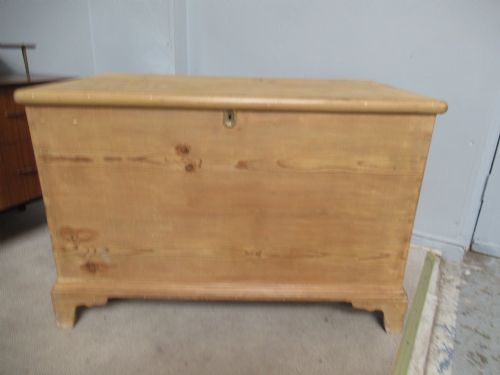
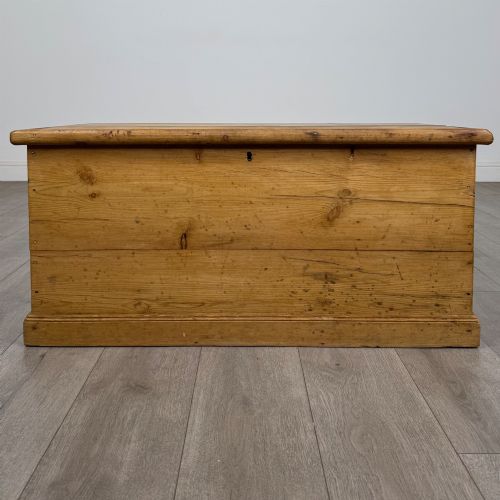
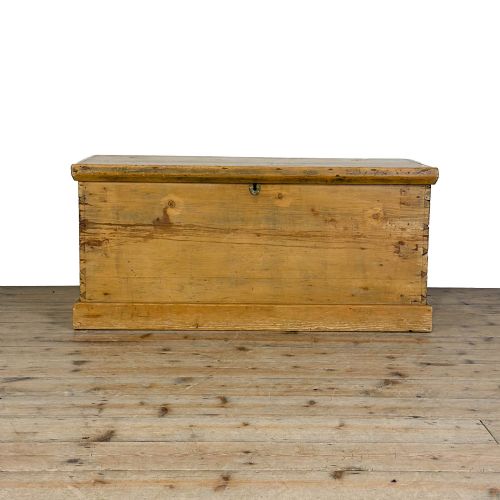
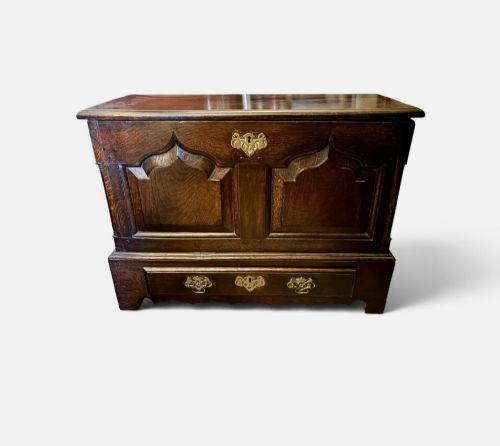
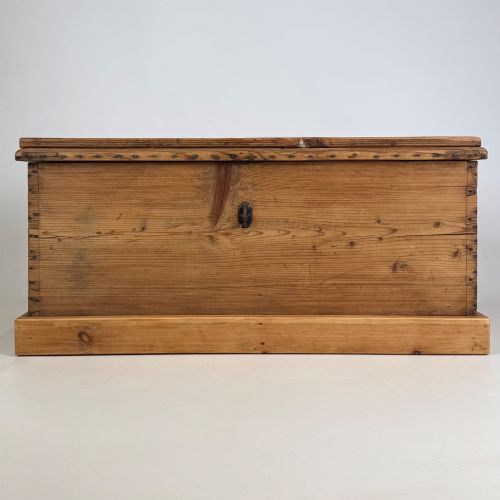
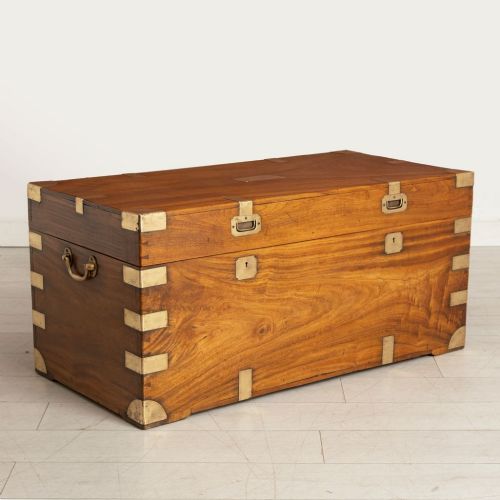
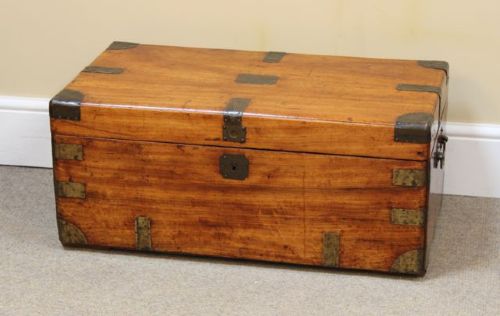
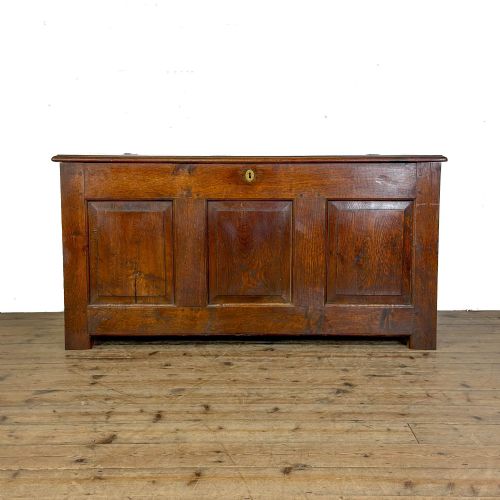
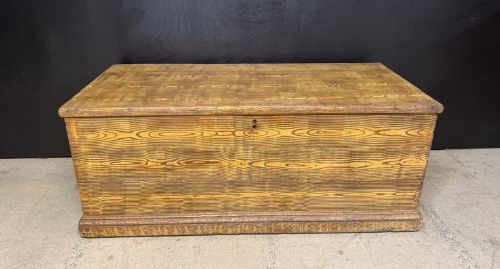
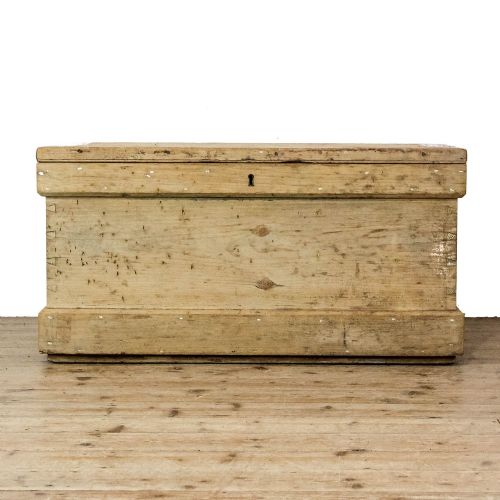
A 19th century blanket box serves as a robust chest or coffer designed for domestic storage, frequently encountered in regional pine or sturdy hardwoods. These pieces range from vernacular Welsh country and Victorian utility items to travelled campaign trunks and colonial imports.
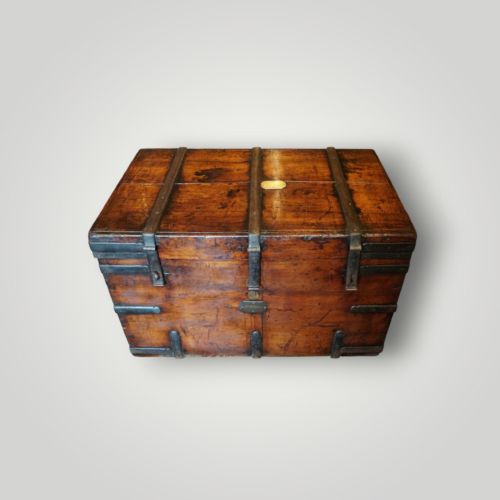
The pine versions often appear stripped, painted, scumbled, or finished with original iron and brass hardware. Hardwood examples span teak, camphor wood, elm, oak, and mahogany, reflecting both British domestic workshop traditions and distant overseas trade routes.
How they were made
Carpenters constructed these trunks using durable domestic and exotic timbers such as pine, oak, elm, mahogany, teak, and camphor wood. Joinery often incorporated pegged panels, robust dovetails, or panelled frameworks designed to withstand heavy domestic use and long journeys.
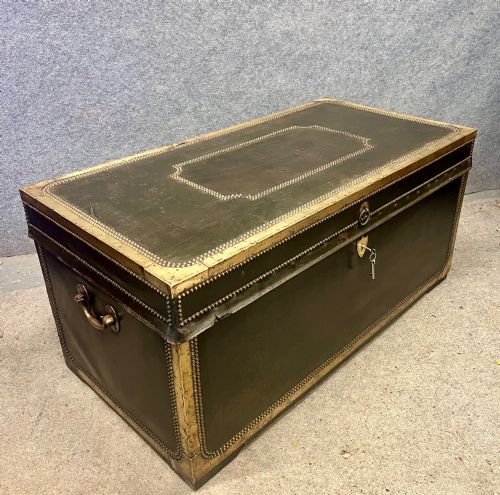
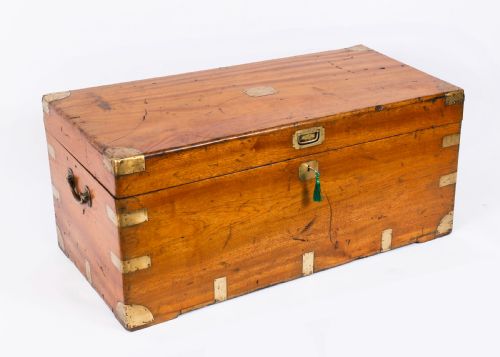
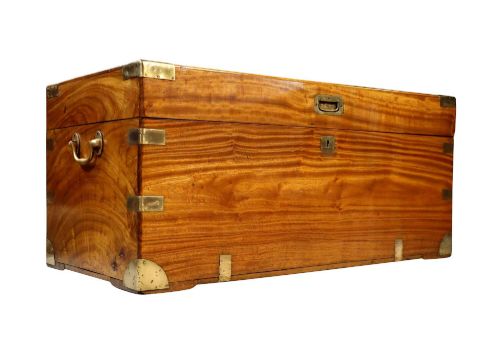
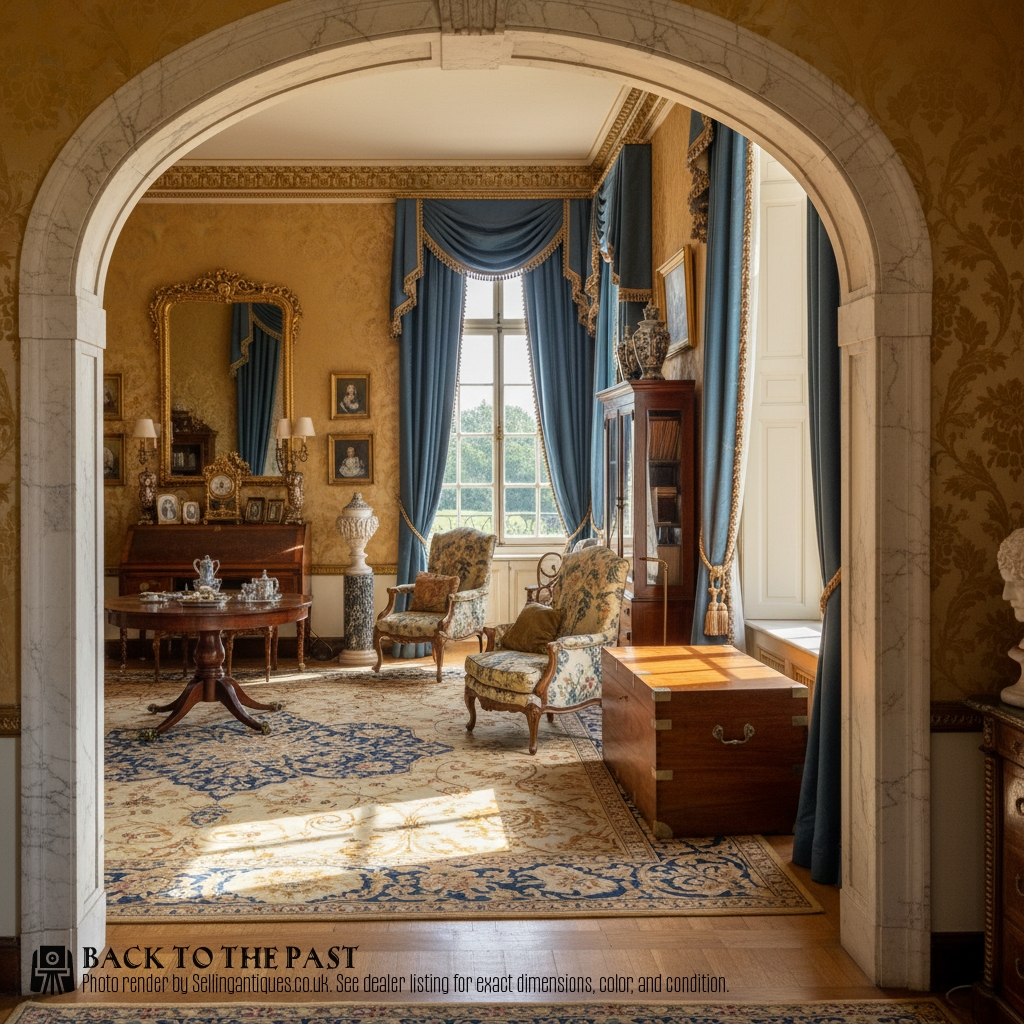
Makers finished the exteriors with iron or brass handles, corner brackets, and occasionally paint, scumble, or ebonised surfaces. These metal mounts served a practical purpose for transport while reinforcing the structural corners of the box.
Retail Price Guide 2026
Typical UK retail prices for 19th century blanket box, calculated from the Sellingantiques database of over a million retail prices indexed since 2003. This retail price guide relies exclusively on Sellingantiques data; no external sources or auction records are used, so the figures do not describe the wider market.
One surviving mid-century pine trunk carries a direct date inscription from eighteen sixty-five, marking time with ink on wood.
What varies in quality
Quality rests in the selection of timber, the integrity of the joinery, and the survival of original surface treatments and hardware. Pieces retaining their early iron handles, uncompromised hinges, and untouched patinated finishes sit at the upper end of the scale.
The presence of dense exotic woods like camphor or teak, or sophisticated regional carving on oak and elm, distinguishes finer workshop production from plain utilitarian storage chests. Altered surfaces, replaced feet, or heavily restored panels shift an item away from its original state.
The 19th Century Blanket Box Glossary
- Campaign
- Furniture built in sections or fitted with recessed handles and corner brasses for military transport. These pieces were designed to pack down and travel across the empire.
- Scumble
- A decorative paint technique involving a translucent top layer dragged or brushed over a lighter base to imitate grain. It was commonly applied to pine furniture to add visual depth.
- Coffer
- A traditional heavy timber chest with a lid, historically used for storing valuables or textiles. The term often overlaps with blanket box in early oak and elm forms.
- Camphor wood
- An aromatic Southeast Asian timber prized for its insect-repellent properties and distinct scent. It was frequently utilised for trunks and chests meant to protect woollens.
Frequently Asked Questions
What is a 19th century blanket box used for?
These boxes provided secure household storage for blankets, linens, and garments before fitted wardrobes became standard in domestic bedrooms.
Today, they function effectively as coffee tables, television stands, or hallway storage while retaining their traditional utility.
How do I tell pine from hardwood chests?
Pine chests generally display a softer, lighter softwood grain that was often painted, scumbled, or stripped during the Victorian period.
Hardwood chests utilise dense timbers such as oak, elm, mahogany, teak, or camphor wood, showing heavier weight and distinct natural grain patterns.
What is a campaign blanket box?
Campaign boxes feature recessed brass handles, corner brackets, and robust construction intended for military officers on the move.
These pieces were built in teak or other durable woods to endure overseas transit and frequent relocation.
How should I care for an antique wooden trunk?
Keep wooden chests away from direct heat sources and sudden temperature fluctuations to prevent the timber from splitting or warping.
Apply a traditional wax polish occasionally to nourish the surface and preserve the natural patina of the wood.