

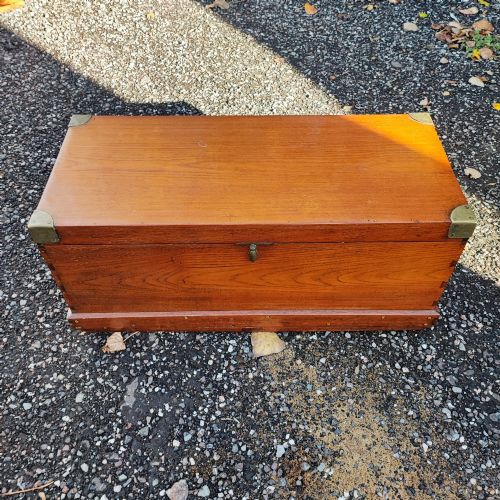
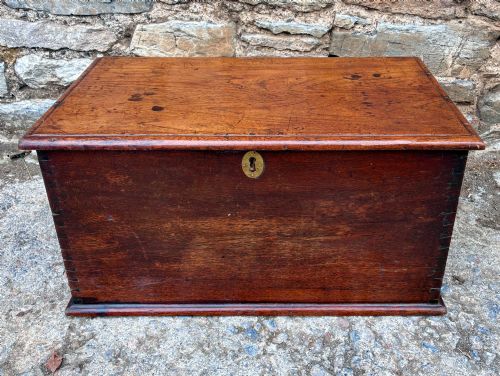
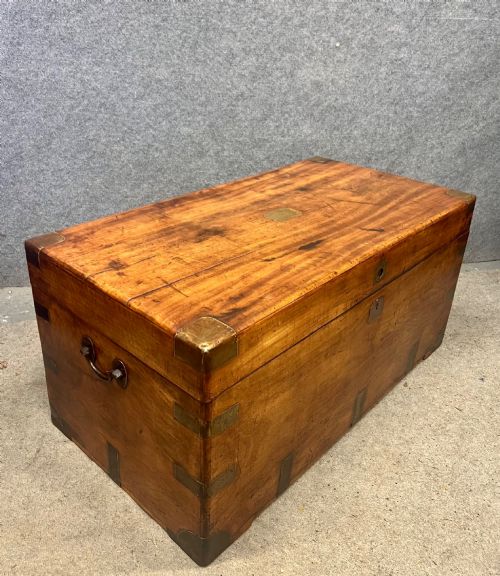
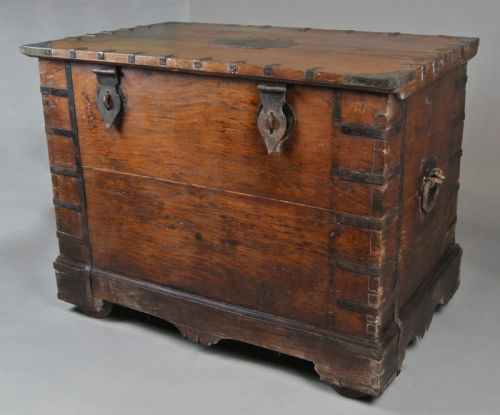


Teak Blanket Box
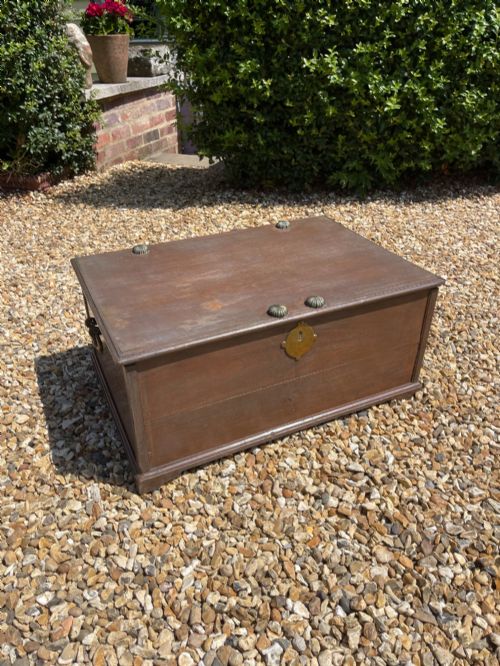
A teak blanket box brings sturdy colonial timber and robust brass mounts into a room, serving as a handsome storage chest with deep travel history.
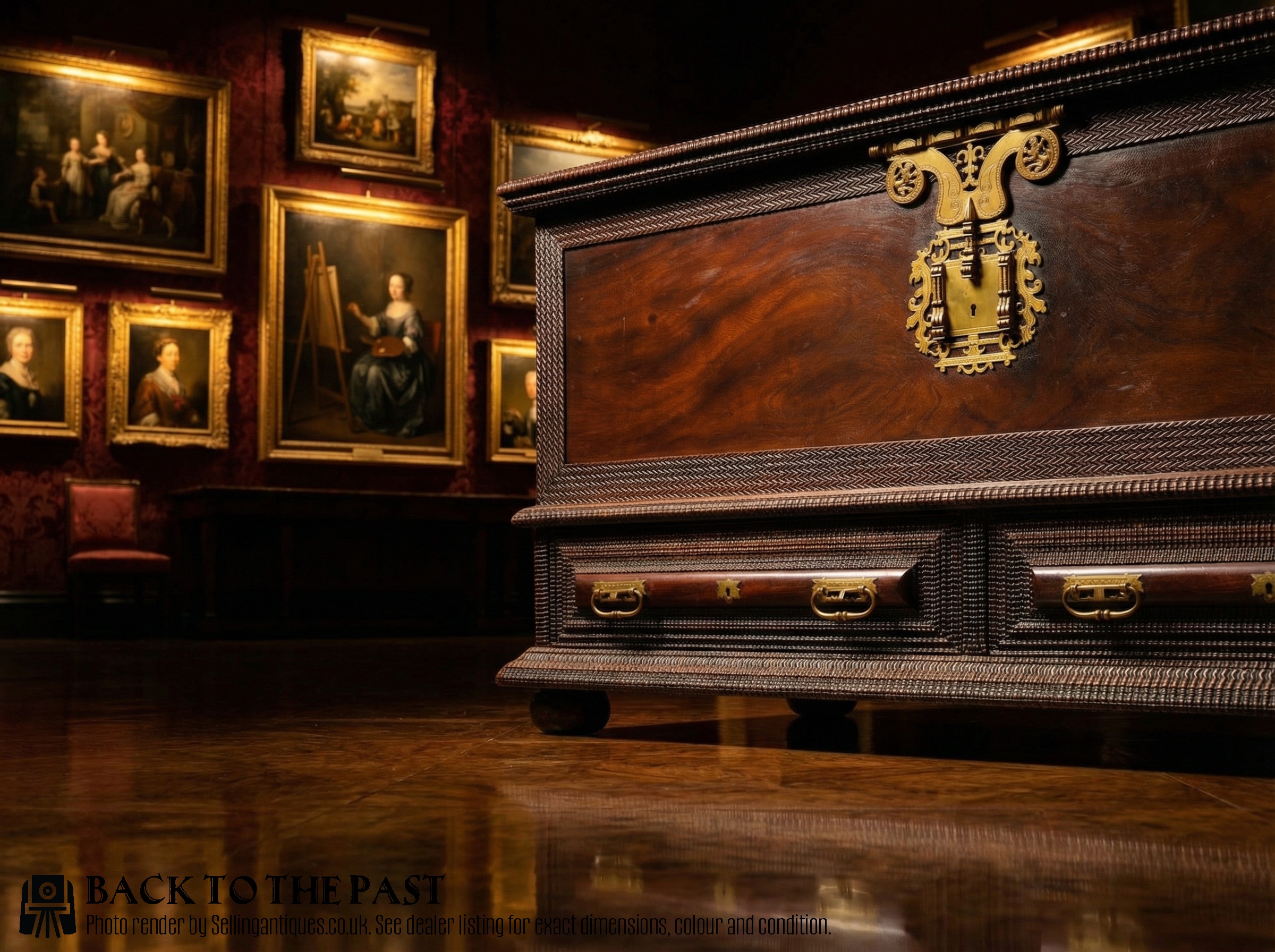
Teak Blanket Box
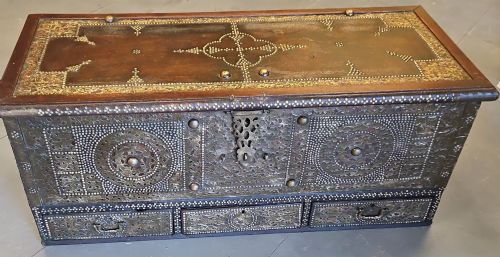
A teak blanket box search brings up sturdy storage chests built for travel and domestic use, spanning the eighteenth century through to the Edwardian period. You will frequently encounter Anglo-Indian campaign trunks, Dutch colonial pieces, and Zanzibar chests designed for merchants or military officers.
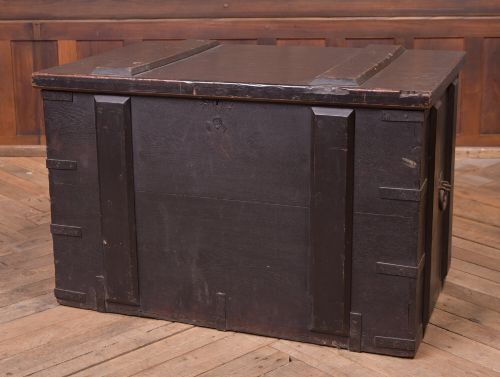
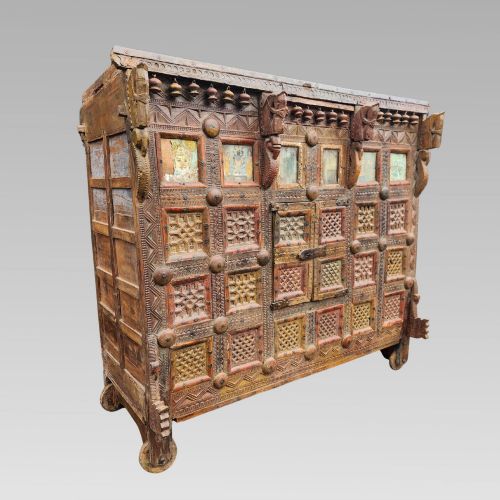
These forms range from plain iron-bound coffers to heavily carved dowry chests and marriage cabinets resting on stands or wheels. Most examples date from the nineteenth century and combine heavy hardwood construction with functional metal fittings.
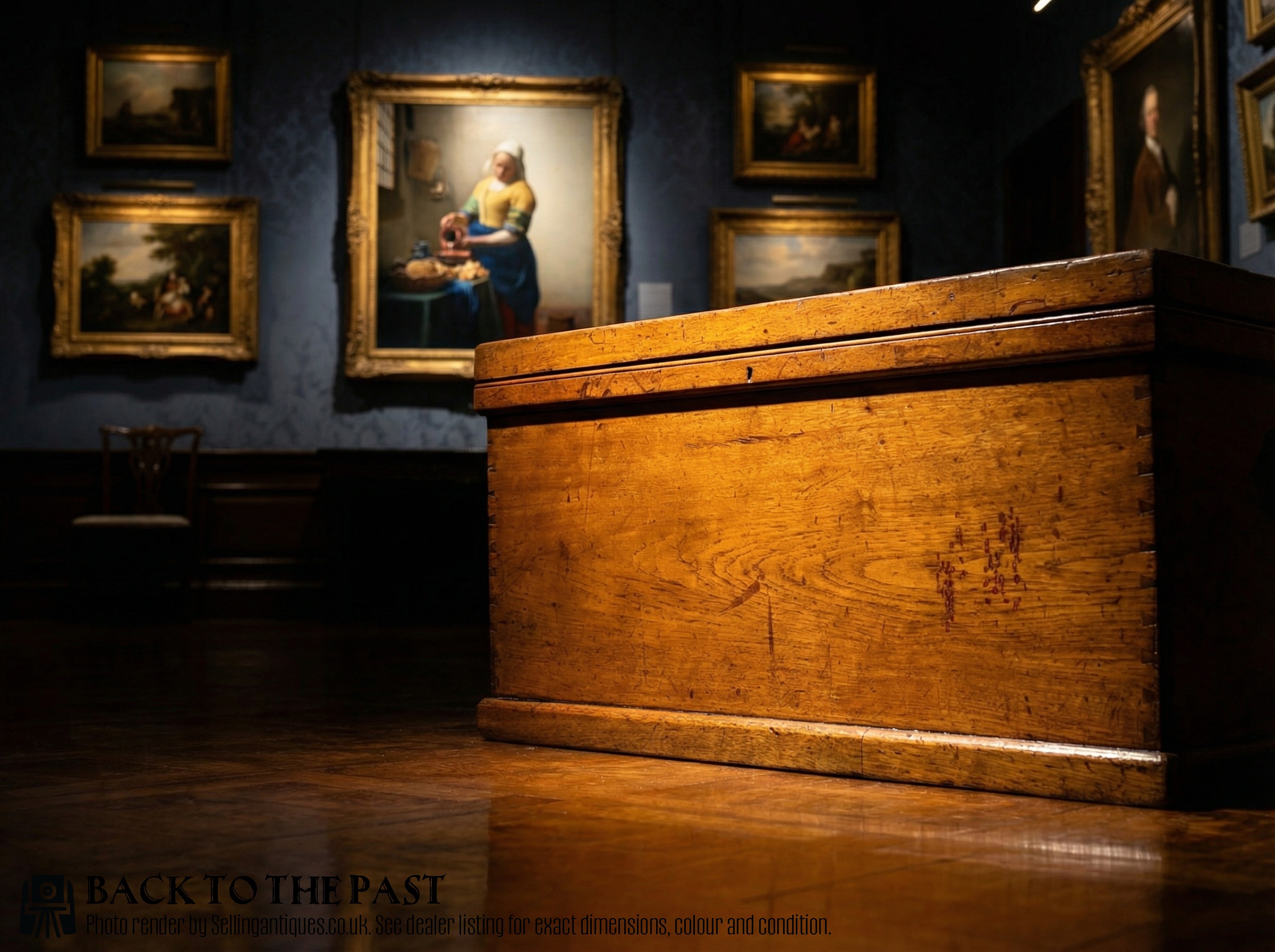
Materials and construction methods
Carpenters constructed these pieces primarily from solid teak and dense tropical hardwoods, selected for their resistance to humidity and wear. Craftsmen reinforced the heavy timber frames with substantial brass or iron straps, corner plates, and carrying handles.
Many boxes feature intricate hand-carved details, traditional studwork, or dark lacquer finishes applied over the native timber. Interiors frequently incorporated fitted compartments, till boxes, and sturdy locking mechanisms suited for long voyages.
Teak Blanket Box Retail Price Guide 2026
Typical asking prices for teak blanket box among the pieces listed under this phrase on Sellingantiques today, from the lower quarter to the upper quarter. They describe what is for sale here now, not the wider market.
Listings feature teak blanket boxes spanning the eighteenth century through to the Edwardian era, incorporating brass, iron, glass, and ebony elements.
Assessing build quality and condition
Quality depends heavily on the integrity of the original hardware, such as whether the heavy brass mounts, strapwork, and drop handles remain intact and original to the piece. The weight and selection of the solid teak timber also distinguish standard utility trunks from finely carved celebratory or dowry chests.
Superior examples display precise dovetail joinery, well-preserved internal till compartments, and clean surfaces that retain their original patina and iron or brass studding without excessive structural alteration.
The Teak Blanket Box Glossary
- Zanzibar chest
- A heavy merchant trunk featuring elaborate brass studding, strapwork, and a domed or flat lid made of teak or hardwood. These pieces travelled extensively along Indian Ocean trade routes.
- Campaign trunk
- A portable storage chest built in sections with recessed brass handles for military officers on the move. They are typically constructed from dense teak to withstand harsh climates.
- Dowry chest
- A large decorative box used to hold household linens and valuables for a wedding. Indian examples often display deep hand-carved panels and robust iron banding.
- Coffer
- A sturdy wooden box used for safekeeping valuables, distinguished by a heavy lid and solid framing. These function as practical low tables or blanket storage in modern interiors.
Teak Blanket Box: Frequently Asked Questions
How do I date a teak blanket box?
Dating relies on examining the construction methods, such as hand-cut dovetails, the style of the brass mounts, and the type of hinges used. Pieces from the eighteenth century typically show different construction traits compared to later Victorian or Edwardian examples.
Historical clues also hide in the specific regional style, whether Anglo-Indian, Dutch colonial, or traditional African trade chests. Comparing the wear patterns and secondary woods helps confirm the likely decade of manufacture.
Where were these chests made?
The evidence shows these chests originate from various global trade hubs and colonial outposts, including India, maritime Southeast Asia, and regions influenced by Dutch colonial trade. Workshops adapted local hardwoods to meet the rigorous demands of merchants, sailors, and military personnel.
Traders and travellers transported these durable containers across oceans, which explains why similar styles appear across different continents. Each piece reflects the aesthetic preferences and metalworking skills of its specific region of origin.
Can I use a campaign chest as a coffee table?
These low, sturdy boxes work well as coffee tables because their flat tops provide ample surface area and their robust construction handles daily living. The addition of brass straps and corner brackets protects the timber from bumps and adds industrial character to a living space.
Inside storage offers a practical place to stow blankets, board games, or living room clutter out of sight. The heavy hardwood build ensures the piece remains stable under everyday use.
How do I care for antique teak furniture?
Maintaining antique teak involves keeping the wood away from direct heat sources and sudden humidity changes to prevent the timber from splitting. Regular dusting with a dry cloth and occasional application of appropriate natural wax preserves the dark grain and original patina.
Avoiding harsh chemical cleaners protects the historic finish on both the wood and the metal mounts. Gentle handling of original locks and hinges ensures the moving parts continue to function smoothly.