



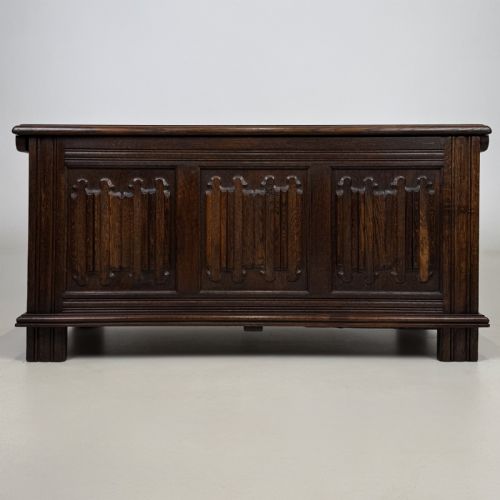
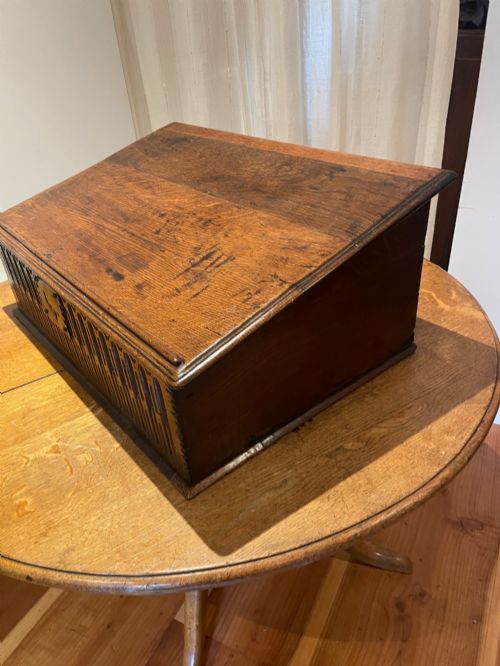
Brown Wooden Coffer
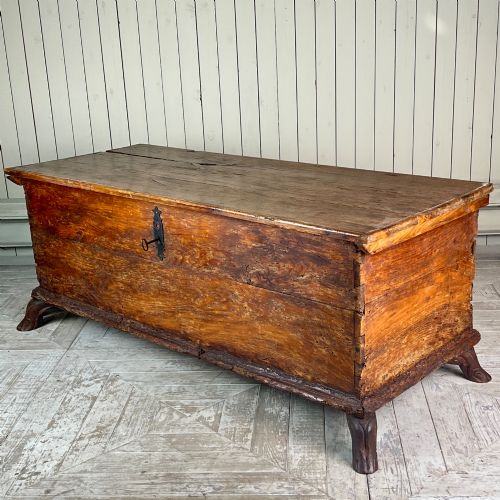
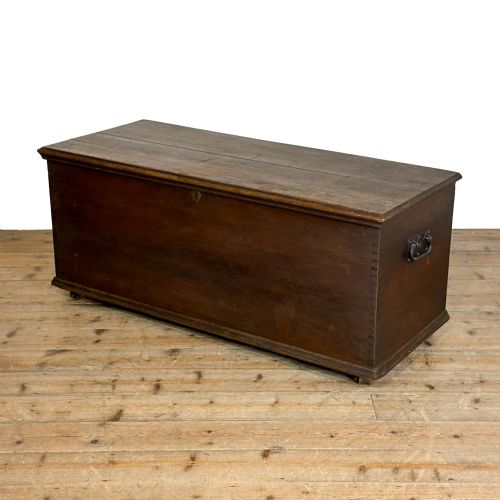
A brown wooden coffer is a sturdy storage box built to hold valuables, linens, or documents, valued for its robust construction and rich grain.
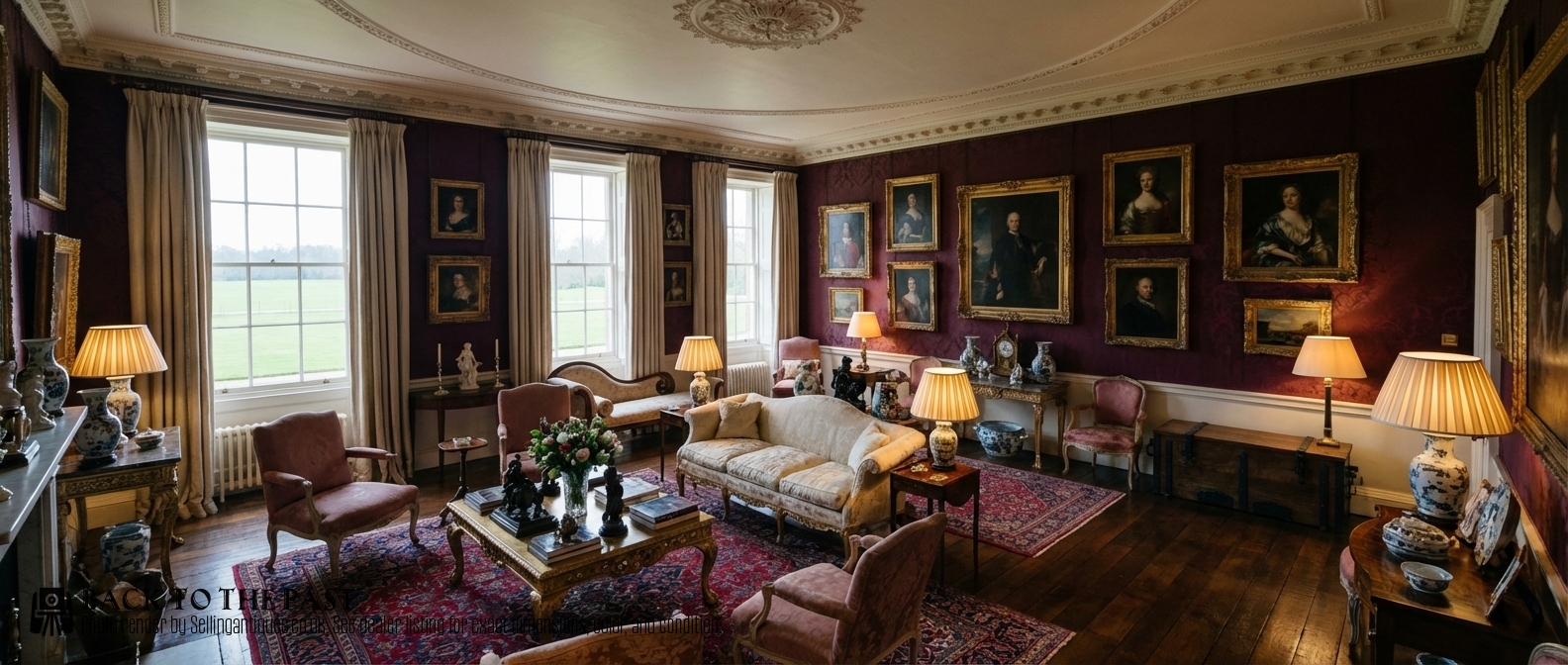
Brown Wooden Coffer
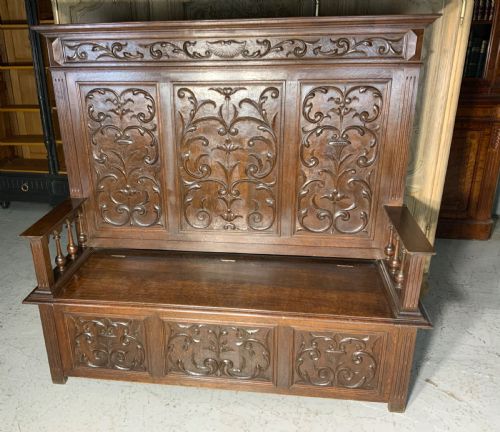
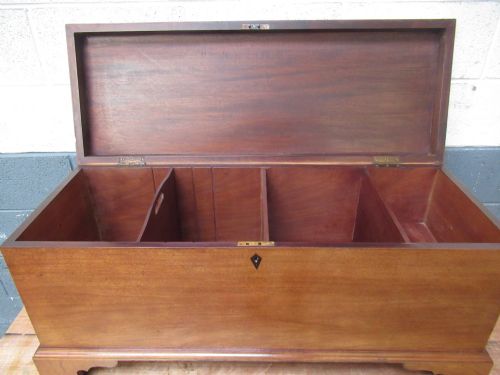
A brown wooden coffer functions primarily as a sturdy receptacle for domestic storage, ranging from simple boarded trunks to panelled chests designed for keeping household goods safe. When searching for a brown wooden coffer, buyers encounter heavy timber boxes originating from various centuries, serving both functional storage and decorative utility.
The selections span distinct historical periods, with pieces appearing from the sixteenth, seventeenth, eighteenth, and nineteenth centuries, alongside later revival examples. Oak forms the most common timber basis, accompanied by alternative woods such as elm, walnut, camphor wood, and mahogany.
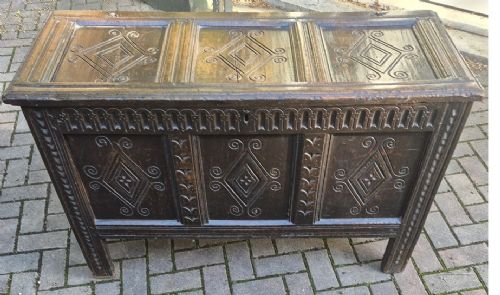
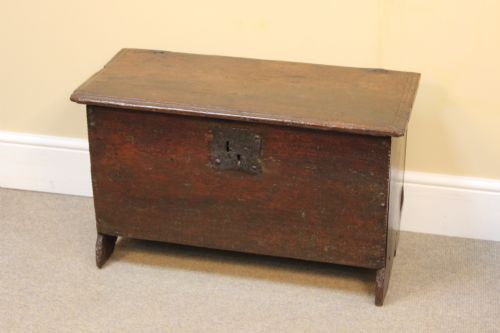
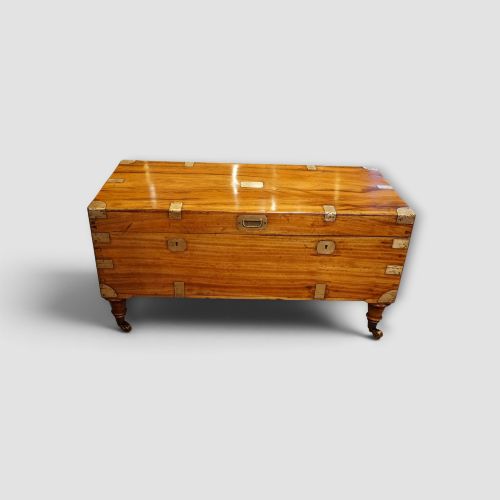
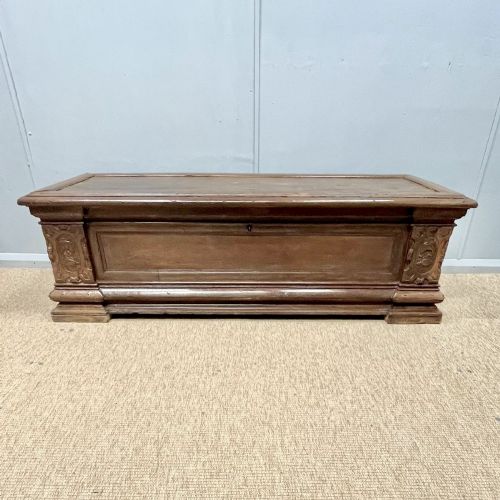
Forms vary from utilitarian six-plank constructions and sword chests to panelled coffers, campaign chests bound in brass, and mule chests incorporating drawers at the base. Regional variations also appear, including Welsh oak examples, Anglo-Indian campaign trunks, and continental imports.
How they were made
Joinery techniques dictate the construction of older pieces, utilising traditional pegged mortise and tenon joints within panelled oak frames to allow timber movement without splitting. Simpler versions rely on edge-joined planks fastened together, sometimes supplemented by sturdy iron straps and corner brackets for added durability.
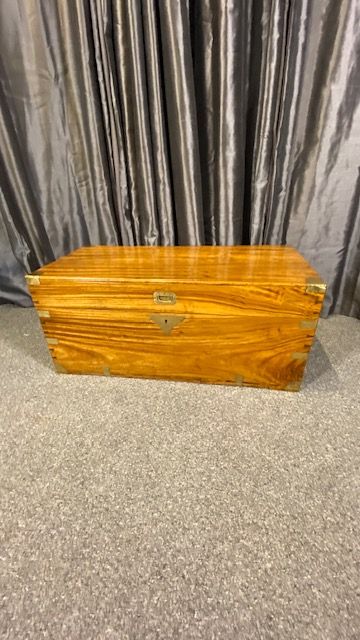
Exotic timbers like camphor wood, teak, and padouk utilise dovetailed corners and brass fittings, particularly on nineteenth-century campaign trunks built for travel. Surface finishes rely on natural wax applications that build a deep patina over decades of handling and polishing.
Brown Wooden Coffer Retail Price Guide 2026
Typical asking prices for brown wooden coffer among the pieces listed under this phrase on Sellingantiques today, from the lower quarter to the upper quarter. They describe what is for sale here now, not the wider market.
Officers travelling abroad relied on camphor wood trunks because the fragrant timber naturally kept tropical insects away from dress uniforms.
What varies in quality
The integrity of the timber and the retention of original surfaces separate standard examples from superior ones. Pieces retaining their early hinges, locks, and feet without extensive timber replacement command greater appreciation among collectors.
Carved detail and proportions also define the tier of a piece, where crisp hand-carving on seventeenth-century oak panels or precise crossbanding on Georgian mahogany and walnut surfaces display superior craftsmanship.

The Brown Wooden Coffer Glossary
- Cofer
- An early term for a strongbox or chest used for storing valuables, plate, or documents. These heavy boxes typically feature boarded or panelled timber construction.
- Mule chest
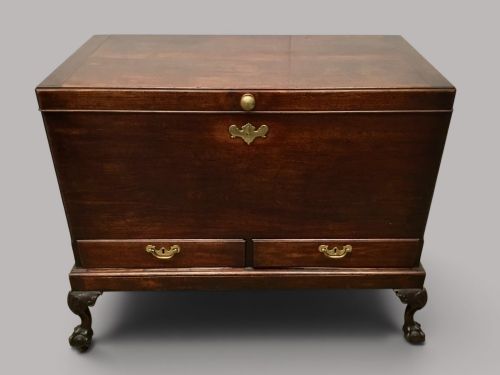
- A storage chest featuring one or more drawers built into the base beneath the main compartment. This form bridges the evolution between the simple chest and the chest of drawers.
- Campaign trunk
- A portable chest made in sections or fitted with carrying handles and brass corners for military transport. These pieces often utilise camphor wood or mahogany and brass bindings.
- Six-plank coffer
- A primitive box construction formed from six individual boards joined at the edges. This method represents one of the oldest surviving forms of vernacular furniture.
- Crossbanding
- A decorative border technique where thin strips of veneer are laid across the grain of the primary wood. This method appears on finer furniture from the Georgian period onward.
Brown Wooden Coffer: Frequently Asked Questions
What is the difference between a coffer and a chest?
Historically, a coffer denoted a box with a flat or domed lid used specifically for storing valuables and travel, often fitted with a lock. Over time, the terms merged, though collectors often use coffer to describe older, panelled, or boarded oak receptacles.
Simpler storage boxes without locking mechanisms or complex joinery were frequently termed chests. Both forms served similar domestic roles across centuries of interior use.
How do I date an antique wooden coffer?
Dating relies upon examining construction methods, tool marks, timber species, and design motifs. Sixteenth and seventeenth-century examples typically show hand-split oak panels, pegged joints, and simple stile-and-rail construction.
Later pieces from the eighteenth and nineteenth centuries introduce dovetailing, secondary woods like ash or pine, and refined mouldings. Ironwork styles and hinge types also provide reliable indicators of age.
Where were camphor wood coffers used?
Camphor wood trunks served primarily as travelling chests for British officers and merchants operating in the colonies during the nineteenth century. The dense, aromatic timber naturally repelled insects, protecting uniforms and documents in tropical climates.
These pieces were typically reinforced with brass corners and strapwork to withstand long sea voyages. Today, they function domestically as blanket boxes or coffee tables.
How do I care for a historic wooden coffer?
Maintenance requires keeping timber away from direct heat sources and dramatic humidity fluctuations, which cause wood to split or warp. Regular applications of traditional beeswax help nourish the dry grain and preserve the surface patina.
Avoid modern silicon-based polishes, as they build up residue and degrade the historic finish. Gentle dusting with a soft cloth remains the best daily practice.
What is a mule chest?
A mule chest is a hybrid storage piece that combines a traditional lift-lid compartment with one or more drawers fitted beneath. Emerging in popularity during the eighteenth century, it allowed easier access to stored clothing without opening the top lid.
Examples seen in oak and mahogany often feature decorative crossbanding and brass drawer pulls. They served as versatile bedroom and landing furniture in period homes.