



Wooden Storage Coffer
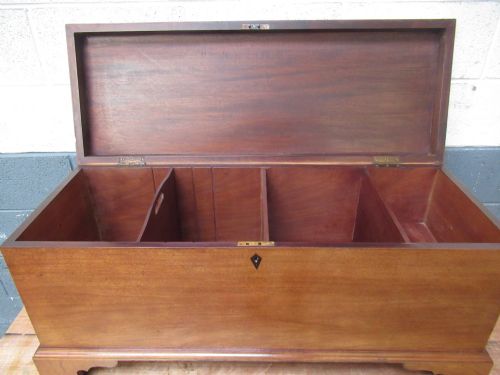
A wooden storage coffer is a heavy chest built to hold household goods, offering sturdy utility and enduring period character.
Wooden Storage Coffer
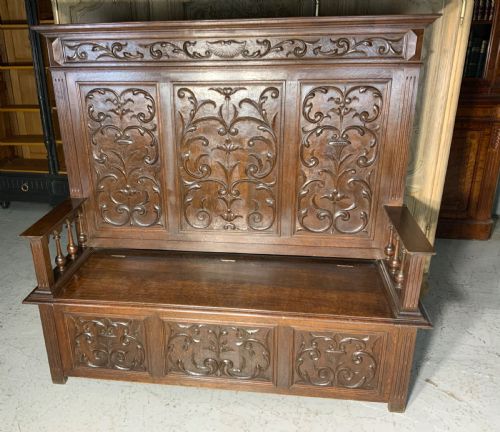
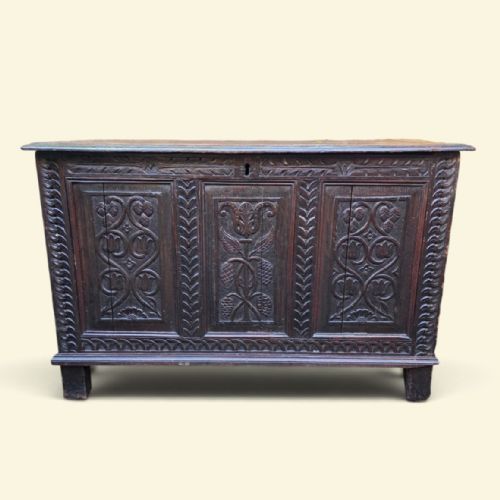
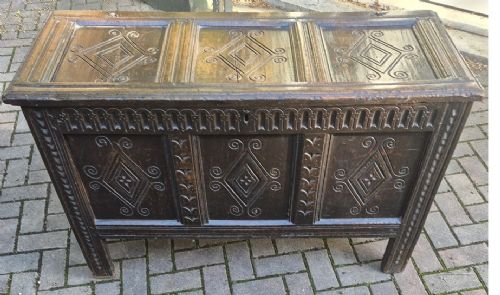
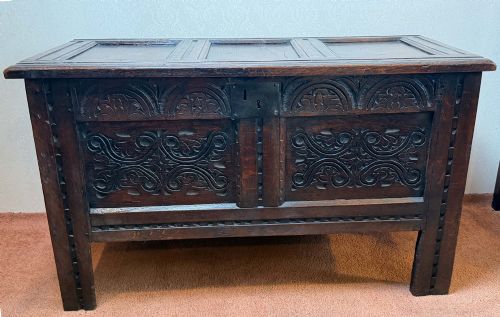
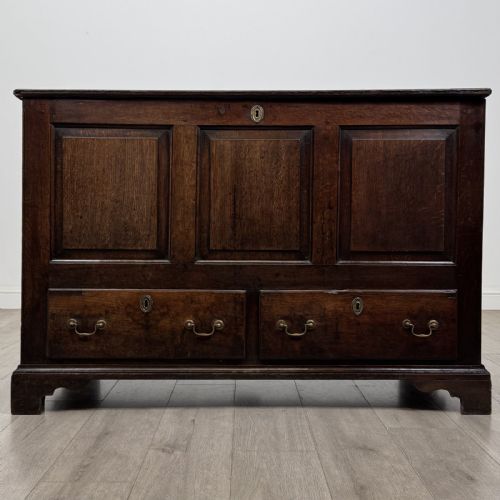
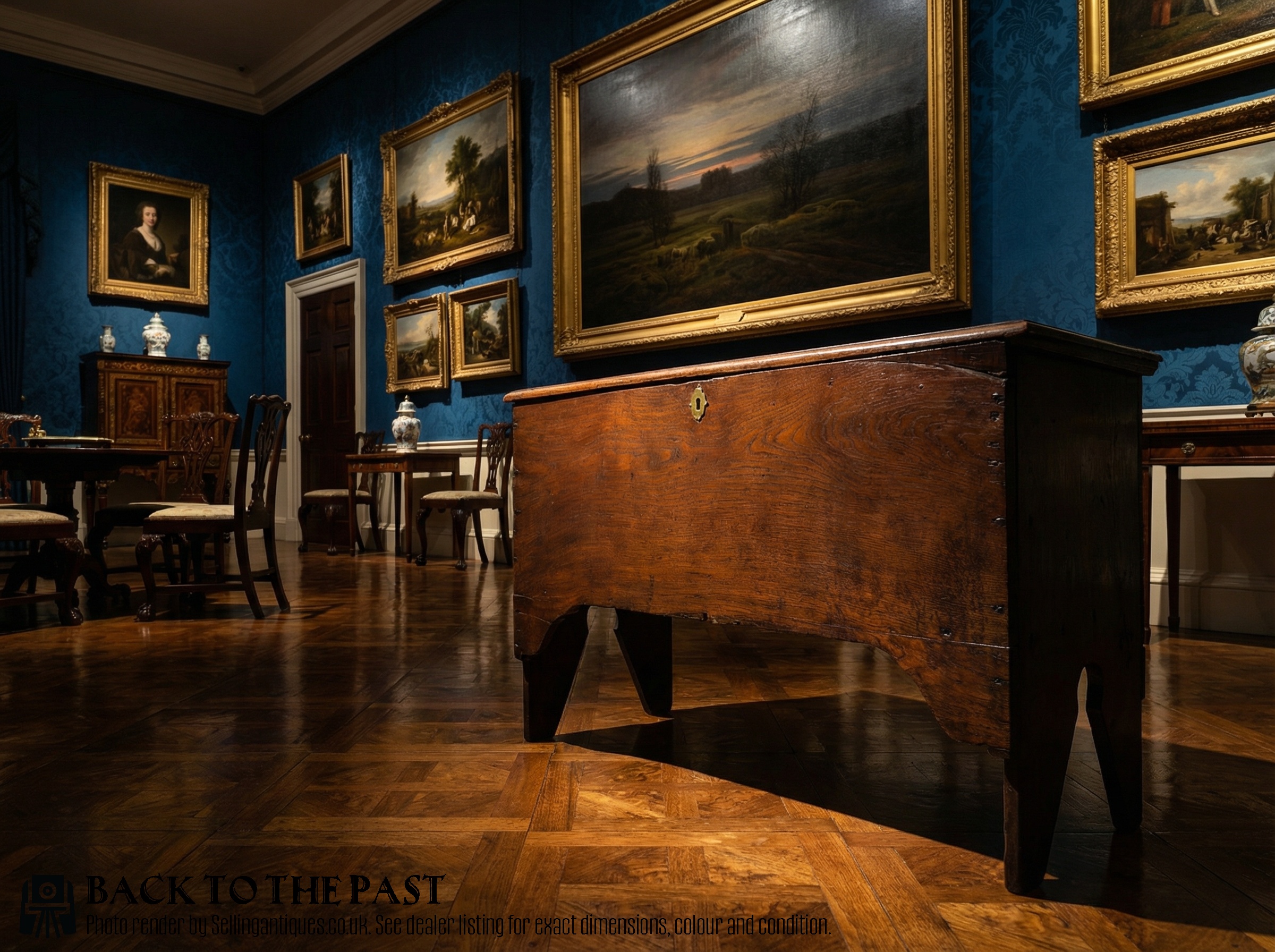
A wooden storage coffer takes the form of a robust chest or trunk designed for domestic containment, appearing frequently in sturdy oak across the seventeenth and eighteenth centuries. These early examples often display panelled construction or carved surfaces, serving originally for textiles, documents, or valuables.
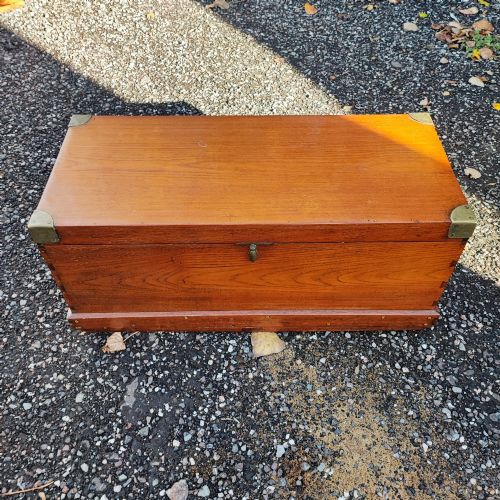
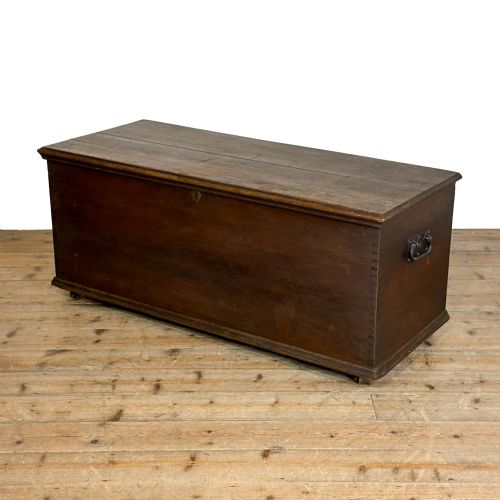
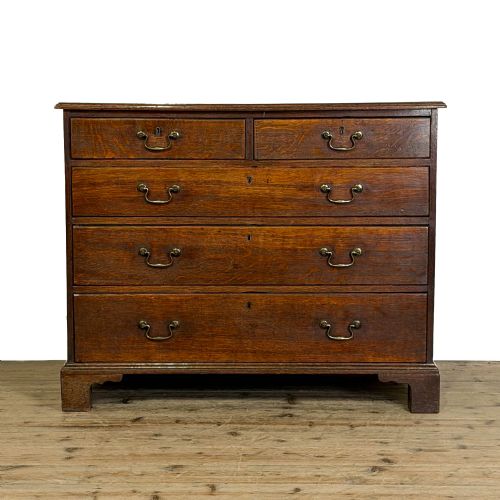
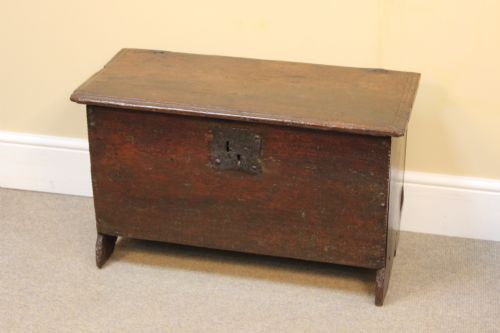
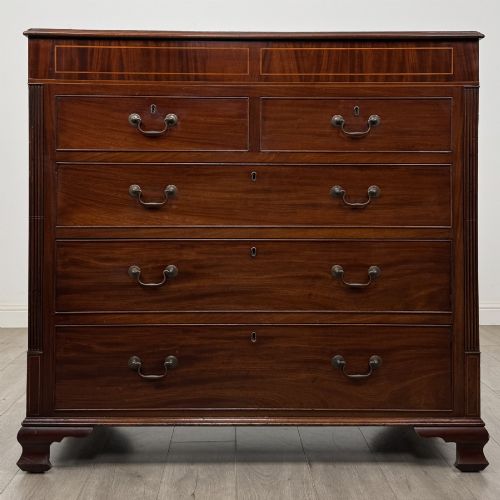
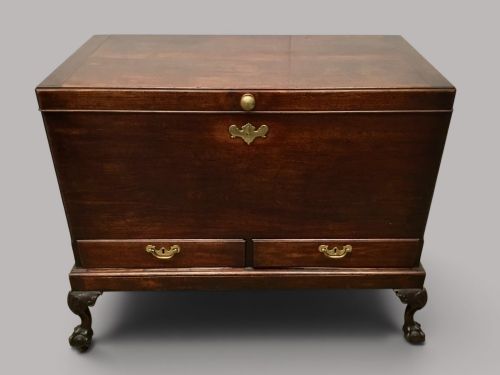
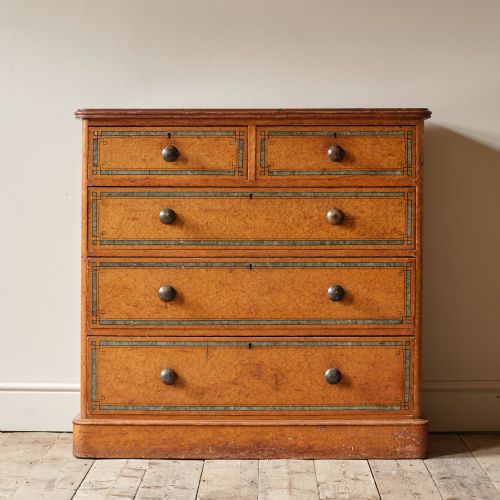
By the nineteenth century, forms shift towards pine blanket boxes, elm six-plank boards, and brass-bound camphor wood trunks built for travel or everyday household storage. Buyers encounter both vernacular farmhouse pieces and more formal Georgian mahogany chests with multiple drawers.
Regional variants such as Welsh coffer bachs and Anglo Indian campaign trunks broaden the selection, alongside specialised forms like sword chests and document boxes. Oak remains the predominant timber, anchoring the category in heavy traditional craft.
Materials and construction
Makers utilised native and exotic timbers, relying heavily on solid oak for seventeenth and eighteenth-century examples while employing pine, elm, and mahogany as tastes shifted. Camphor wood appears in travel trunks, prized for its insect-repellent properties.
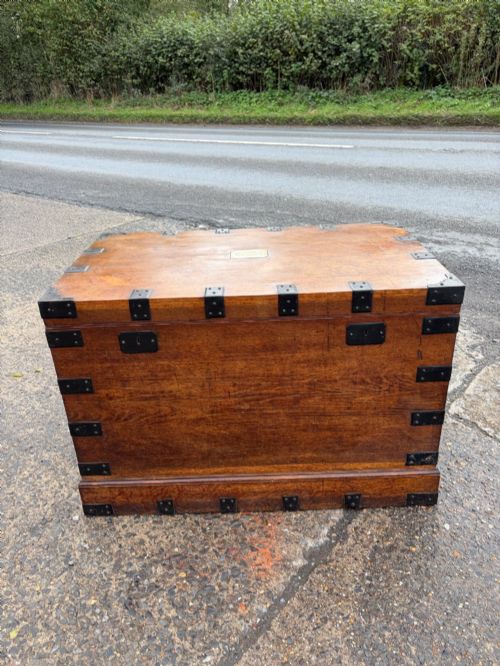
Construction methods range from simple six-plank joined boards to sophisticated panelled frames held together by wooden pegs. Iron and brass feature heavily as reinforcement, appearing through strap hinges, corner brackets, and recessed carrying handles on campaign pieces.
Wooden Storage Coffer Retail Price Guide 2026
Typical asking prices for wooden storage coffer among the pieces listed under this phrase on Sellingantiques today, from the lower quarter to the upper quarter. They describe what is for sale here now, not the wider market.
Listings feature timbers ranging from native British oak, elm, and pine to exotic camphor wood, padouk, and mahogany.
Quality and finish
Quality rests in the selection of timber and the crispness of any carving, with superior pieces showing tight medullary rays in the oak and well-proportioned panels. Finer examples retain their original hinges, locks, and robust boarded lids without excessive warping.
The degree of hand craftsmanship separates standard utility boxes from exceptional pieces boasting marquetry inlay or intricate geometric mouldings. Surface patination, gained through centuries of waxing and handling, marks the difference between a dry timber surface and a rich, deep skin.
J Moorcroft
The Wooden Storage Coffer Glossary
- Coffer
- A heavy wooden chest traditionally used for storing valuables or household goods. These pieces often feature hinged lids and sturdy boarded construction.
- Mule chest
- A storage chest that includes one or more drawers beneath the main compartment. This hybrid form bridges the gap between a traditional coffer and a chest of drawers.
- Campaign trunk
- A portable chest designed for military officers on the move. They typically incorporate brass bindings, flush handles, and durable timbers like camphor wood.
- Six-plank coffer
- A primitive chest constructed from six individual boards joined directly at the edges. This method represents one of the earliest forms of joined furniture.
- Coffer bach
- A small Welsh box or coffer, often resting on feet or a short stand. The term translates from Welsh as little coffer.
Wooden Storage Coffer: Frequently Asked Questions
What were wooden storage coffers originally used for?
People utilised these chests to secure valuable documents, textiles, woollens, and household provisions against dampness and theft.
In eras before fitted wardrobes, they served as the primary wardrobe and security vault for a household's movable wealth.
How do I distinguish a seventeenth-century coffer from a later revival piece?
Early pieces show hand-split timber, pegged tenon joints, and ironwork forged by hand rather than machine cut.
Signs of genuine age include natural timber shrinkage, tool marks from pit saws, and deep patination around the primary touch points.
Why do some trunks feature brass corners and flush handles?
Brass corners and recessed handles protect the timber and prevent snagging during transport on military campaigns or sea voyages.
This specific hardware defines campaign furniture built for durability in harsh travel conditions.
How should I care for an antique oak or camphor wood chest?
Keep the timber away from direct heat sources and sudden humidity shifts to prevent the wood from splitting.
Apply a traditional beeswax polish occasionally to nourish the grain and maintain the protective surface sheen.