


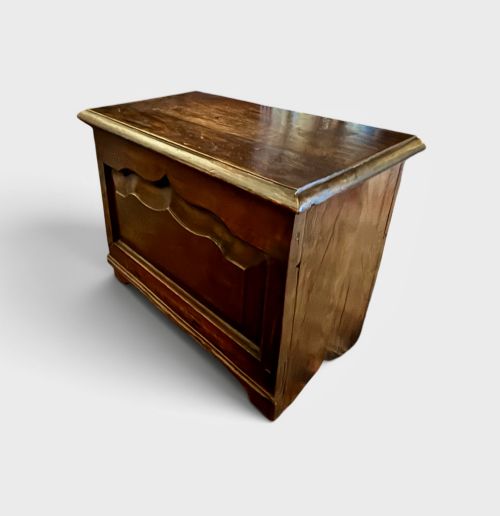
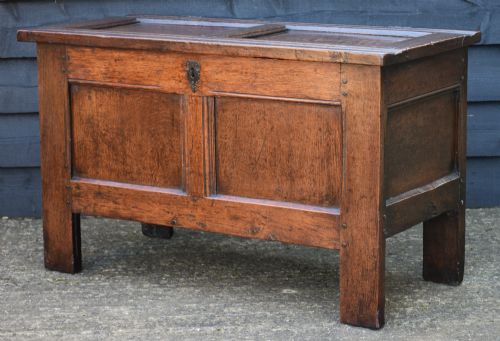
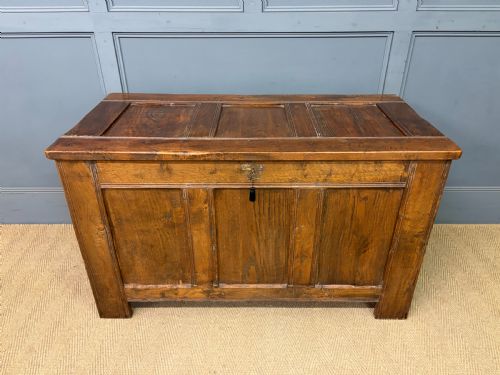
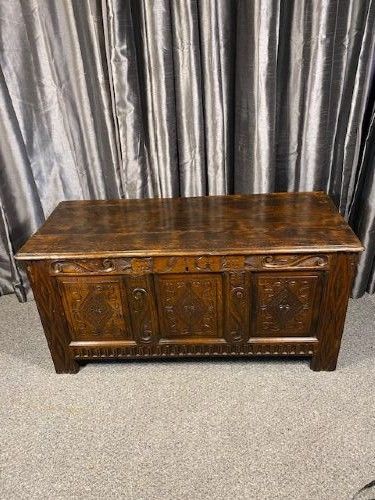
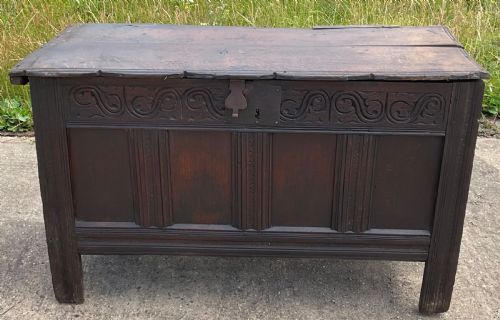
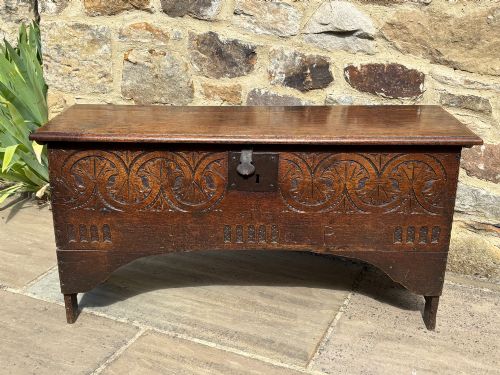
Rustic Oak Blanket Chest
A rustic oak blanket chest brings centuries of practical English country storage and solid timber craftsmanship directly into your home.
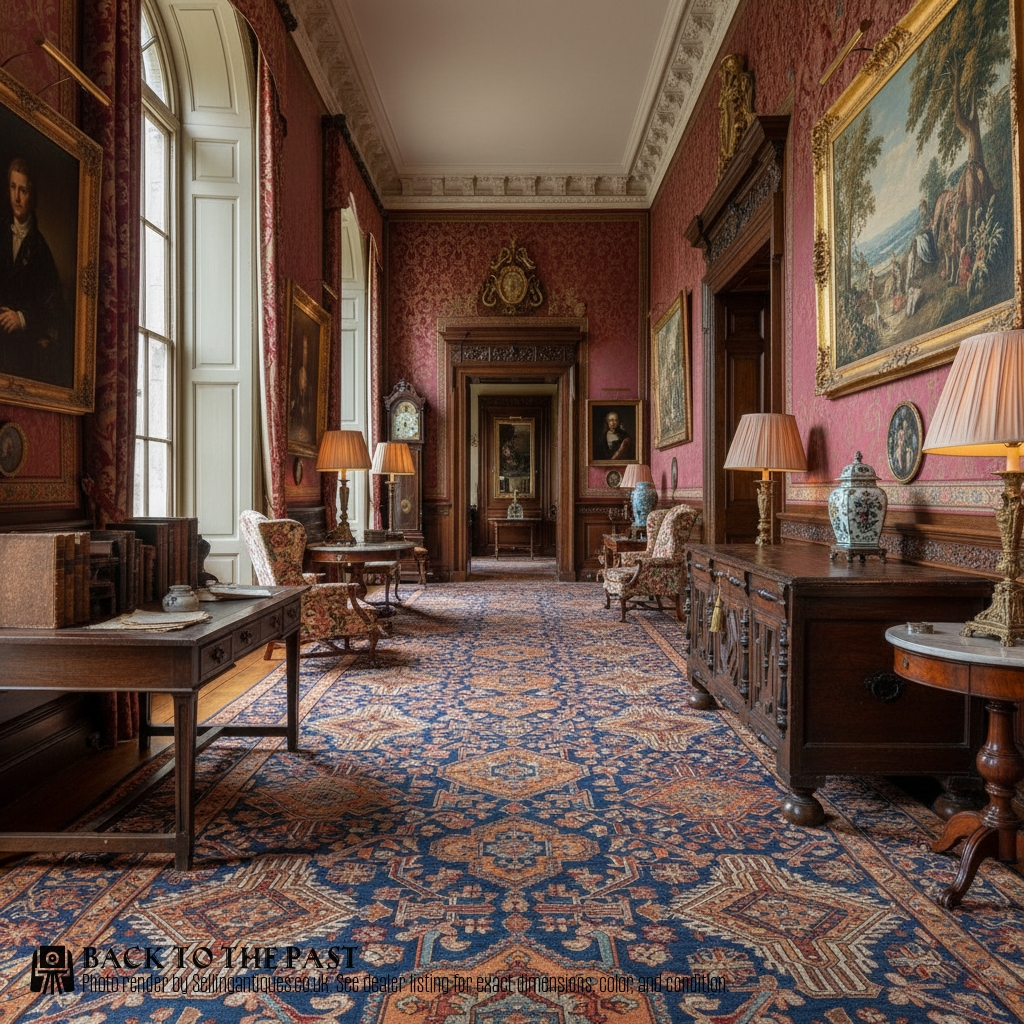
Rustic Oak Blanket Chest
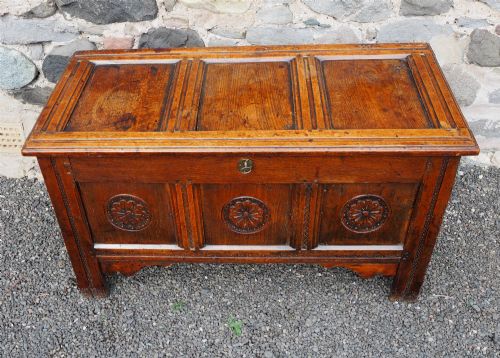
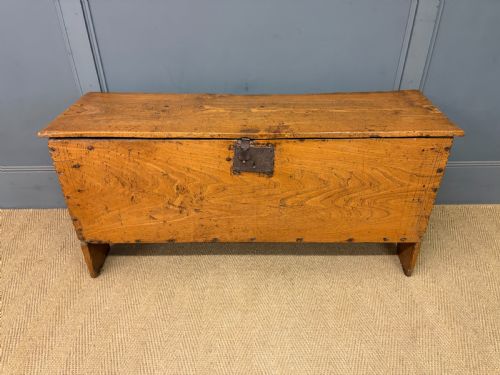
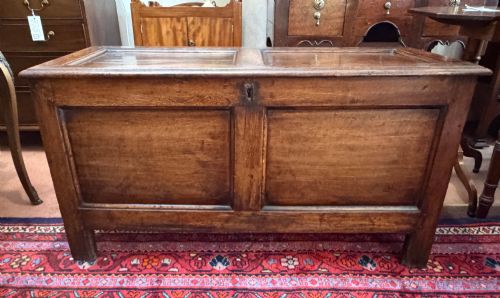
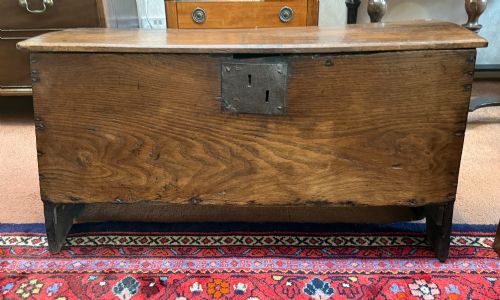
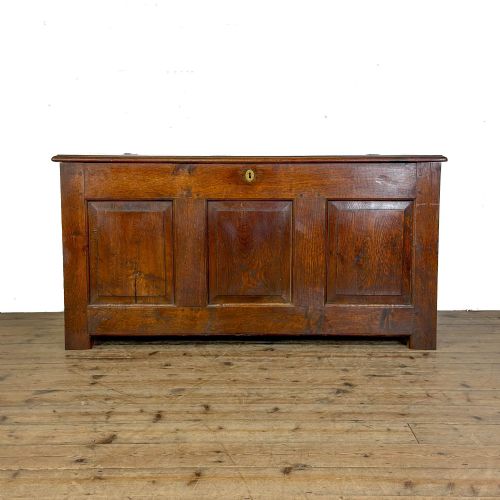
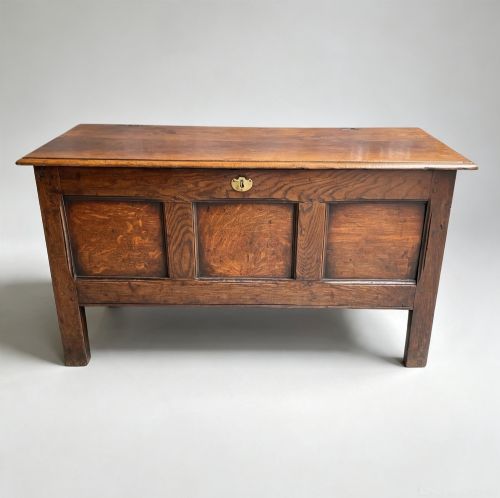
A rustic oak blanket chest is a substantial storage box shaped by centuries of utilitarian design, often referred to in listings as a coffer, trunk, or mule chest. When you search for this phrase, you encounter heavy timber boxes intended to hold linens, woollens, and household provisions.
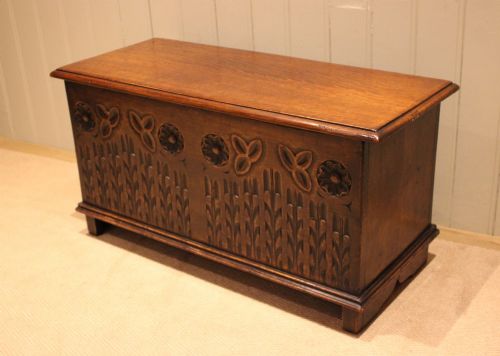
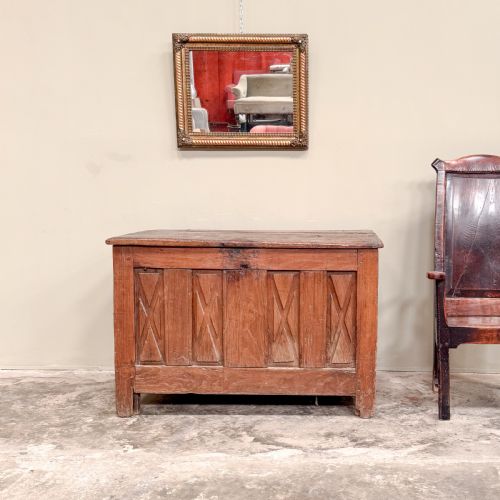
The pieces on this page span the seventeenth, eighteenth, and nineteenth centuries, taking forms such as panelled coffers, sword chests, and grain arks. Many originate from vernacular traditions, including Welsh and English country workshops, while others display French provincial or continental influences.
You will find variations ranging from small proportions suitable for tight spaces to large European examples. Certain items incorporate drawers beneath the main compartment, characteristic of mule chests, while others sit upon stands or feature carved decoration.
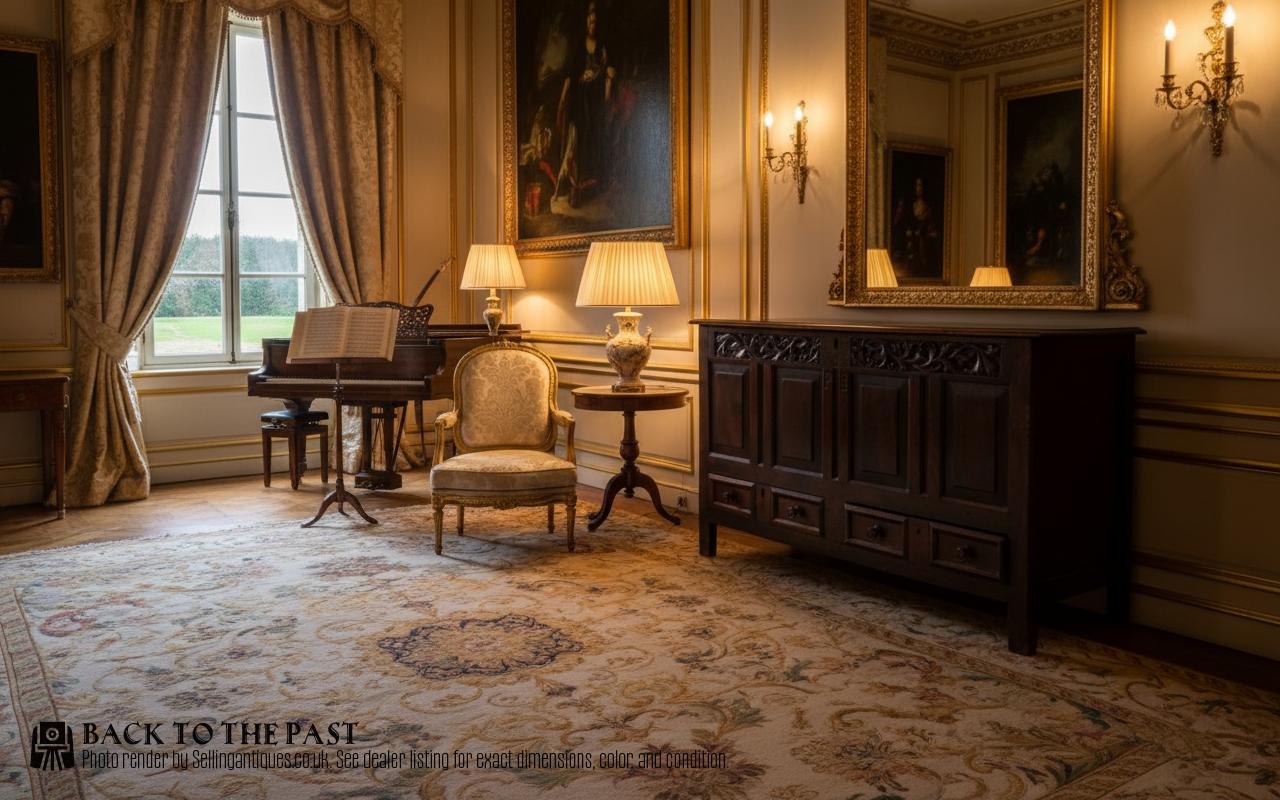
Materials and construction methods
Makers built these chests primarily from solid oak, sometimes combining it with secondary timbers like elm, pine, and burr elm for specific panels. Carpenters relied on sturdy frame and panel construction to accommodate the natural movement of unyielding wood over decades of use.
Iron and brass hardware provided both structural reinforcement and fastening security, appearing through wrought iron hinges, strapwork, and keyplates. Surfaces frequently display the rich patination of aged timber, occasionally enhanced by historic paint finishes.
Rustic Oak Blanket Chest Retail Price Guide 2026
Typical asking prices for rustic oak blanket chest among the pieces listed under this phrase on Sellingantiques today, from the lower quarter to the upper quarter. They describe what is for sale here now, not the wider market.
Some chests moonlighted as indoor grain bins and sword vaults before settling down to a quiet retirement holding spare duvet covers.
Distinguishing quality and character
The tier of a chest rests upon the integrity of its timber selection, where straight-grained oak or striking burr elm panels elevate a piece above standard utility boxes. Finer examples display deliberate proportions, balanced panel layouts, and careful hand-carving executed by regional artisans.
Jack Grimble
The Rustic Oak Blanket Chest Glossary
- Coffer
- A large wooden chest traditionally used for storing valuables, documents, or clothes. These items form the core of early storage furniture.
- Mule chest
- A storage chest featuring one or more drawers built beneath the main compartment. This design evolved from the standard coffer to offer more accessible organisation.
- Grain ark
- A specialised vernacular wooden bin or chest used historically for storing grain or meal. Examples hail from regional origins such as Snowdonia.
- Sword chest
- A long, narrow chest specifically designed to accommodate swords and edged weapons. These pieces often date from the seventeenth and eighteenth centuries.
- Vernacular furniture
- Domestic items built by local craftsmen using regional styles and readily available materials. This tradition avoids grand metropolitan court designs in favour of utility.
Rustic Oak Blanket Chest: Frequently Asked Questions
How do I date an old oak chest?
Dating relies on examining construction techniques, such as the transition from boarded joints to frame-and-panel assembly. Hand-wrought iron hinges and the tool marks left by early carpenters offer further clues.
Stylistic motifs like seventeenth-century carving or eighteenth-century proportions also help narrow down the period of origin.
Where were these chests made?
Many chests originated in regional workshops across England, Wales, and continental Europe. Vernacular styles often reflect the specific district where the timber was felled and worked.
Examples range from Welsh country pieces to French provincial trunks and English country workshop items.
How do I care for antique oak?
Keep oak furniture away from direct heat sources and drastic humidity changes to prevent the timber from splitting. Regular dusting with a dry cloth maintains the surface.
Applying a traditional wax polish occasionally helps nourish the aged wood and preserves its natural lustre.