


Carved Blanket Chest
A carved blanket chest brings centuries of fitted storage into a room, offering deep timber boxes shaped by panels and surface chisel work.
The Form and Period of a Carved Blanket Chest
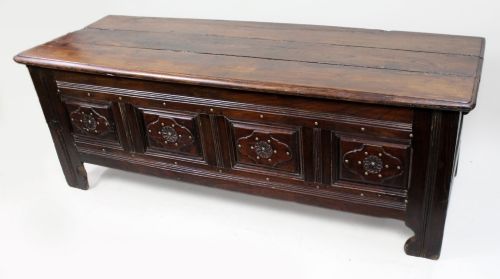
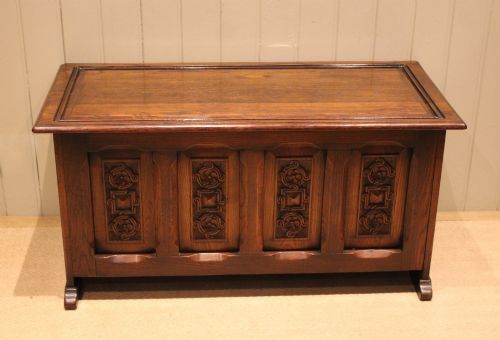
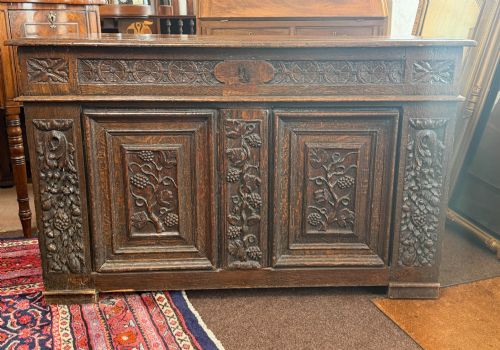
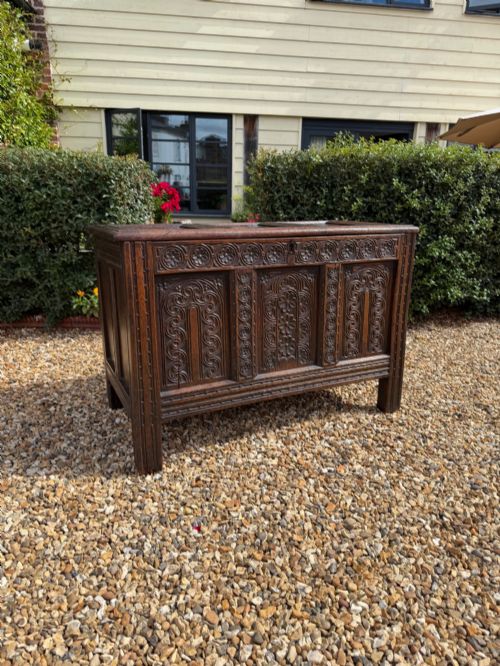
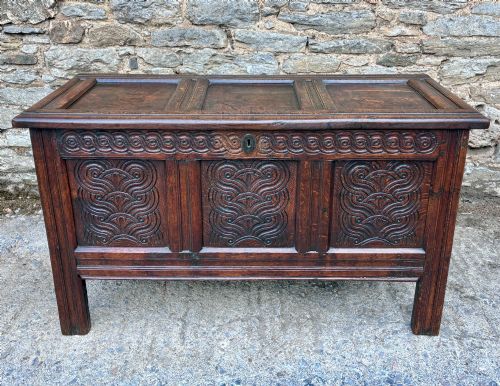
A carved blanket chest appears primarily as an oak coffer or trunk originating from the seventeenth century through to the Victorian era. These sturdy timber boxes served households for storing linens, garments, and valuables.
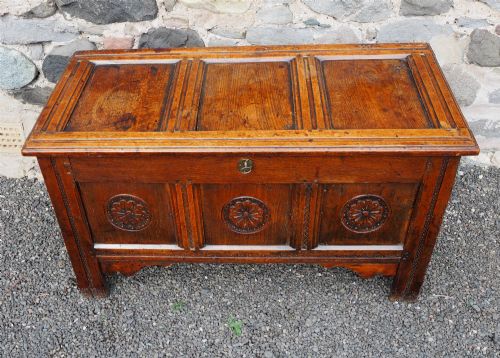
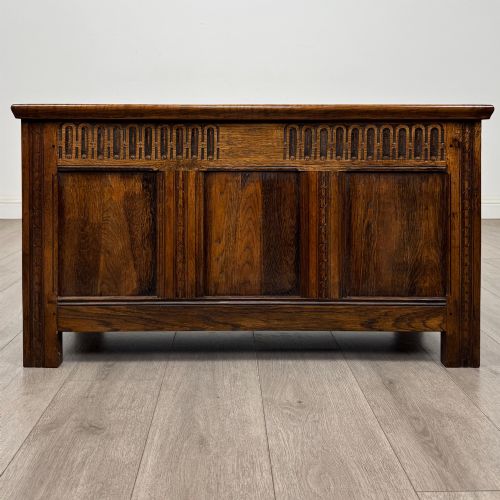
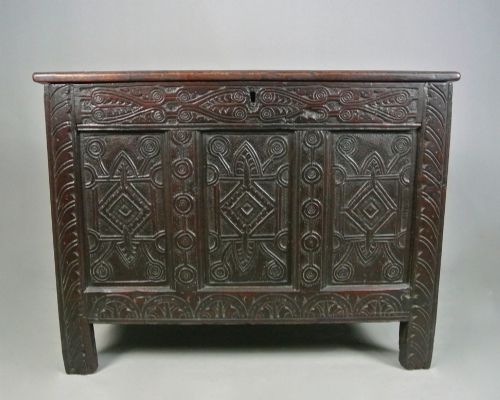
The version most commonly met on this page is the seventeenth century oak triple panel coffer, alongside later nineteenth century and Georgian iterations. Pieces range from simple boarded constructions to heavily detailed front panels.
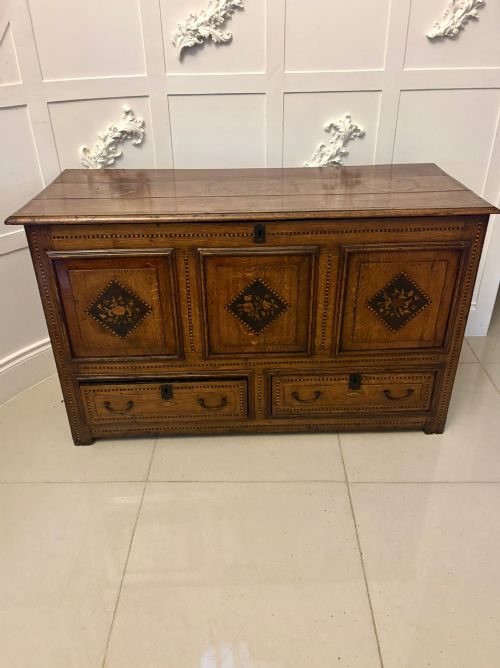
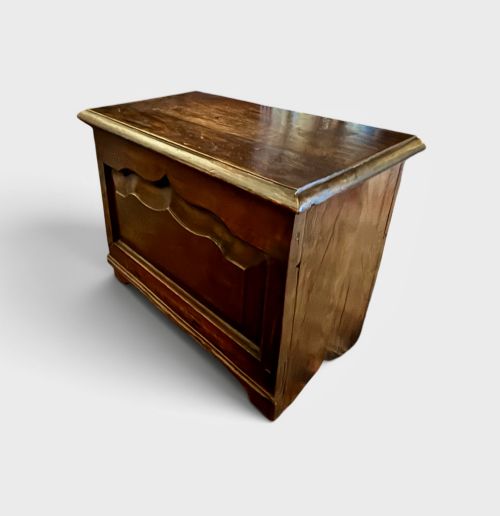
Makers utilised local and exotic timbers alike, spanning native British oak to Chinese hardwood and camphor wood. Forms extend from standard blanket boxes to mule chests fitted with drawers beneath the main compartment.
Materials and Construction
Makers constructed these chests using solid timber planks joined with pegged mortise and tenon frames or simple board joints. Oak dominates the historical record, accompanied by assorted hardwoods and iron hardware for hinges and locks.
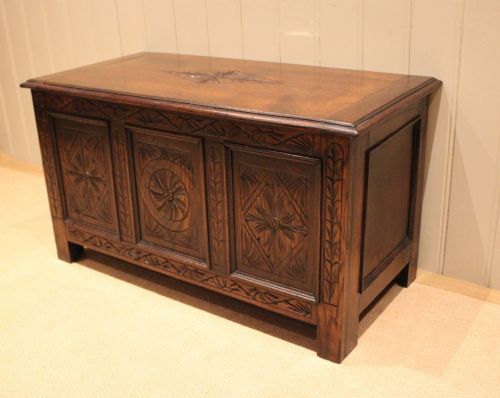
Surfaces display hand tool techniques including chip carving and low relief panel work. Iron straps and hinges reinforce the structural integrity of the lids and corners.
Retail Price Guide 2026
Typical UK retail prices for carved blanket chest, calculated from the Sellingantiques database of over a million retail prices indexed since 2003. This retail price guide relies exclusively on Sellingantiques data; no external sources or auction records are used, so the figures do not describe the wider market.
Primitive African scenes carved onto imported wood remind us these chests were built to travel.
Assessing Quality and Hand
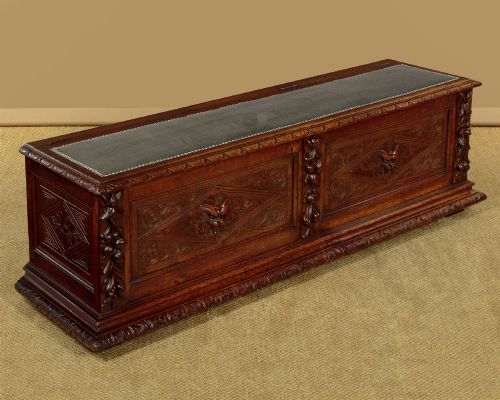
Quality rests in the crispness of the hand carved panels and the integrity of the original timber framing. Pieces with intact period hinges and uncompromised boarded bases stand apart from heavily altered examples.
Depth and complexity of the surface carving separate standard utilitarian trunks from masterwork coffers. The choice of timber grain and the survival of original patination dictate the visual weight of the piece.
The Carved Blanket Chest Glossary
- Coffer
- A traditional heavy timber chest used for safekeeping valuables and household goods. These pieces typically feature a hinged lid and boarded or panelled sides.
- Mule chest
- A storage chest fitted with one or more drawers at the base beneath the main compartment. This form bridges the gap between the simple coffer and the chest of drawers.
- Chip carved
- A method of surface decoration where small chips are removed from a flat wooden ground to create geometric patterns. This technique appears on vernacular nineteenth century pieces.
- Triple panel
- A front elevation divided into three distinct vertical wooden sections within a frame. Seventeenth century examples frequently employ this layout.
- Plank coffer
- A primitive box constructed directly from thick boards joined at the edges rather than set within a frame. These represent early domestic storage.
Frequently Asked Questions
What is a carved blanket chest?
A carved blanket chest is a sturdy wooden box fitted with a hinged lid, designed for household storage and ornamented with carved surface details. These historic pieces function as both practical furniture and decorative focal points.
Examples range from early boarded oak boxes to later Victorian trunks and Chinese camphor wood chests. Their robust construction has allowed them to survive centuries of domestic use.
How were these chests used?
Households utilised these deep wooden containers to store heavy woollen blankets, family linens, and valuable personal possessions. The secure lids protected contents from dust and pests.
In many homes, the flat top also served as a bench or a low table surface. Over time, variations like mule chests added lower drawers for smaller items of clothing.
How do I date a carved oak coffer?
Dating relies on examining the construction methods, such as boarded planks versus framed panels, alongside the style of the carved ornamentation. Seventeenth century pieces often show pegged mortise joints and linear strapwork.
Later Victorian and nineteenth century chests frequently display softer tooling and different secondary timbers. Hardware like hand forged iron hinges also provides clues to the era of manufacture.
How do I live with antique timber chests?
These robust chests integrate easily into modern interiors as coffee tables, window seats, or hallway storage units. Their natural oak and hardwood surfaces bring texture and warmth to a room.
Positioning them away from direct heat sources and sudden humidity changes preserves the ancient wood and original carved details. Regular dusting maintains the natural patina of the surface.