

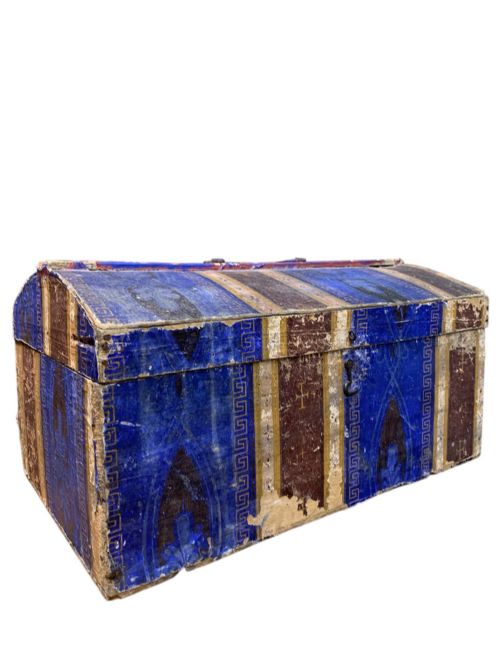
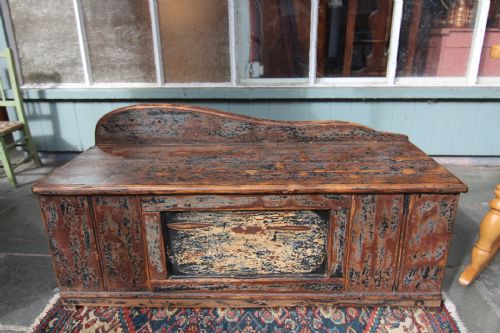


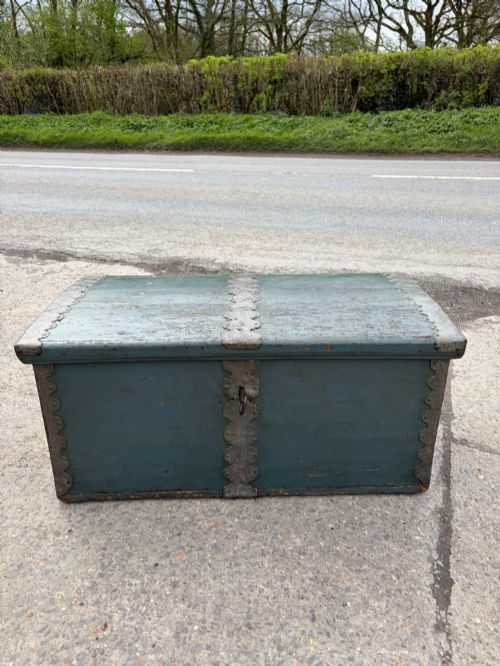
Folk Art Wooden Trunk
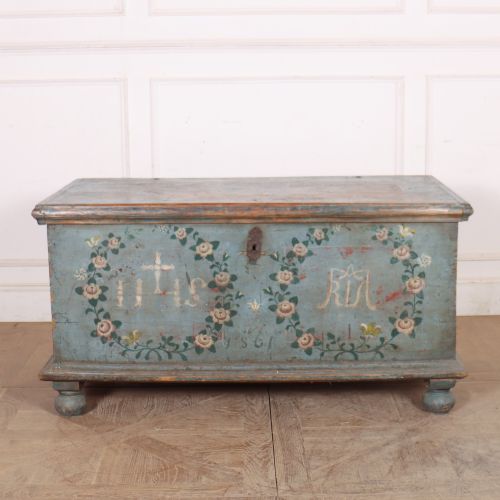
A folk art wooden trunk brings domestic history into a room, serving as both storage and a painted record of regional craft.
Folk Art Wooden Trunk
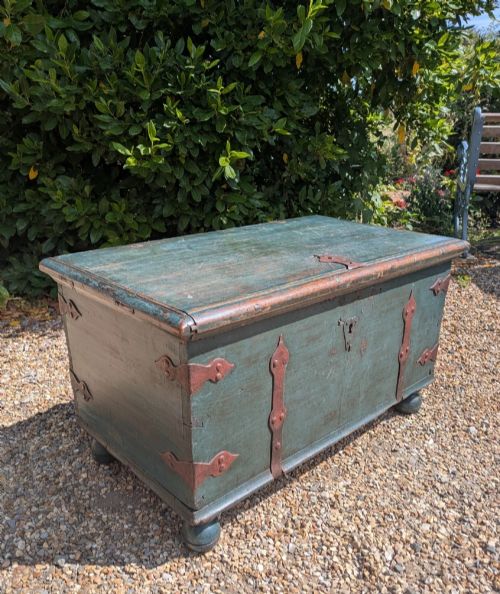
When you search for a folk art wooden trunk, you find storage pieces that carry regional decoration and personal history from European and Asian traditions. These containers include dowry chests, marriage coffers, blanket boxes, and small strong boxes created for daily domestic use.
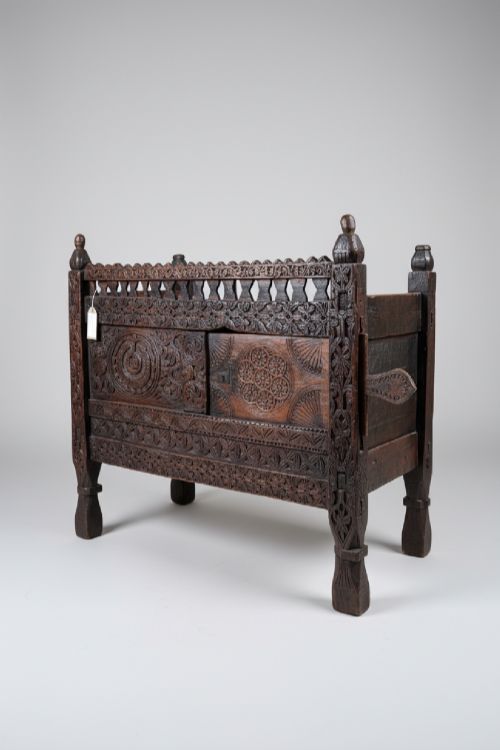
The versions most common on this page hail from nineteenth-century Scandinavia and Hungary, alongside eighteenth-century Swedish examples and pieces from the Swat Valley. Makers constructed these items in pine and oak, frequently finishing surfaces with hand-applied pigment and iron strapwork.
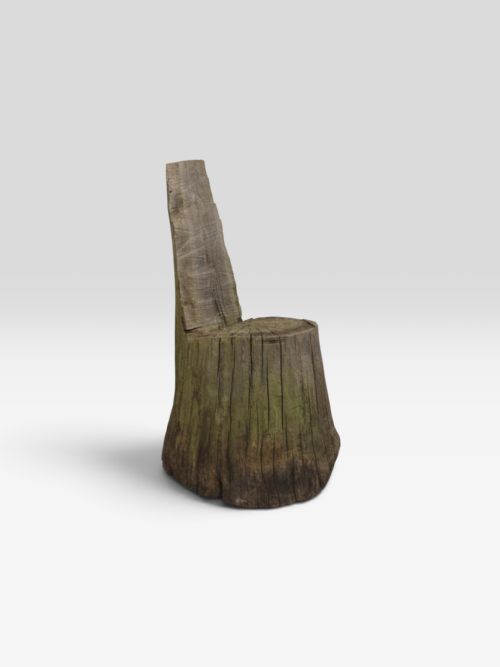
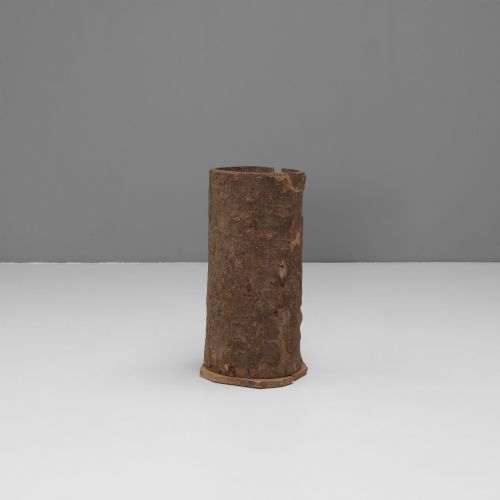
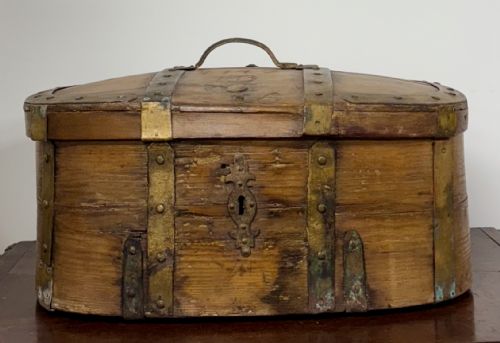
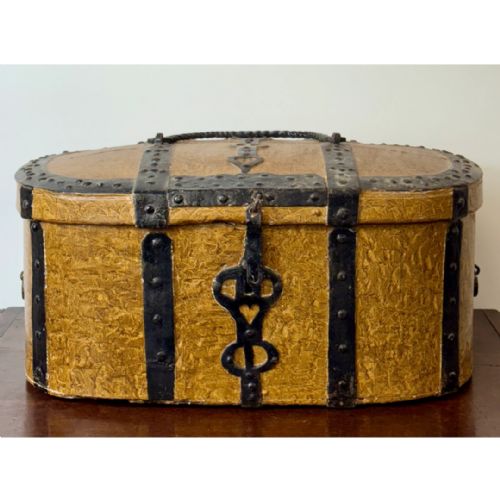
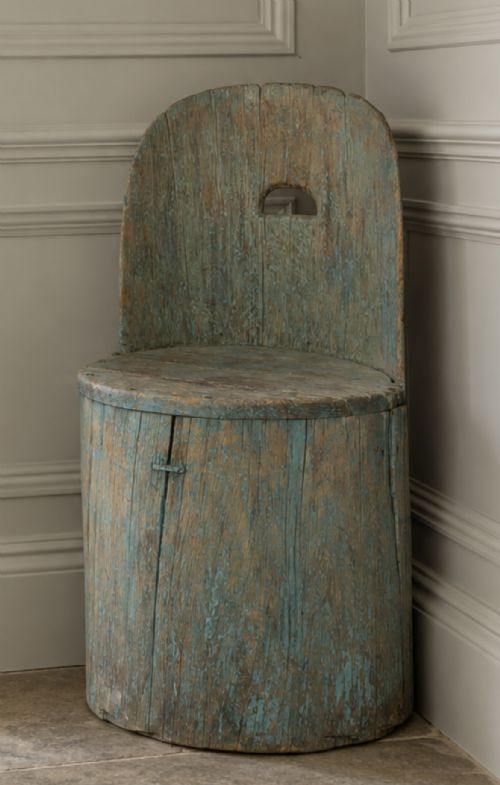
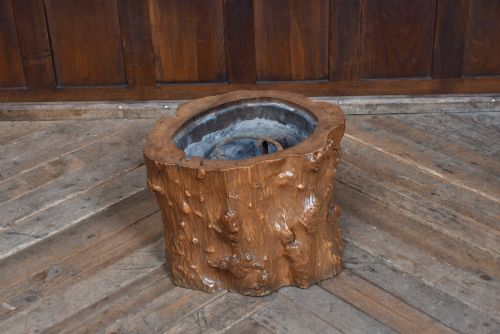
Beyond standard trunks, the selection encompasses dome-top chests, shaped strong boxes, and occasional variants like dugout chairs or small caskets. Each object displays the distinct aesthetic of rustic country workshops, whether painted with floral motifs or left in natural timber.
Materials and construction methods
Wood forms the primary body of these items, with pine and oak selected for their structural stability and availability in rural workshops. Craftsmen built the carcases using traditional joinery, often reinforcing lids and corners with hand-forged iron strapwork and brass fixtures.
Surface decoration relies heavily on original paint and pigment applied directly to the timber, ranging from simple green washes to detailed floral compositions. Iron is used not only for structural hinges and locks but also for decorative surface strapping that secures the timber panels.
Folk Art Wooden Trunk Retail Price Guide 2026
Typical asking prices for folk art wooden trunk among the pieces listed under this phrase on Sellingantiques today, from the lower quarter to the upper quarter. They describe what is for sale here now, not the wider market.
Listings feature pine and oak constructions from the eighteenth and nineteenth centuries, finished with original paint, pigment, and wrought iron.
Distinctions in quality and execution
Quality rests in the survival of original painted surfaces and the crispness of hand-forged ironwork rather than simple decorative embellishment. Trunks retaining untouched regional pigments and early hardware command greater interest than those with later repainting or replaced elements.
The balance of proportions and the skill of the carpentry define the better pieces, distinguishing individual workshop production from standard utilitarian containers. Finer examples show careful attention to edge moulding, dovetailed joints, and the integration of structural strapwork.
The Folk Art Wooden Trunk Glossary
- Marriage trunk
- A large chest commissioned or decorated to celebrate a wedding, often inscribed with initials, dates, and protective floral symbols. These pieces frequently served as the primary container for a bride's dowry.
- Strapwork
- Flat strips of iron or brass fixed across the exterior of a trunk to reinforce the wooden joints and provide security. On folk art pieces, blacksmiths shaped these straps into decorative scrolls and terminals.
- Coffer
- A heavy wooden box with a lid, traditionally used for storing valuables, documents, or textiles. Coffers often feature deeper proportions and heavier iron locking mechanisms than standard blanket boxes.
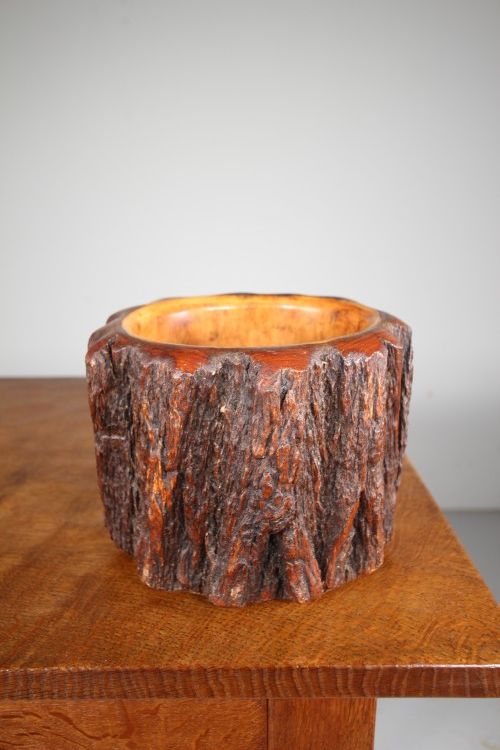
- Treen
- Small handmade wooden objects created for domestic use, ranging from bowls to boxes. The term covers items turned on a lathe or carved by hand from single pieces of timber.
Folk Art Wooden Trunk: Frequently Asked Questions
What did people store inside a folk art wooden trunk?
These trunks held valuable textiles, household linens, winter clothing, and personal documents belonging to the family. In the case of marriage chests, they contained the dowry brought by a bride to her new home.
Because homes lacked built-in wardrobes, these chests provided the primary secure storage space for domestic belongings. Their robust construction kept contents safe from dampness and pests.
How do I identify original paint on a wooden chest?
Original paint shows natural wear, craquelure, and fading consistent with age and handling over centuries. Pigments should sink into the timber pores rather than sitting as a modern uniform film on the surface.
Examining the edges and interior can reveal earlier layers or the absence of modern primers. Consistent patination across both the wood and the paint surface indicates a unified history.
Where were most painted pine chests made?
The majority of painted pine chests originate from rural communities in Scandinavia, particularly Sweden, as well as Hungary and the Alpine regions. Local craftspeople decorated these pieces using regional palettes and traditional motifs passed down through generations.
Each geographic area developed distinct painting styles, allowing collectors to trace the origin of a trunk through its colour choices and floral patterns.
Can I use an antique trunk as a coffee table?
These sturdy chests function well as coffee tables while providing hidden storage space for living room blankets and books. Their flat lids and solid timber construction support everyday items without risk to the structure.
When placing items on top, use protective pads to prevent moisture rings or scratches from damaging the historic painted surface.