


Swedish Painted Trunk
A swedish painted trunk brings rustic warmth to a room while holding your blankets, linens, and winter woollens.
Swedish Painted Trunk
When you search for a swedish painted trunk, you encounter storage chests, blanket boxes, marriage chests, and coffers dating from the eighteenth and nineteenth centuries. These pieces originate from Scandinavian country and folk art traditions, shaped for domestic use in rural farmhouses.
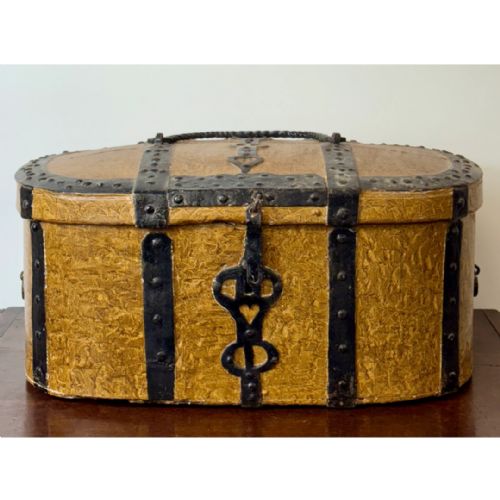
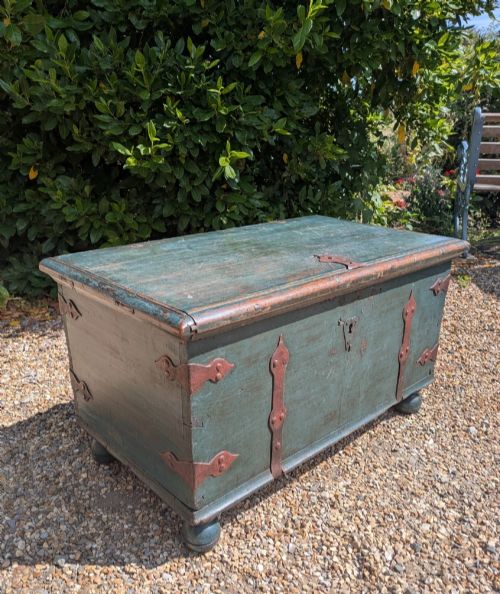
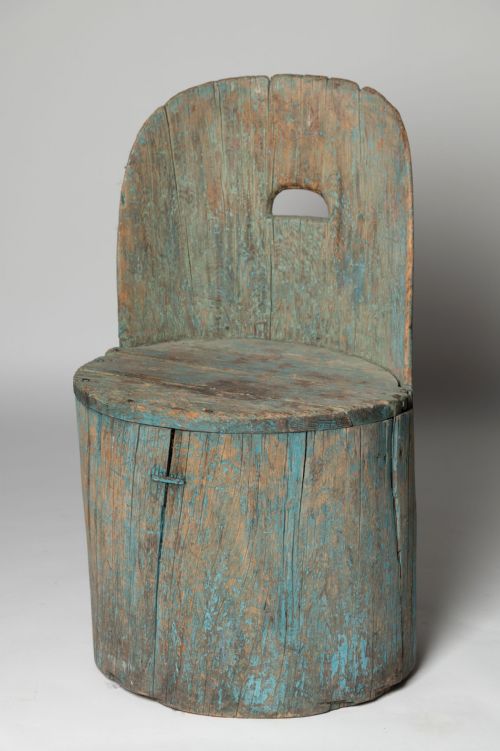
The most common examples on this page are pine chests and strong boxes featuring hand-painted surfaces, often with dome tops or flat lids. Alongside traditional large trunks, you will find smaller boxes, log bins, and occasional specialised forms such as mule trunks.
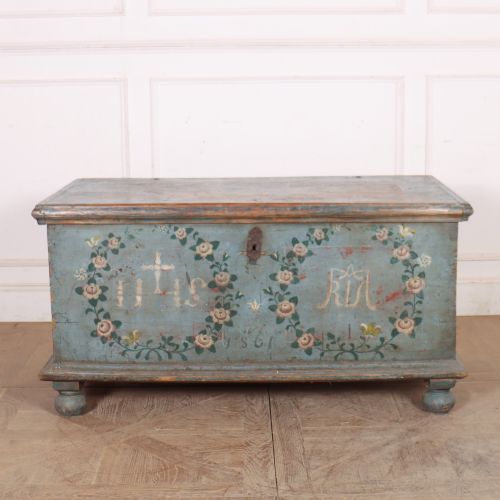
The aesthetic is defined by regional Scandinavian folk art, utilising pigment finishes upon pine and occasionally oak substrates. These items served practical household storage needs while displaying decorative painting that reflected local craftsmanship.
Materials and Technique
Construction relies primarily on sturdy pine and painted wood, with select examples fashioned from oak. Carpenters shaped these timbers into robust boxes and chests designed to withstand generations of domestic use.
Surfaces received layers of pigment and paint, frequently augmented by hand-forged iron strapwork, wrought iron hinges, and brass details. These metal fixtures provided both structural reinforcement and decorative contrast to the painted wood.
Swedish Painted Trunk Retail Price Guide 2026
Typical asking prices for swedish painted trunk among the pieces listed under this phrase on Sellingantiques today, from the lower quarter to the upper quarter. They describe what is for sale here now, not the wider market.
Several chests preserve secret internal till compartments designed for hiding small valuables from wandering farmhands.
Quality and Craft
Quality rests in the survival of original painted surfaces and the integrity of the hand-forged ironwork. Pieces retaining their early pigment layers display a depth of character distinct from later alterations.
Joinery and proportion differentiate everyday utilitarian items from finer marriage chests and folk art coffers. The sureness of the hand-painted decoration and the substantial weight of the timber dictate the standing of each piece.
The Swedish Painted Trunk Glossary
- Coffer
- A heavy wooden chest traditionally used for storing valuables and documents. These pieces often feature sturdy lid construction and iron fastenings.
- Marriage Chest
- A specialised box commissioned or given to mark a wedding, frequently inscribed with dates or initials. These examples often display elaborate folk art painting.
- Scumble Paint
- A decorative technique involving translucent layers of glaze dragged over a base colour to simulate grain or texture. It creates a mottled, cloud-like finish on the wood.
- Strapwork
- Flat bands of iron or metal applied across the exterior of a chest to reinforce the joints. Hand-forged examples show individual blacksmith marks.
Swedish Painted Trunk: Frequently Asked Questions
How were these trunks used?
Families utilised these chests for storing household textiles, blankets, clothing, and winter provisions within rural Scandinavian homes. Marriage chests specifically held the bride's dowry and accumulated linens.
Over generations, these sturdy containers adapted to various domestic storage requirements, moving from farmhouses to living spaces where they now serve as coffee tables or blanket boxes.
How do I clean a painted surface?
Preserving the original pigment requires gentle dusting with a dry, soft cloth to remove everyday particles. Avoid using modern chemical cleaners, harsh detergents, or excessive water.
If conditioning is necessary, consult a specialist conservator who understands historical finishes and folk art pigments to prevent accidental removal of the original paint layer.
Can I use one as a coffee table?
Flat-topped chests and certain lower box forms provide a practical surface for use as a living room coffee table. Their internal storage space offers a discreet place to tuck away books and extra cushions.
Ensure the lid stability matches your daily needs and place coasters on the wood to protect the historical paint finish from moisture rings and heat.
How can I tell the age?
Dating relies on examining construction methods, tool marks on the timber, and the formulation of the pigments used in the painted decoration. Hand-forged ironwork and traditional joinery without modern screws point toward earlier periods.
Certain pieces bear painted dates or inscriptions, while stylistic traits in the folk art ornament help narrow the era of origin down to the eighteenth or nineteenth century.