


Antique Wooden Document Box
An antique wooden document box protects paper, letters and deeds with solid construction and period character.
Antique Wooden Document Box
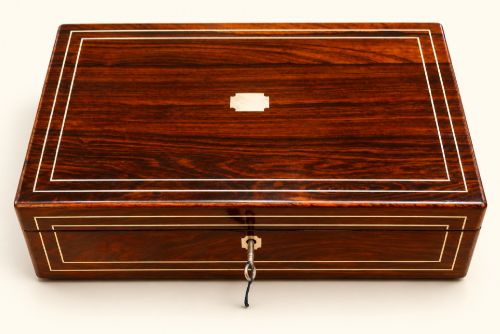
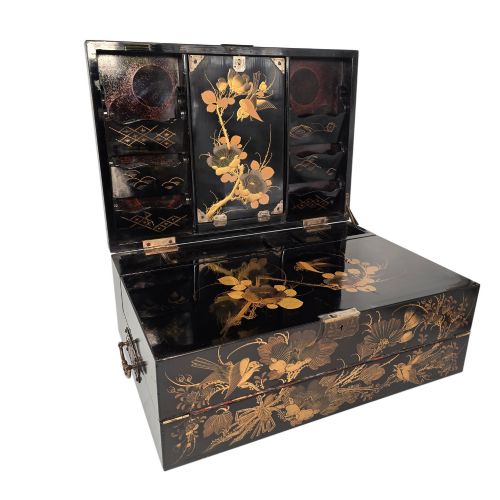
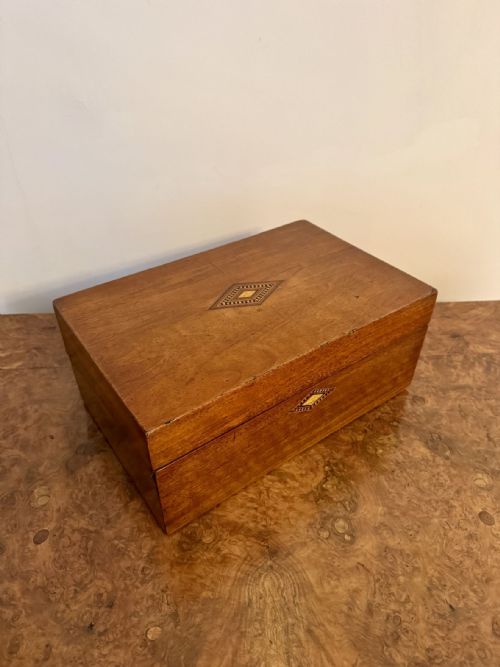
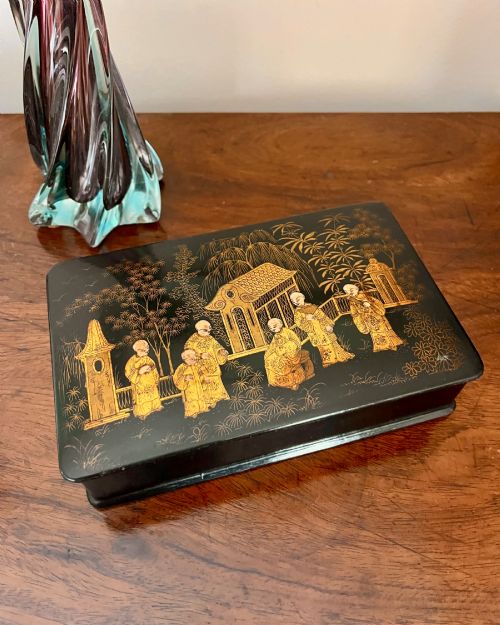
An antique wooden document box serves as a portable or desk storage container designed for letters, deeds and valuable papers. When exploring this selection, buyers encounter various historical iterations spanning from the sixteenth century through the Victorian era.
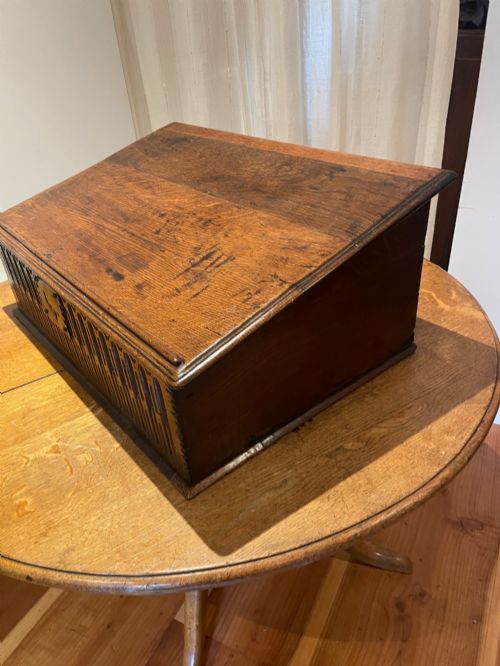
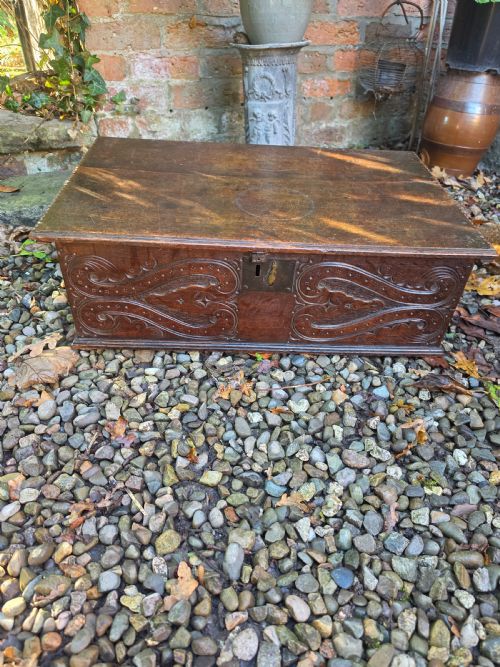
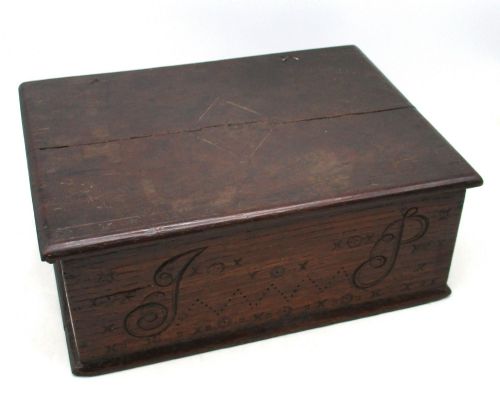
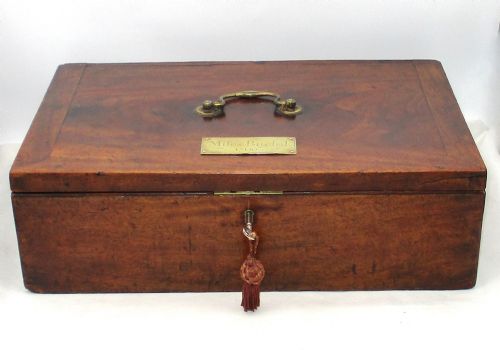
The assortment includes utilitarian oak Bible boxes, sliding lid deed boxes from the Georgian period and refined Victorian stationery cabinets. These containers reflect the domestic and professional storage needs of past centuries.
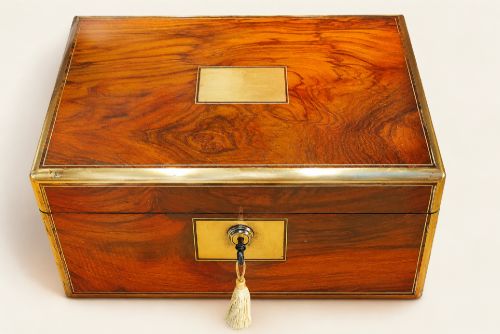
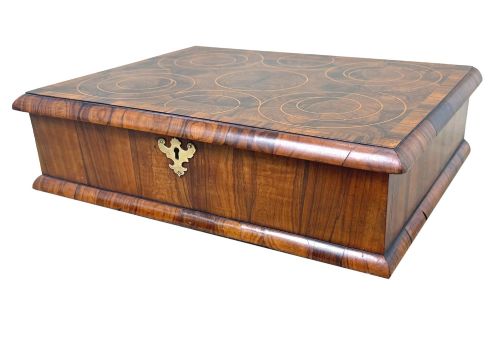
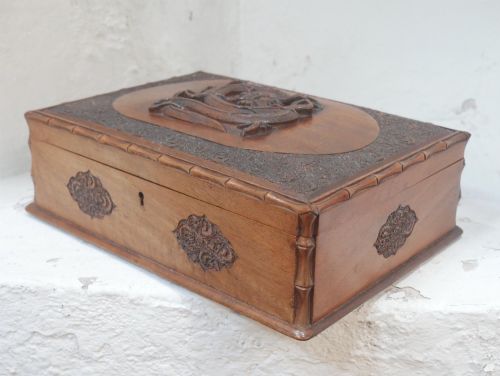
Woods range from early domestic timber like oak and elm to imported luxury veneers such as mahogany, walnut and rosewood. Forms vary from simple desk boxes to complex writing slopes and brass-bound travel chests.
How they were made
Cabinetmakers constructed these pieces using solid timbers such as oak, mahogany and walnut, frequently employing dovetail joints for stability and longevity. Earlier examples rely on pegged mortise and tenon construction, while later pieces utilise precision mitres and screw fixings.
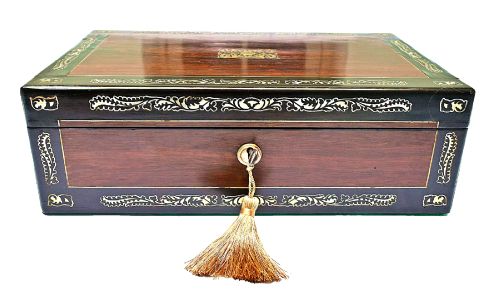
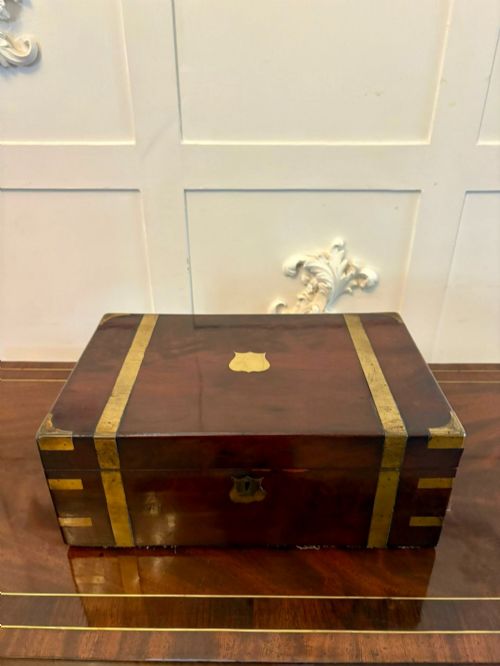
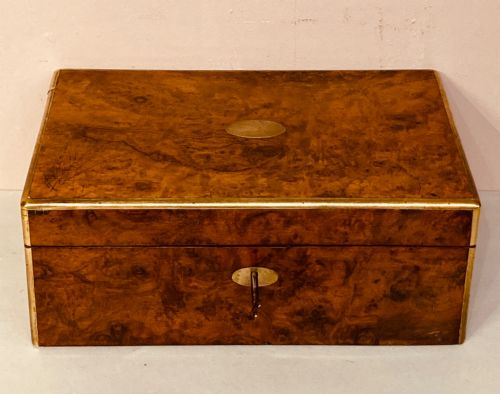
Decoration and reinforcement relied on functional metalwork, including heavy iron straps, brass corner mounts, carrying handles and operational locks with working keys. Exotic woods like rosewood and coromandel appeared as solid boards or fine veneers over secondary woods, often complemented by inlaid brass or bone stringing.
Antique Wooden Document Box Retail Price Guide 2026
Typical asking prices for wooden document box among the pieces listed under this phrase on Sellingantiques today, from the lower quarter to the upper quarter. They describe what is for sale here now, not the wider market.
Materials across the listings include traditional British oak and elm alongside imported rosewood, camphor and coromandel.
What varies in quality
Quality rests in the selection of timber and the precision of the joinery rather than mere age alone. Superior examples display carefully chosen grain patterns, such as burr walnut or figured mahogany, integrated smoothly into the overall proportions.
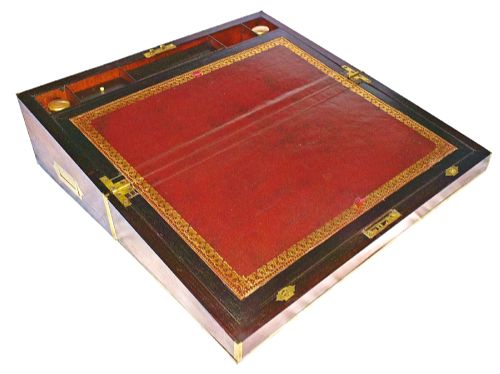
Internal complexity also distinguishes finer pieces, particularly in writing slopes and stationery cabinets featuring secret compartments, fitted pigeonholes and original leather writing surfaces. The presence of robust, original hardware, working locks and matching hinges elevates a box above standard utilitarian storage.
The Antique Wooden Document Box Glossary
- Bible box
- A desk box used originally for holding sacred texts and personal documents, typically featuring a sloping lid.
- Writing slope
- A portable box with an angled writing surface that opens to reveal internal storage for stationery and inkwells.
- Deed box
- A secure container designed specifically for storing legal papers, land indentures and important contracts.
- Stationery cabinet
- An upright desk accessory fitted with shelves and pigeonholes to organise paper, envelopes and correspondence.
- Dovetail
- An interlocking joint formed by interlocking wedge-shaped fingers, used primarily at the corners of drawers and box frames.
Antique Wooden Document Box: Frequently Asked Questions
What is an antique wooden document box used for?
These boxes provided secure storage for important papers, letters and legal deeds in homes and offices before modern filing systems existed.
Today, collectors use them to store contemporary documents, photographs or small collectables while adding period character to a desk or shelf.
How do I date an antique wooden document box?
Dating relies on examining the timber species, construction methods like dovetailing and hand-cut nails, and the style of any brass hardware or locks.
Earlier seventeenth-century pieces usually feature heavy solid oak with carved decoration, whereas nineteenth-century versions often display exotic veneers and sophisticated internal fittings.
What is the difference between a writing slope and a document box?
A standard document box opens to a flat interior or simple compartment designed purely for stacked papers and flat storage.
A writing slope incorporates a hinged, slanted writing surface that folds down to reveal a fitted interior with inkwell recesses and secret compartments.