

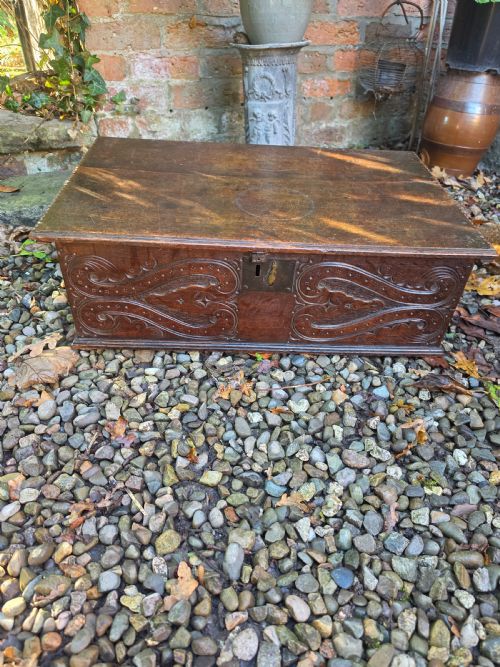
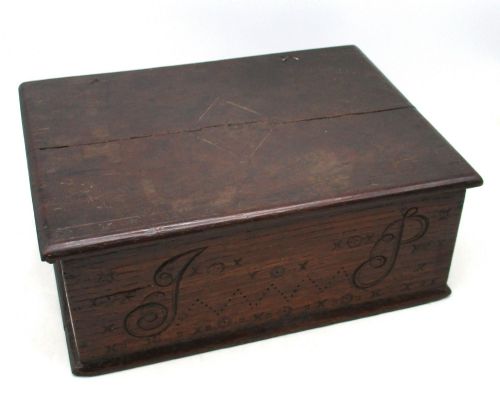
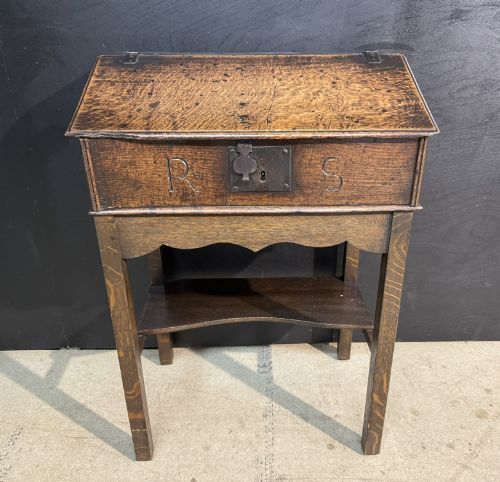
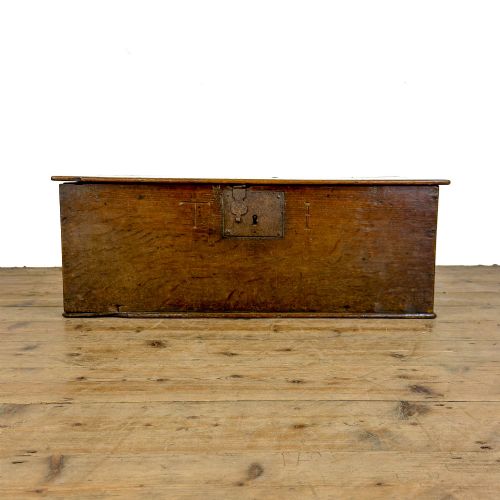




Dark Oak Bible Box
A dark oak bible box is a sturdy lidded receptacle built to secure texts and documents, offering tangible domestic history.
Dark Oak Bible Box
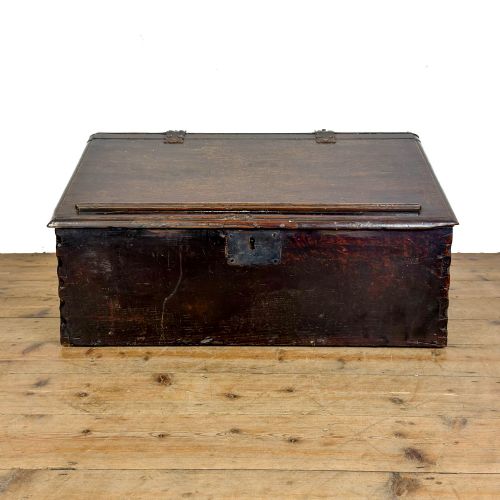
A dark oak bible box is a solid lidded chest designed for reading materials and valuables, frequently encountered from the seventeenth and eighteenth centuries. These pieces were built for domestic or ecclesiastical settings to keep books safe from damp and damage.
The versions met on this page span table boxes, slant front desks, and coffer bach forms originating from English and Welsh workshops. Makers utilised sturdy native timber to construct functional pieces that often double as writing slopes.
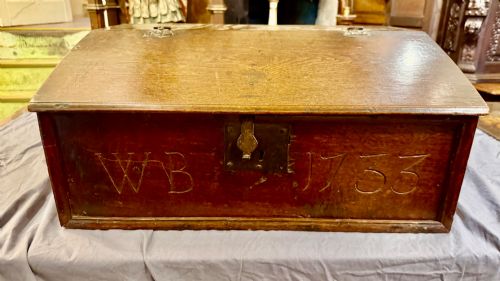
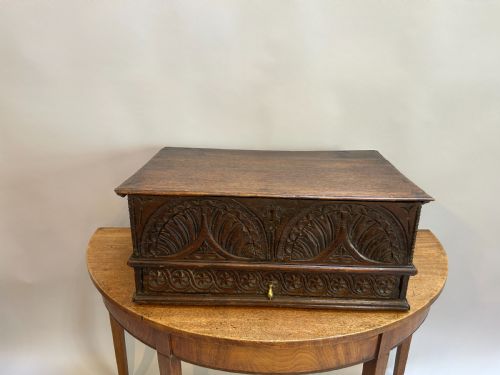
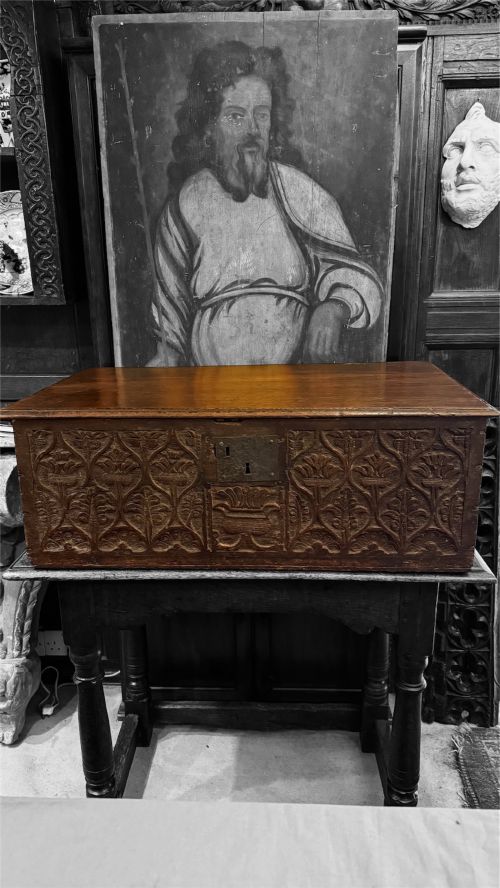
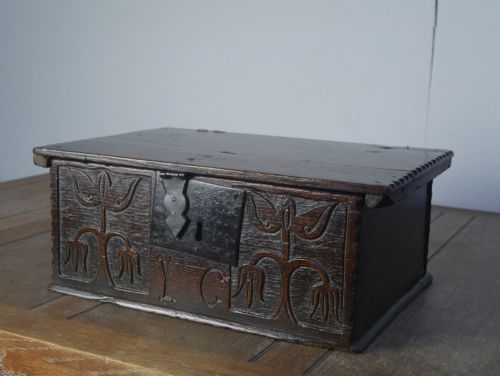
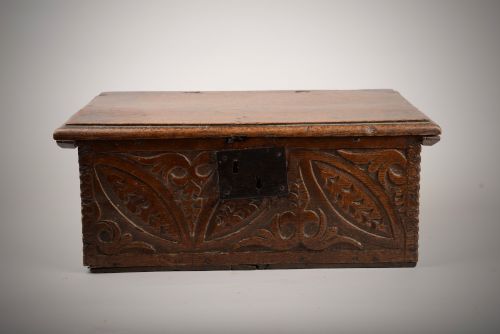
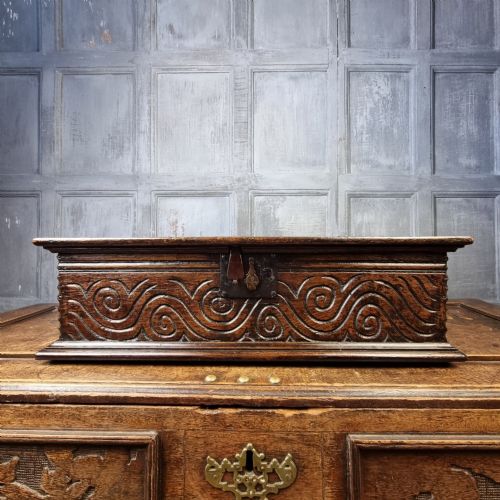
Examples range from plain plank construction to heavily carved surfaces bearing initials, dates, and geometric inlay. Many retain period hardware such as complex steel locks and iron hinges.
Materials and construction
Construction relies primarily on native oak, joined with pegged mortise and tenon joints to withstand heavy daily use. Secondary materials such as holly and bog oak provide contrasting inlaid decoration on specific regional items.
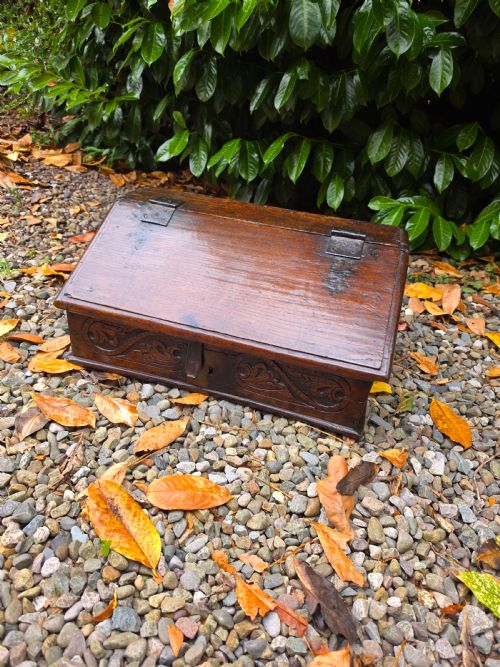
Hardware consists of hand-beaten iron, brass, and complex steel locks that secure the hinged lids. Surfaces are shaped with hand tools, showing adze marks and panels carved in Jacobean or vernacular styles.
Dark Oak Bible Box Retail Price Guide 2026
Typical asking prices for dark oak bible box among the pieces listed under this phrase on Sellingantiques today, from the lower quarter to the upper quarter. They describe what is for sale here now, not the wider market.
Listings feature oak, iron, brass, steel, holly, and bog oak across seventeenth and eighteenth-century forms.
Judging the range
Quality rests upon the crispness of the original carving, the integrity of the board thicknesses, and the retention of authentic iron or steel hardware. Superior examples display thoughtful proportions and undisturbed surface patination accumulated over centuries.
Lesser pieces suffer from excessive later timber replacement, altered stands, or unsympathetic stripping that removes the historical depth of the wood. The presence of original fitted internal drawers or dated ownership inscriptions elevates the interest of a piece.
The Dark Oak Bible Box Glossary
- Bible Box
- A lidded wooden box traditionally used to store sacred texts and writing materials. These objects were often placed on tables or desks for daily reading.
- Coffer Bach
- A small Welsh tabletop chest or coffer featuring a drawer beneath the main compartment. This regional form served to store valuables and linens.
- Writing Slope
- A desk box featuring an angled lid designed to facilitate handwriting. The inclined surface provides a comfortable plane for reading and composition.
- Close Stool
- A box or stool enclosing a chamber pot, disguised as a standard piece of furniture. These items combined domestic utility with discreet seating.
- Bog Oak
- Subfossil oak timber retrieved from peat bogs, prized for its dark coloration. Craftsmen used this dense material for contrasting inlay work.
Dark Oak Bible Box: Frequently Asked Questions
How were dark oak bible boxes used?
These boxes sat upon tables to hold family bibles, legal documents, and writing materials. The sloping lids also served as portable writing desks for households.
Owners locked the heavy lids with iron or steel mechanisms to protect valuable texts from theft and environmental damage.
What is a coffer bach?
A coffer bach is a small Welsh box featuring a drawer beneath the main compartment. Families used them to store personal valuables and small textiles.
They mirror the construction of larger coffers in miniature scale, often bearing inlaid decoration.
How do I date a bible box?
Dating relies on construction methods, fastener types, and carved decorative motifs like those from the Jacobean period. Iron hinges, lock plates, and owner initials provide further chronological clues.
Plank thickness and tool marks indicate whether a piece originates from the seventeenth or eighteenth century.
Did these boxes sit on stands?
Some examples rest upon dedicated stands or frames created during the seventeenth or eighteenth centuries. Others were designed strictly as tabletop boxes.
Certain pieces acquired later stands or enclosed lower sections to function as desks or close stools.