





Carved Oak Bible Box
A carved oak bible box is a solid, historic table desk designed to secure texts and documents, offering tangible domestic heritage.
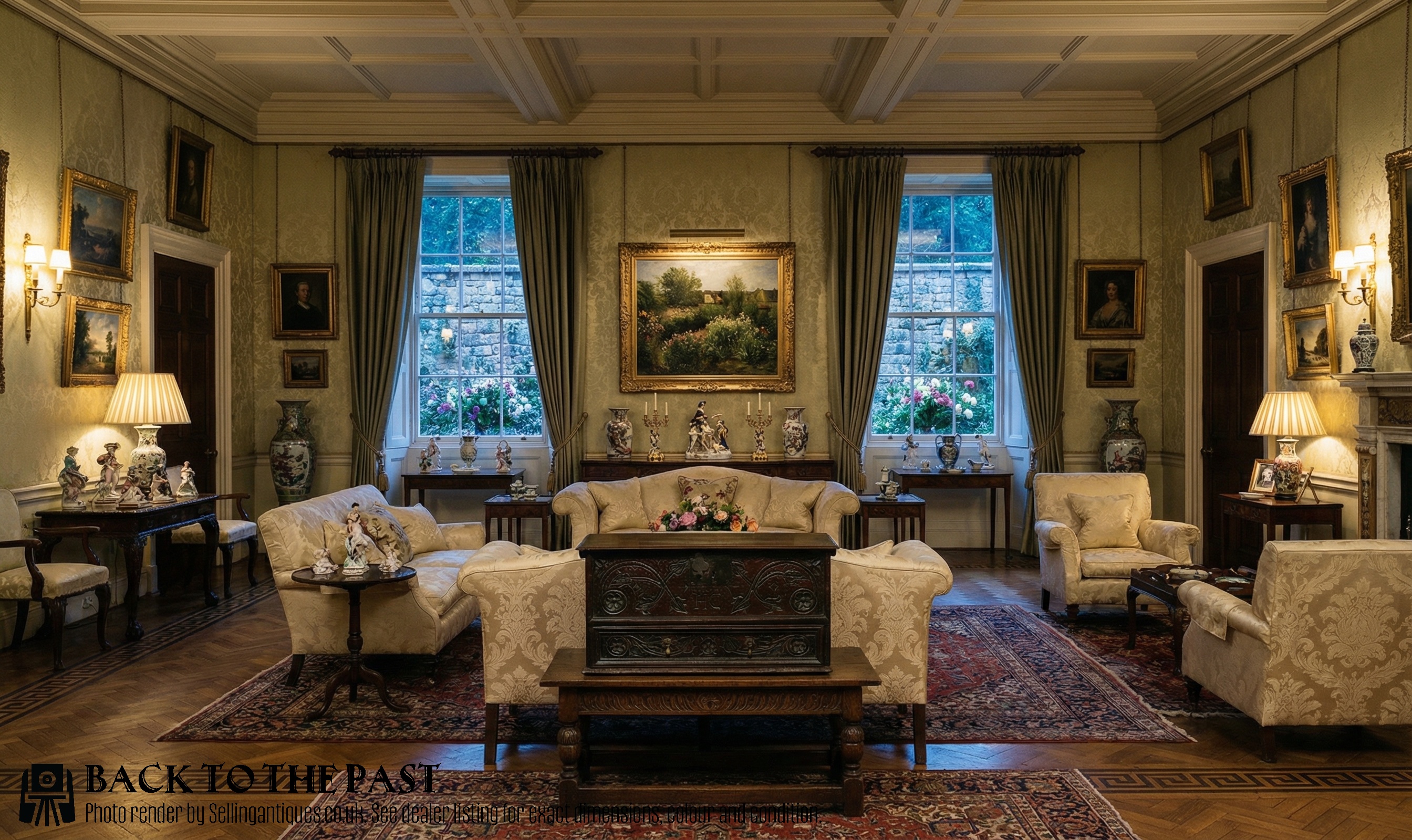
Carved Oak Bible Box
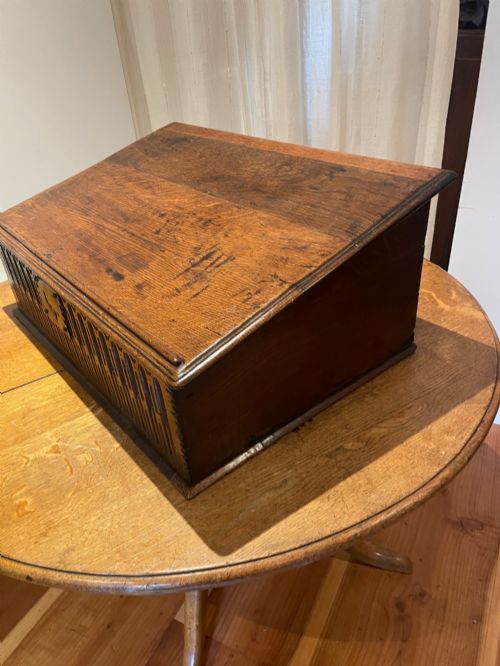
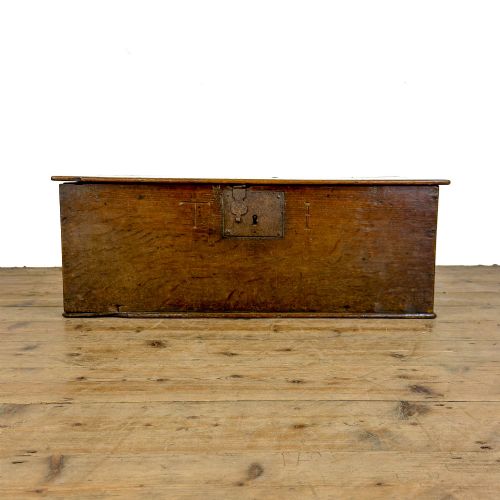
When you examine a carved oak bible box, you encounter a robust domestic container primarily built to hold sacred texts and private documents in seventeenth and eighteenth-century homes. These utilitarian objects often double as writing slopes or table desks, reflecting the practical needs of past households.
You are most likely to meet seventeenth-century and eighteenth-century English and Welsh examples on this page. Common configurations include slope fronts, flat lids, internal drawers, and occasional fitted stands from later periods.
Materials and Construction Methods
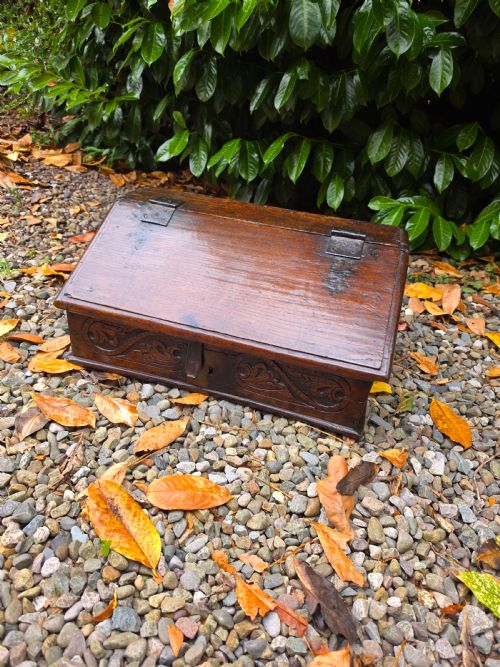
Carpenters constructed these pieces predominantly using solid oak, frequently augmented by secondary timbers such as elm, alongside contrasting decorative accents like holly and bog oak inlay. Iron and brass hardware, including hinges and lock plates, secured the heavy lids.
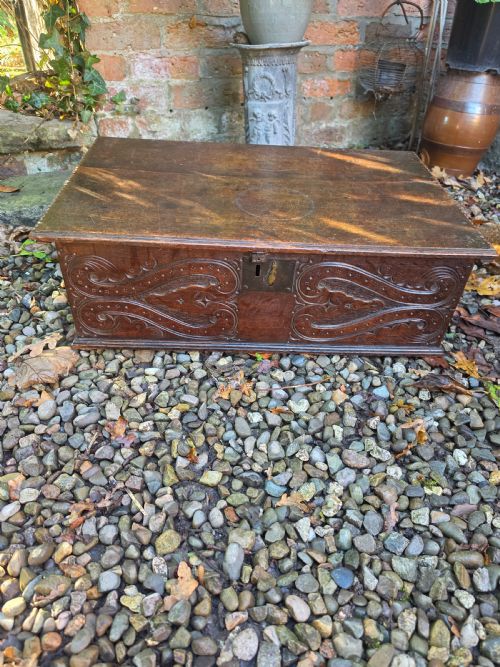
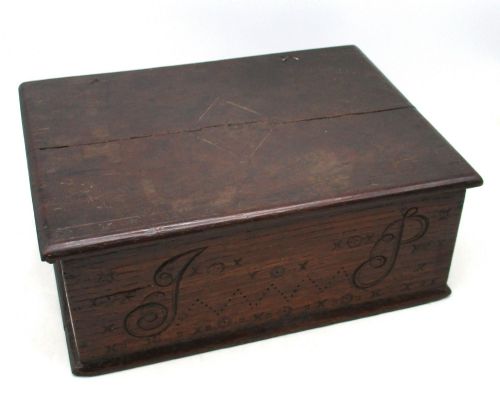
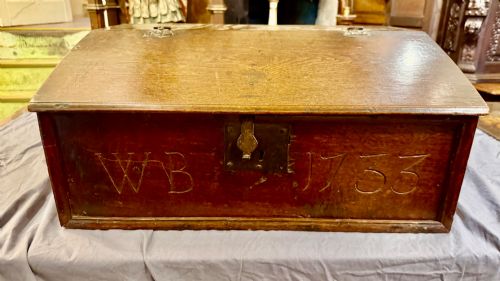
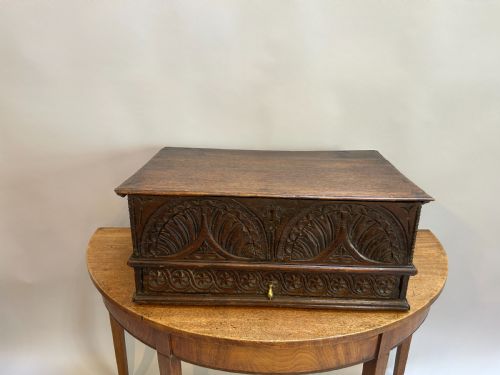
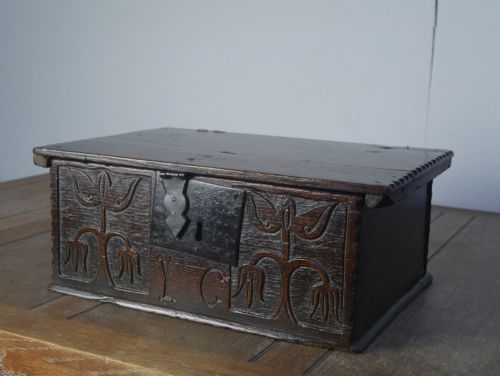
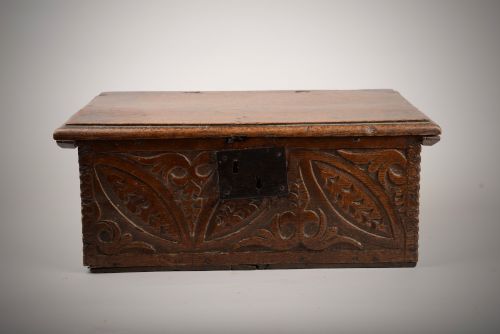
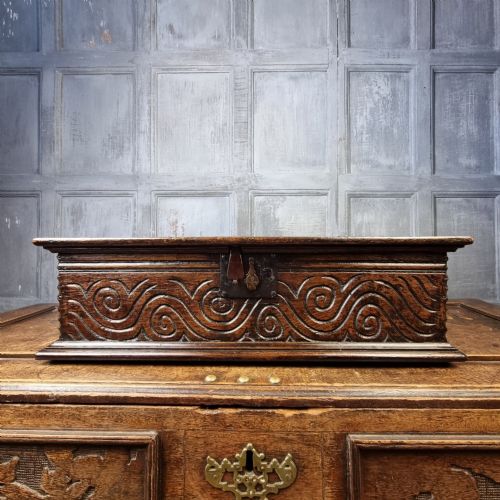
Joinery relied on traditional pegging and panel construction, paired with chip carving, frieze decoration, and low-relief motifs executed by hand. Surfaces often display owner initials, dates, and chip-carved geometric patterns.
Carved Oak Bible Box Retail Price Guide 2026
Typical asking prices for carved oak bible box among the pieces listed under this phrase on Sellingantiques today, from the lower quarter to the upper quarter. They describe what is for sale here now, not the wider market.
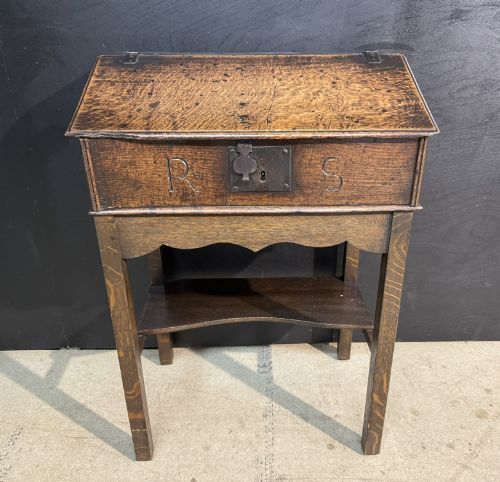
Several boxes preserve the original owner initials and execution dates, immortalising seventeenth-century domestic pride in carved oak.
Judging Quality and Character
The standard of a carved oak bible box rests on the crispness of its chip carving, the integrity of its original timber, and the presence of untouched surfaces. Finer items retain their original interior partitions, working locks, and early stands rather than later adaptations.
Proportion and execution distinguish superior regional workshops from routine carpentry. Subtle details such as demi-lune front panels, integrated internal drawers, and authentic period hardware separate exceptional survivors from heavily restored or later nineteenth-century interpretations.
The Carved Oak Bible Box Glossary
- Bible box
- A small wooden desk or chest designed to hold a large book and writing materials. These portable boxes sat upon tables before dedicated writing furniture became common.
- Chip carving
- A primitive yet effective decoration technique where small chips are removed from the surface of the wood to create geometric patterns. This style appears frequently on seventeenth-century pieces.
- Coffor bach
- A small Welsh chest or box featuring a hinged lid, often constructed from oak. The term translates literally from Welsh as little chest.
- Slant front
- An angled writing lid designed to provide an ergonomic surface for handwriting. It frequently lifts to reveal internal compartments and small drawers.
- Wrought iron
- Iron shaped and hammered by hand into functional hardware such as hinges, straps, and lock plates. It provides durable structural support on early oak furniture.
Carved Oak Bible Box: Frequently Asked Questions
What was a bible box used for?
These boxes served primarily to store family bibles and legal documents securely in domestic settings. The heavy wooden construction protected precious paper from dampness and theft.
Many examples also functioned as portable writing desks when placed upon ordinary household tables. Owners stored inkhorns, quills, and important letters inside the internal compartments.
How do I date a carved oak bible box?
Dating relies on observing construction methods, hinge types, and decorative motifs characteristic of specific reigns or centuries. Seventeenth-century examples often feature geometric chip carving and sturdy boarded or panelled construction.
Inscribed dates and owner initials carved directly into the oak provide definitive points of reference. Later eighteenth-century pieces sometimes introduce inlay work using holly and bog oak.
Did bible boxes sit on stands?
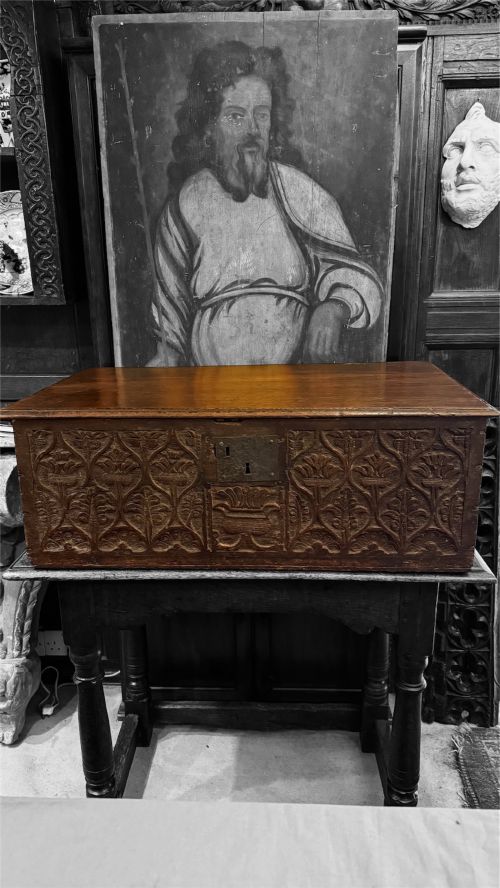
Many boxes were designed as portable tabletop items that could be moved around a home as needed. Some pieces were later paired with bespoke stands or tables to create a freestanding desk format.
Original stands integrated from the seventeenth or eighteenth centuries transform the table box into a compact desk bureau. These combined pieces elevated the writing surface for greater convenience.
How do I care for antique oak furniture?
Keep wooden boxes away from direct heat sources and rapid temperature fluctuations to prevent the oak from splitting. Stable indoor humidity preserves the historic timbers and iron hardware.
Apply a light application of traditional beeswax periodically to maintain the sheen of the wood. Avoid modern liquid polishes that can build up a harmful residue over time.