


Antique Wooden Desk Box
An antique wooden desk box organises letters and papers with traditional craftsmanship.
Antique Wooden Desk Box
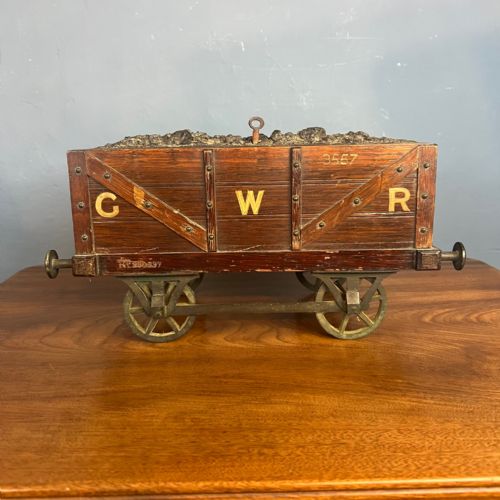
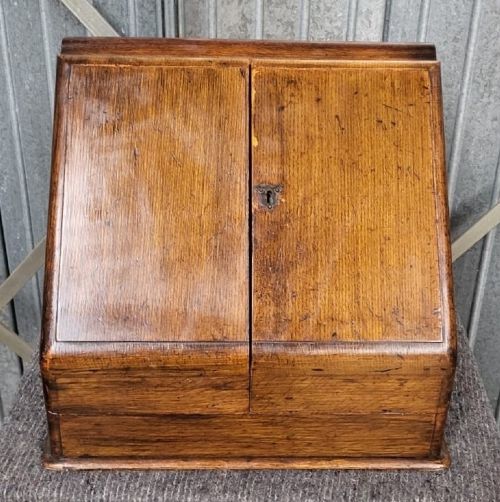
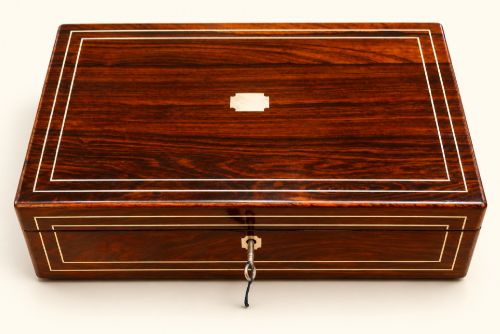
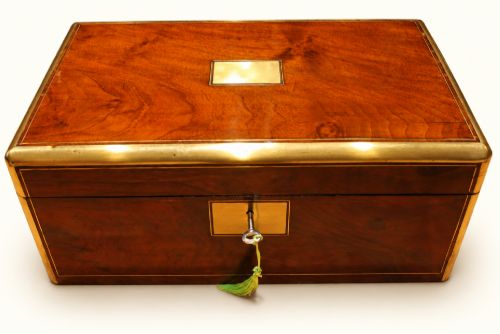
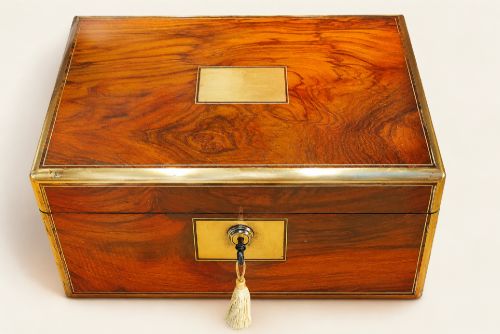
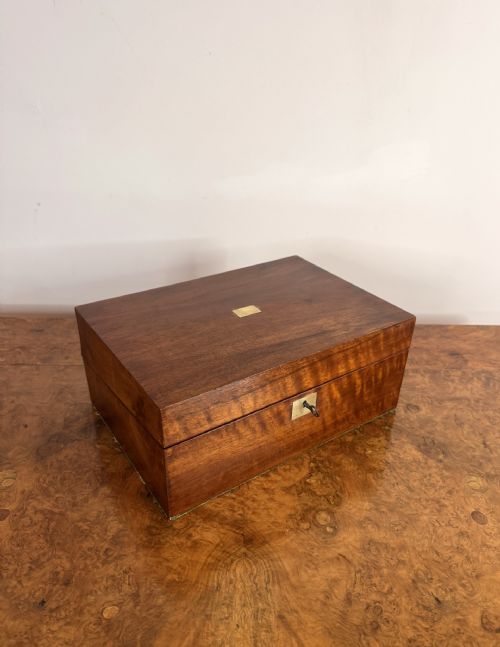
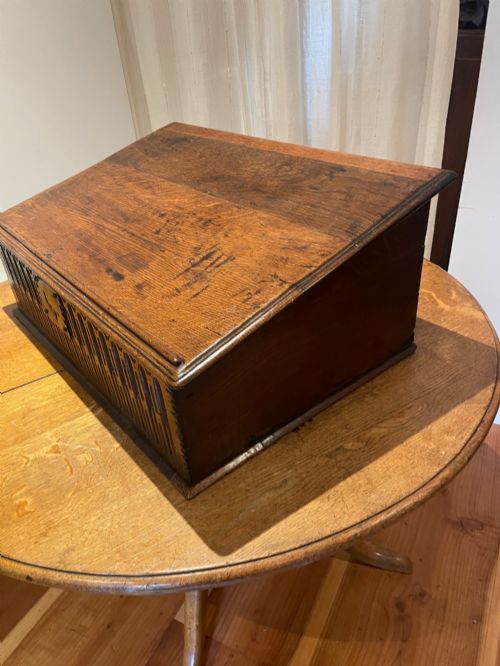
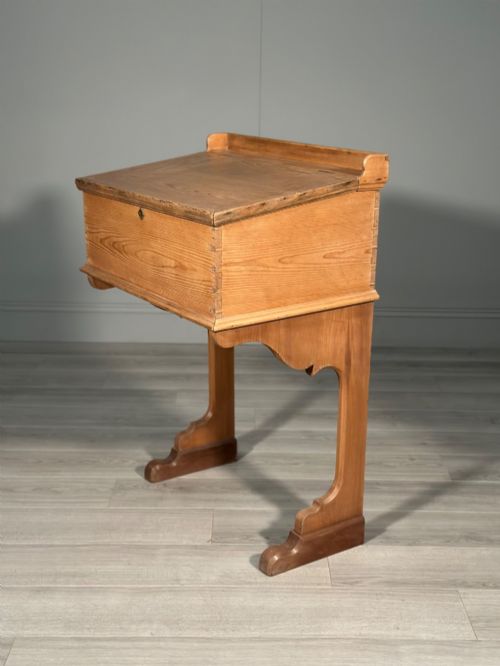
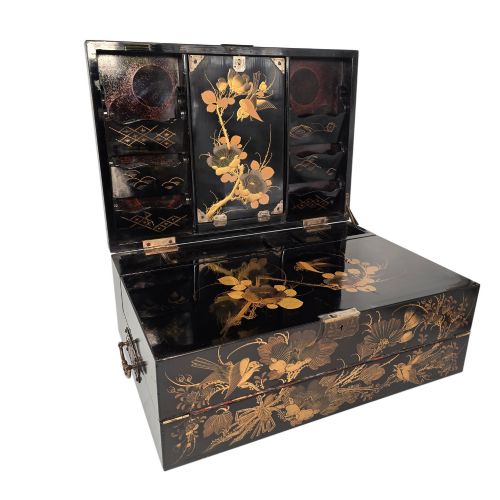
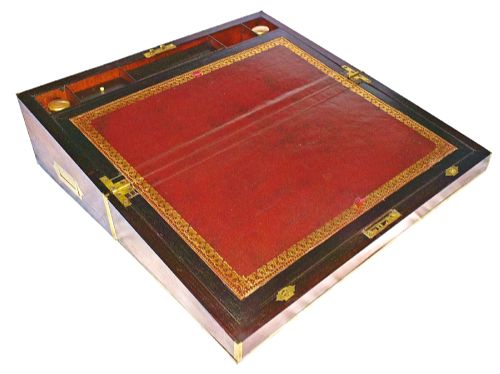
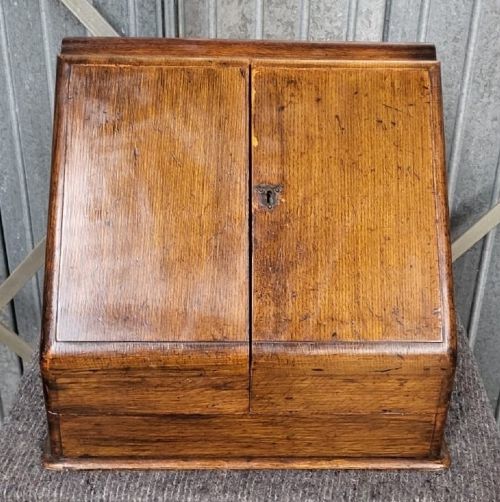
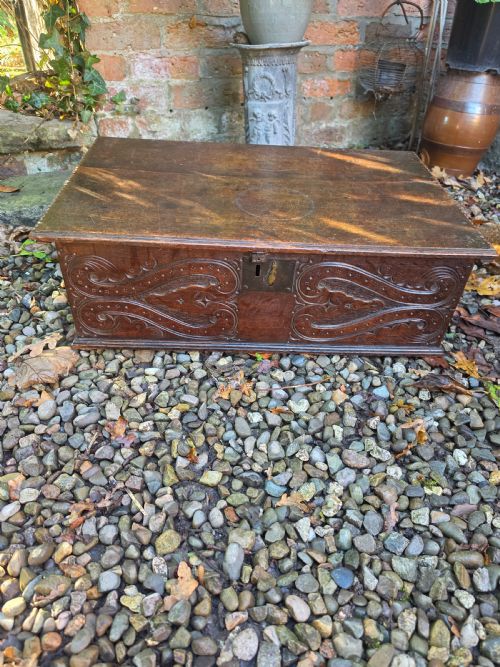
An antique wooden desk box encompasses portable writing slopes, stationary cabinets, letter boxes and document chests designed for correspondence. Buyers seeking an antique wooden desk box encounter examples ranging from heavy seventeenth-century oak Bible boxes to refined nineteenth-century campaign writing slopes.
The pieces emerge from periods including the seventeenth, eighteenth and nineteenth centuries, alongside Georgian, Victorian and Edwardian eras. Common forms incorporate internal compartments, pigeon holes and sloping lids for writing or storing papers.
How they were made
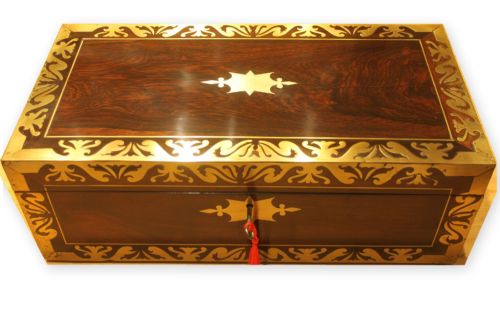
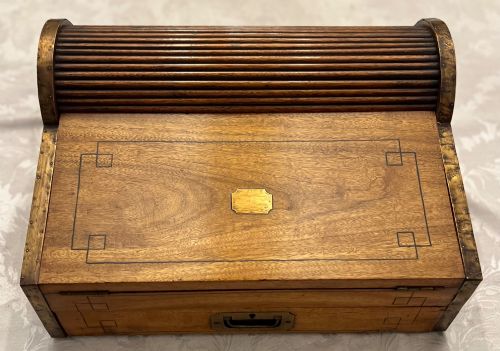
Cabinet makers constructed these boxes using solid timbers such as oak, mahogany, walnut, rosewood and coromandel. Carpenters joined early pieces with pegged or dovetailed joints, whilst later nineteenth-century examples often utilised brass banding and inlays for structural reinforcement and decoration.
Makers applied bone, mother of pearl and sterling silver mounts for detailing. Surfaces received polished finishes that highlighted the natural grain and colour of the timber.
Antique Wooden Desk Box Retail Price Guide 2026
Typical asking prices for wooden desk box among the pieces listed under this phrase on Sellingantiques today, from the lower quarter to the upper quarter. They describe what is for sale here now, not the wider market.
The listings feature timbers including mahogany, oak, walnut, rosewood and coromandel across periods from the seventeenth century to the Edwardian era.
What varies in quality
The standard of construction depends on the selection of timber and the precision of the joinery. Figured woods like flame mahogany and burr walnut distinguish more ambitious pieces from utilitarian storage.
Hardware such as flush brass handles, escutcheons and working locks with matching keys elevate the refinement of campaign and correspondence boxes. Carved detailing on early oak pieces also indicates the hand of a skilled artisan.
The Antique Wooden Desk Box Glossary
- Writing Slope
- A portable desk featuring an angled hinged lid that opens to reveal a slanted writing surface and internal storage. These pieces were designed for travel and home use.
- Campaign Box
- A portable chest or slope built for military use, typically reinforced with brass corners and binding to withstand transit. Such pieces often include recessed carrying handles.
- Stationery Cabinet
- An upright desktop cabinet fitted with pigeon holes, shelves or drawers for holding paper and envelopes. They became common in Victorian and Edwardian offices and studies.
- Bible Box
- A sturdy wooden box, frequently originating in the seventeenth century, used originally to store sacred texts and later general documents. These items often feature carved decoration and sloping lids.
- Escutcheon
- A decorative brass plate surrounding a keyhole. It protects the surrounding wood from wear caused by the key.
Antique Wooden Desk Box: Frequently Asked Questions
What is a campaign writing slope?
A campaign writing slope is a portable desk made for travel, featuring reinforced brass corners and flush handles to endure movement.
These boxes fold open to provide a slanted writing surface and compartments for inkwells and paper.
How do I date an oak desk box?
Dating relies on construction methods, timber choice and surface wear. Seventeenth-century boxes typically feature heavy oak planks and hand-carved details.
Later Victorian versions show machine-cut dovetails and standardised brass hardware.
How were letter boxes used?
Letter boxes served as secure receptacles for incoming and outgoing correspondence in country houses and offices. Household staff or postal workers deposited mail through a slot in the top or front.
Inside, letters remained organised until collection or reading.
What is the difference between a Bible box and a document box?
Bible boxes generally feature a slanted lid designed to support a book during reading or storage. Document boxes typically possess flat lids and shallower proportions intended for flat papers and deeds.
Both utilise durable timbers like oak or mahogany.