


Portable Writing Slope
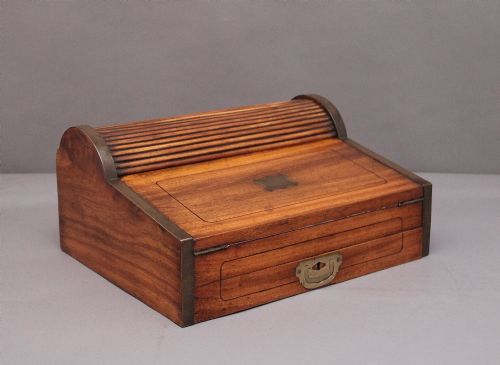
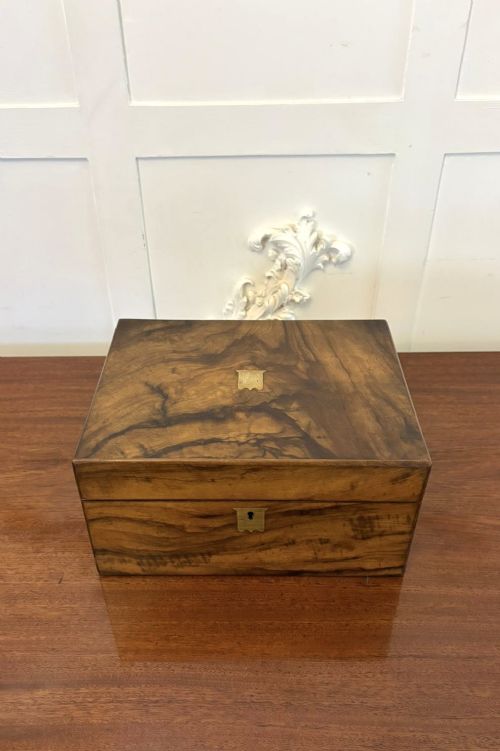
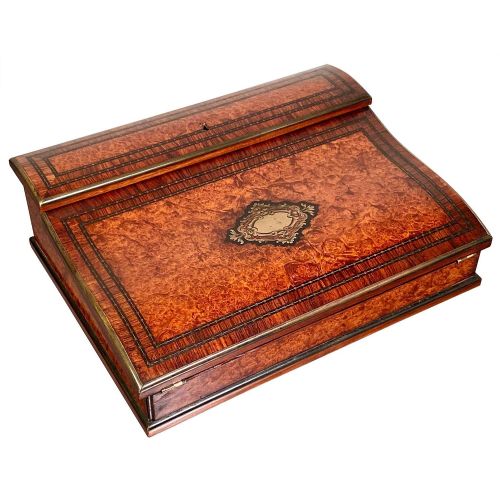
These portable writing slope pieces offer a clever fold-out desk space for travel, combining fine timber with brass hardware.
Understanding portable writing slope pieces
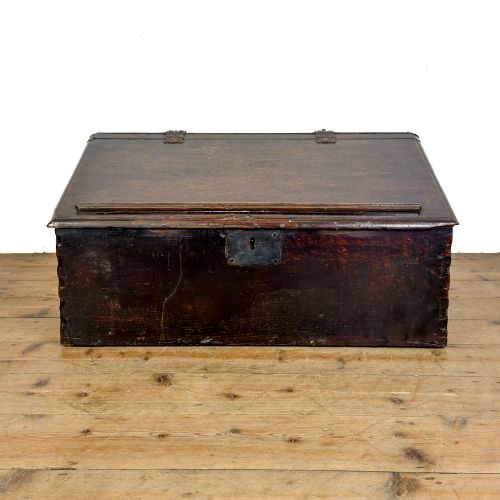
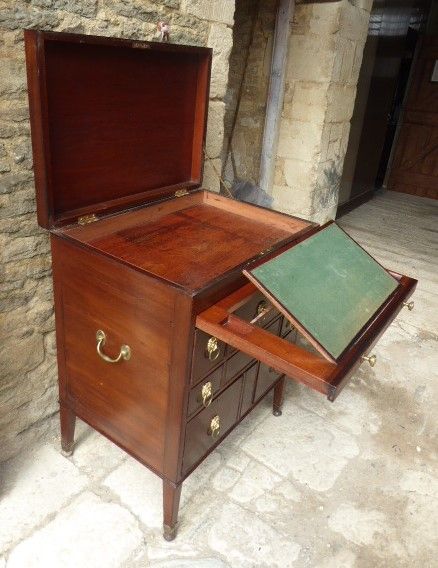
A portable writing slope is a desk box designed to fold open into a sloping writing surface, offering a practical workspace that travels easily. The pieces on this page span the Georgian, Victorian, and nineteenth-century periods, showing both standard tabletop boxes and versions fitted onto stands.
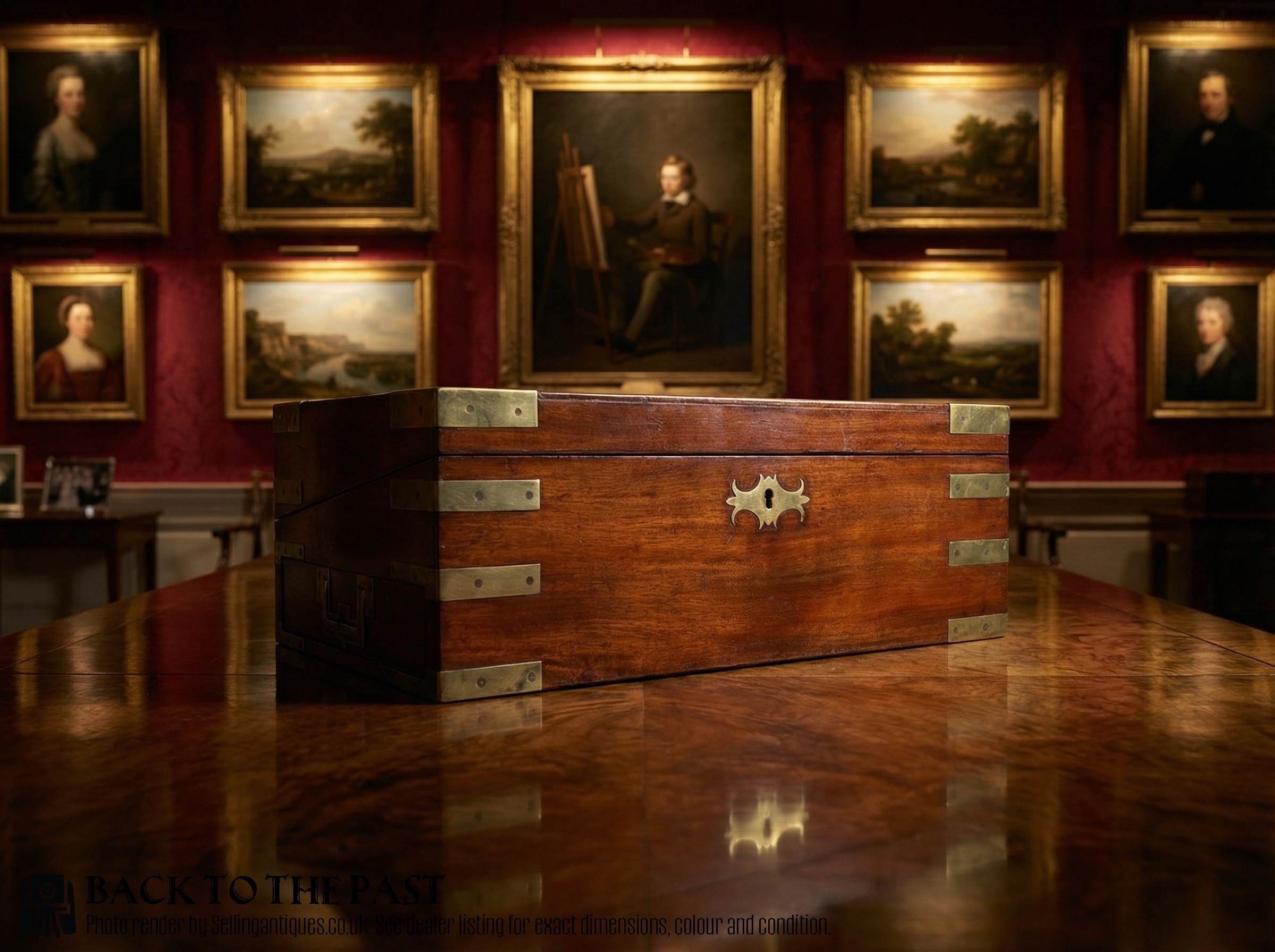
Forms include writing boxes and military campaign desks built for travel. You will encounter compact tabletop boxes alongside substantial pieces designed for officers on the move.
Materials and construction
Construction relies heavily on dense hardwoods including mahogany, camphor wood, burr walnut, coromandel, rosewood, and satinwood. Makers often selected these timbers for durability as well as rich natural grain patterns.
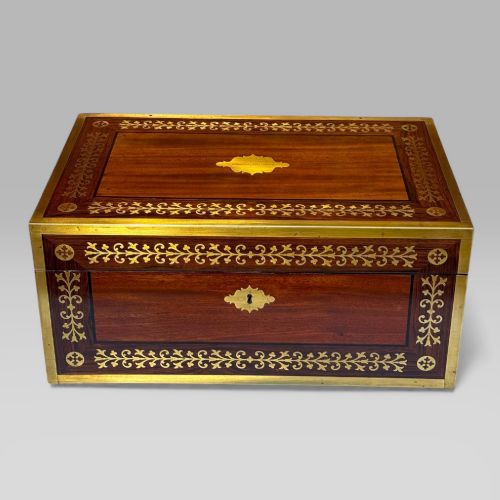
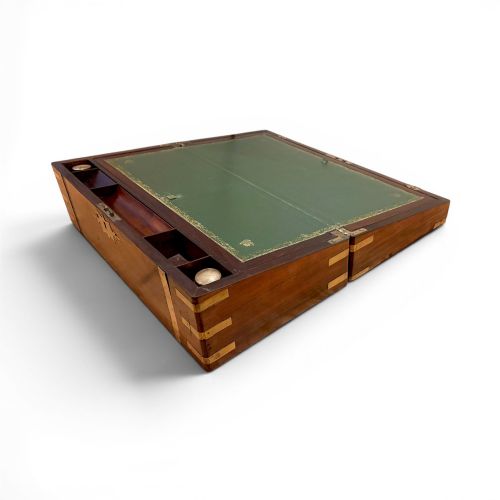
Pieces frequently feature brass banding, brass inlays, and corner brackets to reinforce the joints for travel. Tunbridge ware detailing and parquetry inlay appear on select examples to decorate the exterior surfaces.
Retail Price Guide 2026
Typical UK retail prices for portable writing slope, calculated from the Sellingantiques database of over a million retail prices indexed since 2003. This retail price guide relies exclusively on Sellingantiques data; no external sources or auction records are used, so the figures do not describe the wider market.
Camphor wood boxes brought the subtle aroma of the East into nineteenth-century studies while keeping insects away from important letters.
What sets finer examples apart
Quality rests on the choice of timber and the precision of the brass hardware fittings. Finer pieces utilise exotic woods like coromandel and burr walnut, paired with flush-fitting brasses designed for rigorous campaign use.
The sophistication of the interior fitments and secondary timbers distinguishes standard boxes from elite campaign desks. Superior examples include integrated candle sconces, stands, or intricate parquetry inlay.
The Portable Writing Slope Glossary
- Campaign desk
- A portable desk designed for military officers on active service abroad. These pieces feature robust construction and protective brass corners.
- Camphor wood
- An aromatic timber prized for its insect-repellent properties and distinctive grain. It was frequently utilised for campaign boxes destined for tropical climates.
- Coromandel
- A dense, heavily figured timber from South East Asia with dark brown and black striations. It appears on high-status nineteenth-century writing boxes.
- Parquetry
- A geometric mosaic of wood pieces used for decorative veneering on box lids. This technique creates intricate patterns using contrasting timbers.
- Tunbridge ware
- Woodworking featuring small, precisely mosaicked wooden tiles that form pictorial or geometric motifs. It decorates the surface of specific Victorian writing slopes.
Frequently Asked Questions
How do I date a portable writing slope?
Dating relies on observing the materials, construction methods, and brass hardware styles. Pieces span the Georgian and Victorian eras, with nineteenth-century examples showing distinct timber choices.
Changes in interior layout and locking mechanisms also help determine the period. Examining the secondary woods inside the box provides further clues to its age.
What is a military campaign writing slope?
A military campaign writing slope is a portable desk built to withstand the rigours of travel for officers. These items often feature recessed brass handles and corner brackets for protection.
Some examples include specialised fittings like candle sconces or rest upon dedicated folding stands. Their rugged construction differentiated them from domestic tabletop writing boxes.
What timbers were used for writing slopes?
Makers utilised a range of durable and decorative woods including mahogany, camphor wood, burr walnut, and coromandel. Rosewood and satinwood also appear on select examples.
Exotic timbers were chosen for their rich grain patterns as well as structural strength. The choice of wood often reflects the status of the piece and its intended use.
How were these boxes used originally?
These boxes provided a stable writing surface and secure storage for stationery while travelling. The hinged lid folded down to form a sloping baize-lined desk.
Compartments inside held inkwells, pens, and paper away from home. Officers and travellers relied on them to maintain correspondence on the move.