



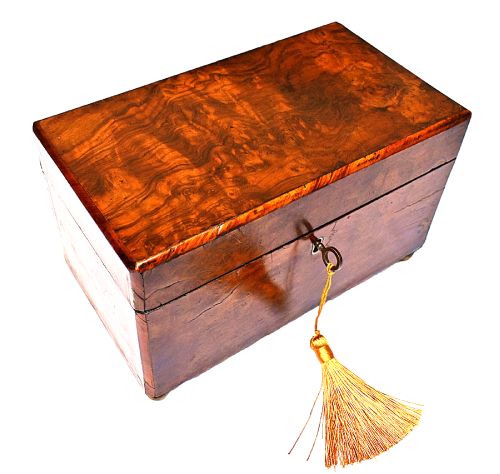

Antique Walnut Box
When you search for an antique walnut box, you are looking at practical vessels crafted to hold tea, letters, and personal valuables.
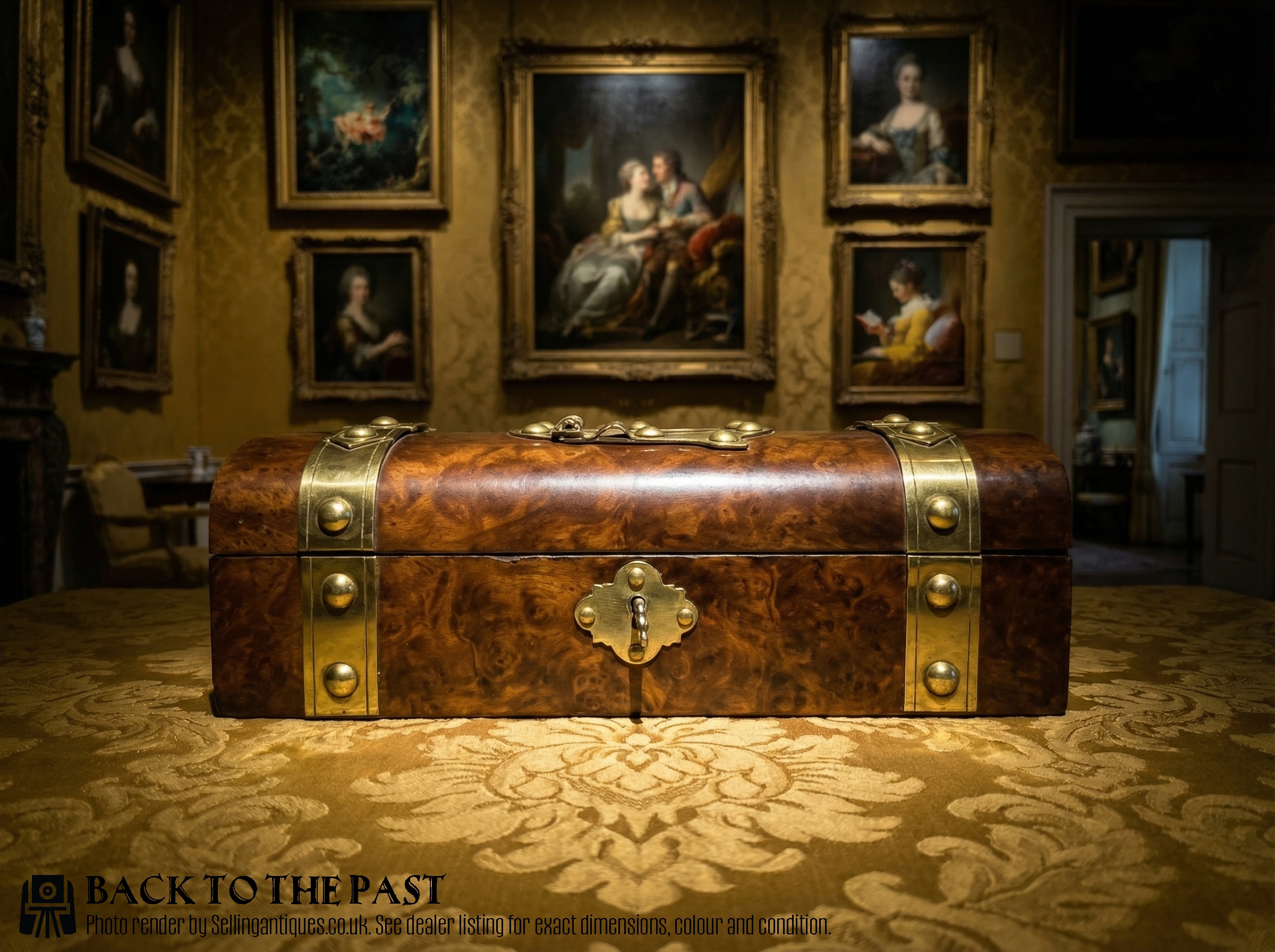
Antique Walnut Box
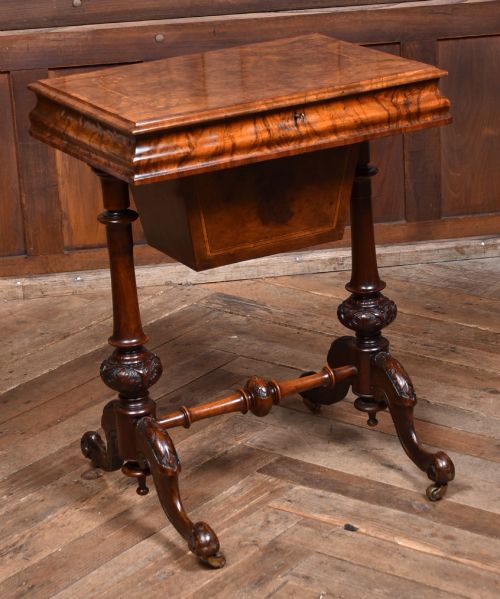
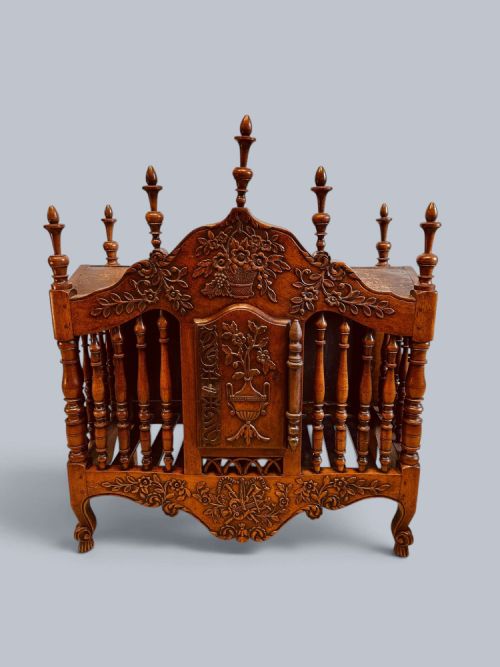
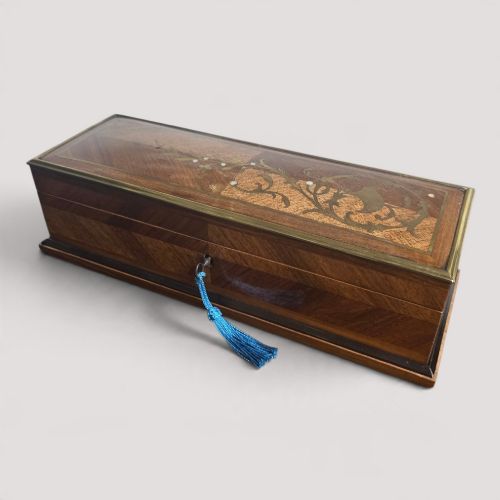
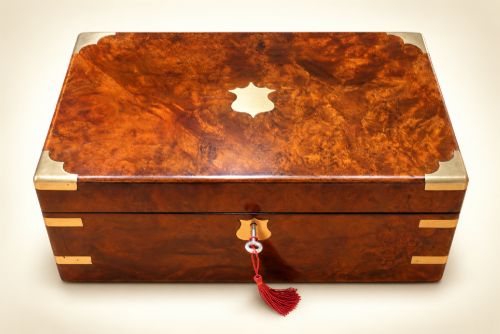
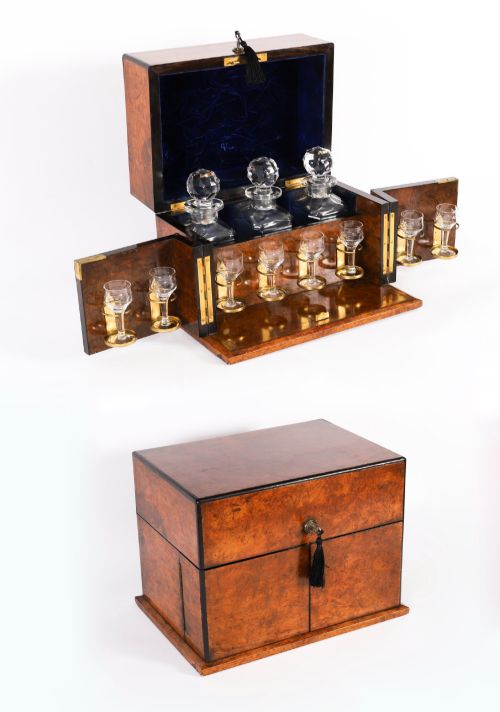
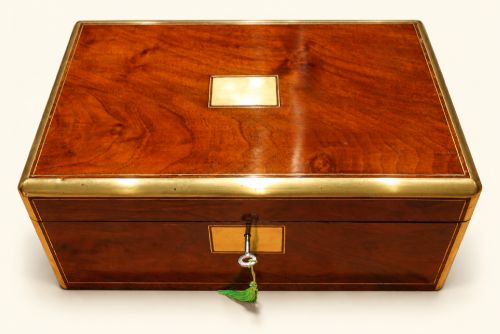
An antique walnut box encompasses a wide array of domestic containers, from tea caddies and writing slopes to stationery cabinets and jewellery caskets. These pieces served functional roles in period homes, designed to secure correspondence, valuables, or consumables under lock and key.
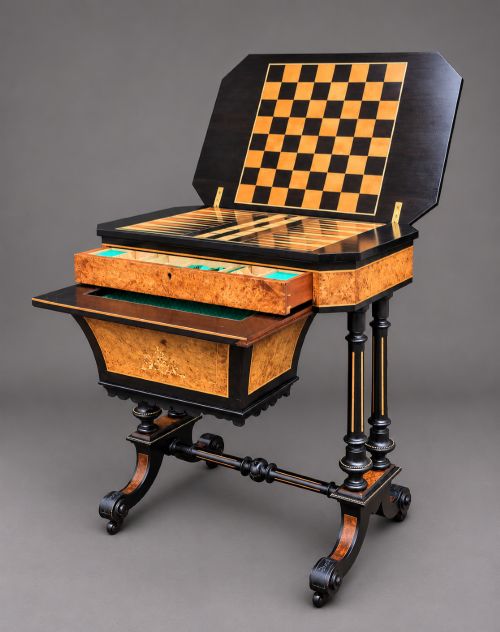
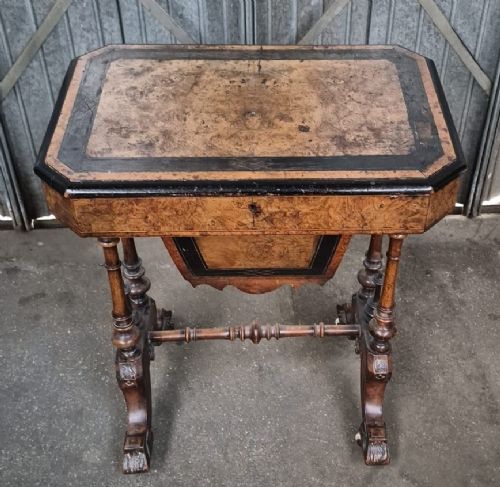
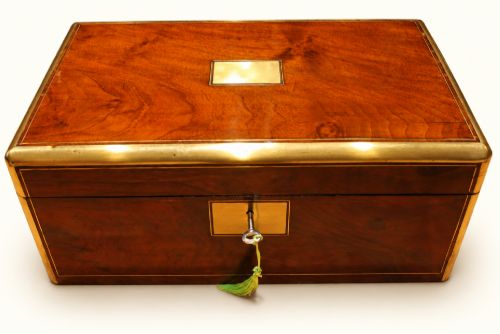
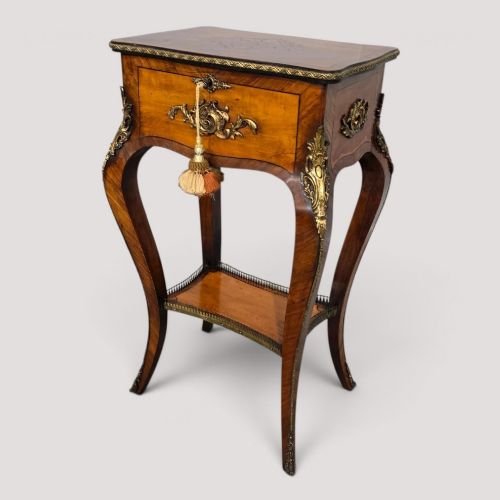
The Victorian incarnation dominates the selections found here, often rendered in richly figured burr timber and mounted with brass edges. Alongside these, examples span from earlier Georgian and Regency periods to Edwardian adaptations, showing diverse forms including sewing tables and decorative caskets.
How They Were Made
Cabinet makers utilised solid timber or applied decorative burr walnut veneers over secondary woods to create striking figured surfaces on lids and panels. Workshops frequently enhanced these structures with contrasting inlay techniques such as Tunbridge ware, boxwood banding, or mother-of-pearl.
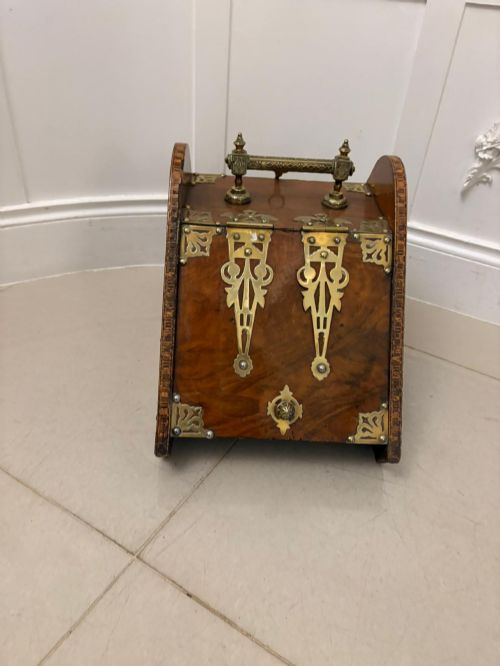
Hardware played an integral part in construction, incorporating brass corner mounts, campaign straps, and fitted interior compartments lined with velvet, leather, or silk. Joints were precisely cut to ensure stability, while locks and escutcheons provided security for personal items.
Antique Walnut Box Retail Price Guide 2026
Typical asking prices for walnut box among the pieces listed under this phrase on Sellingantiques today, from the lower quarter to the upper quarter. They describe what is for sale here now, not the wider market.
Materials recorded across the inventory include brass, bone, glass, velvet, mother-of-pearl, and iron alongside solid and veneered walnut.
What Varies in Quality
The tier of a piece depends heavily on the selection of the timber grain, with symmetrical burr patterns commanding greater appreciation than plain cuts. Superior examples display meticulous alignment in parquetry and inlay work across every exposed surface.
Interior architecture dictates distinction, separating standard storage spaces from elaborately fitted writing slopes equipped with secret drawers, matching inkwells, and original velvet surfaces. The integration of robust brass mounts and functioning locks further distinguishes finer workshops from mass production.
Henry Hollamby·Sampson Mordan·Gill and Reigate
The Antique Walnut Box Glossary
- Burr Walnut
- A distinctively figured timber taken from the growth excrescences of the tree, prized for its swirling, organic grain patterns on decorative surfaces.
- Writing Slope
- A desktop box featuring an angled, hinged lid that folds down to form a writing surface, typically fitted with compartments for ink and paper.
- Tea Caddy
- A lidded container originally designed to store dry tea leaves securely, often featuring internal compartments and a locking lid.
- Tunbridge Ware
- A meticulous form of mosaic woodworking originating from Kent, creating detailed geometric or pictorial motifs from thousands of tiny coloured wood blocks.
- Stationery Box
- An upright desk accessory designed to hold envelopes, writing paper, and correspondence upright within tiered interior divisions.
Antique Walnut Box: Frequently Asked Questions
What were antique walnut boxes used for?
These vessels held domestic valuables, ranging from dry tea leaves and stationery to jewellery and sewing implements. Their internal compartments kept delicate items organised and protected from dust and light.
Many featured integrated locks to secure private correspondence or currency. They functioned as portable storage units for the desktop or dressing table before the widespread use of built-in furniture.
How do I identify burr walnut timber?
Burr walnut exhibits swirling, knotty grain patterns created by natural growth anomalies rather than standard linear timber growth. This decorative figuring appears most frequently on the primary exterior surfaces of lids and drawer fronts.
Craftsmen sliced these burls into thin veneers to display the complex patterns across flat expanses. It contrasts sharply with the straight, uniform grain of plain walnut.
Were these boxes lined with leather?
Writing slopes and stationery cases often incorporated leather or velvet linings inside their folding writing surfaces and compartments. These soft materials protected precious paper and stored items from scratches against the wooden interior.
Many surviving examples retain their original gold-tooled leather inserts. The condition of these linings often reflects the frequency of past use.
How can I tell the period of a box?
Dating relies on construction methods, hardware styles, and the overarching aesthetic of the piece. Georgian and Regency examples tend to feature clean geometric lines and flush brass stringing, while Victorian variants often display heavier proportions and elaborate burr veneers.
Interior fittings and lock types also provide clues to the era of manufacture. Consulting the specific wood species and decorative techniques helps narrow down the decade.