


Edwardian Walnut Box
An edwardian walnut box brings tactile warmth to any room, offering neat storage for trinkets, letters or cigars in richly figured timber.
Edwardian Walnut Box
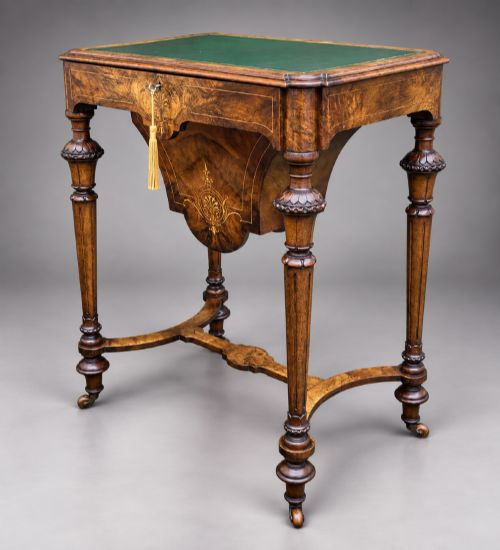
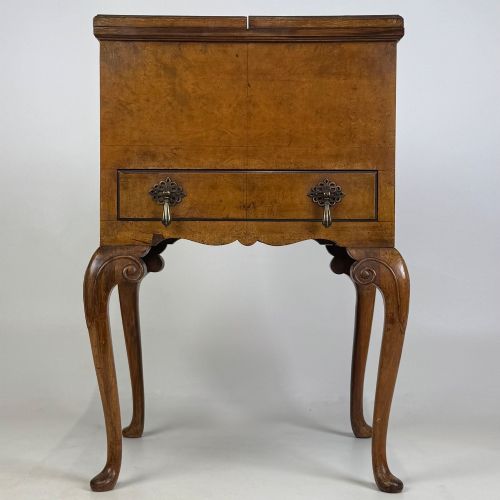
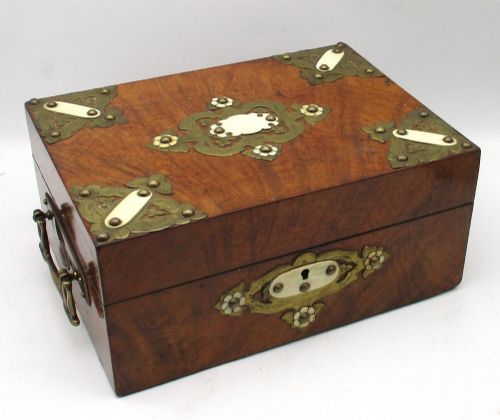
When searching for an edwardian walnut box, a buyer encounters a diverse group of receptacles designed for personal organisation and household utility during the late nineteenth and early twentieth centuries. These pieces encompass smaller tabletop containers such as jewellery chests, stationery boxes, and writing slopes, alongside larger items incorporating compartments for games, cigars, or sewing implements.
The selections on this page span the Edwardian era and adjacent nineteenth-century periods, showcasing how cabinetmakers utilised rich timbers to create both functional desk accessories and decorative furnishings. While some examples remain purely portable tabletop items, others form part of larger fitted cabinets, music stands, or work tables featuring internal partitions.
Originating from British workshops, these items reflect the era's taste for refined domestic organisation, employing durable hardwoods shaped into compact caskets, sloping desks, and glove boxes. The survival of such pieces demonstrates the enduring appeal of traditional cabinet work applied to everyday storage.
Materials and Construction
Makers constructed these pieces using solid walnut carcasses often enhanced with decorative burr walnut veneers displaying swirling, highly figured grain patterns. Cabinetmakers frequently applied contrasting satinwood stringing, marquetry inlay, and boxwood details to accentuate the panels and lids.
Functional metal elements played a crucial role in construction, with heavy brass mounts, corner brackets, and lock plates providing both structural reinforcement and visual contrast against the dark timber. Interiors frequently featured fitted trays, velvet or leather linings, and hidden secret drawers operated by concealed release mechanisms.
Listings feature walnut, burr walnut, brass, and mahogany across Victorian and Edwardian writing slopes, games boxes, and stationery cabinets.
Distinctions in Quality
Quality in these items rests upon the selection of timber veneers and the precision of the joinery rather than mere ornamentation. Superior examples display symmetrical burr walnut grain wrapping seamlessly around the lid and sides, matched with tight dovetail joints and functioning original locks.
Interiors reveal the standard of craftsmanship through cleanly fitted partitions, intact silk or velvet linings, and well-balanced brass hardware that sits flush within the wood. Lesser pieces rely on printed transfers or plain timber without the depth of figured grain and meticulous internal arrangement.
Whytock & Reid
The Edwardian Walnut Box Glossary
- Burr Walnut
- A specialised wood veneer taken from the warted growths on walnut trees. It yields intricate, swirling grain patterns highly prized for decorative box lids.
- Writing Slope
- A portable desk featuring a hinged, slanted writing surface. Opening the lid typically reveals pigeonholes, pen trays, and hidden secret drawers.
- Marquetry
- The art of applying pieces of veneer to a structure to form decorative patterns. Craftsmen utilised contrasting woods like satinwood and boxwood for floral or geometric motifs.
- Stationery Box
- A desktop cabinet designed to hold writing paper and envelopes. These often feature sloping tiered tiers or drop-front doors with glass panels.
- Bijouterie Table
- A glazed display table created for showcasing small collections of valuable trinkets. They frequently feature hinged glass tops and lined interiors.
Edwardian Walnut Box: Frequently Asked Questions
What were edwardian walnut boxes used for?
These containers served specific domestic functions in period homes, keeping precious items secure and everyday desk clutter neatly arranged. Owners stored correspondence, jewellery, sewing tools, or playing cards inside fitted internal compartments.
Larger variations functioned as portable writing desks or dedicated receptacles for cigars and tobacco. Their sturdy construction ensured valuable personal possessions remained protected from dust and damage.
How do I tell an Edwardian box from a Victorian one?
Dating these pieces involves observing subtle shifts in decorative style and construction methods between the mid-nineteenth and early twentieth centuries. Victorian examples often display heavier brass mounts, ornate Rococo revival styling, and deep, dark polishing.
Edwardian pieces frequently lean towards lighter satin walnut, restrained inlay work, and streamlined proportions influenced by Arts and Crafts ideals. Examining the interior fittings and secondary lining woods also helps clarify the period of manufacture.
Are the locks and keys usually original?
Many surviving containers retain their original brass or steel lever locks stamped with period maker names or crown ciphers. Working keys are frequently present on well-preserved examples, though replacement keys are common due to the long passage of time.
Collectors appreciate original hardware because mismatched replacements disrupt the historical integrity of the piece. Checking the escutcheon plate for signs of later alteration reveals whether the locking mechanism has been repaired.
How should I care for walnut veneer?
Maintaining antique walnut requires keeping the timber away from direct sunlight and sudden temperature shifts that cause veneer to split or lift. Gentle dusting with a dry, soft cloth preserves the natural lustre of the French polished surface.
Occasional application of appropriate wax feeds the dry wood without building up heavy chemical residues. Avoiding moisture on leather or velvet linings ensures the interior remains preserved in its original state.