


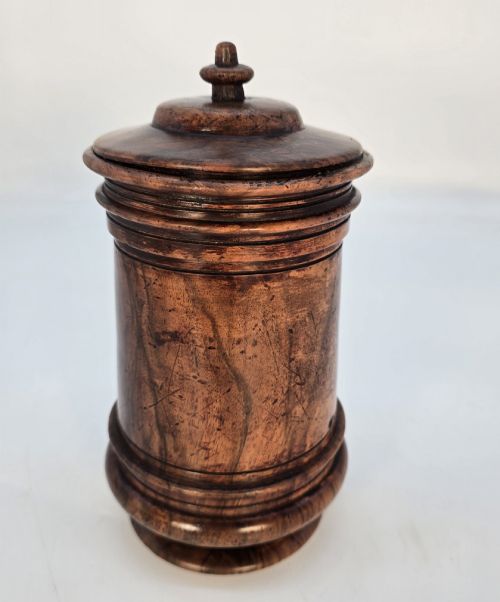


18th Century Walnut Box
An 18th century walnut box brings the rich grain and warm tone of the period directly to a desk or dressing table.
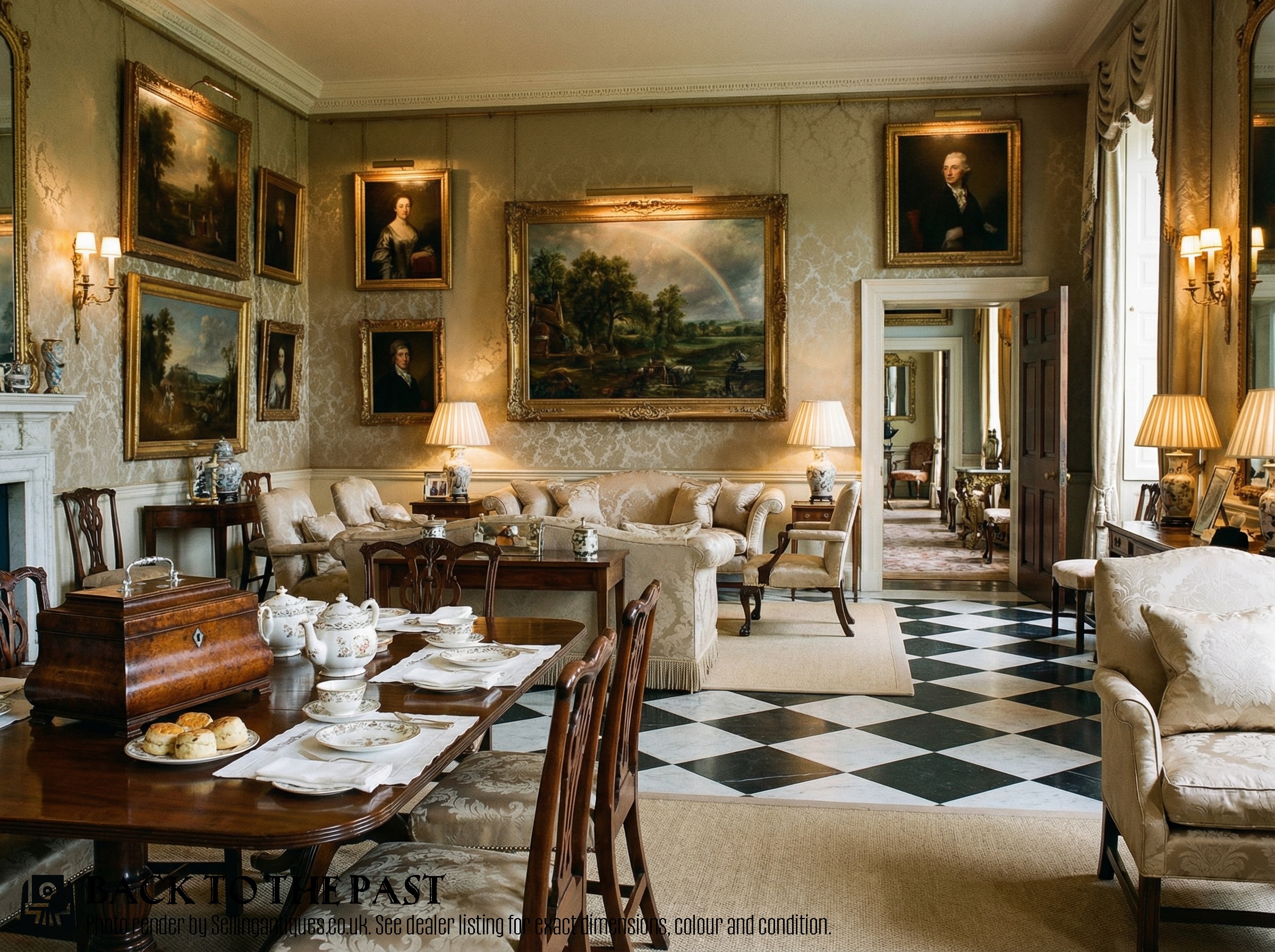
18th Century Walnut Box
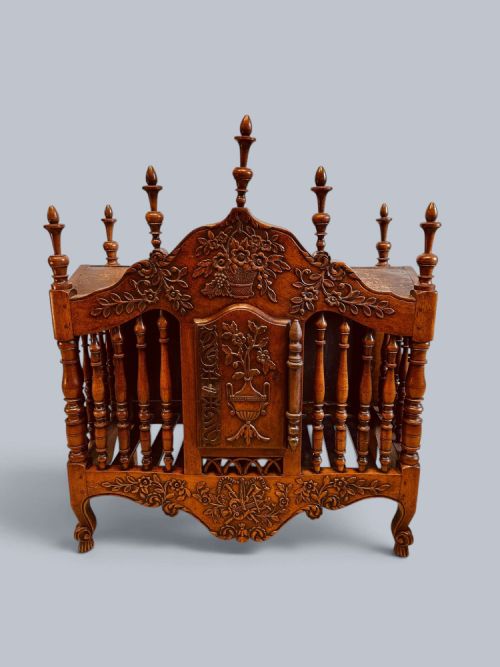
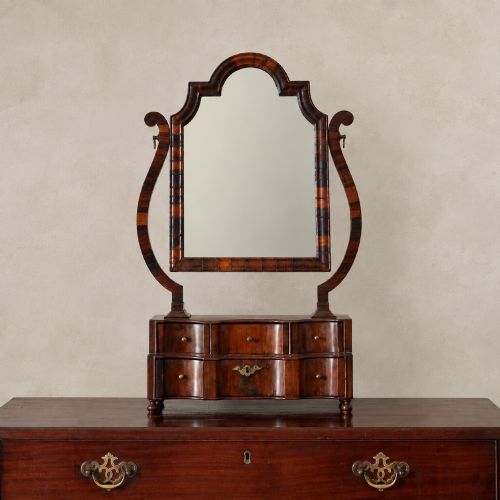
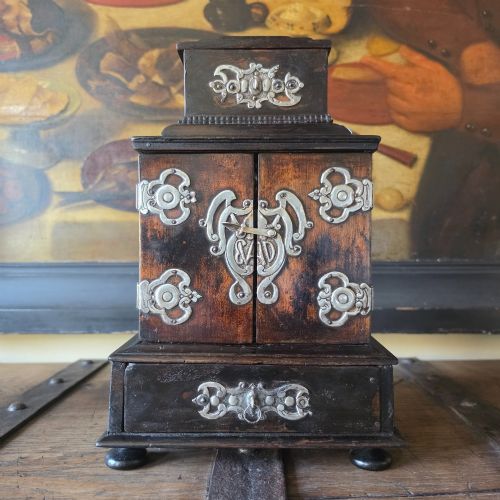
When searching for an 18th century walnut box, you encounter pieces designed for personal storage, writing, grooming, and the containment of precious commodities like tea or tobacco. The most common forms on this page are toilet mirrors, dressing table mirrors, tea caddies, and smaller decorative caskets or strong boxes.
These items span periods from the reign of Queen Anne through the Georgian eras, including George I, George II, and George III, alongside continental examples. Cabinetmakers of the time utilised walnut both in solid form and as figured veneers to house belongings safely.
The domestic scale of these objects reflects the intimate spaces of the Georgian home, where portable storage items sat upon larger furniture or hung on panelled walls.
Materials and Construction
Carpenters constructed the primary carcases using solid walnut, burr walnut, red walnut, and supporting secondary timbers such as oak, with boxwood and other details applied for contrast.
Surface decoration frequently relied on figured veneers, marquetry, and oyster veneers, complemented by brass hardware, hinges, and cut brass inlays.
Joining methods relied on traditional dovetailing for boxes and chests, while mirrors utilised pegged frames and glass plates set into moulded surrounds.
18th Century Walnut Box Retail Price Guide 2026
Typical asking prices for 18th century walnut box among the pieces listed under this phrase on Sellingantiques today, from the lower quarter to the upper quarter. They describe what is for sale here now, not the wider market.
Some tea caddies retain tiny original keys that still lock the precious leaves away from midnight thieves.
Distinctions in Quality
The standard of an 18th century walnut box rests heavily on the choice of timber, with highly figured burr walnut or carefully matched oyster veneers signalling superior workshop production compared to plain stock.
The finesse of the joinery, particularly the tightness of the dovetails and the integrity of the secondary woods like oak, distinguishes professional cabinet work from simpler vernacular pieces.
Original hardware, including brass escutcheons, hinges, and working locks with keys, elevates the integrity of a piece above those altered or refitted in later centuries.
The 18th Century Walnut Box Glossary
- Burr walnut
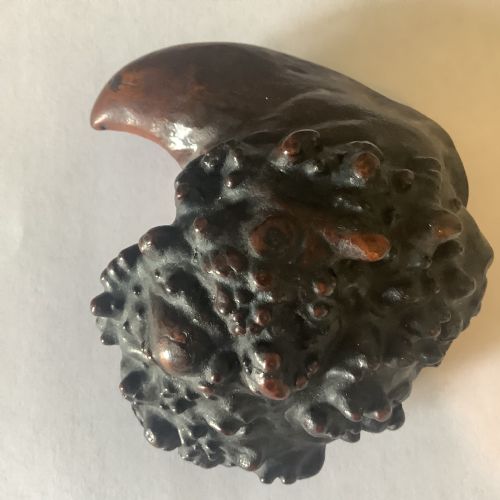
- A wood harvested from walnut tree growths that produces highly swirled, decorative grain patterns. Cabinetmakers sliced this material into thin veneers for decorative surfaces.
- Tea caddy
- A small container designed to store dry tea leaves securely under lock and key. These boxes often feature internal compartments.
- Toilet mirror
- A swing mirror mounted on a small table base or chest fitted with small drawers. They stood upon dressing tables during the Georgian period.
- Oyster veneer
- Slices cut transversely from small branches or roots to produce circular or oval patterns resembling oyster shells. This technique was popular in earlier walnut furniture.
- Marquetry
- The art of applying pieces of veneer to a structure to form decorative patterns and pictures. Dutch and English makers employed this on box lids and mirror frames.
18th Century Walnut Box: Frequently Asked Questions
What were tea caddies used for?
Tea caddies served to store valuable tea leaves under lock and key in the Georgian household. Tea was an expensive commodity, requiring secure containment.
Many examples feature divided interiors or canisters to separate different varieties of tea leaves.
How do I identify a Queen Anne walnut box?
Queen Anne period pieces often display rich figured veneers, warm honey tones, and restrained proportions. They typically date from the early decades of the eighteenth century.
Construction details like hand-cut dovetails and period brasses help confirm this early origin.
Where were toilet mirrors placed?
Toilet mirrors sat atop dressing tables, chests of drawers, or lowboys in bedrooms and dressing rooms. They provided a portable reflective surface for grooming.
The base boxes often housed small drawers for storing cosmetics, pins, or jewellery.
What is burr walnut?
Burr walnut is timber taken from a tree's growth or burl, yielding dense, swirling grain patterns. It was prized for decorative veneer work on high-status boxes.
Because of its irregular growth, it required careful cutting and application by skilled cabinetmakers.