

Brass Handle Wooden Box
A brass handle wooden box offers a sturdy and practical way to store valuables, documents, and travel goods.
Brass Handle Wooden Box
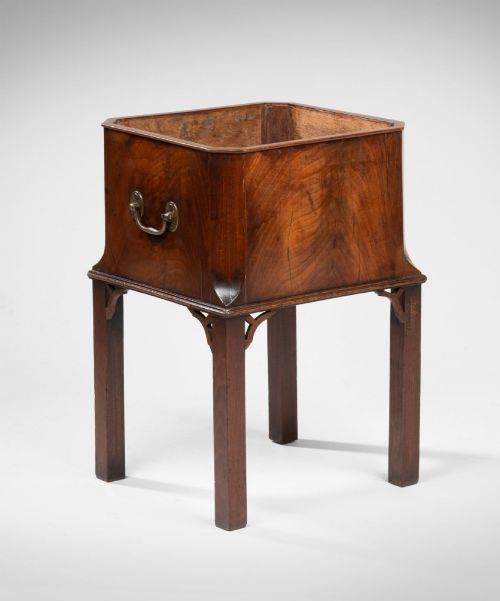
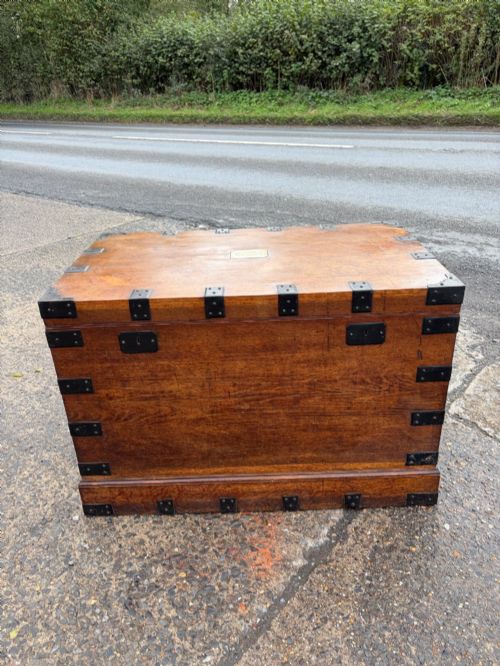
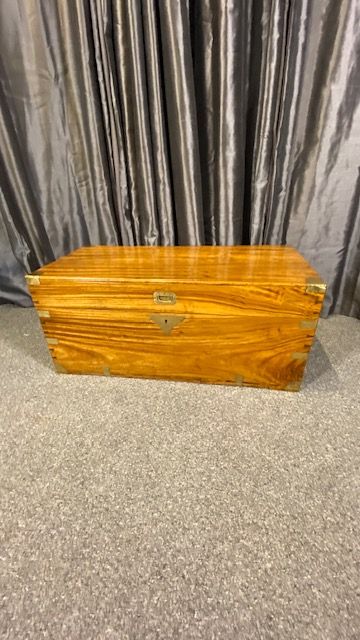
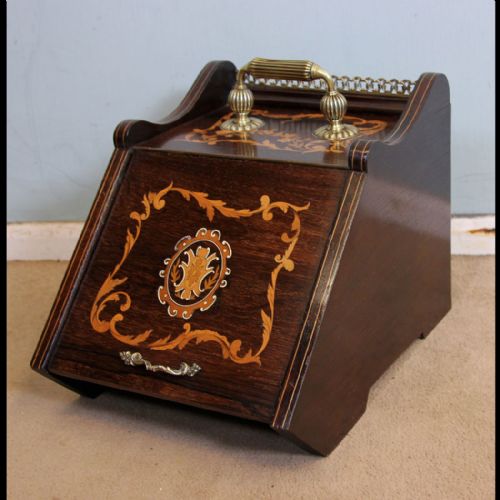
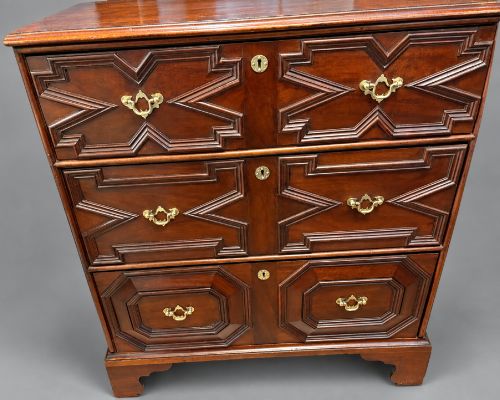
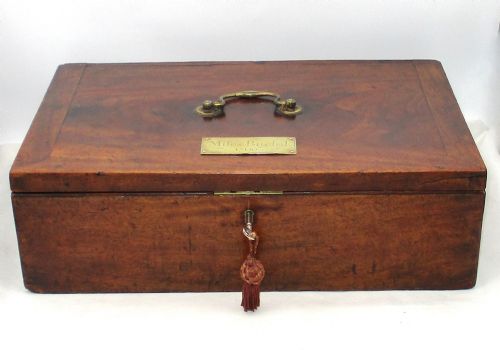
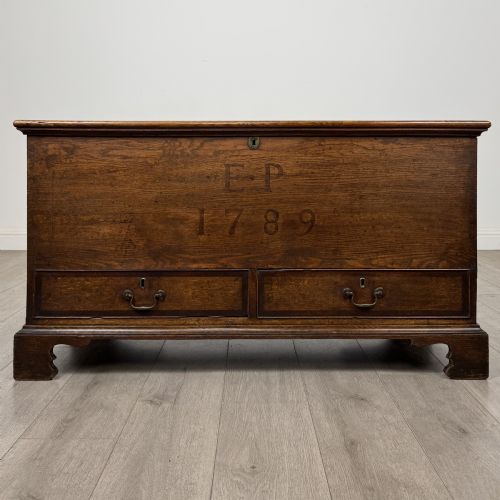
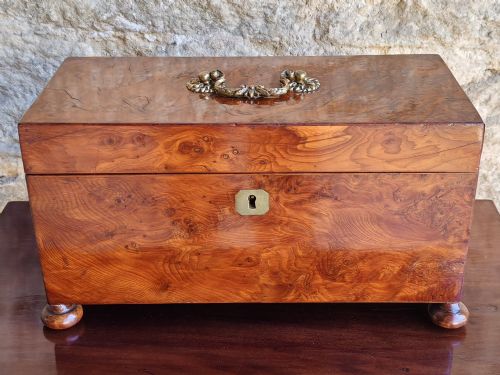
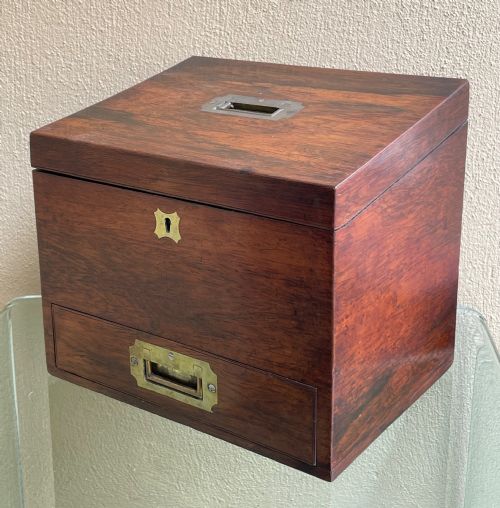
A brass handle wooden box encompasses utilitarian containers made for travel, domestic storage, and the safekeeping of precious items. The options on this page span from Georgian and Regency examples to Victorian campaign chests and document cases, reflecting centuries of practical craftsmanship.
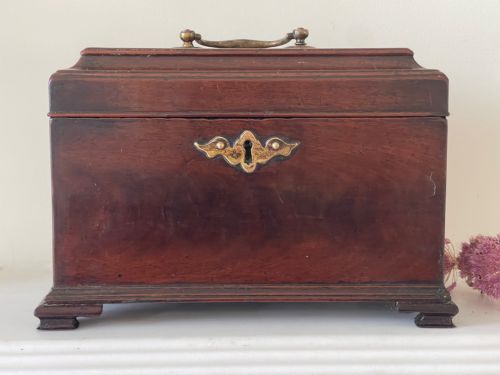
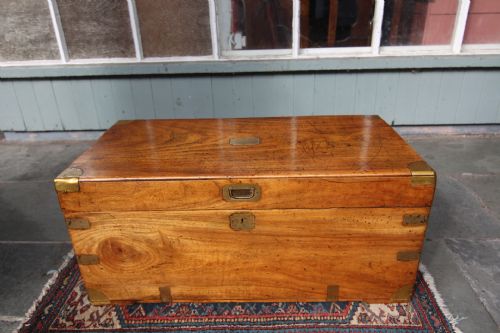
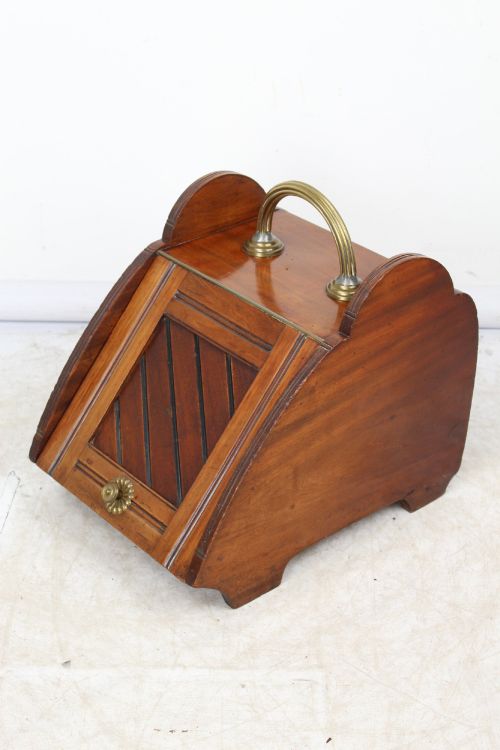
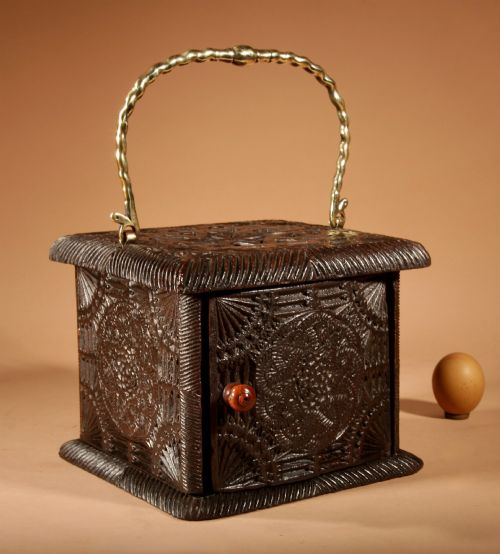
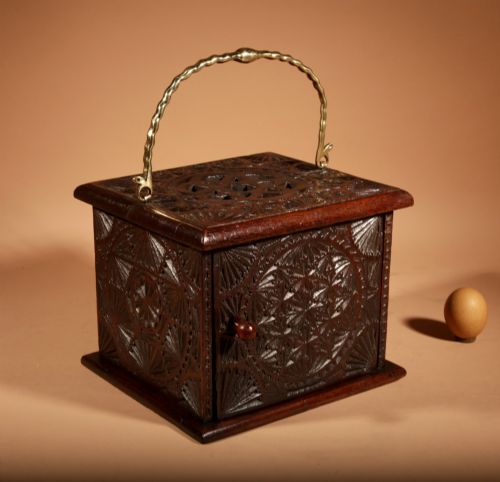
Buyers encounter forms ranging from tea caddies and correspondence boxes to larger camphorwood trunks and coal scuttles. Mahogany, oak, rosewood, and camphorwood dominate the available selections, frequently fitted with robust brass hardware designed for lifting and transport.
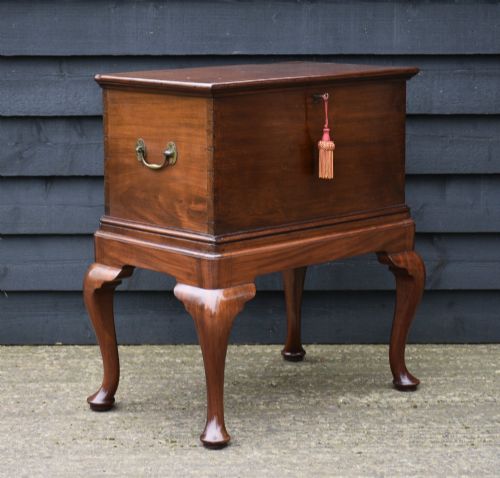
Earlier pieces from the eighteenth century focus on refined domestic storage like document boxes and cellarettes, whilst nineteenth-century examples often lean towards military campaign trunks and heavy storage chests. Each variation reveals the specific domestic or travel needs of its original period.
Materials and construction
Cabinetmakers utilised dense hardwoods such as mahogany, oak, rosewood, and camphorwood to build these containers, ensuring structural stability and longevity. These timbers were selected both for their durability in transit and their rich natural grain patterns.
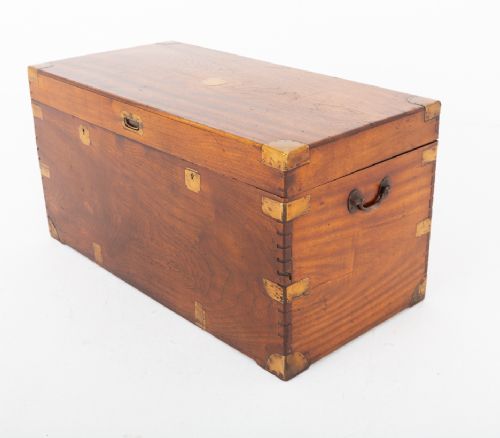
Brass fittings, including carrying handles, escutcheons, and corner brackets, were integrated into the woodwork to protect edges and facilitate movement. Dovetail joints frequently secure the corners of the boxes, demonstrating traditional joinery methods designed to withstand heavy use.
Brass Handle Wooden Box Retail Price Guide 2026
Typical asking prices for brass handle wooden box among the pieces listed under this phrase on Sellingantiques today, from the lower quarter to the upper quarter. They describe what is for sale here now, not the wider market.
Listings feature periods spanning from the early eighteenth century through the Victorian era, utilising woods including mahogany, oak, camphorwood, and rosewood.
Factors determining quality
Quality rests upon the selection of timber, the precision of the joinery, and the integrity of the hardware. Superior examples display tightly fitted dovetails, well-matched wood veneers, and original brass handles secured with period fixings.
The sophistication of internal fittings also separates standard containers from finer pieces. Secret drawers, original locks with working keys, and fitted compartments for cutlery or tea canisters indicate a higher tier of initial manufacture and better preservation over time.
The Brass Handle Wooden Box Glossary
- Campaign chest
- A modular storage trunk split into sections, built for military officers on the move. These pieces incorporate recessed brass handles and brass corner brackets to withstand rugged transport.
- Tea caddy
- A small container designed to store tea leaves securely, often featuring internal compartments or mixing bowls. They frequently include lockable lids to protect expensive nineteenth-century commodities.
- Cellarette
- A lockable box or cabinet used to store bottles of wine or spirits. Many examples feature fitted internal divisions to keep bottles secure during transit or dining.
- Dovetail
- A joint formed by interlocking wedge-shaped fingers of wood, providing exceptional tensile strength. This technique prevents corners from pulling apart under strain.
- Escutcheon
- A flat plate of brass surrounding a keyhole, protecting the surrounding wood from wear. They often match the finish and style of the carrying handles.
Brass Handle Wooden Box: Frequently Asked Questions
What were brass handle wooden boxes used for?
These boxes served a multitude of domestic and travel purposes, ranging from holding correspondence and tea to transporting military uniforms across continents. Their robust construction allowed owners to keep valuable possessions secure during long journeys.
Smaller formats sat on desks or tables for daily use, whilst larger trunks travelled with officers and merchants. The inclusion of sturdy metal handles ensured the containers could be lifted and packed efficiently.
How do I identify a campaign box?
Campaign pieces typically feature flush brass handles that fold flat into the sides of the wood to prevent catching during transit. They often separate into distinct modular sections or contain specialised internal writing slopes and compartments.
Built from durable timbers like camphorwood or mahogany, these boxes prioritised practical mobility alongside traditional cabinetmaking standards. Brass reinforcement on the corners further points to a military or travel origin.
How should I care for antique wood and brass?
Maintain the timber by keeping the box away from direct heat sources and sudden humidity changes to prevent the wood from splitting. Regular dusting with a dry cloth preserves the finish without harming the surface.
Brass hardware can be left with its natural patina or gently polished using appropriate non-abrasive cleaners designed for antiques. Avoid harsh chemical solvents on both the wood and the metal fittings.