



Wooden Posting Box
A wooden posting box handles the daily correspondence of a country house, hotel or desk, bringing period utility and craftsmanship into focus.
Wooden Posting Box
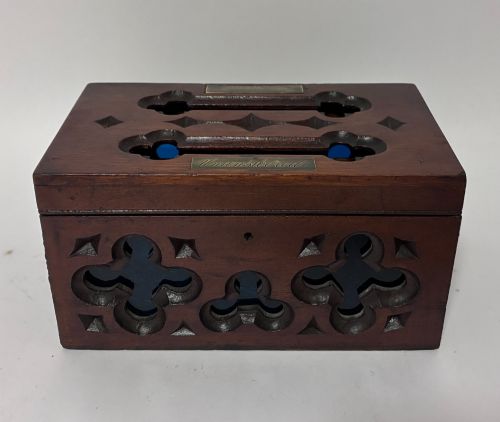
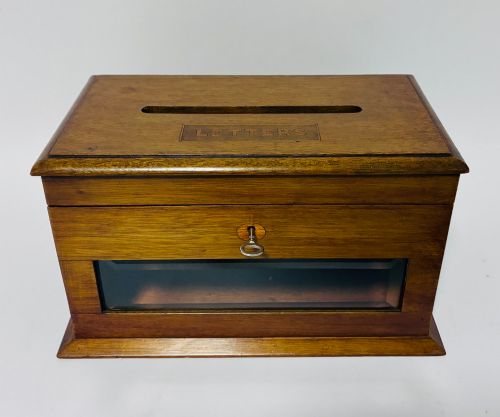
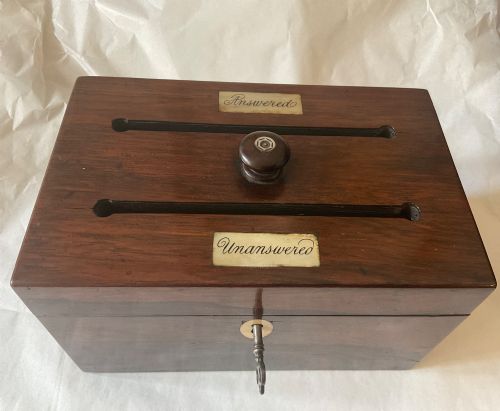
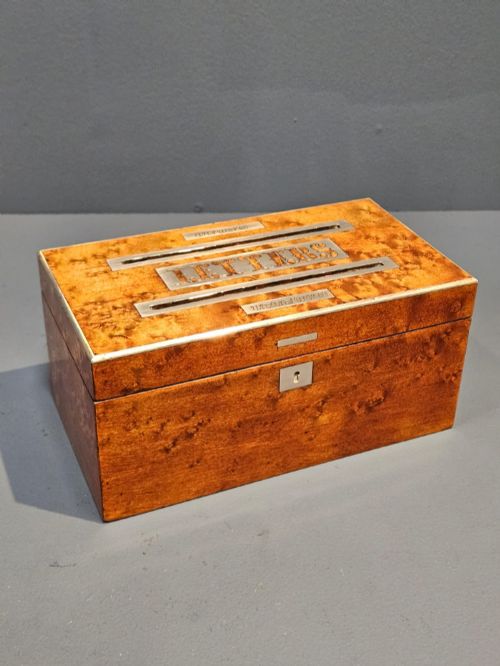
A wooden posting box serves as a secure receptacle for letters, mail and correspondence across desk and wall-mounted formats. Buyers hunting for a wooden posting box encounter pieces spanning the nineteenth century through the Edwardian period, with Victorian examples appearing most frequently.
These items take various object types including letter boxes, postal boxes and stationery boxes. Origins range from country houses to hotels, reflecting their everyday administrative role in period interiors.
Materials and Construction
Construction relies heavily on timbers such as oak, mahogany, satinwood, pine and rosewood, often paired with brass hinges, mounts and locks. Selected pieces incorporate glass, bone and steel decoration to accent the primary woodwork.
Joinery methods encompass traditional box-making techniques appropriate for domestic and institutional use. Carved details and fitted interior divisions appear across nineteenth-century and Arts and Crafts examples.
Wooden Posting Box Retail Price Guide 2026
Typical asking prices for wooden posting box among the pieces listed under this phrase on Sellingantiques today, from the lower quarter to the upper quarter. They describe what is for sale here now, not the wider market.
Listings feature periods spanning the eighteenth century through the Edwardian era, utilising oak, mahogany, satinwood, brass and glass.
Factors of Quality
Quality differentiates through the choice of timber figure, such as burr satinwood or golden oak, and the precision of the brass hardware fittings. Superior pieces display refined joinery, intact original mounts and sophisticated decorative elements like cut steel.
The presence of specialised divisions, clever internal mechanics and distinctive regional styles elevate certain examples above standard utility boxes. The integration of materials like bone and brass defines the upper tier of surviving pieces.
The Wooden Posting Box Glossary
- Correspondence box
- A specialised container designed to hold writing paper, envelopes and incoming or outgoing mail. These boxes often feature internal dividers and fall-front or hinged lids.
- Country house
- A large residential estate that generated substantial domestic administration, requiring dedicated postal boxes and stationery storage. Pieces originating from these settings typically show robust construction.
- Arts and Crafts
- A design movement emphasising handcraftsmanship, simple forms and honest expression of materials. Oak letter boxes from this tradition focus on grain pattern and exposed construction.
Wooden Posting Box: Frequently Asked Questions
What is a wooden posting box?
A wooden posting box is a container built to collect, sort or store mail within a home, hotel or office setting. They range from small desk accessories to wall-mounted receptacles.
Most surviving examples date from the nineteenth and early twentieth centuries, constructed in timbers like oak, mahogany and satinwood with brass hardware.
How were these boxes used?
These boxes managed the steady flow of daily correspondence before modern postal collection became ubiquitous. Householders placed outgoing letters inside for servants to collect or kept incoming post organised.
They also functioned on hotel reception desks and within private studies to keep stationery and answered or unanswered letters sorted.
How do I date a wooden posting box?
Dating relies on identifying the prevailing style, timber choice and construction methods used in the piece. Victorian examples often feature heavy oak with brass mounts, while Arts and Crafts pieces show simpler, grain-focused designs.
Reference points include Georgian influences, Regency satinwood work and later Edwardian hotel postboxes.
Where were they placed?
Original locations included entrance halls of country houses, hotel reception counters and private writing desks. Wall-mounted variants hung near entryways for convenient posting.
Desk-standing versions sat among inkwells and blotters in studies and libraries to manage daily correspondence.