



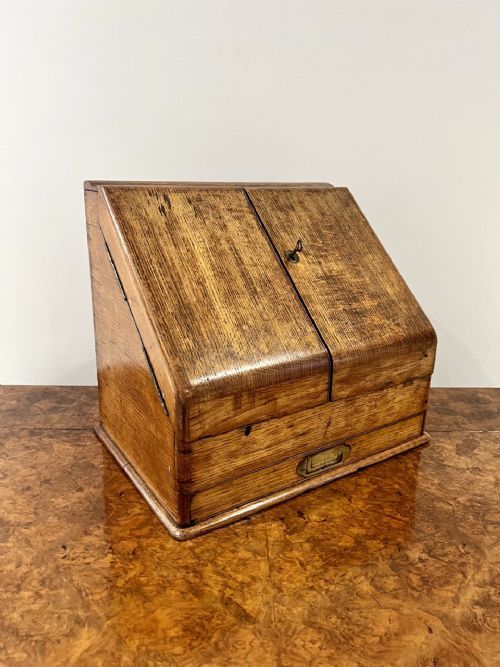
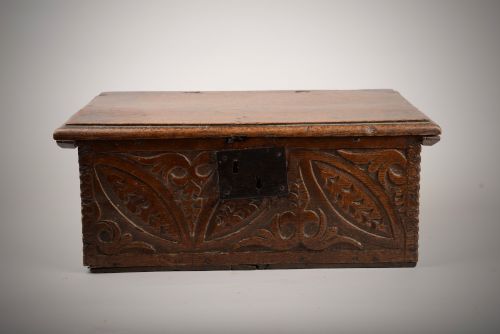
Antique Wooden Lock Box
An antique wooden lock box protects valuables with mechanical ingenuity, offering sturdy construction and period charm for daily use.
Antique Wooden Lock Box
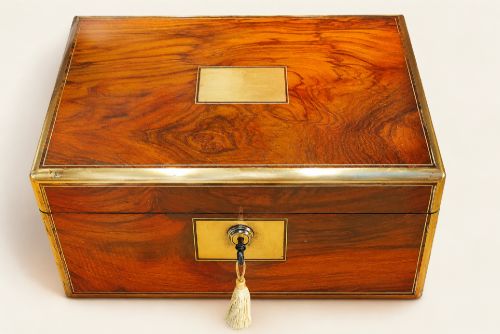
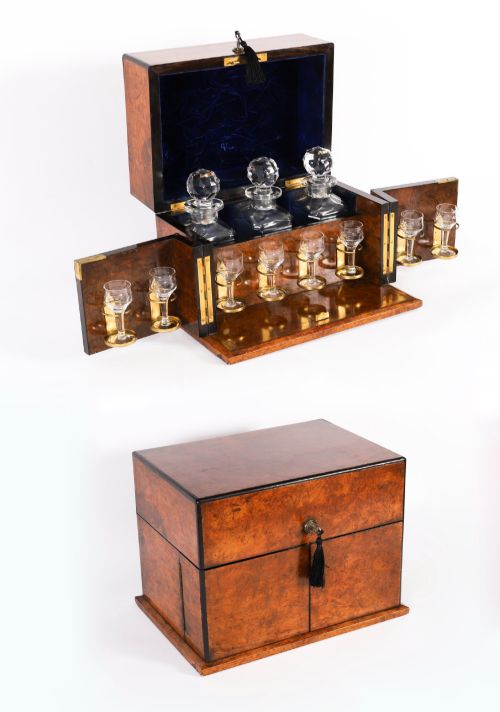
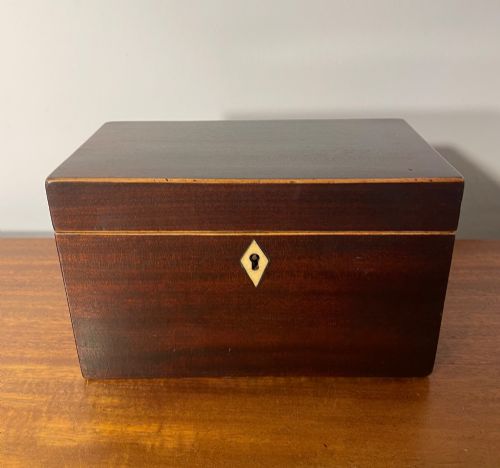
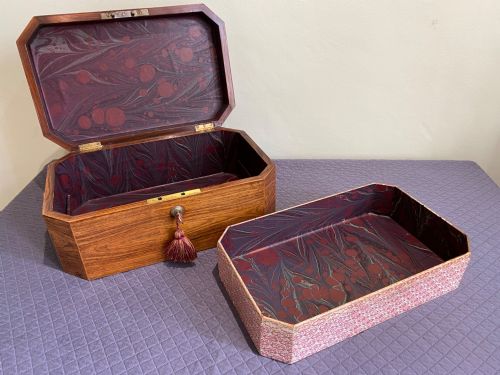
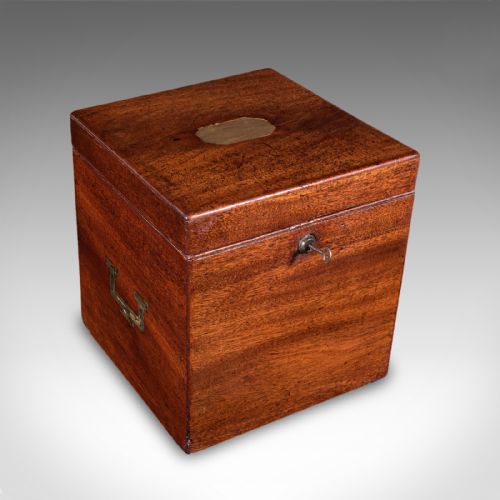
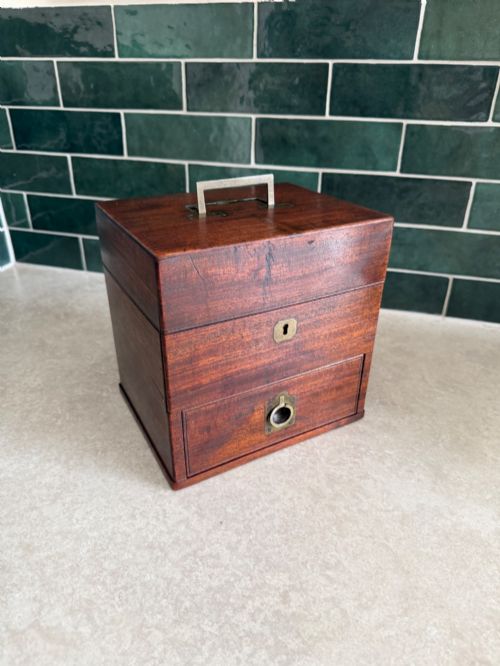
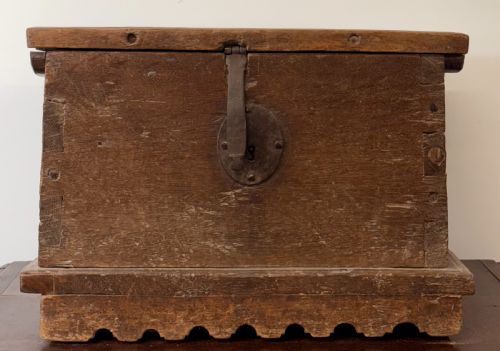
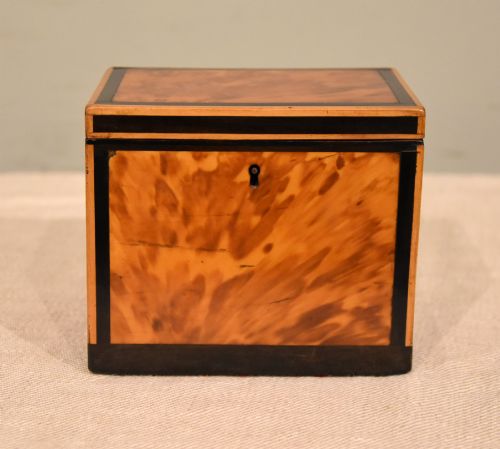
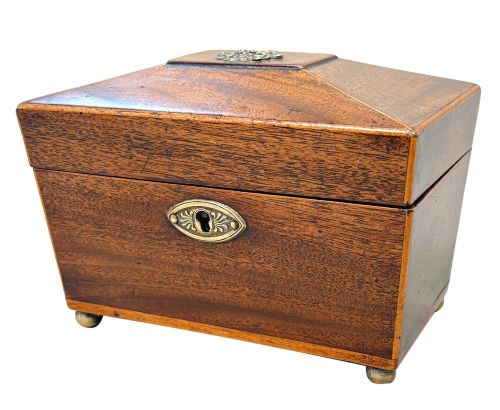
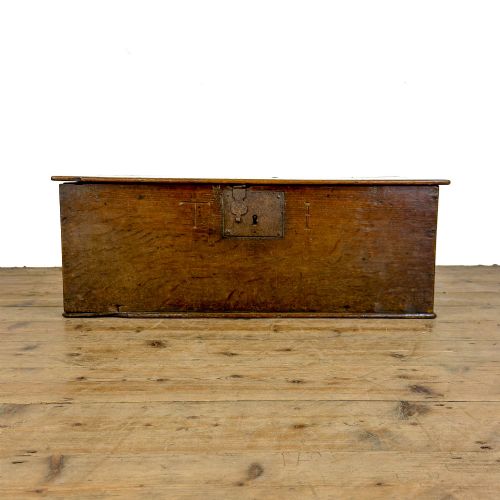
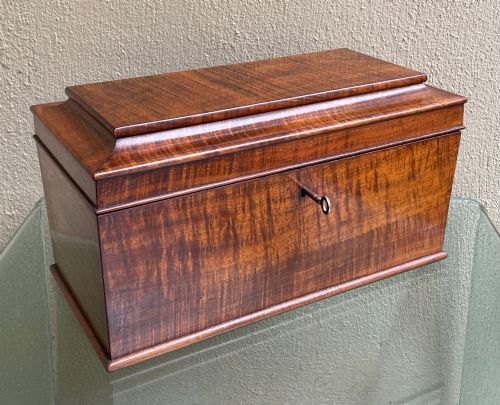
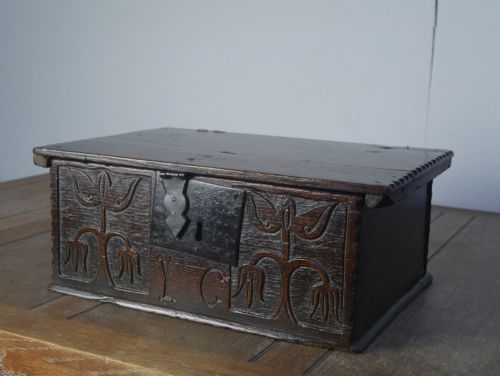
When you search for an antique wooden lock box, you encounter a wide variety of storage containers built to safeguard personal items, documents, and currency across several centuries. The selection ranges from early oak bible boxes and desk boxes to Victorian writing slopes, tea caddies, and tantalus cabinets.
Oak and mahogany dominate the earlier periods, such as the seventeenth and eighteenth centuries, while walnut and rosewood appear frequently in nineteenth-century examples. These pieces originate from British workshops as well as continental and colonial makers, reflecting distinct regional tastes in domestic security.
The most common items meeting this description on the page are tea caddies, writing slopes, and smaller coffers rendered in solid timbers. Each form reveals how households managed valuable commodities before the advent of modern banking and mass-produced storage.
The Measure of Quality
The calibre of a piece depends heavily on the integrity of its locking mechanism and whether the original key accompanies the box. Boxes retaining complex working steel locks or signed Bramah mechanisms command greater interest than those altered or fitted with modern replacements.
Timber selection and secondary wood usage also dictate standard, with figured veneers, solid oak panels, and neat dovetail joints distinguishing superior workshop output. Original brass mounts, untouched patination, and intact internal fittings further separate standard containers from exceptional survivals.
Antique Wooden Lock Box Retail Price Guide 2026
Typical asking prices for wooden lock box among the pieces listed under this phrase on Sellingantiques today, from the lower quarter to the upper quarter. They describe what is for sale here now, not the wider market.
Many writing slopes contain secret compartments that require pressing hidden spring-loaded timber catches to release the inner drawers.
The Antique Wooden Lock Box Glossary
- Tea Caddy
- A container built to store loose tea leaves, often featuring internal compartments and a secure lock to protect an expensive eighteenth-century commodity.
- Writing Slope
- A desk box with a hinged sloping lid that opens to reveal a writing surface, inkwell compartments, and hidden drawers.
- Tantalus
- A locking beverage cabinet that holds decanters visible behind a wooden and metal framework, preventing unauthorized access to the contents.
- Escutcheon
- A protective metal plate surrounding the keyhole, frequently fashioned from brass to reinforce the timber against wear from the key.
- Bramah Lock
- A high-security cylinder lock invented in the late eighteenth century, known for its intricate cylindrical key and pick-resistant design.
Antique Wooden Lock Box: Frequently Asked Questions
What did people store in these boxes?
Owners kept currency, legal documents, jewellery, tea leaves, and correspondence in these locked compartments.
Because security was a domestic concern, each box served as a portable safe for a household's most prized portable assets.
Are original keys common?
Original keys remain uncommon due to centuries of separation, though many boxes retain functional replacement keys fitted by locksmiths.
A working lock with a period-appropriate key significantly enhances the historical completeness of the piece.
How do I maintain the wood surface?
Maintain the finish by applying natural beeswax sparingly and buffing with a soft cloth to preserve the historic patination.
Avoid placing wooden boxes near direct heat sources or in fluctuating humidity to prevent timber splitting and veneer lifting.
How do I identify a seventeenth-century box?
Seventeenth-century examples typically employ solid oak with hand-split boards, simple iron hinges, and joined panel construction rather than dovetails.
Surface tool marks and rudimentary hand-forged steel locking mechanisms further point toward this early period of manufacture.