
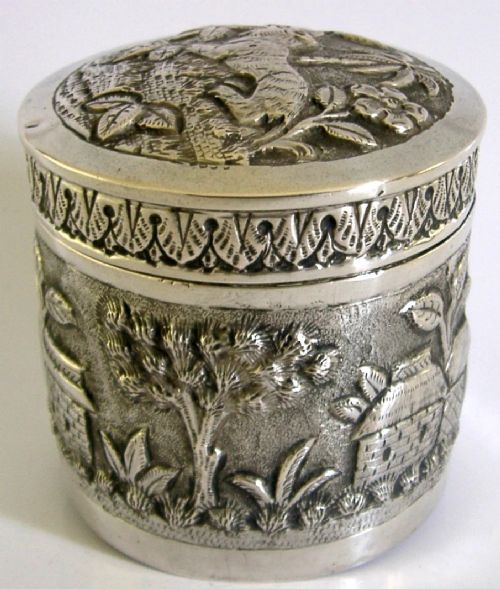


Vintage Tea Container
These vintage tea containers hold loose leaves and biscuits with period charm, offering a practical touch of tradition for everyday use.
Vintage Tea Container
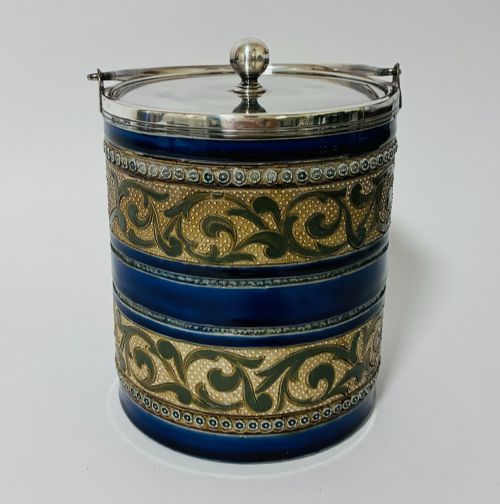
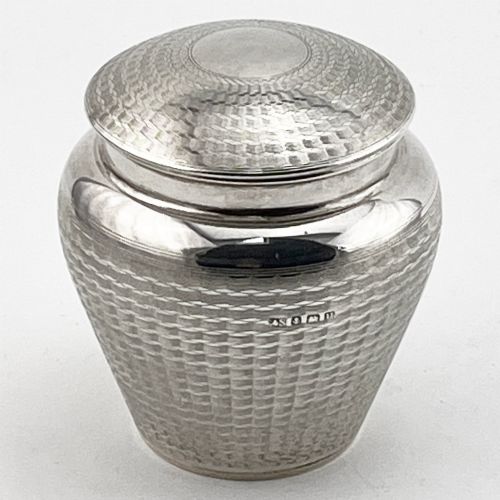
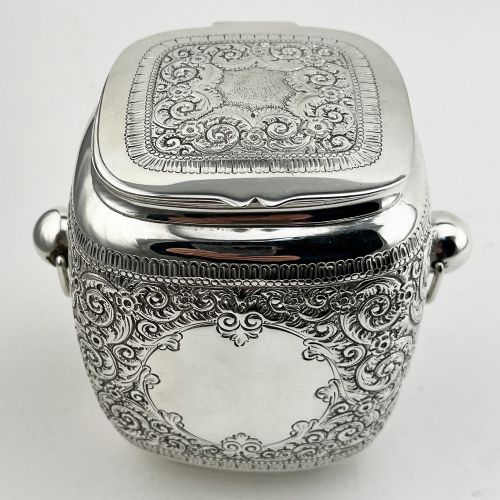
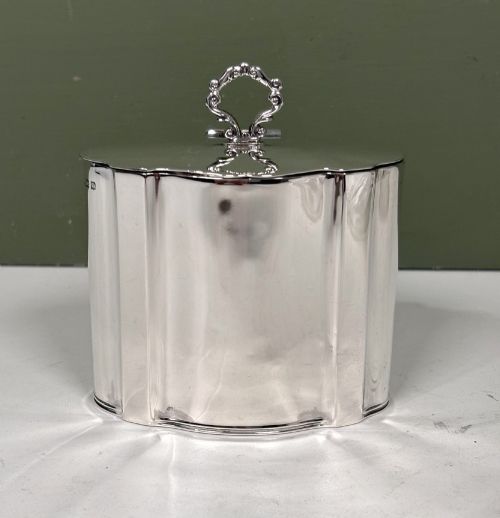
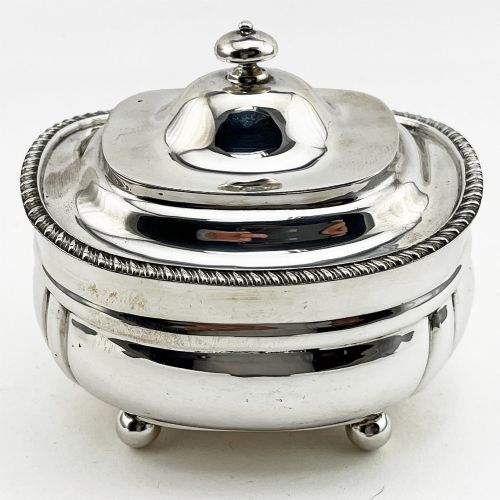
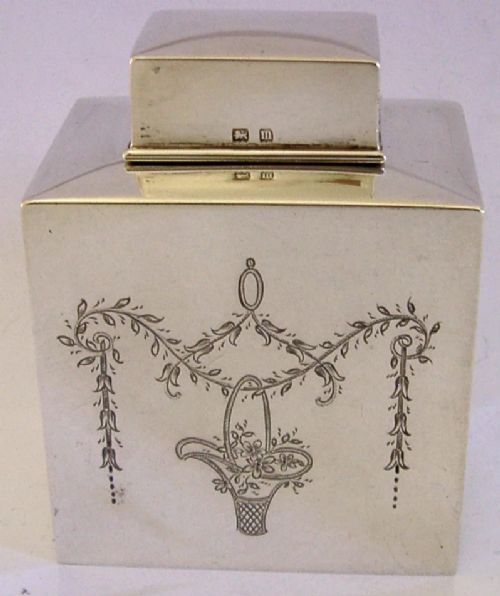
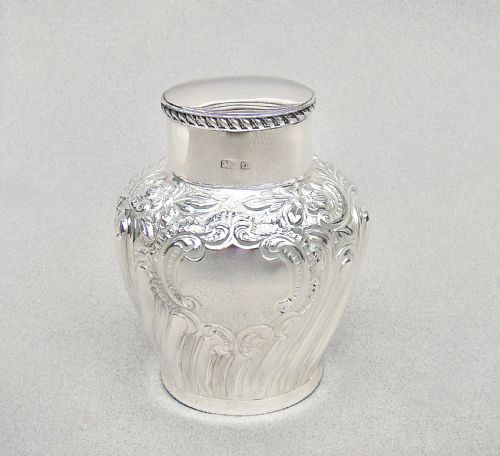
A vintage tea container serves to store leaf tea and biscuits securely while adding period character to a room. When you search for vintage tea container, you encounter forms ranging from silver tea caddies and ceramic biscuit barrels to decorative metal tins and wooden boxes.
The selections span several eras, though Edwardian and Victorian sterling silver and silver-plated examples appear most frequently. Wooden specimens in mahogany and walnut also feature, alongside novelty biscuit boxes shaped like hats or weights.
Origins stretch from English workshops to Japanese and Indian makers, reflecting diverse global manufacturing traditions. These vessels fulfilled domestic needs in formal reception rooms and kitchens alike.
How they were made
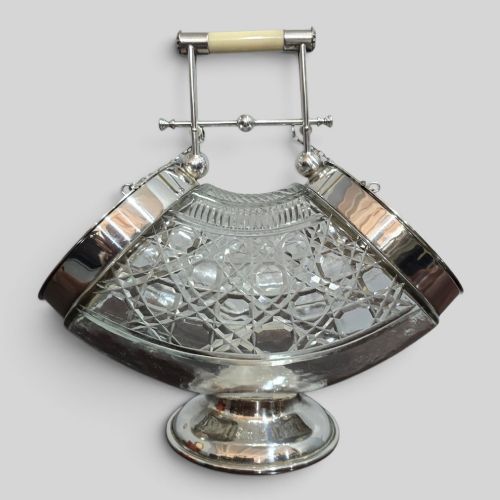
Makers utilised sterling silver and silver plate for polished metallic finishes, often combining them with cut crystal or ceramic bodies. Woodworkers shaped solid mahogany, walnut, partridge-wood, and tortoise shell into lidded caddies, sometimes incorporating locking mechanisms.
Ceramic pieces relied on earthenware and flow blue porcelain, frequently mounted with plated hardware. Brass and gilt pineapples or decorated tins show alternative metalworking and lithographic techniques applied to storage containers.
One Edwardian biscuit tin took the form of a book, letting dry treats sit quietly beside actual literature on a shelf.
What varies in quality
Quality rests upon the weight of the metal and the precision of the construction, distinguishing substantial solid silver bodies from thinner plated alternatives. Superior examples display crisp chasing, clear hallmarks, and well-fitted lids that close flush.
In wooden and ceramic variants, the integrity of the joinery and the clarity of the cut crystal or transfer printing dictate the standard. Finer specimens retain original working keys and interior foil or wooden compartments.
Martin Hall & Co·Thomas Hayes·Zimmermann·Ernest Druiff & Co·William Hutton·Tokyo Taizan
The Vintage Tea Container Glossary
- Tea Caddy
- A small box or jar designed to store loose tea leaves securely. They often featured internal lids or compartments to preserve the aroma.
- Biscuit Barrel
- A lidded container used for serving and storing biscuits on the dining table. These frequently combined ceramic bodies with silver-plated mounts.
- Sterling Silver
- An alloy containing 92.5 percent silver by mass, widely utilised by silversmiths for durable tableware. It carries official assay office hallmarks.
- Flow Blue
- A style of white pottery featuring cobalt blue designs that blurred slightly during the firing process. This technique created a soft, misty appearance on biscuit barrels.
- Tortoise Shell
- A natural material sourced from the shell of certain turtle species, polished and applied to wooden box cores. It yields a translucent, mottled amber pattern prized by collectors.
Vintage Tea Container: Frequently Asked Questions
What is a vintage tea container used for?
These vessels were originally designed to keep expensive loose tea leaves or biscuits fresh and dry in domestic settings. Today, they serve as decorative storage items or table accessories.
Their robust construction allows them to continue holding dry goods or small keepsakes in a modern home.
How do I identify a silver tea caddy?
Look for British assay office hallmarks stamped directly onto the metal surface, which indicate the town, year of production, and silver standard. Solid silver examples feel heavy and cool to the touch compared to plated items.
Silver-plated pieces may show underlying base metals where the outer layer has worn away through decades of polishing.
Are wooden caddies lined inside?
Many antique wooden tea caddies feature internal wooden lids or foil-lined compartments designed to protect the tea leaves from moisture and light. Some retain multiple sections intended for different tea varieties.
Over time, these internal elements may show signs of wear or replacement while the outer mahogany or walnut shell remains intact.
How should I clean a silver biscuit barrel?
Use a soft cloth and a gentle, non-abrasive silver polish to maintain the shine on sterling silver or plated surfaces. Avoid harsh scrubbing that can damage engraved details or thin plating.
For ceramic or glass sections, warm soapy water and a soft sponge work best without risking the metal mounts.