


Flame Mahogany Box
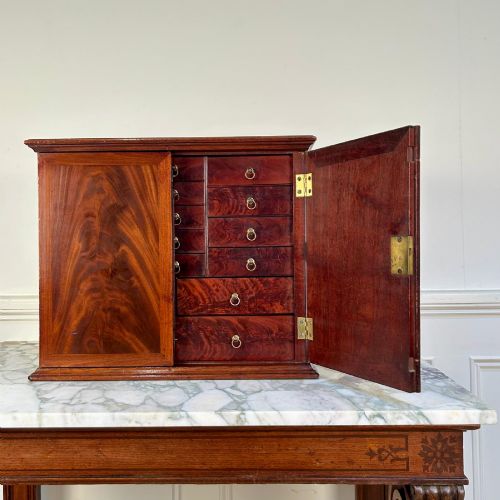
When you search for a flame mahogany box, you are looking at richly figured wooden containers shaped by Georgian and Regency cabinet-makers.

Flame Mahogany Box
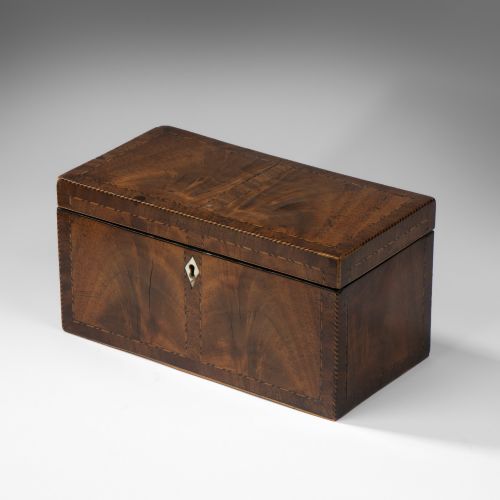
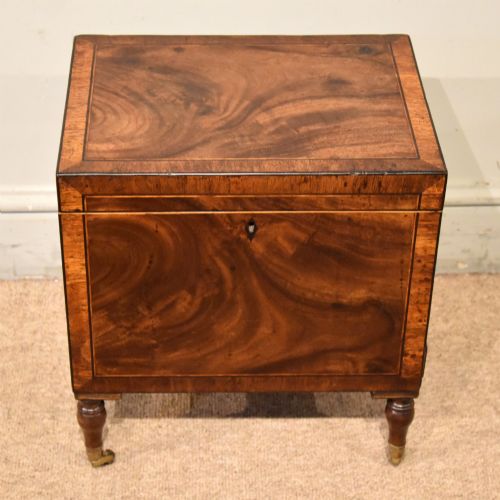
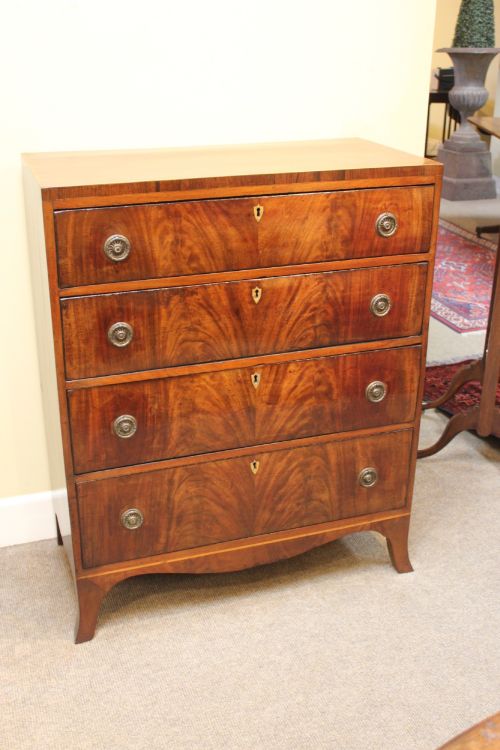
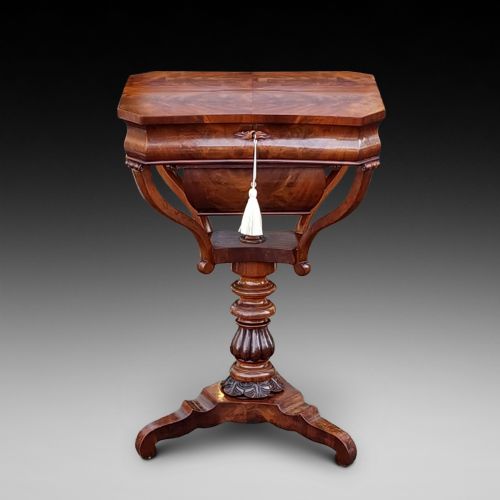
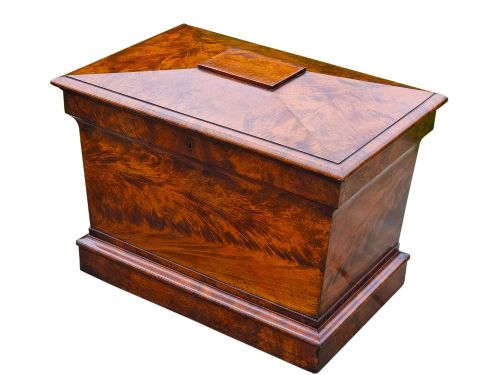
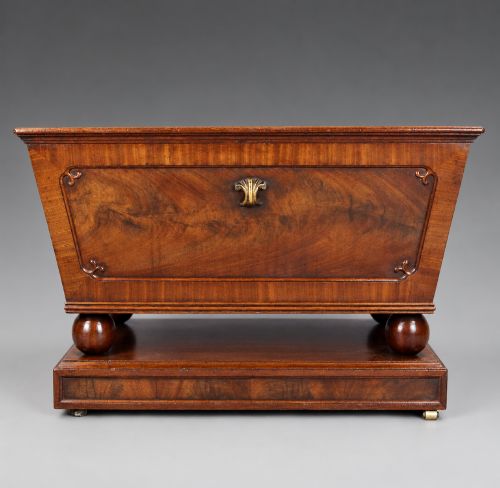
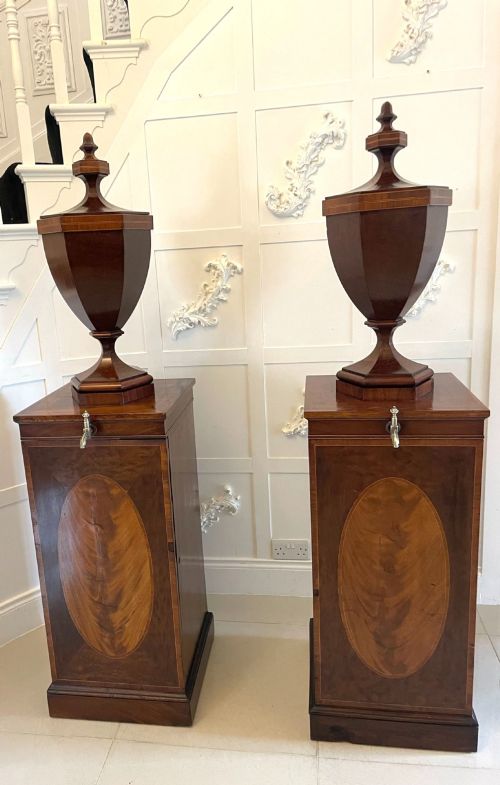
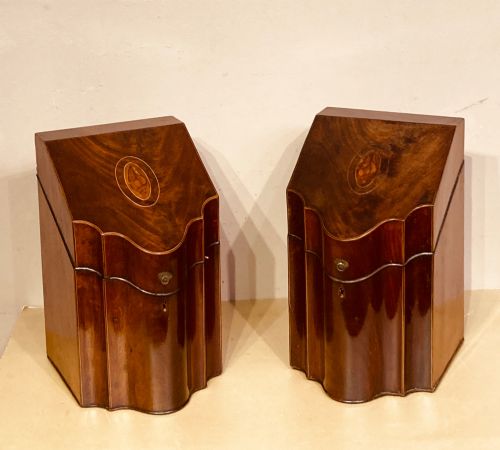
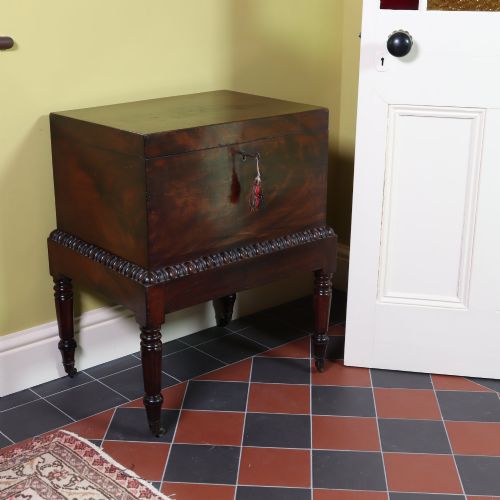
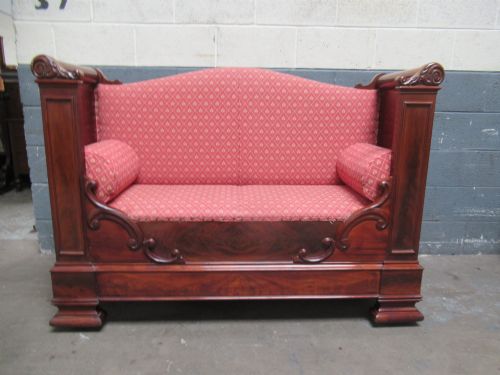
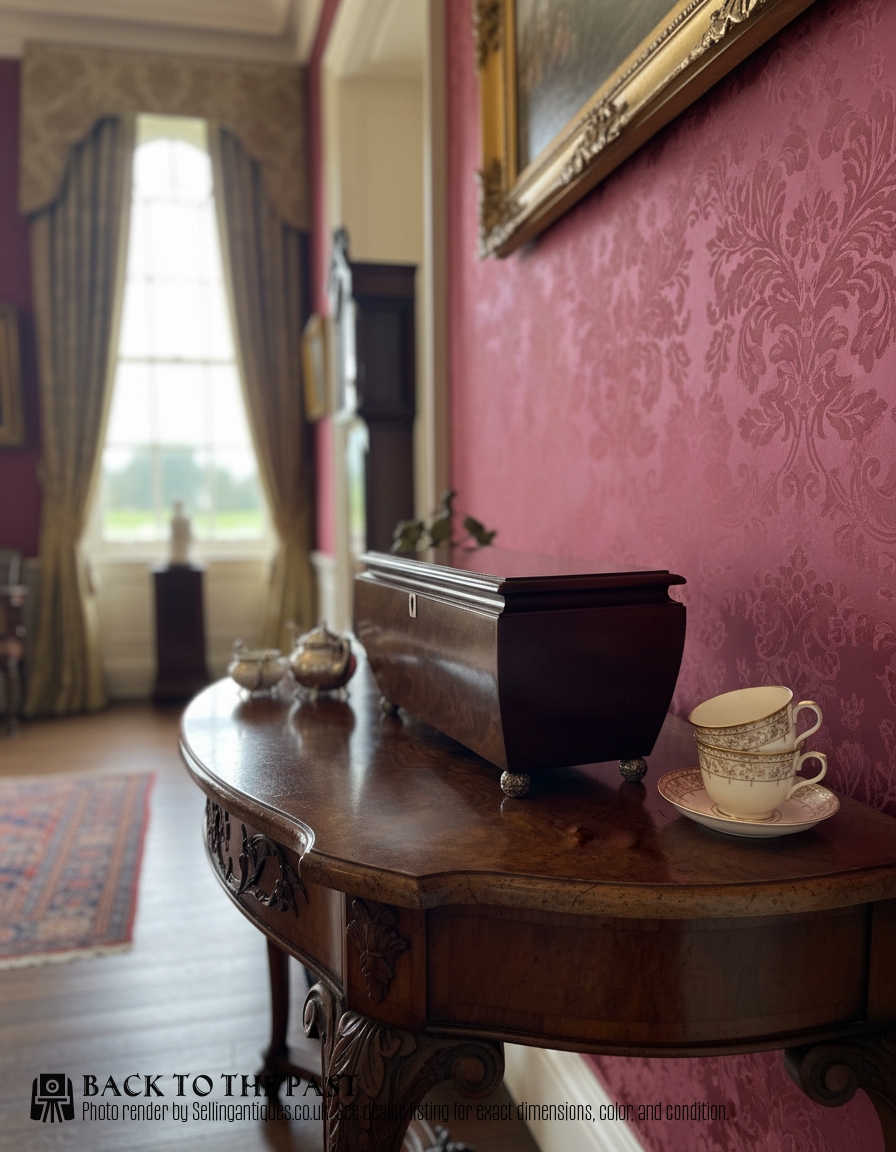
A flame mahogany box encompasses a variety of functional storage forms, including tea caddies, cellarettes, jewellery cases, knife boxes, and table caskets. These pieces date principally from the Georgian, Regency, William IV, and Victorian periods, spanning the late eighteenth through the nineteenth century.
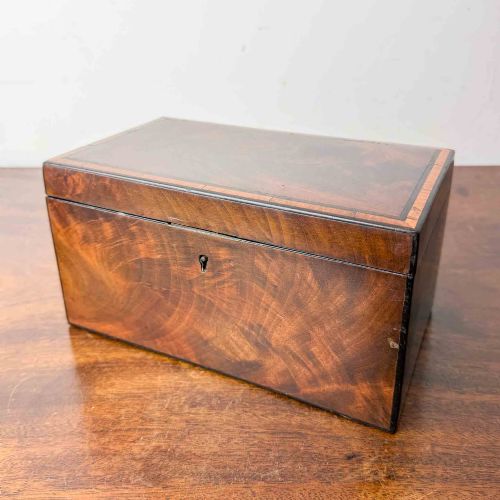
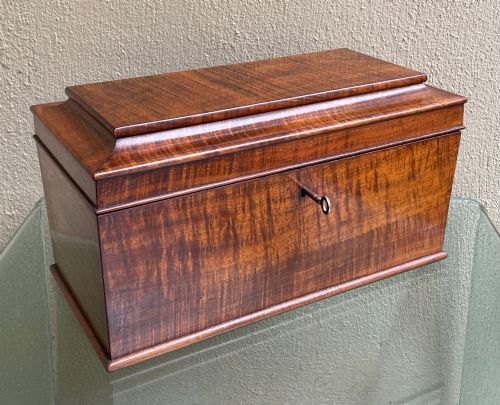
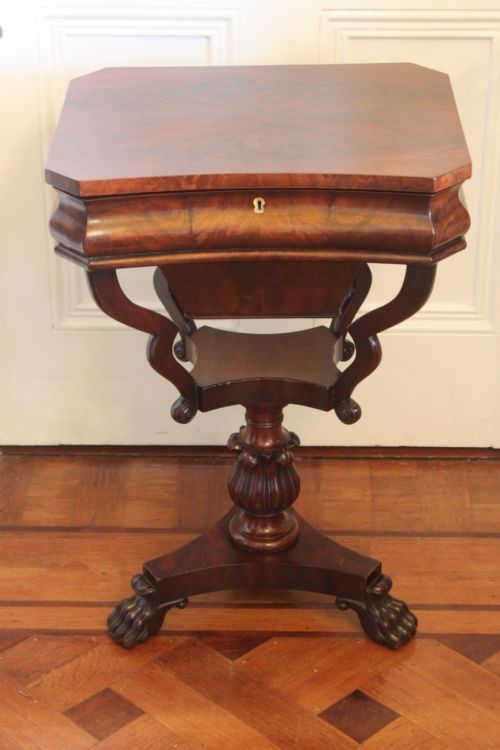
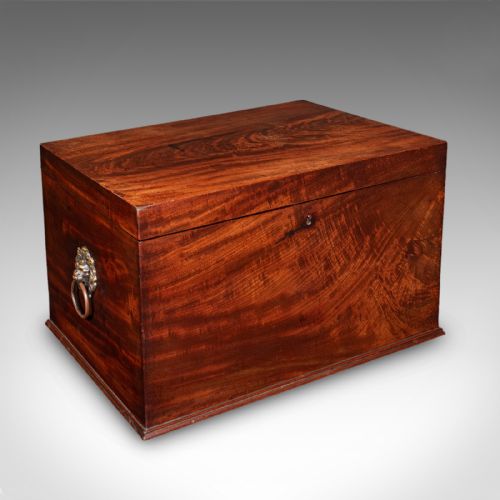
The version you are most likely to encounter on this page is the table box or tea caddy, frequently displaying the characteristic rippled grain pattern known as flame mahogany. Makers utilised this dramatic veneer on hinged lids and primary display surfaces to catch the light in domestic interiors.
How they were made
Cabinet-makers constructed these pieces using solid timbers overlaid with thin slices of flame mahogany veneer, carefully book-matched to create symmetrical patterns across the grain. Secondary woods like boxwood or satinwood provided contrasting stringing and inlay details.
Many examples incorporate cast brass carrying handles, escutcheons, and paw feet, alongside interior fittings made of glass, bone, and mirrored glass designed for specific domestic storage tasks.
Flame Mahogany Box Retail Price Guide 2026
Typical asking prices for flame mahogany box among the pieces listed under this phrase on Sellingantiques today, from the lower quarter to the upper quarter. They describe what is for sale here now, not the wider market.
Listings feature forms ranging from compact table boxes to large Regency cellarettes and sentry box wardrobes.
What varies in quality
The visual impact of the timber figure largely dictates the distinction between standard and superior pieces, with intensely rippled and symmetrical flame veneer commanding greater attention. The precision of the cross-banding and the crispness of any inlaid boxwood or ebony stringing further separate workshop output.
Interior completeness also influences overall standard, as pieces retaining original mixing bowls, canisters, or velvet-lined partitions demonstrate higher integrity than those with altered or missing internal fittings.
Gillingtons·Gillows
The Flame Mahogany Box Glossary
- Flame mahogany
- A veneer cut from the branch junction or fork of the mahogany tree, producing a distinctive flame-like or rippled pattern. This timber was highly prized for decorative furniture fronts and box lids.
- Cellarette
- A large freestanding or floor-standing box used for storing bottles of wine and spirits, often featuring lead lining or internal dividers. Many Regency examples take a sarcophagus shape supported on paw feet.
- Tea caddy
- A small lidded container designed to hold loose tea leaves, frequently divided into compartments with a central glass mixing bowl. These were securely locked to protect expensive imported tea.
- Cross-banding
- A decorative border technique where narrow strips of veneer are laid perpendicular to the grain of the main surface. This frames the primary flame mahogany panel with a contrasting linear border.
Flame Mahogany Box: Frequently Asked Questions
What was a flame mahogany box used for?
These boxes served secure domestic storage functions for valuable commodities such as tea, spices, cutlery, and personal jewellery. Their handsome exteriors meant they sat openly on side tables and sideboards in principal rooms.
Larger variants like cellarettes and decanter boxes remained in dining spaces to hold wine bottles and glassware near the table. Smaller table boxes accommodated writing materials, sewing threads, or candles.
How do I date a flame mahogany box?
Stylistic cues such as brass paw feet, sarcophagus proportions, and heavy ring handles typically point towards the Regency period around eighteen twenty. Earlier George III and Georgian pieces often feature simpler rectangular forms with delicate stringing and bracket feet.
Victorian iterations tend to introduce heavier mouldings, differing interior arrangements, and alternative locking mechanisms. Examining the secondary woods inside the box also helps confirm the period of manufacture.
Are interior fittings usually original?
Many surviving tea caddies and work boxes retain portions of their original fitted interiors, including removable canisters, velvet linings, and glass mixing bowls. Replacement components are common due to the fragile nature of internal glass and silk.
Original compartments and partitions display matching timber veneers and consistent wear patterns appropriate to the age of the exterior. Inspecting the glue blocks and joints inside reveals whether the fittings have been altered over time.
How do I care for flame mahogany?
Keep these boxes away from direct sunlight and rapid temperature fluctuations to prevent the thin mahogany veneer from lifting or splitting. Gentle dusting with a dry cloth maintains the polished surface without damaging the historic finish.
Occasional application of appropriate wax polish nourishes the timber and preserves the depth of the flame figure. Avoid placing damp items or wet glassware directly onto the polished wooden lids.