

Antique Cutlery Box
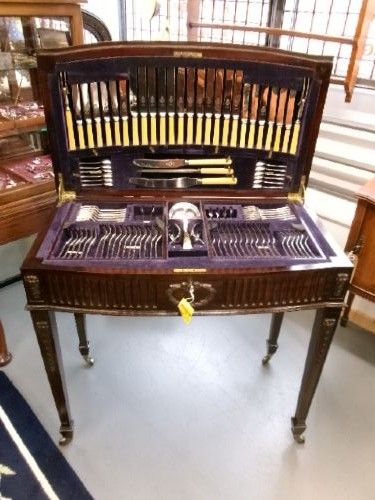
An antique cutlery box organises silver and steel in polished mahogany, walnut and pine.
Antique Cutlery Box
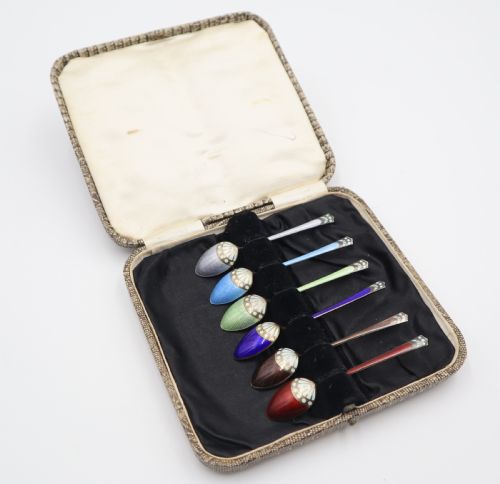
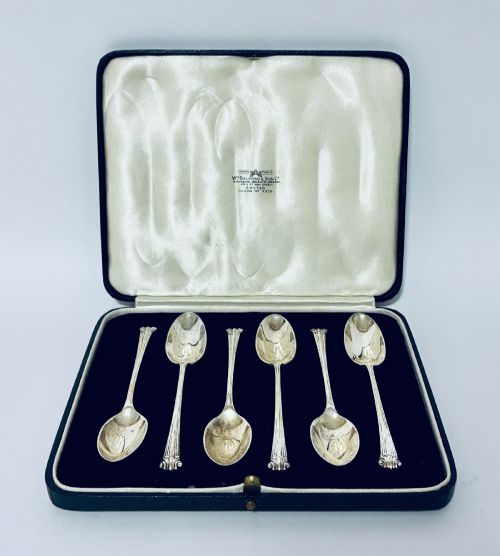
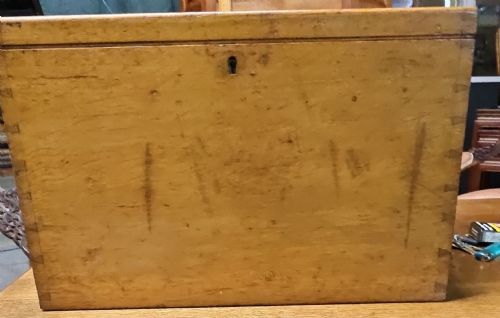
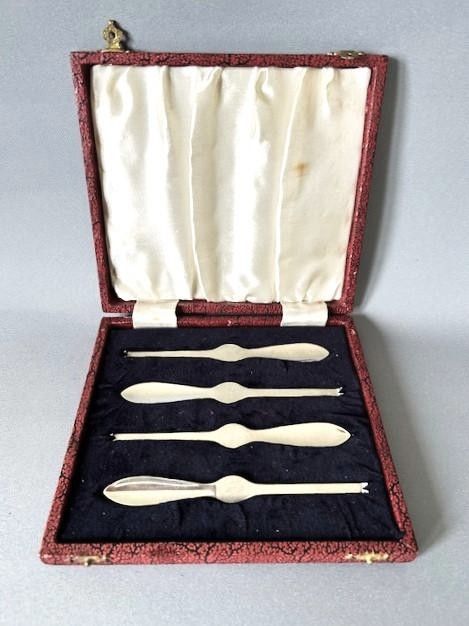
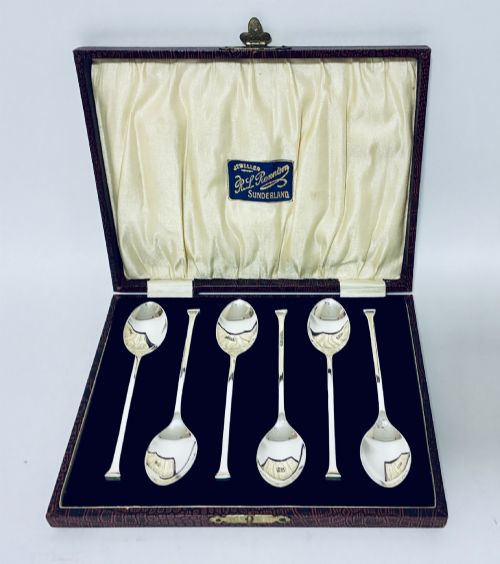
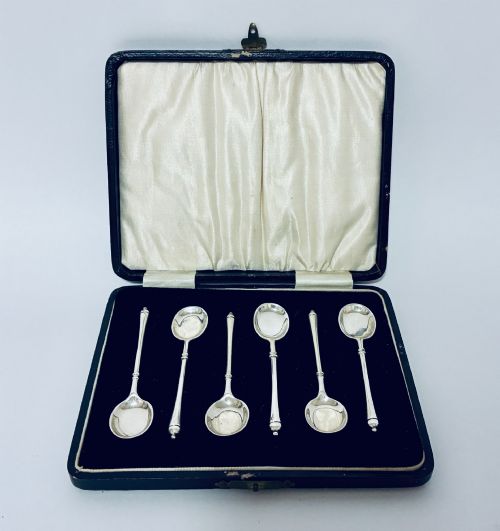
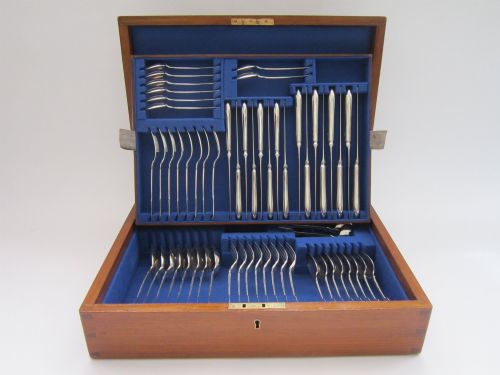
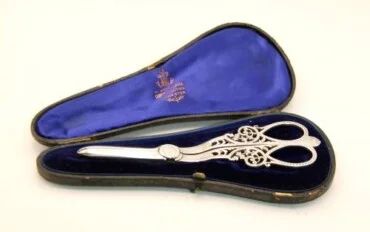
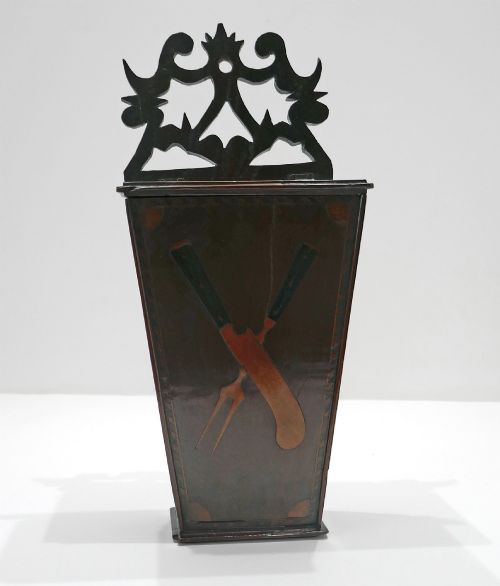
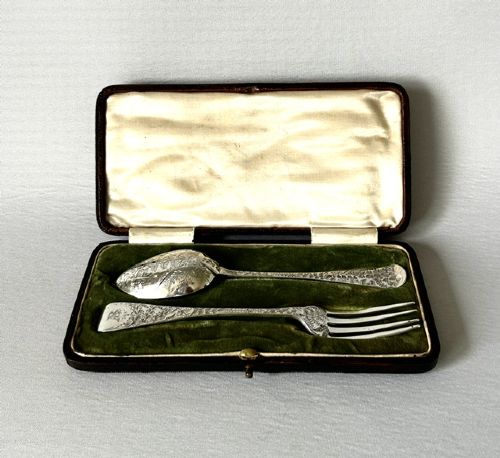
When you search for an antique cutlery box, you encounter timber canteens, knife boxes and trays designed to protect domestic silver and steel. The evidence shows forms ranging from eighteenth-century mahogany knife boxes to Victorian oak canteens and Edwardian lap trays.
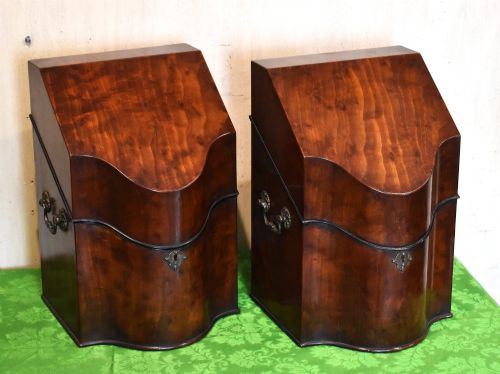
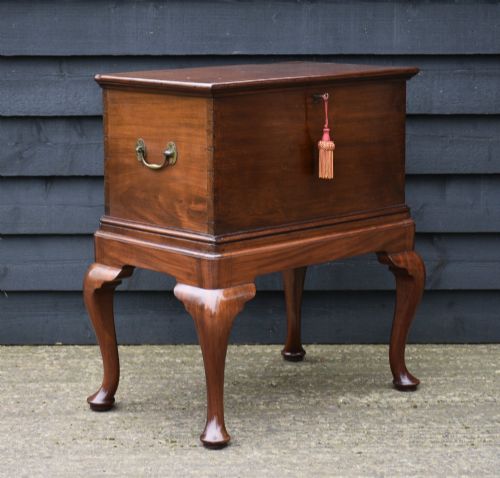
Georgian examples often display serpentine or bow fronts with brass fittings, while later iterations include fitted canteens and mahogany boxes on stands. These pieces served dining rooms and country house kitchens, storing everything from fruit knives to full dinner services.
How they were made
Cabinetmakers constructed these pieces primarily from dense timbers such as mahogany, walnut, fruitwood and oak, often incorporating brass handles, escutcheons and hinges. Interiors were typically lined with velvet, silk or leatherette to cushion silver and steel implements against wear.
Exterior surfaces relied on careful polishing to bring out the grain of the wood, sometimes enhanced with satinwood stringing or solid silver mounts. Joinery included dovetailed corners and fitted internal dividers tailored to specific flatware patterns.
Antique Cutlery Box Retail Price Guide 2026
Typical asking prices for cutlery box among the pieces listed under this phrase on Sellingantiques today, from the lower quarter to the upper quarter. They describe what is for sale here now, not the wider market.
Housemaids utilised sturdy Toleware kitchen buckets for daily tasks.
What varies in quality
The standard of a piece depends on the choice of timber and the precision of the cabinetwork. Fine examples exhibit carefully figured mahogany or walnut veneers, harmonious proportions and original brass hardware.
Internal arrangements also distinguish finer pieces, particularly those retaining fitted baize or velvet linings and original locks. The presence of shaped compartments and solid silver mounts elevates the construction above standard utility boxes.
Christofle·Jules Albrecht Geneve·Asprey & Co.
The Antique Cutlery Box Glossary
- Canteen
- A fitted box or cabinet designed to hold a complete set of cutlery. These interiors feature slotted trays and compartments to separate individual forks, spoons and knives.
- Knife box
- A sloped wooden container historically placed on sideboards to store dining knives upright. Eighteenth-century versions often feature serpentine or bow fronts with brass mounts.
- Escutcheon
- A protective metal plate surrounding a keyhole. On these boxes, they are typically cast in brass and positioned on the front lid.
- Fiddle Pattern
- A nineteenth-century flatware design characterised by a stem that widens gradually towards a notched terminal resembling a fiddle. This pattern appears frequently in Victorian canteens.
- Butler's Carry
- A portable wooden tray or small box with a central upright handle used for moving flatware between rooms. They are constructed in woods like mahogany and walnut.
Antique Cutlery Box: Frequently Asked Questions
What is an antique cutlery box?
An antique cutlery box is a wooden container built to store, protect and transport dining implements like knives, forks and spoons. The evidence shows forms ranging from eighteenth-century mahogany knife boxes to Victorian canteens and Edwardian trays.
These containers were kept in dining rooms or country house kitchens to maintain the condition of silver and steel flatware. Their interiors often feature bespoke compartments lined with velvet, silk or leatherette.
How were knife boxes used?
Knife boxes stood on sideboards in dining rooms during the Georgian and Victorian periods to keep blades clean and accessible for meals. Servants brought them out when setting the table for dinner.
Later canteens and trays served a similar purpose, organising larger services of flatware within domestic households. Their fitted interiors kept individual spoons and forks from scratching against one another.
What woods were used?
Makers relied on dense hardwoods such as mahogany, walnut, oak and fruitwood to build sturdy storage containers. These timbers provided durability and took a high polish for display in formal rooms.
Some pieces also incorporated satinwood inlay or brass mounts to enhance their appearance. Interiors used softer linings like velvet and silk to protect the metalware.
How do I date a box?
Dating relies on timber choice, construction techniques, hardware style and overall form. Eighteenth-century pieces often feature serpentine mahogany shapes, while Victorian examples lean towards fitted oak canteens.
Original brass fittings, locks and internal fabric linings also offer clues to the period of manufacture. Surviving maker marks or stamps can provide more precise attribution.