





Brown Wooden Cutlery Box
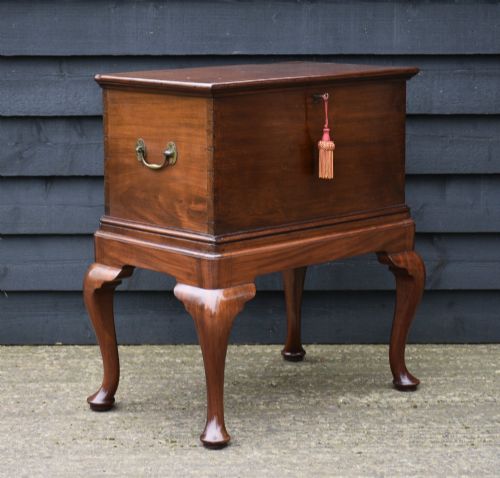
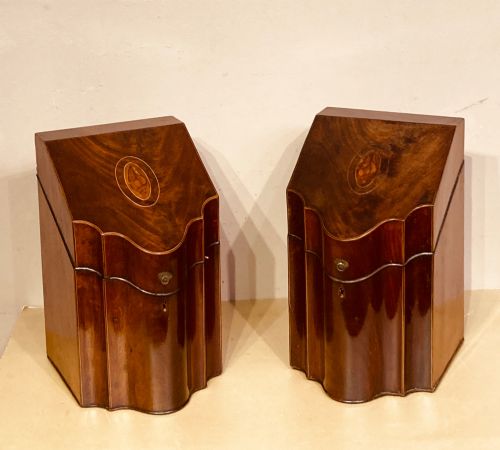
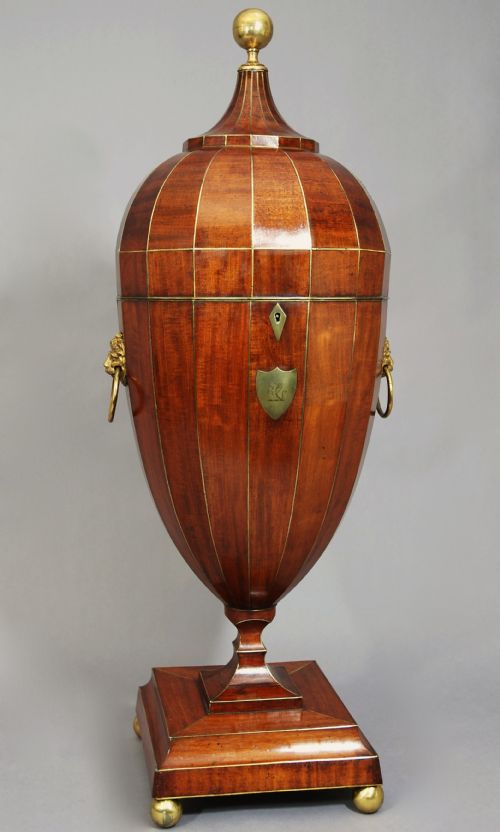
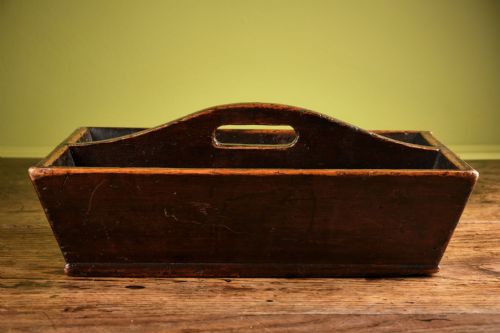
A brown wooden cutlery box brings period order to the dining table, taking the form of serpentine knife boxes, lidded urns and open oak trays.
Brown Wooden Cutlery Box
A brown wooden cutlery box encompasses forms designed to house flatware and knives, spanning knife boxes, cutlery urns, trays and caddies. These pieces emerge from Georgian, Victorian and Edwardian periods, including rustic country variations.
The George III period contributes significant serpentine mahogany knife boxes, often featuring brass fittings and intricate inlay. Meanwhile, simpler country iterations utilise oak, pine and fruitwood for daily kitchen and butler tasks.
Materials and construction
Mahogany dominates the finer formal items, frequently paired with contrasting boxwood inlay and bright brass hardware such as escutcheons and carrying handles. Oak and fruitwood serve the sturdier country trays and housekeeper carries.
Carpenters shaped these containers through precise joinery, fashioning serpentine curves on specialised knife boxes or hollowing out solid timber for open trays and troughs.
Brown Wooden Cutlery Box Retail Price Guide 2026
Typical asking prices for brown wooden cutlery box among the pieces listed under this phrase on Sellingantiques today, from the lower quarter to the upper quarter. They describe what is for sale here now, not the wider market.
Objects span formal serpentine knife boxes, lidded cutlery urns, and rustic country work trays.
Assessing the range
Quality rests in timber selection, evident in figured mahogany grains and careful alignment of inlaid stringing. Bold shaping and balanced serpentine proportions distinguish the work of skilled cabinet makers from simpler utilitarian pieces.
Original hardware, including brass hinges and lock plates, alters the integrity of an antique box. Retaining fitted interiors or original stands elevates certain examples above standard portable storage.
The Brown Wooden Cutlery Box Glossary
- Serpentine front
- A furniture front characterised by a convex central section flanked by two concave curves. This contour appears frequently on formal 18th century knife boxes.
- Knife box
- A specialised slant-lid container designed to store dining knives upright or in internal slots. These boxes often feature sloping lids and shaped vertical backs.
- Cutlery urn
- A decorative, vase-shaped wooden vessel utilised for holding cutlery on sideboards during formal meals. They became popular in the Georgian era.
- Escutcheon
- A flat plate of brass surrounding a keyhole to protect the surrounding wood. They serve both a functional and decorative purpose on period boxes.
- Trug
- A shallow wooden basket or tray traditionally employed for gathering garden produce or carrying household items. In this context, they function as open cutlery carriers.
Brown Wooden Cutlery Box: Frequently Asked Questions
How were cutlery urns used?
Cutlery urns stood upon sideboards in wealthy dining rooms during the Georgian period. Servants kept dining knives and forks inside them until the meal commenced.
They added symmetry and architectural elegance to the dining space while keeping the metal tableware organised and secure.
How do I date a wooden knife box?
Dating relies on timber choice, construction methods, and prevailing architectural styles. Georgian examples often display figured mahogany with boxwood inlay and serpentine fronts.
Later Victorian and Edwardian pieces shift toward oak canteens and simpler country trays, reflecting changing domestic habits and dining rituals.
Where should I place a cutlery box at home?
These boxes suit placement on sideboards, console tables, or desks where their timber grains and brass fittings remain visible. Lidded knife boxes and urns work well closed or half-open.
Open trays function effectively for displaying collections of vintage flatware or serving as tidy storage in a study or kitchen.