
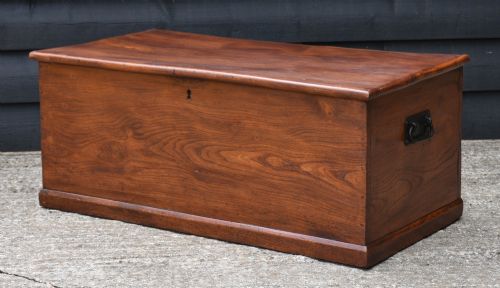
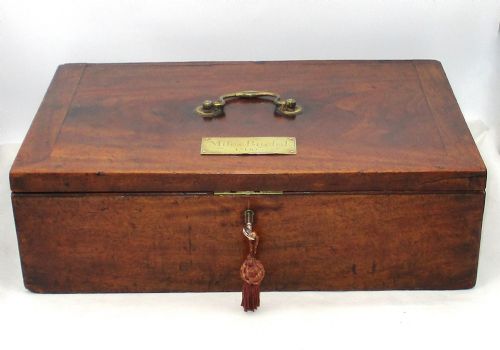
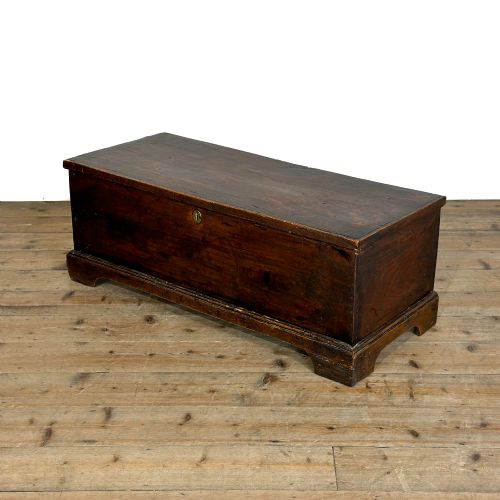
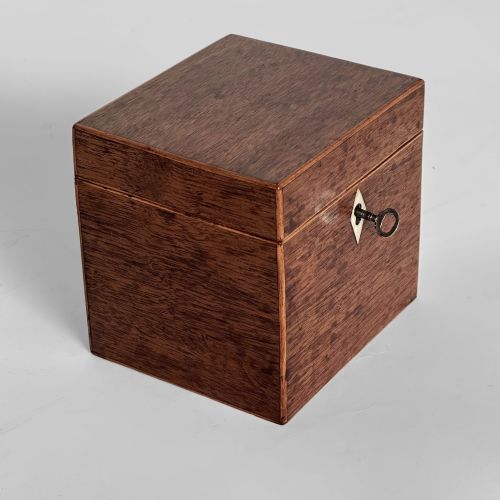


Georgian Wooden Storage Box
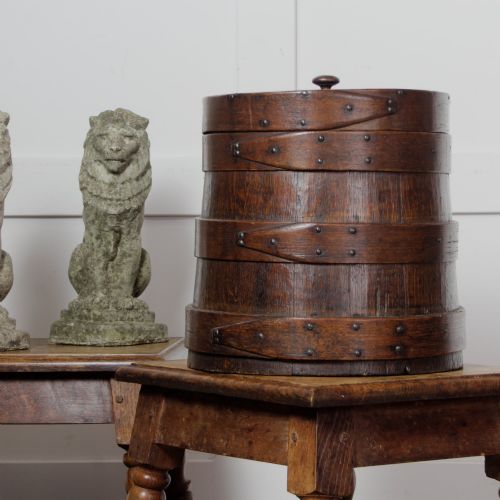
A georgian wooden storage box is a sturdy domestic container built to hold tea, linen, documents or wine.
Georgian Wooden Storage Box
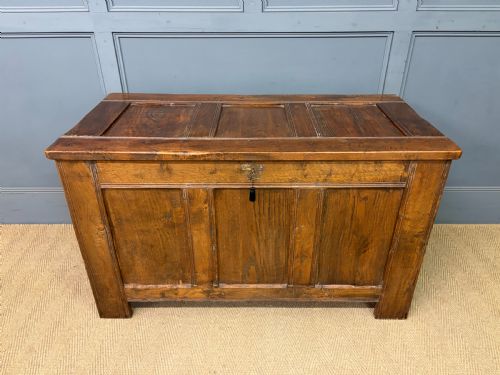
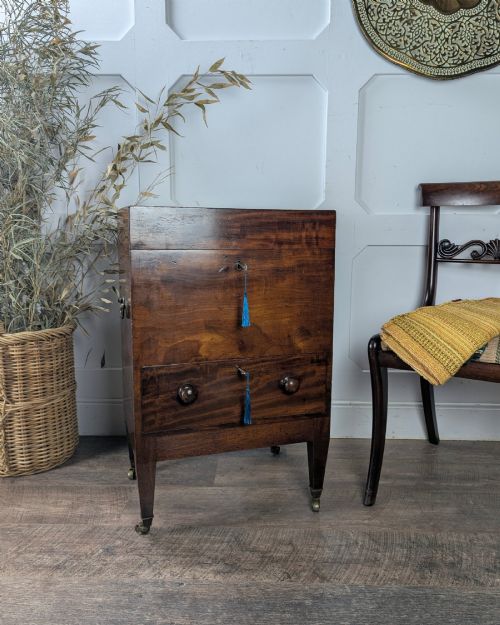
When you search for a georgian wooden storage box, you encounter a wide array of domestic vessels designed for safekeeping and organisation. The selections span from the seventeenth century through the Victorian era, with a strong representation of eighteenth-century and Georgian pieces.
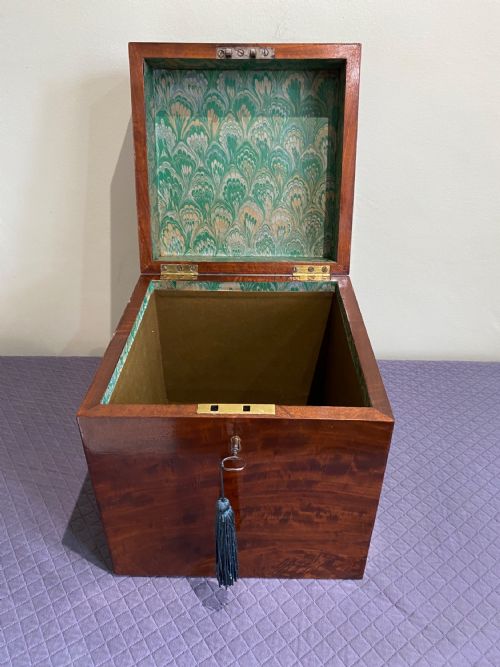
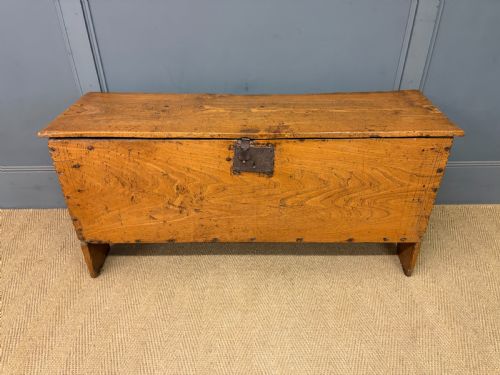
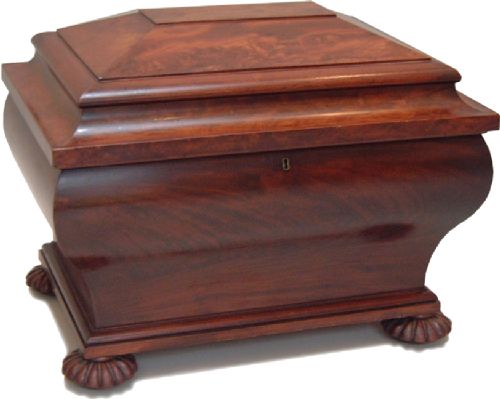
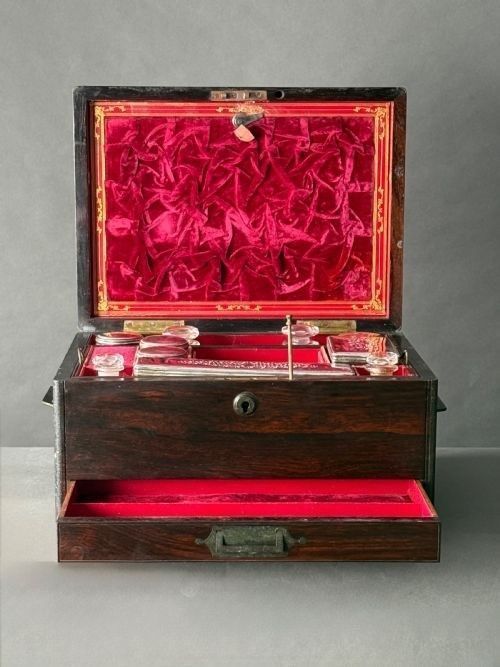
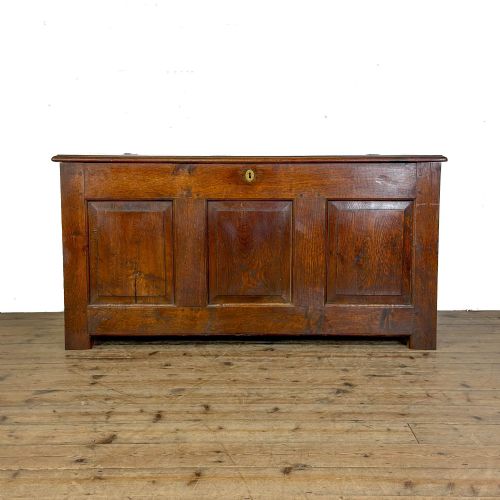
The objects take many forms, including oak coffers, mahogany tea caddies, elm blanket chests, cellarettes and walnut trunks. Vernacular items from Wales and country houses sit alongside refined satinwood and rosewood examples.
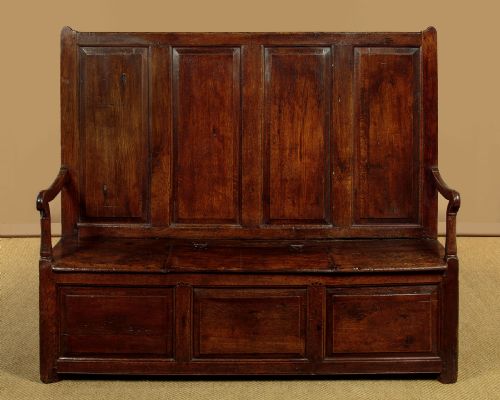
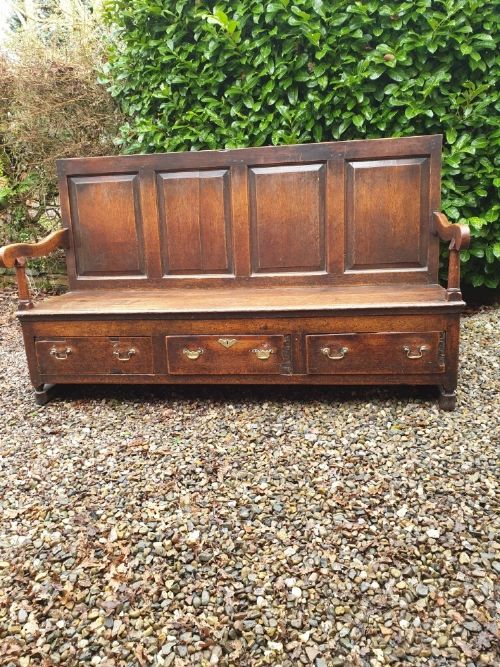
Smaller tabletop boxes such as apothecary chests and document cases appear alongside large mule chests and box settles. This variety reflects the diverse storage needs of past households, from valuables and tea to blankets and grain.
Materials and construction
Carpenters and cabinetmakers relied primarily on native timbers such as oak, elm, mahogany and walnut, occasionally incorporating exotic woods like rosewood, teak and satinwood. Solid construction methods utilised dovetail joints, pegged framing and sturdy panel-and-frame assembly to endure heavy daily use.
Metal fittings in brass and iron provided structural reinforcement and security through strap hinges, carrying handles, bracket feet and functional locks. Decorative touches included crossbanding in mahogany, mother-of-pearl inlays and carved details on regional Welsh and English surfaces.
Georgian Wooden Storage Box Retail Price Guide 2026
Typical asking prices for georgian wooden storage box among the pieces listed under this phrase on Sellingantiques today, from the lower quarter to the upper quarter. They describe what is for sale here now, not the wider market.
The inventory relies on oak, mahogany, elm and walnut, spanning from the seventeenth-century vernacular pieces to refined Regency and Victorian boxes.
Factors that separate fine pieces
Quality rests heavily on the selection of timber and the crispness of the joinery. Fine examples display carefully matched grain patterns, precise dovetailing and well-preserved original hardware rather than clumsy replacements.
Surface finish and patina dictate the visual success of a piece. Boxes that retain their original polished surfaces or deep, rich wax finishes show significantly more character than those stripped and harshly refinished.
The Georgian Wooden Storage Box Glossary
- Coffer
- A heavy wooden chest traditionally used for storing valuables, linen or dry goods. These sturdy pieces often feature panelled construction and flat lids.
- Cellarette
- A lockable container designed to hold bottles of wine or spirits securely. They frequently take sarcophagus or tapered bucket shapes, sometimes standing on legs.
- Mule chest
- A storage chest that incorporates one or more drawers beneath the main compartment. They bridge the gap between simple blanket boxes and full chests of drawers.
- Teapoy
- A small decorative box or table designed specifically to hold quantities of precious tea leaves. Inside, they often contain lidded canisters and a mixing bowl.
- Box settle
- A high-backed wooden bench featuring a storage compartment concealed beneath the seat. These practical items kept draughts at bay while providing bulk storage.
Georgian Wooden Storage Box: Frequently Asked Questions
What were tea caddies used for?
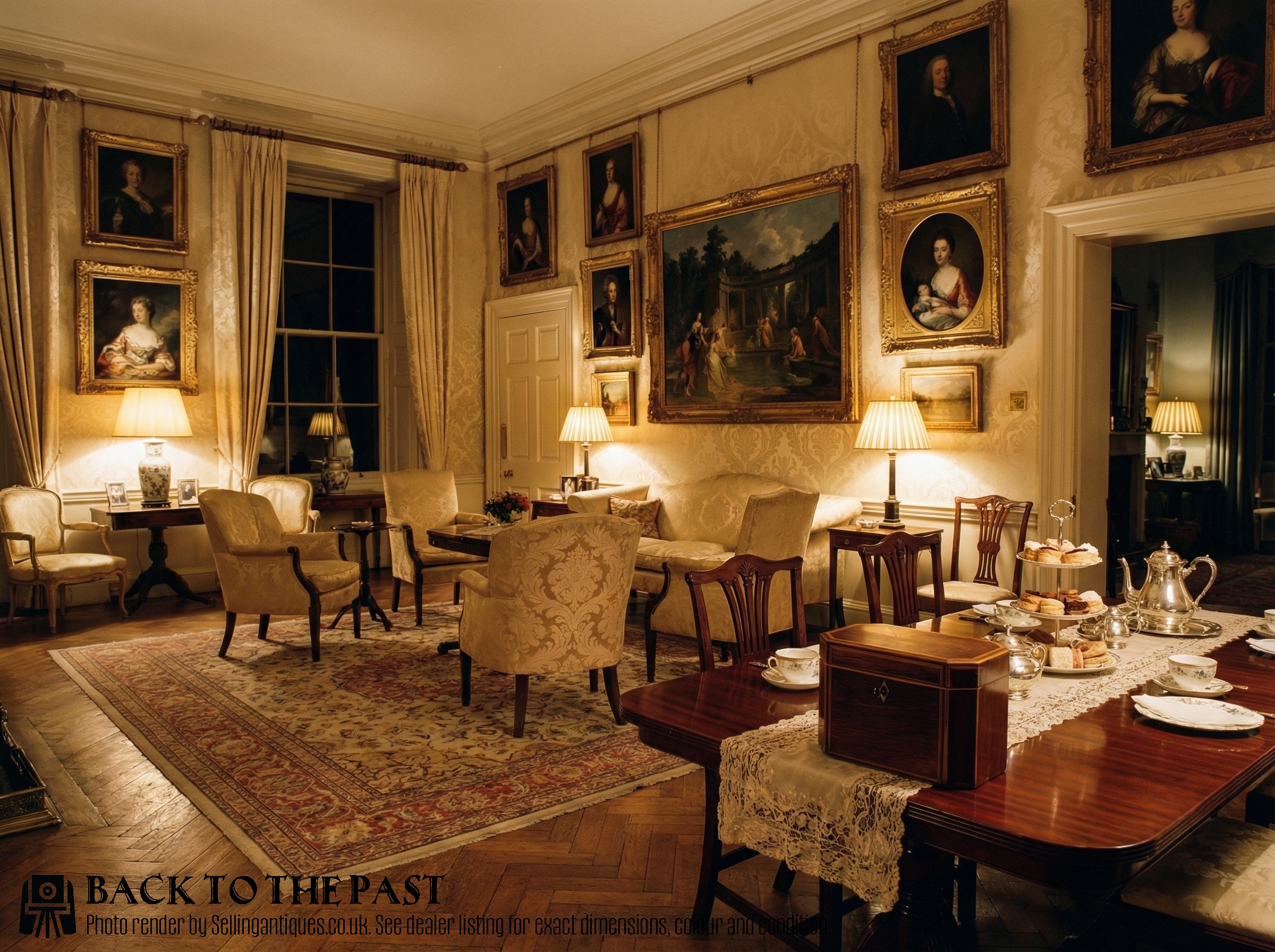
Tea caddies served as secure containers for expensive tea leaves when the beverage was a costly commodity. They often featured internal lidded compartments to keep different varieties separated and dry.
Wealthy households kept these boxes locked in the parlour or drawing room, with the mistress of the house holding the key to control distribution.
How do I use a blanket chest today?
Blanket chests offer deep, concealed storage that functions well at the foot of a bed or inside a living room. They hold spare bedding, winter throws, cushions or board games out of sight.
The flat tops also allow these chests to serve as window seats, low coffee tables or hallway benches when topped with a textile pad.
What is the difference between a coffer and a chest?
A coffer generally implies a more robust, securely built trunk used for safeguarding valuables and important documents. They often feature heavier framing and robust iron locking mechanisms.
Chests frequently served broader domestic purposes, such as holding textiles, clothing or household provisions, with simpler board or panel construction.
How can I date an old wooden box?
Dating relies on examining the timber species, construction methods, tool marks and hardware styles. Hand-cut dovetails, forged iron hinges and native woods like oak point towards earlier periods.
Later pieces from the nineteenth century often introduce machine-sawn elements, rosewood veneers, brass stringing and interior linings associated with changing Victorian tastes.