
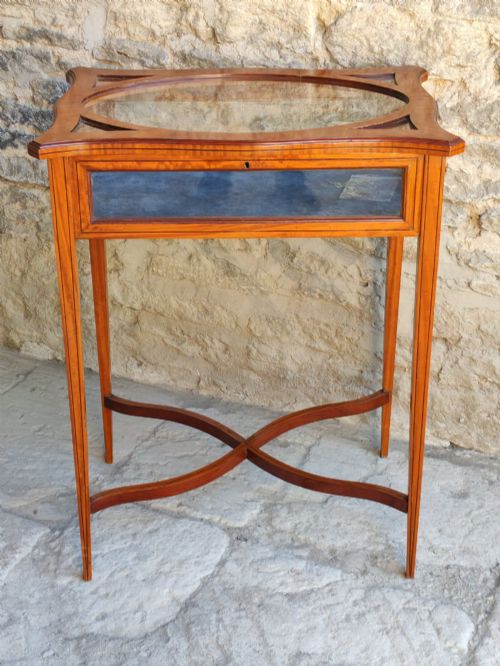
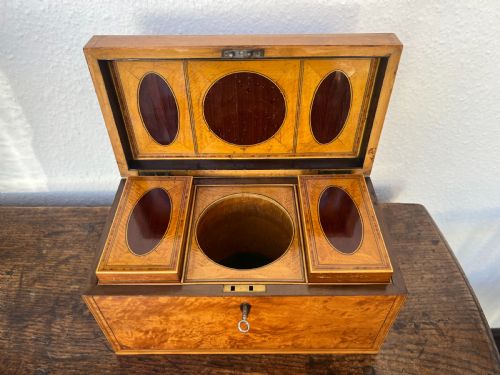
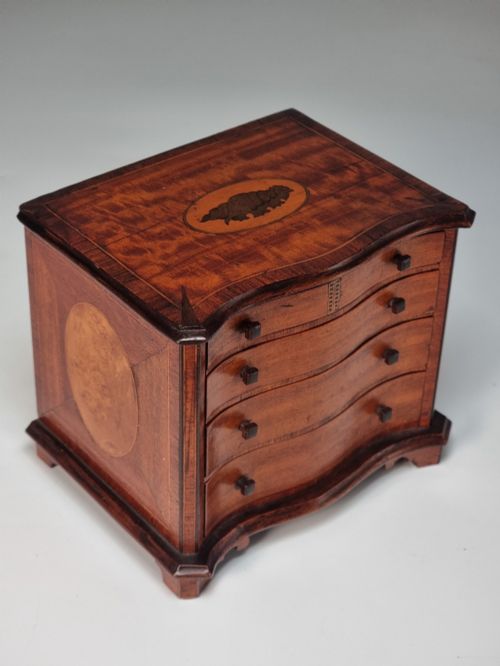

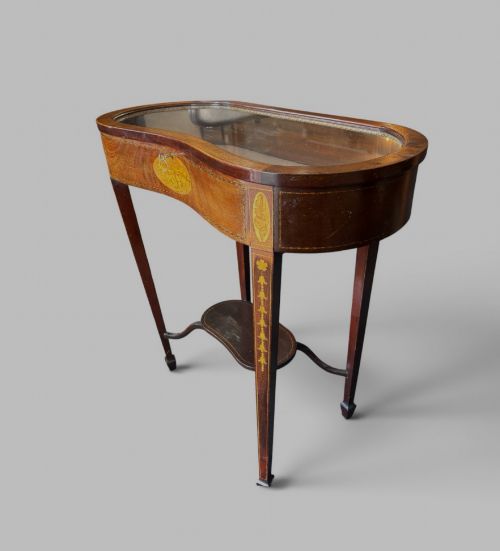



Antique Satinwood Box
An antique satinwood box brings shimmering timber and delicate marquetry into a room, offering both practical storage and Georgian elegance.
What these pieces are
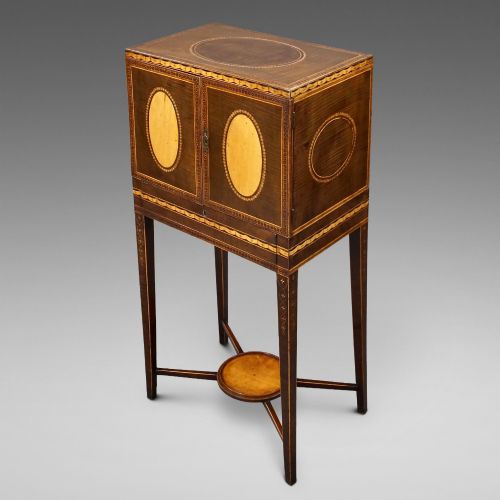
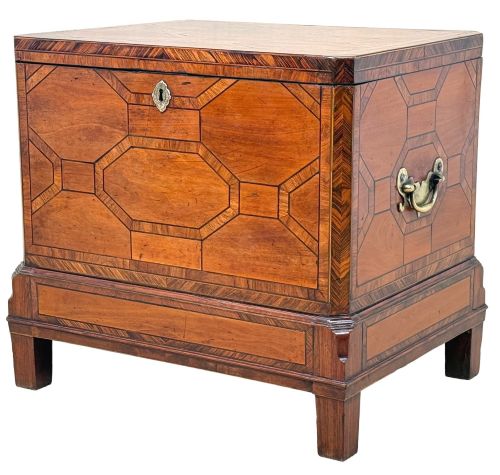
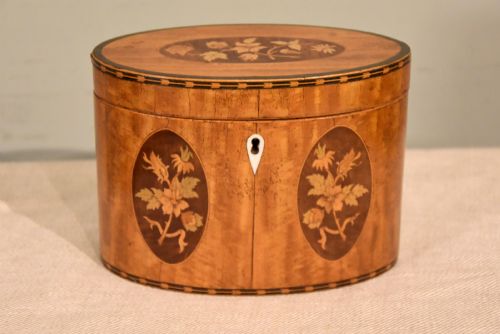
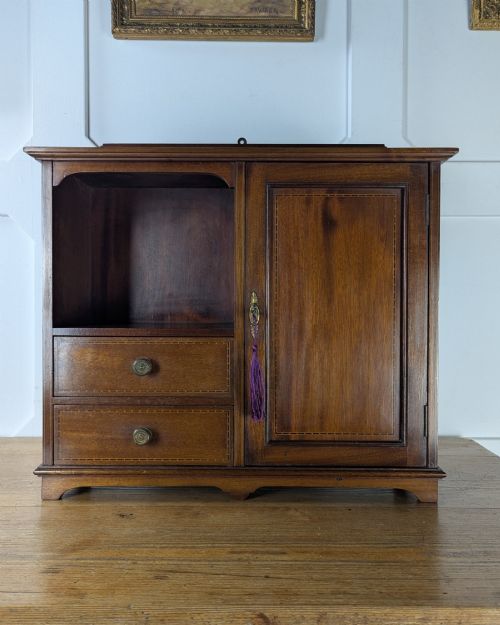
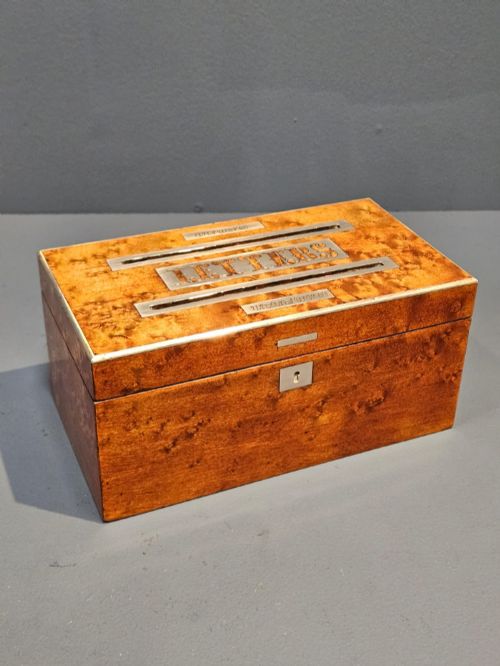
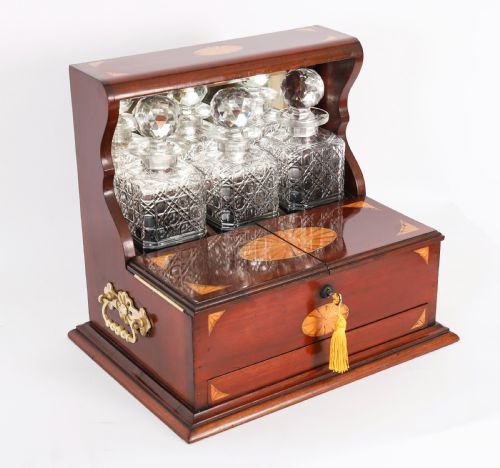
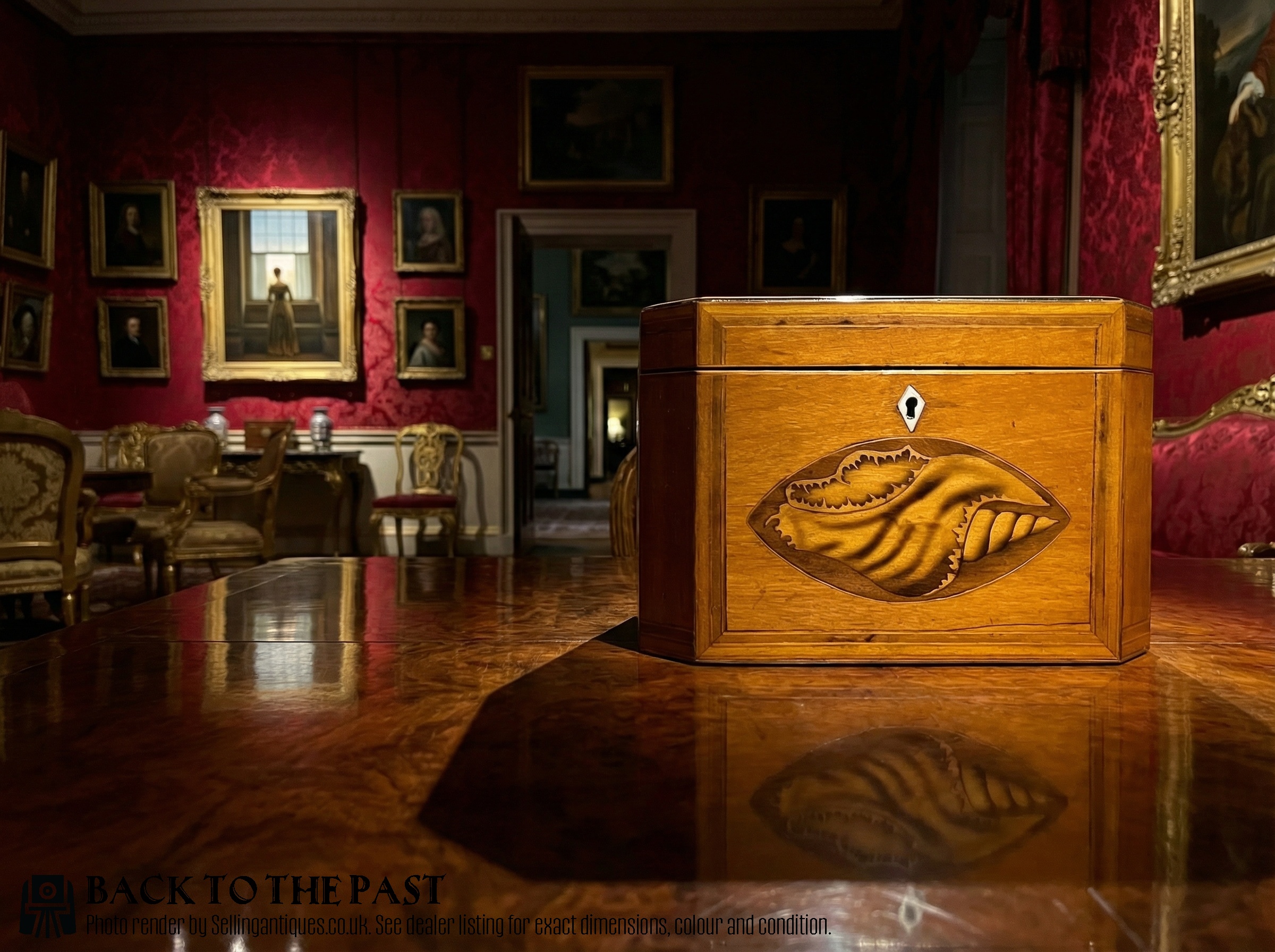
Tea caddies and cellarettes represent the most common forms encountered on this page, reflecting the historical importance of storing valuable provisions. Alongside these, occasional writing boxes, glove boxes, and correspondence boxes emerge from later nineteenth-century makers, each designed for specific domestic tasks.
How they were made
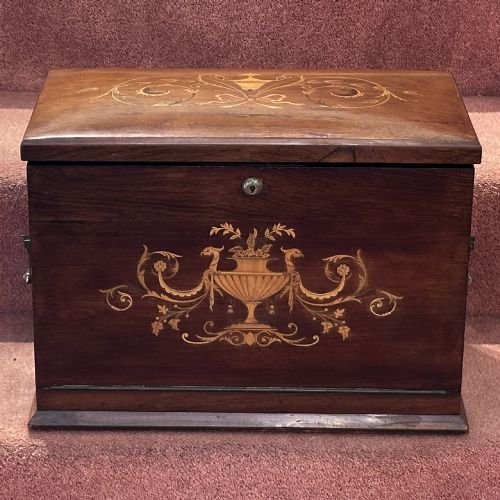
Cabinetmakers constructed these boxes using a solid timber carcase or pine framing veneered with fine satinwood, frequently contrasting the pale ground with darker timbers such as kingwood, rosewood, ebony, and burr walnut. Workshops applied intricate marquetry, butterfly or shell inlays, and boxwood banding to enrich the exterior surfaces.
Metal mounts in brass, alongside bone details and cut steel hardware, provided structural reinforcement and decorative contrast to the timber. Interior compartments often featured fitted trays and velvet or silk linings designed to hold sewing implements, documents, or tea.
Retail Price Guide 2026
Typical UK retail prices for satinwood box, calculated from the Sellingantiques database of over a million retail prices indexed since 2003. This retail price guide relies exclusively on Sellingantiques data; no external sources or auction records are used, so the figures do not describe the wider market.
The selection includes 18th century tea caddies and Victorian correspondence boxes.
What varies in quality
The sophistication of the marquetry and the precision of the contrasting veneers dictate the visual merit of each piece, distinguishing simple construction from high cabinetwork. Finer examples display meticulous butterfly and shell inlays integrated seamlessly into the satinwood ground.
The presence of documented maker signatures, specialised brass mounts, and well-preserved internal compartments elevates certain pieces above standard domestic boxes. The choice of secondary woods and the complexity of the box form also signal the tier of the original workshop.
Pearce London·Asprey London
The Antique Satinwood Box Glossary
- Satinwood
- A dense, lustrous timber native to tropical regions, prized for its golden sheen and smooth grain. It forms the primary visible surface on these decorative boxes.
- Marquetry
- The art of applying small pieces of veneer to a structure to form decorative patterns or pictures. Craftsmen utilised contrasting woods like ebony and kingwood within these designs.
- Cellarette
- A lockable container originally designed to hold bottles of wine or spirits. Georgian examples often feature substantial proportions and fine timber veneers.
- Tea Caddy
- A small lidded box intended for the secure storage of tea leaves. These vessels frequently contain internal lidded canisters and delicate inlay work.
- Banding
- A narrow strip of contrasting veneer framing the edges of a box lid or panel. This technique accentuates the geometric lines of Georgian cabinetwork.
Frequently Asked Questions
How do I care for satinwood furniture?
Keep the box away from direct sunlight and sudden temperature shifts to prevent the delicate satinwood veneer from fading or splitting. Regular dusting with a soft, dry cloth maintains the timber's natural lustre.
Avoid using modern liquid polishes or silicone sprays, which can penetrate old finishes and attract dust. Professional wax can be applied sparingly if the surface appears dry.
How do I tell Georgian satinwood apart?
Georgian satinwood pieces typically exhibit restrained classical proportions, subtle stringing, and understated shell or butterfly inlays. The timber displays a warm, pale golden tone that deepens naturally over centuries.
Later nineteenth-century iterations often incorporate heavier brass mounts, bolder contrasting woods like rosewood and ebony, and more eclectic decorative panels.
Are interior fittings usually original?
Many boxes retain their original velvet or silk linings, papered compartments, and fitted wooden tea canisters, though some have undergone careful restoration. The presence of matching interior woods and period hinges offers strong clues to originality.
Missing trays or replaced fabric linings remain common in pieces that experienced active use over generations.