


Brown Mahogany Box
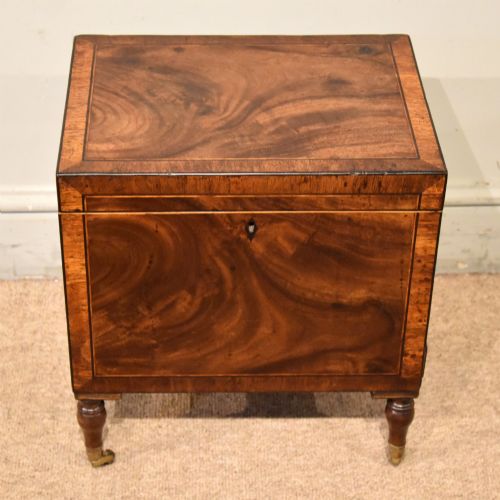
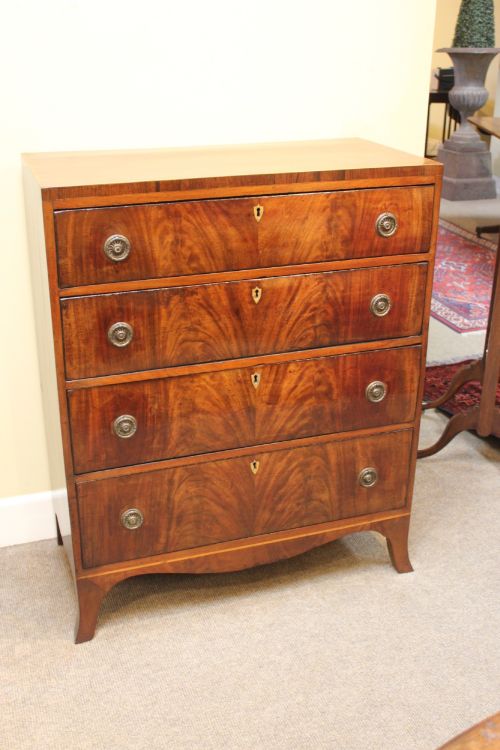
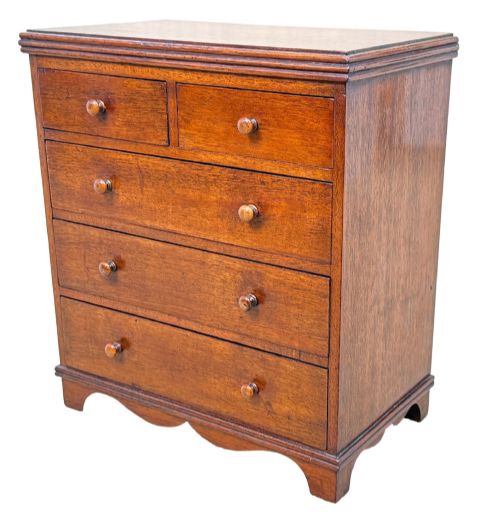
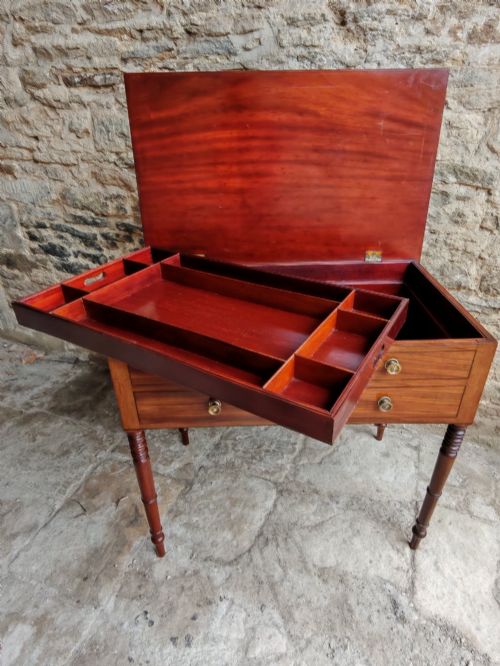
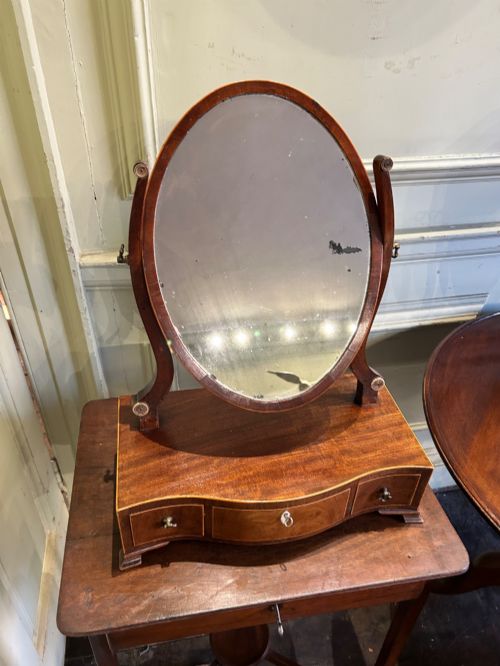
A brown mahogany box brings deep timber grain and brass fittings together to hold papers, tea, or letters.
Brown Mahogany Box
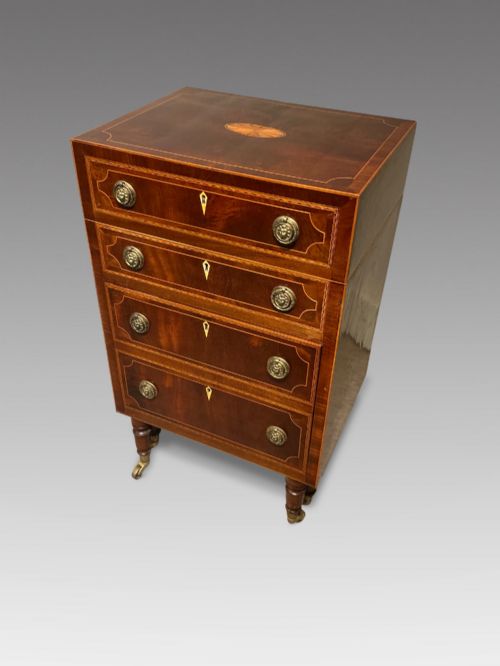
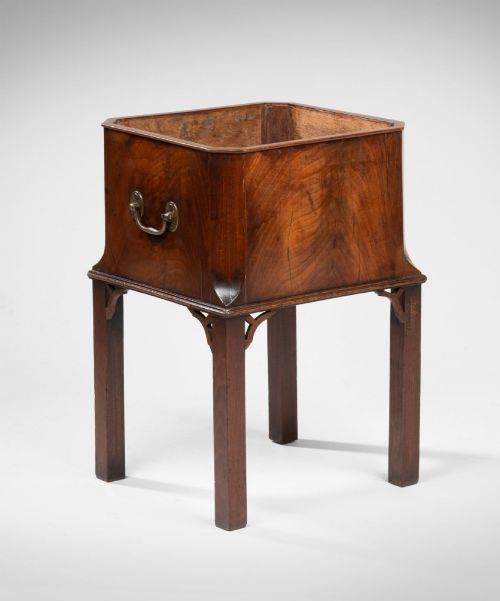
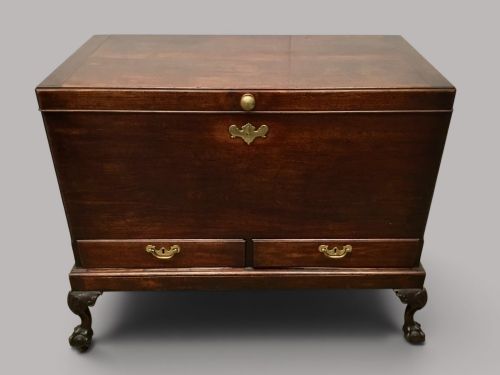
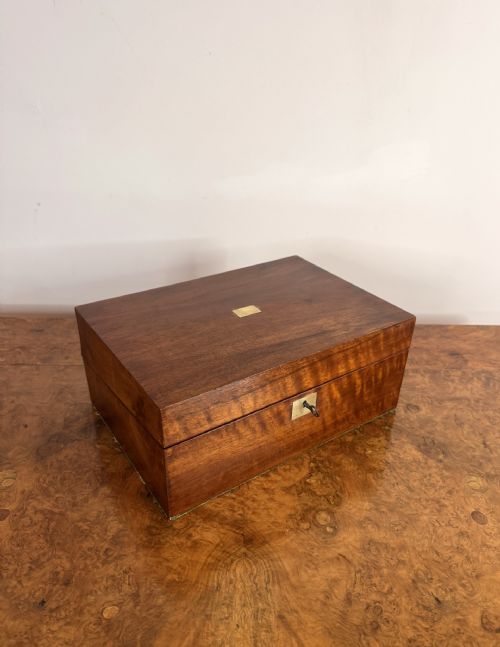
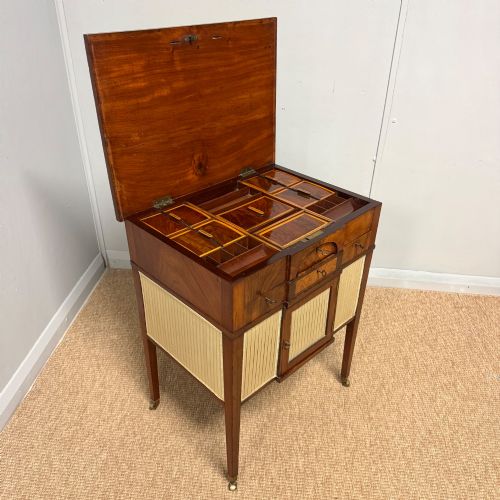
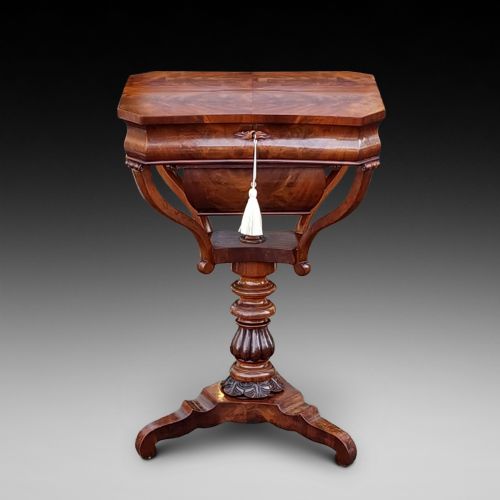
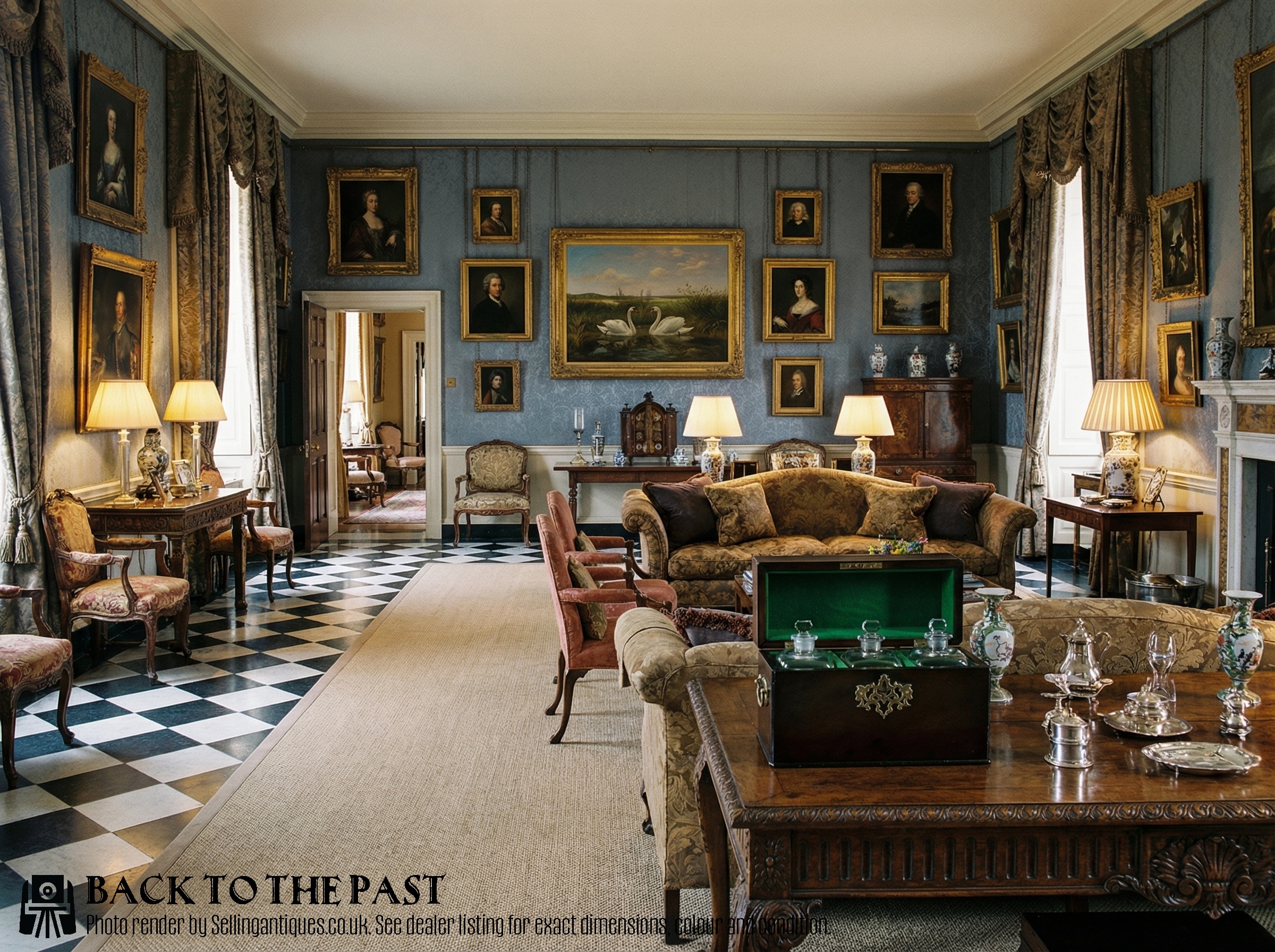
When you search for a brown mahogany box, you encounter a wide selection of containers produced across the Georgian, Regency, and Victorian eras. These items served practical domestic functions, from storing tea and documents to holding sewing gear and writing materials.
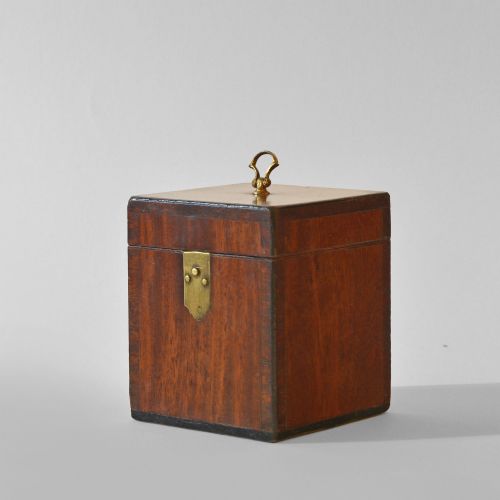
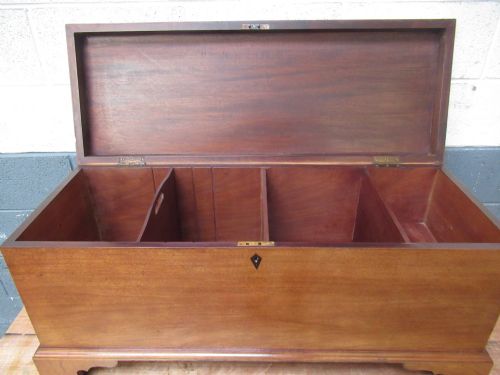
The objects on this page range from small candle boxes and sliding lid document cases to large tea caddies and wine coolers. Most examples date from the eighteenth and nineteenth centuries, reflecting the high period of mahogany furniture production.
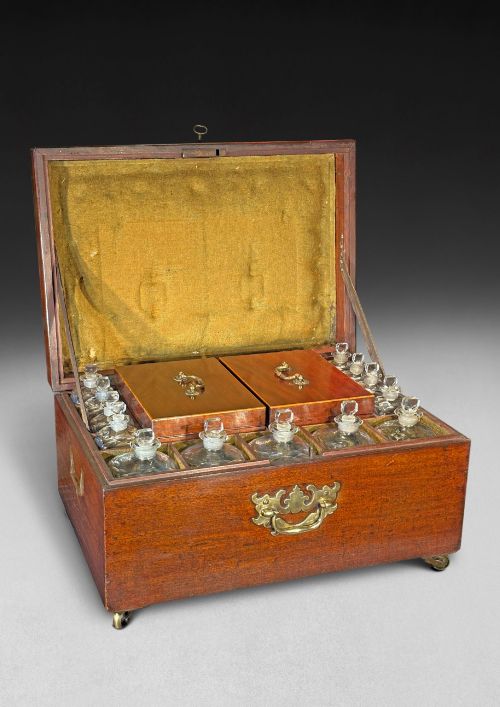
Smaller tabletop chests and decorative caddies appear most frequently in this selection, often retaining their original internal compartments or fitted trays. Certain pieces combine the timber with satinwood, boxwood, bone, or brass mounts.
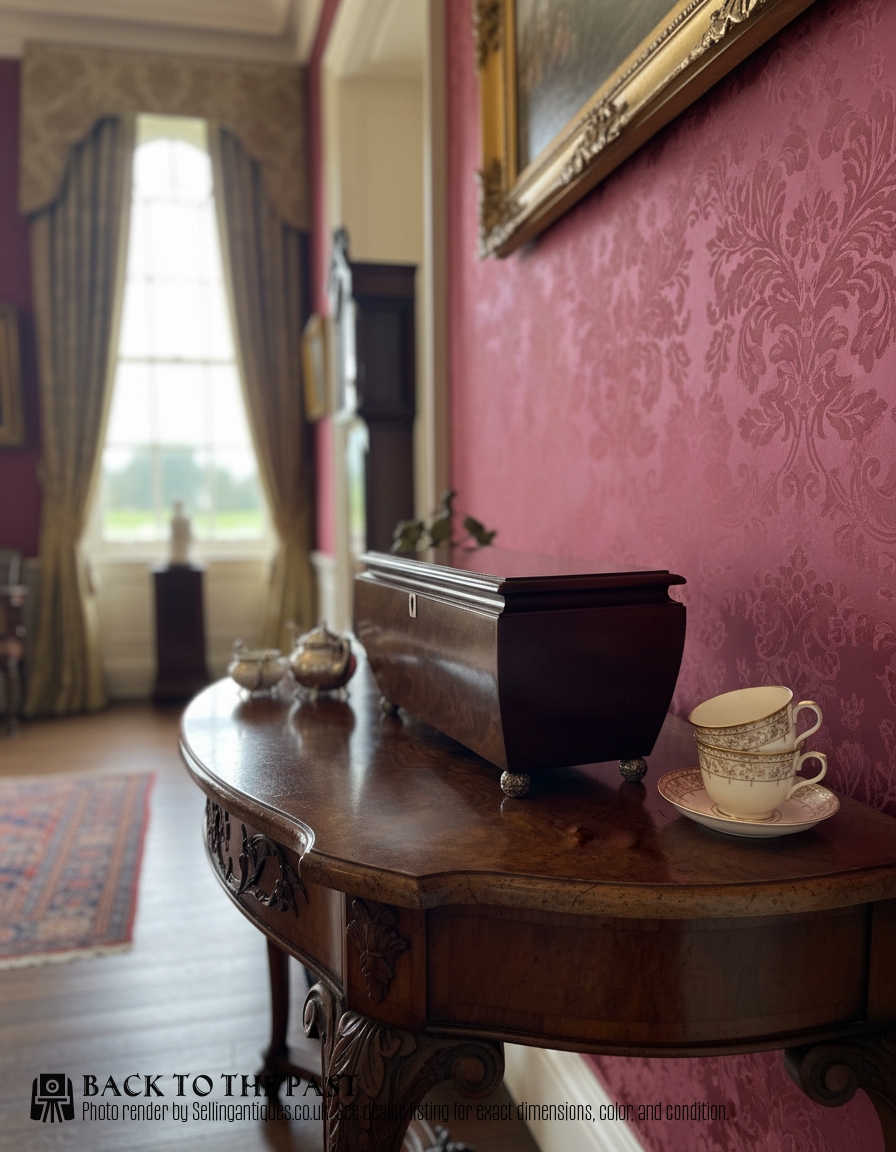
How they were made
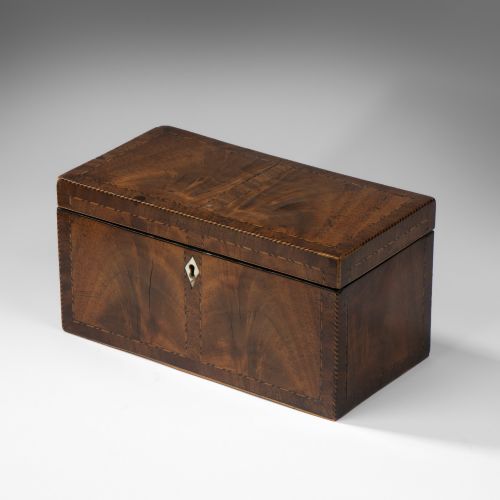
Cabinetmakers built these containers using solid mahogany or applied mahogany veneers over secondary timbers, frequently selecting flame grain patterns for visual depth. Construction often involved dovetail joints at the corners to ensure strength in daily use.
Craftsmen incorporated secondary materials such as brass for carrying handles, escutcheons, and hinges, alongside delicate stringing in boxwood or satinwood. Interiors often featured paper linings, fabric, or fitted wooden dividers tailored to the specific purpose of the box.
Brown Mahogany Box Retail Price Guide 2026
Typical asking prices for brown mahogany box among the pieces listed under this phrase on Sellingantiques today, from the lower quarter to the upper quarter. They describe what is for sale here now, not the wider market.
Listings span multiple eras from the eighteenth century to the twentieth century, incorporating materials like brass, bone, satinwood, and glass.
What varies in quality
The standard of a brown mahogany box rests on the selection of the timber grain, the precision of the dovetail joinery, and the integrity of the original hardware. Superior pieces display book-matched veneers and finely fitted internal compartments that operate smoothly.
Execution of decorative details, such as inlaid stringing, brass lion-paw feet, or working locks with original keys, distinguishes higher workshop output from standard utility items. Surface patination achieved through decades of wax polishing also indicates the care a piece received over time.
The Brown Mahogany Box Glossary
- Mahogany
- A durable tropical hardwood known for its reddish-brown colour and stability, widely utilised in British cabinetmaking from the eighteenth century onward.
- Dovetail
- A joint formed by interlocking wedge-shaped fingers, used by makers to join the corners of wooden boxes with high tensile strength.
- Escutcheon
- A protective plate surrounding a keyhole, frequently cast in brass and shaped to complement the style of the box.
- Caddy
- A small container originally designed for storing loose tea leaves, often fitted with internal compartments and a locking lid.
- Crossbanding
- A narrow strip of veneer laid border-fashion around a panel so that the grain runs at right angles to the central surface.
Brown Mahogany Box: Frequently Asked Questions
What did people store in a brown mahogany box?
These containers held valuable household commodities, legal papers, writing implements, or tea leaves. Interiors frequently included fitted compartments, small drawers, or canisters.
Larger variants served as coal scuttles, sewing tables, or wine coolers, adapting the dense timber to heavy domestic service.
How do I identify a Georgian box?
Georgian pieces typically display restrained proportions, solid mahogany construction with hand-cut dovetails, and understated brass hardware. Look for bracket feet and simple moulding profiles.
Later Victorian versions often introduce heavier ornamentation, applied veneers, and more complex internal mechanisms.
Are original keys common with these boxes?
Original working keys are uncommon because locks were frequently secured and keys lost during house moves over the centuries. Many surviving boxes retain their decorative escutcheons even if the lock is no longer operational.
Replacements can sometimes be fitted, but collectors generally value the untouched character of the original mechanism.
How should I care for mahogany timber?
Maintain the surface by applying natural beeswax sparingly and buffing with a soft cloth to preserve the rich lustre. Avoid placing the wood in direct sunlight or near heat sources to prevent timber shrinkage.
Consistent indoor humidity protects both the solid mahogany structure and any delicate stringing or veneer.