
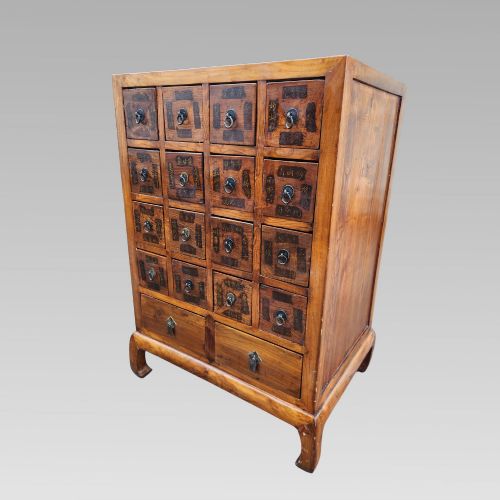
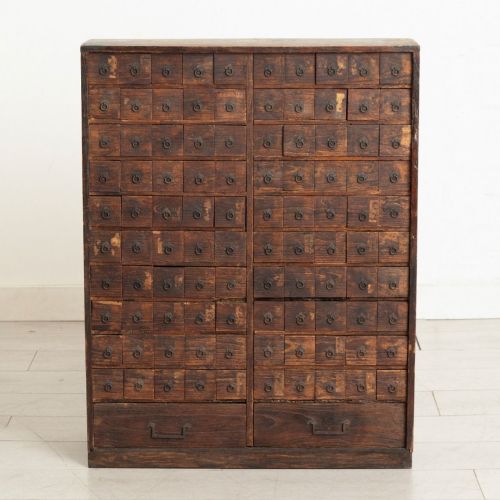
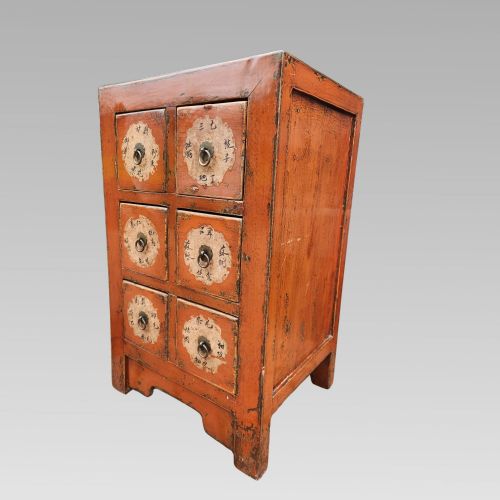
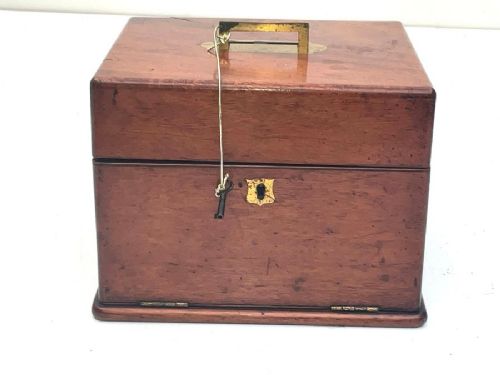
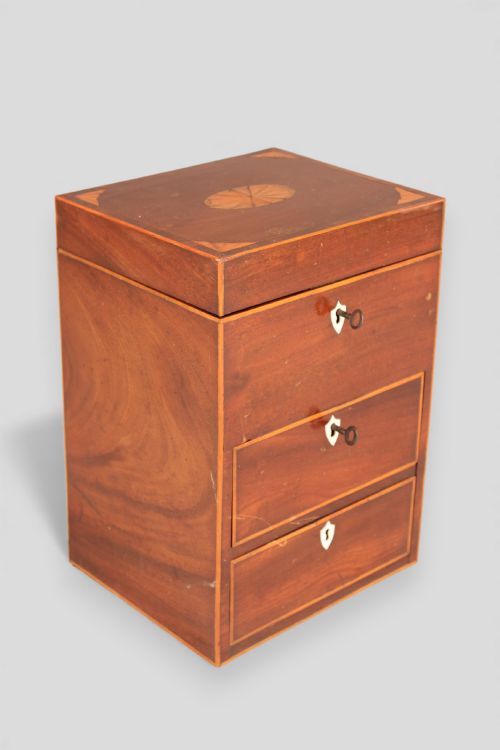


Antique Medicine Chest
An antique medicine chest offers fitted compartments and glass bottles that appeal to collectors seeking period utilitarian design.
What an antique medicine chest is
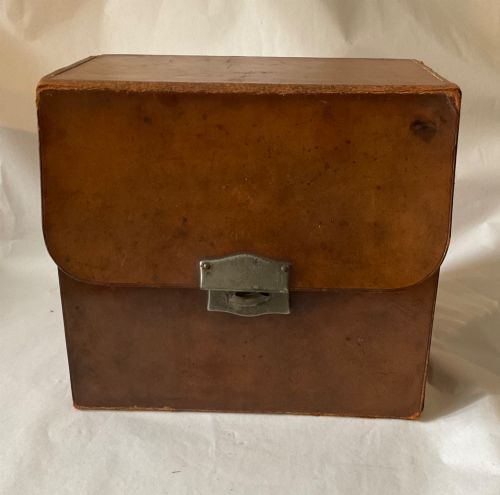
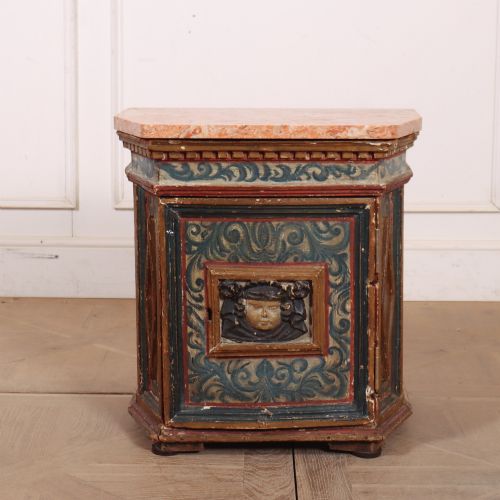
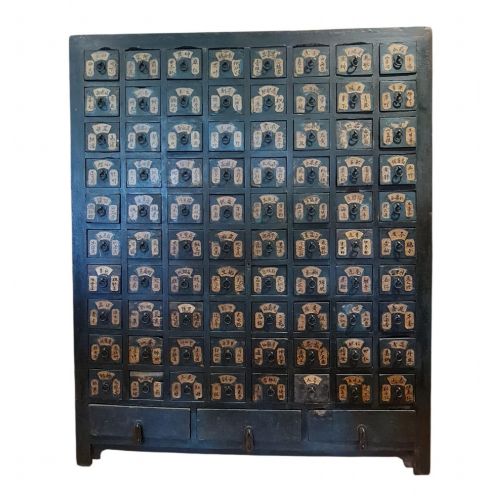
Buyers searching for an antique medicine chest typically encounter apothecary boxes, spice cabinets, and travelling cases dating from the Georgian, Regency, and Victorian periods. These pieces serve as compact storage units designed to hold medical supplies and remedies securely during travel or for domestic use.
The items listed on this page span the late eighteenth century through the nineteenth century, reflecting the domestic and professional storage needs of the period. Most examples take the form of tabletop cabinets or fitted boxes made for home organisation or mobile physician use.
Originating largely from English workshops, these items demonstrate the practical craftsmanship required by medical practitioners and affluent households. The configuration generally includes interior compartments designed to secure fragile glass vessels and instruments.
Materials and construction
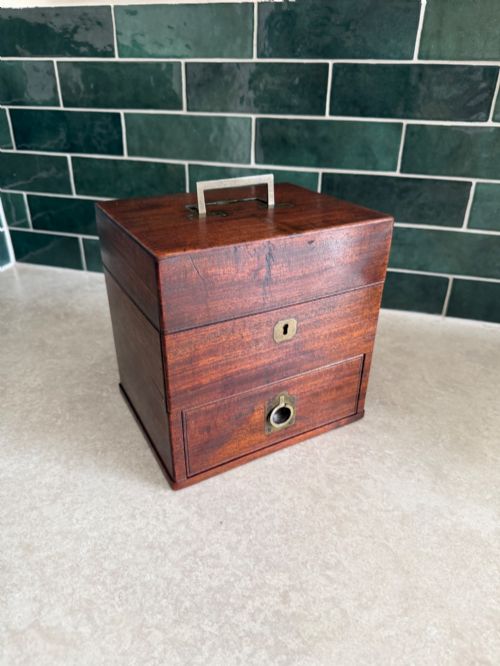
Makers constructed these chests primarily from mahogany, often enhancing the exterior with boxwood inlay and brass mounts. These durable timbers provided the structural strength needed to protect contents during transit.
Interiors frequently feature fitted arrangements incorporating glass bottles, bone implements, and velvet linings. Iron hardware and brass fittings secure the lids and drawers against the rigours of everyday use.
Retail Price Guide 2026
Typical UK retail prices for medicine chest, calculated from the Sellingantiques database of over a million retail prices indexed since 2003. This retail price guide relies exclusively on Sellingantiques data; no external sources or auction records are used, so the figures do not describe the wider market.
Listings feature mahogany, brass, glass, velvet, bone, boxwood inlay, iron, and boxwood.
Distinctions in quality
Quality in these pieces depends on the completeness of the original contents and the precision of the interior joinery. Examples retaining original glass bottles and fitted drawers stand apart from those with later replacements.
Finer specimens exhibit careful boxwood inlay and robust brass hardware that integrate seamlessly into the mahogany structure. The overall harmony of the timber grain and the condition of the velvet linings further distinguish superior examples from standard utility boxes.
The Antique Medicine Chest Glossary
- Apothecary Box
- A fitted wooden container made to hold medicinal preparations, scales, and glass vials. These boxes were utilised by medical practitioners and households for storing remedies securely.
- Travelling Case
- A portable storage unit designed for use on journeys, featuring secure locks and reinforced corners. These cases protected fragile contents from the movement of transit.
- Campaign Box
- A portable piece of furniture built for military officers or travellers, often featuring recessed brass handles. This construction allowed the box to withstand frequent moving.
- Boxwood Inlay
- A decorative technique where light-toned wood is set into a darker timber surface to create linear patterns. This detail marks the exterior decoration of finer Georgian and Regency boxes.
Frequently Asked Questions
What is an antique medicine chest?
An antique medicine chest is a fitted wooden box designed to hold glass bottles, medical supplies, and remedies. These pieces date from periods such as the Georgian and Victorian eras.
They were utilised by doctors and households to keep essential medicines organised and protected during travel or at home.
How were these chests used?
These chests functioned as portable pharmacies for practitioners on the move or as secure domestic storage for family remedies. The interior compartments kept glass bottles upright and separated to prevent breakage.
Drawers often contained scales, measures, and dry ingredients required for compounding medicines.
What materials are typical?
Makers relied heavily on mahogany for the main structure, adding brass handles and hinges for durability. Interiors often incorporate fitted wood partitions, velvet surfaces, and glass bottles.
Finer examples also feature decorative boxwood inlay along the exterior surfaces.
How do I identify the period?
Dating relies on stylistic clues such as the presence of boxwood inlay, the shape of brass fittings, and construction methods. Georgian and Regency examples often display restrained lines and fine timber selection.
Victorian pieces frequently share similar utilitarian forms while reflecting the manufacturing standards of the later nineteenth century.