





Georgian Apothecary Chest
A georgian apothecary chest is a fitted wooden box or small cabinet designed to hold medical remedies, offering compartmentalised storage.
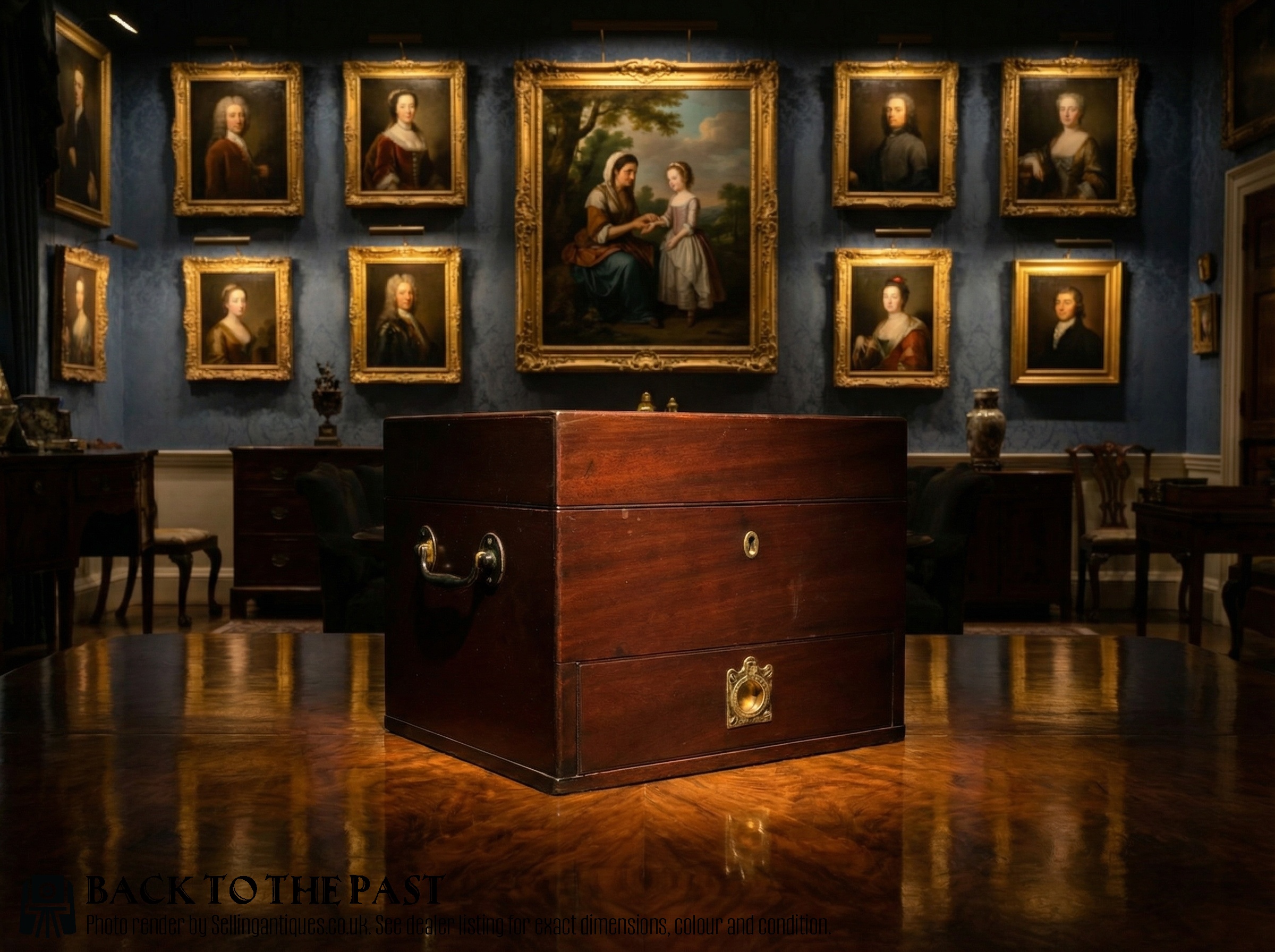
Georgian Apothecary Chest
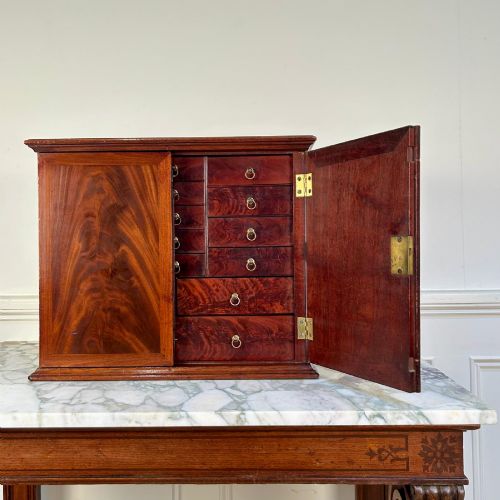
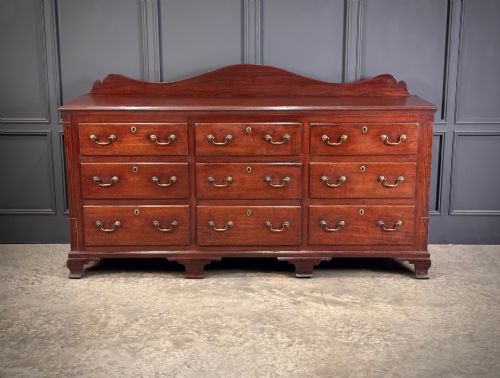
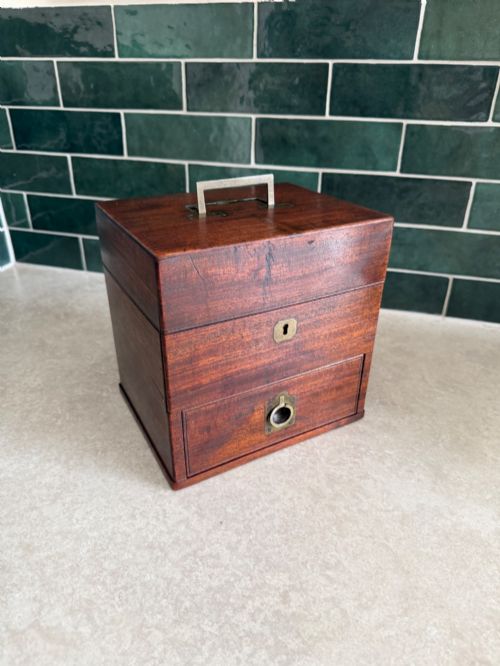
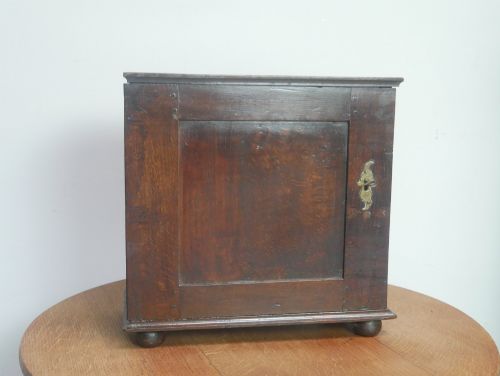
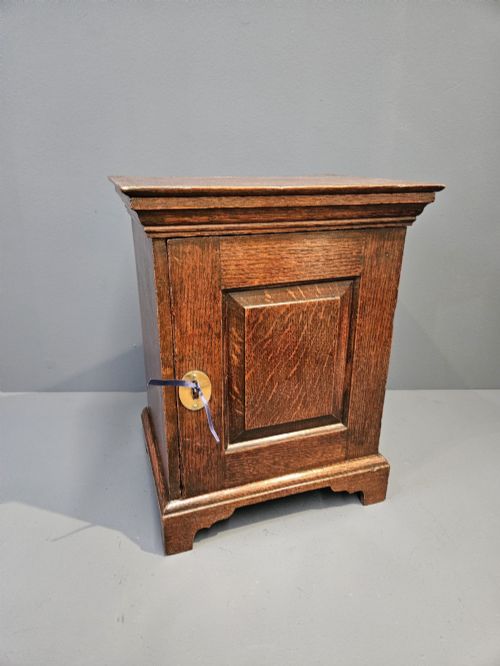
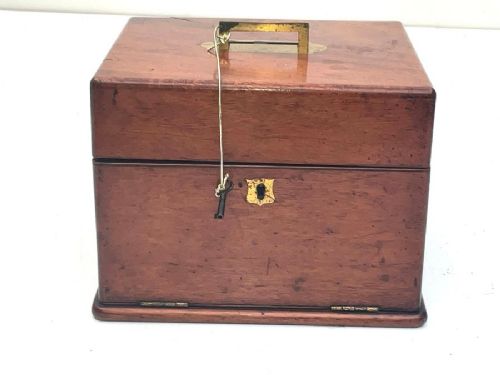
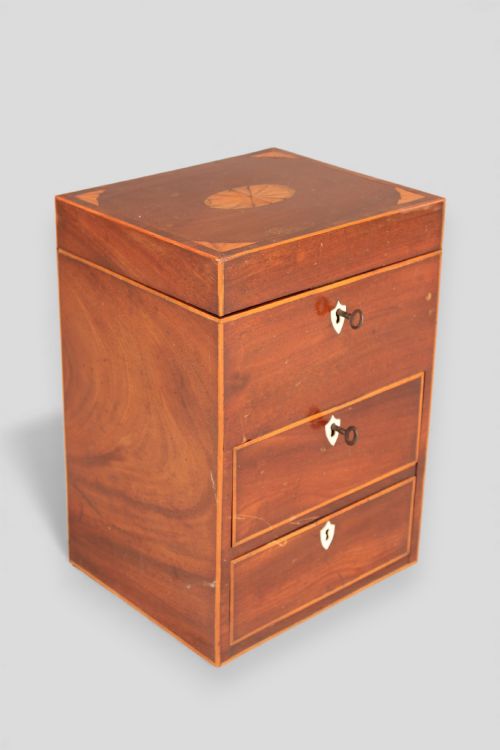
When you search for a georgian apothecary chest, you encounter compact travelling cases, fitted boxes with glass bottles, and small chests of drawers intended for medicinal storage. The examples on this page span the eighteenth and nineteenth centuries, including pieces from the Georgian, Regency, and Victorian periods.
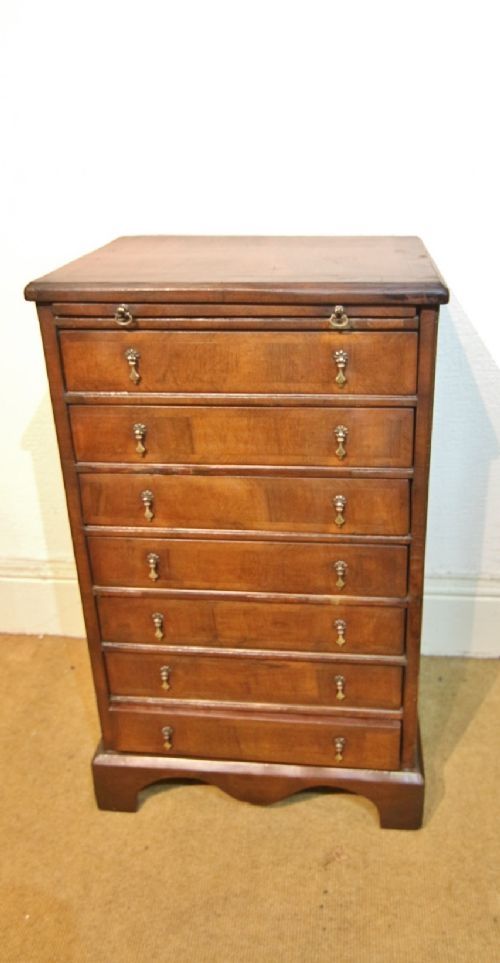
The forms vary from portable campaign boxes containing original glass bottles to wall-hanging spice boxes, spice cupboards, and banks of drawers. Mahogany and oak dominate the offerings, occasionally supplemented by fruitwood, walnut, and pine.
Buyers frequently find these objects catalogued under descriptions such as apothecary boxes, medicine chests, and collectors cabinets. These pieces reflect domestic and professional storage needs of the period, employing compartmentalised interiors to secure fragile glass containers.
How they were made
Cabinetmakers constructed these chests primarily using mahogany and oak, often incorporating secondary timbers such as pine or fruitwood for internal partitions and drawer linings. Inlaid details in lighter woods appear on select mahogany and walnut examples.
Georgian Apothecary Chest Retail Price Guide 2026
Typical asking prices for georgian apothecary chest among the pieces listed under this phrase on Sellingantiques today, from the lower quarter to the upper quarter. They describe what is for sale here now, not the wider market.
Some tiny campaign chests packed entire pharmacies into boxes small enough to tuck under an arm.
What varies in quality
The standard of a georgian apothecary chest rests on the complexity of its interior layout and the preservation of its original fittings. Boxes that retain their complete sets of original glass bottles and intact drawer dividers command greater interest from collectors.
Construction details such as dovetailed drawer joints, finely figured mahogany veneers, and original brass campaign hardware elevate specific pieces above simpler utility boxes and wall-hanging spice cupboards.
The Georgian Apothecary Chest Glossary
- Campaign case
- A portable chest or box fitted with brass carrying handles and reinforced corners, designed for travel by military officers or physicians. These pieces often feature collapsible elements and secure internal locking mechanisms.
- Spice cupboard
- A small wall-mounted or freestanding wooden cabinet with multiple internal small drawers, utilised for storing dry goods or medicinal ingredients before dedicated medicine chests became common.
- Campaign hardware
- Recessed brass handles, corner brackets, and escutcheons designed to sit flush with the wooden surface of a travelling chest to prevent damage during transit.
- Fitted interior
- An internal arrangement of wooden dividers, slots, and lidded compartments designed to hold glass apothecary bottles, scales, and measuring equipment securely in place.
- Bank of drawers
- A multiple-drawer cabinetry form providing numerous small compartments for organising specimens, powders, or medical remedies.
Georgian Apothecary Chest: Frequently Asked Questions
What is inside a georgian apothecary chest?
These chests typically contain fitted wooden compartments designed to hold small glass bottles, jars, and sometimes scales or mixing tools.
Many surviving examples retain their original glass containers, while others survive as empty boxes or have been adapted for general storage.
How do you date a medicine chest?
Dating relies on timber choices, construction techniques, and brass hardware styles typical of the eighteenth and nineteenth centuries. Georgian and Regency examples often feature solid mahogany or oak construction with hand-cut dovetails and flush brass campaign handles.
Later Victorian iterations and twentieth-century reproductions display different secondary woods, machine-made fixings, or stylistic details like inlaid banding.
Were these chests meant for travel?
Many apothecary chests functioned as portable travelling cases for physicians, military officers, or household use on country estates. These portable variants utilise sturdy brass corners and recessed handles for safe transit.
Other larger forms, such as spice cupboards and banks of drawers, remained stationary in homes or dispensaries.
How do you care for wood and brass?
Maintain the timber surfaces with occasional applications of appropriate furniture wax to preserve the grain and prevent the wood from drying out. Avoid harsh chemical cleaners on both the wood and the original brass hardware to protect the aged patina.