




18th Century Apothecary Box
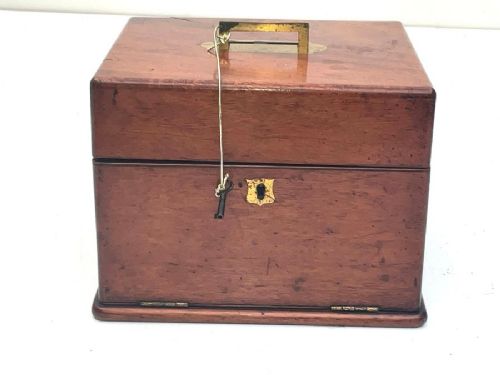
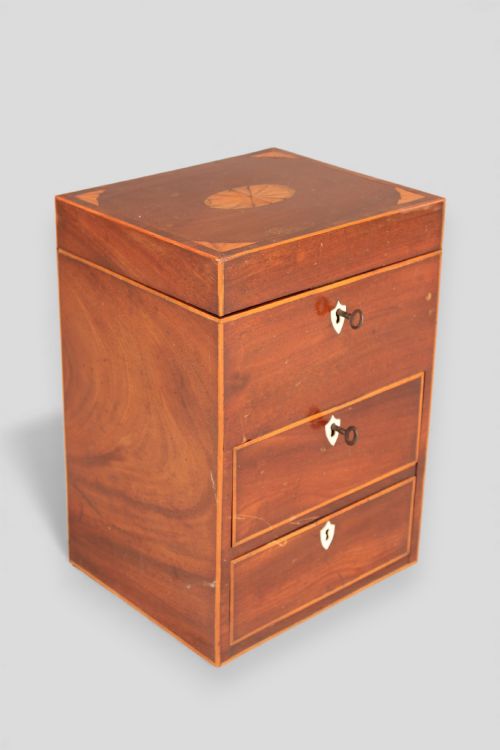
An 18th century apothecary box is a compact wooden chest designed for carrying medical vials and remedies, prized by collectors for its ingenious interior engineering.
18th Century Apothecary Box
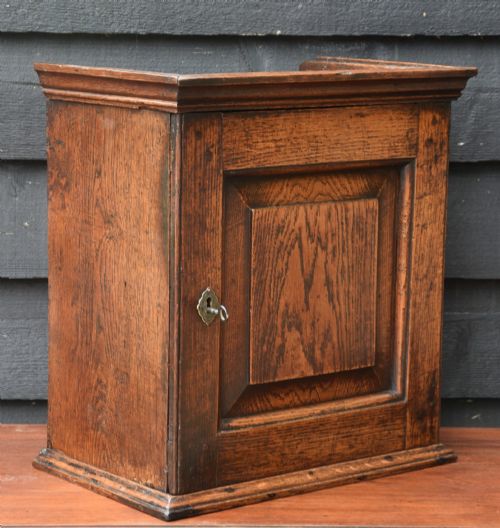
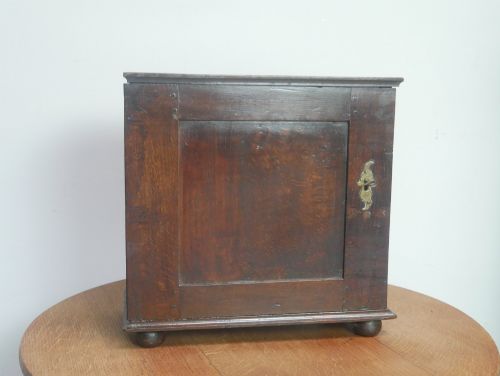
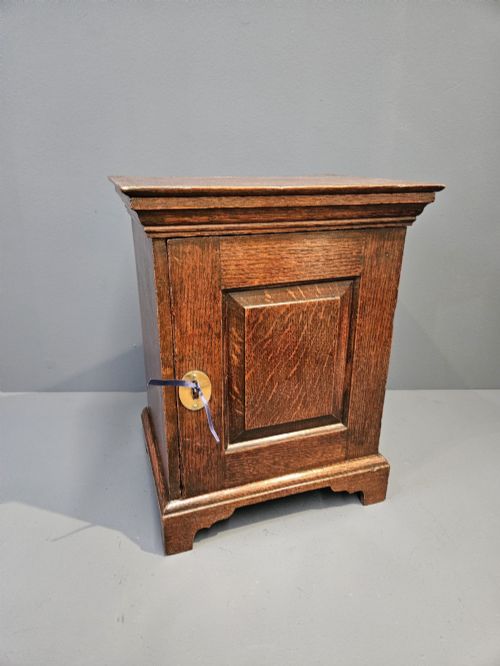
The versions most frequently encountered on this page date from the Georgian era, encompassing styles from the early Georgian period through to George III.
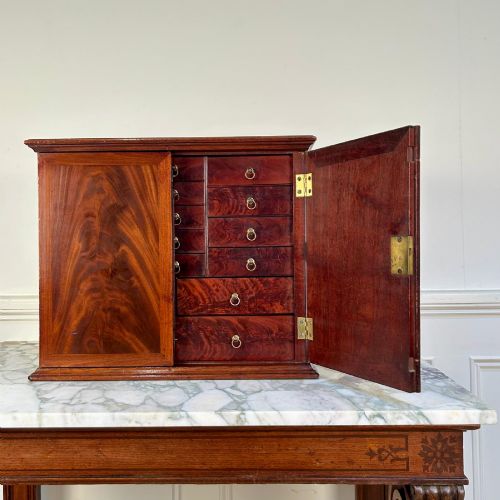
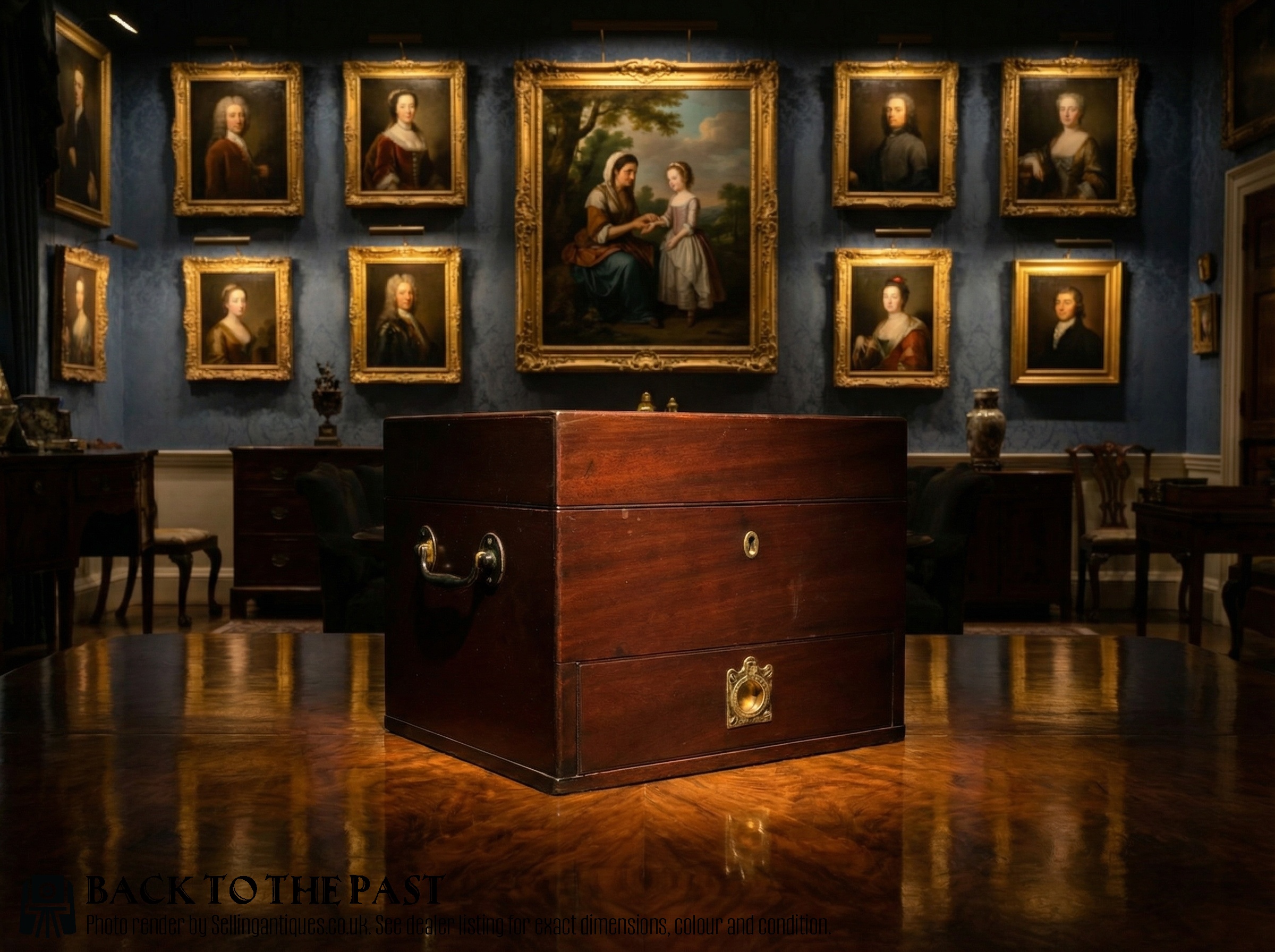
Formations alternate between oak spice cupboards with simple hung doors and mahogany cases fitted with interior bottles and storage compartments.
Construction and Materials
Carpenters utilised sturdy timbers such as oak and mahogany for the primary carcasses, frequently incorporating boxwood inlay for decorative contrast on finer examples.
Hardware consists of brass hinges, locks, and carrying handles, while interior fittings often integrate glass bottles and bone elements for measuring or handling contents.
18th Century Apothecary Box Retail Price Guide 2026
Typical asking prices for 18th century apothecary box among the pieces listed under this phrase on Sellingantiques today, from the lower quarter to the upper quarter. They describe what is for sale here now, not the wider market.
Listings demonstrate a materials palette dominated by mahogany and oak, supplemented by brass hardware, glass bottles, and boxwood inlay.
Assessing Quality
Superior examples distinguish themselves through the precision of their internal partitioning and the survival of their original glass bottles and fitted contents.
The refinement of the exterior woodwork, particularly the quality of the mahogany grain and the execution of boxwood inlay, separates standard utilitarian chests from elite specimens.
The 18th Century Apothecary Box Glossary
- Campaign case
- A portable box designed for travel, featuring recessed brass handles and robust construction to withstand movement.
- Spice cupboard
- A small wall-mounted or freestanding cabinet with internal small drawers, often predating dedicated medicine chests.
- Inlay
- A technique where contrasting materials like boxwood are inserted into recesses in the primary timber surface to create patterns.
- Georgian
- The period spanning the reigns of the first four Georges, characterised by distinct shifts in British furniture design.
18th Century Apothecary Box: Frequently Asked Questions
What were apothecary boxes used for?
These boxes served as portable dispensaries for physicians and households, containing essential medicines, powders, and liquids for travel or domestic treatment.
Their fitted interiors kept fragile glass bottles secure and organised during transit across rough roads.
How do I date an apothecary box?
Dating relies on observing the primary timber, such as early oak usage versus later mahogany preferences, alongside construction methods like dovetailing.
Hardware styles, including brass handles and lock plates, also provide reliable indicators of the Georgian manufacturing period.
Are original bottles usually included?
Some boxes retain their original glass bottles and contents, while others survive as empty wooden cases with empty compartments.
Complete sets with matching glassware command significant interest among collectors of medical antiques.
How should I clean the wood?
Maintenance requires gentle dusting with a dry, soft cloth to protect the historic polish and timber surface.
Harsh chemical cleaners and modern polishes must be avoided to preserve the authentic patina developed over centuries.