
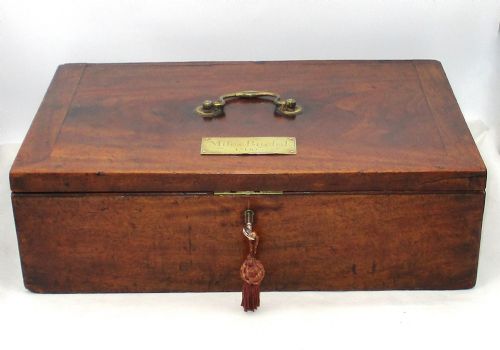
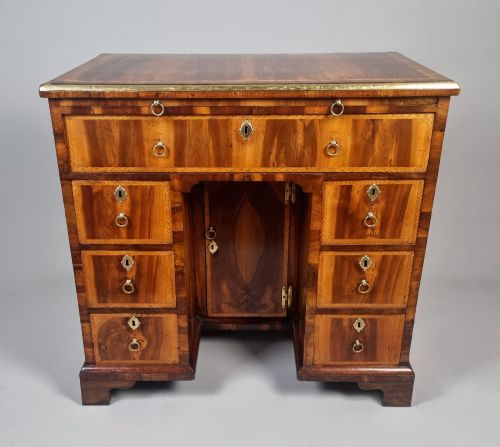
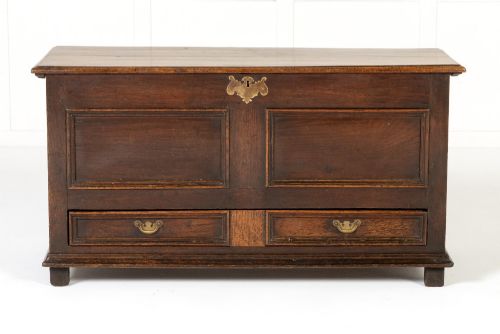
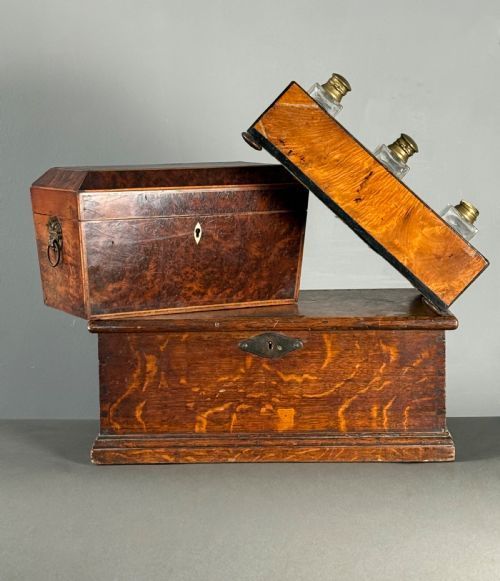
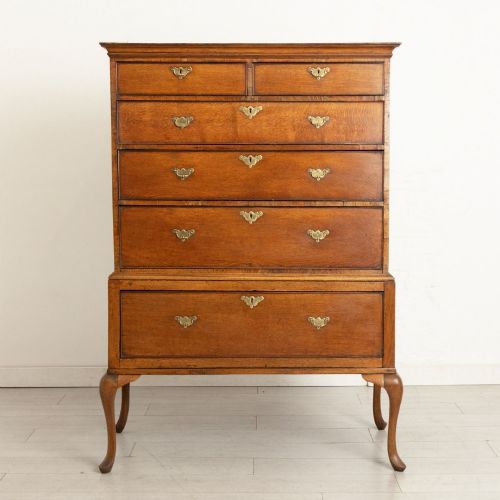
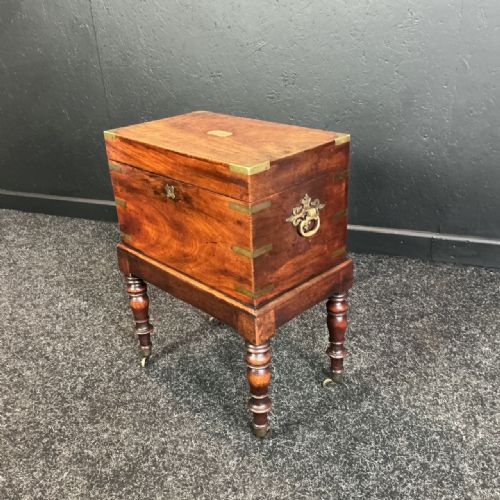
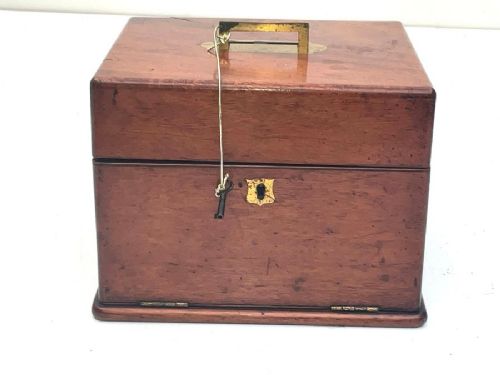


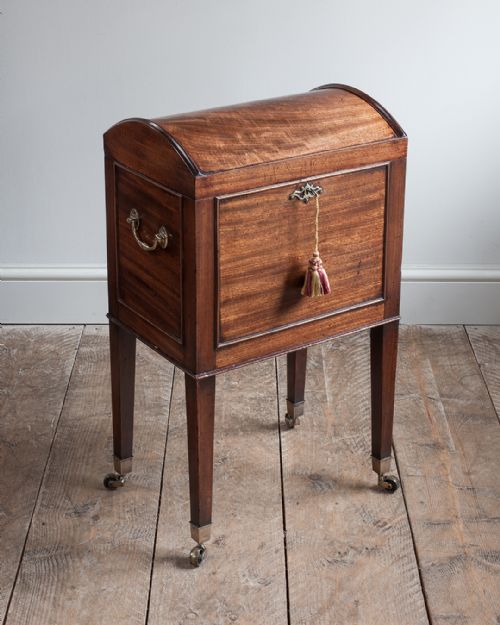

Georgian Brass Mounted Chest
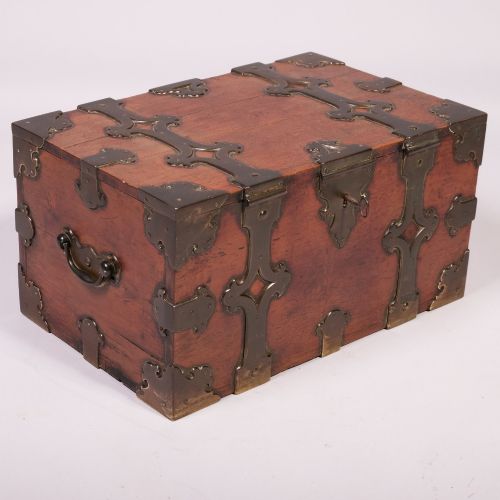
These Georgian brass mounted chest examples unite sturdy cabinet-making with functional metal hardware designed for travel and secure storage.
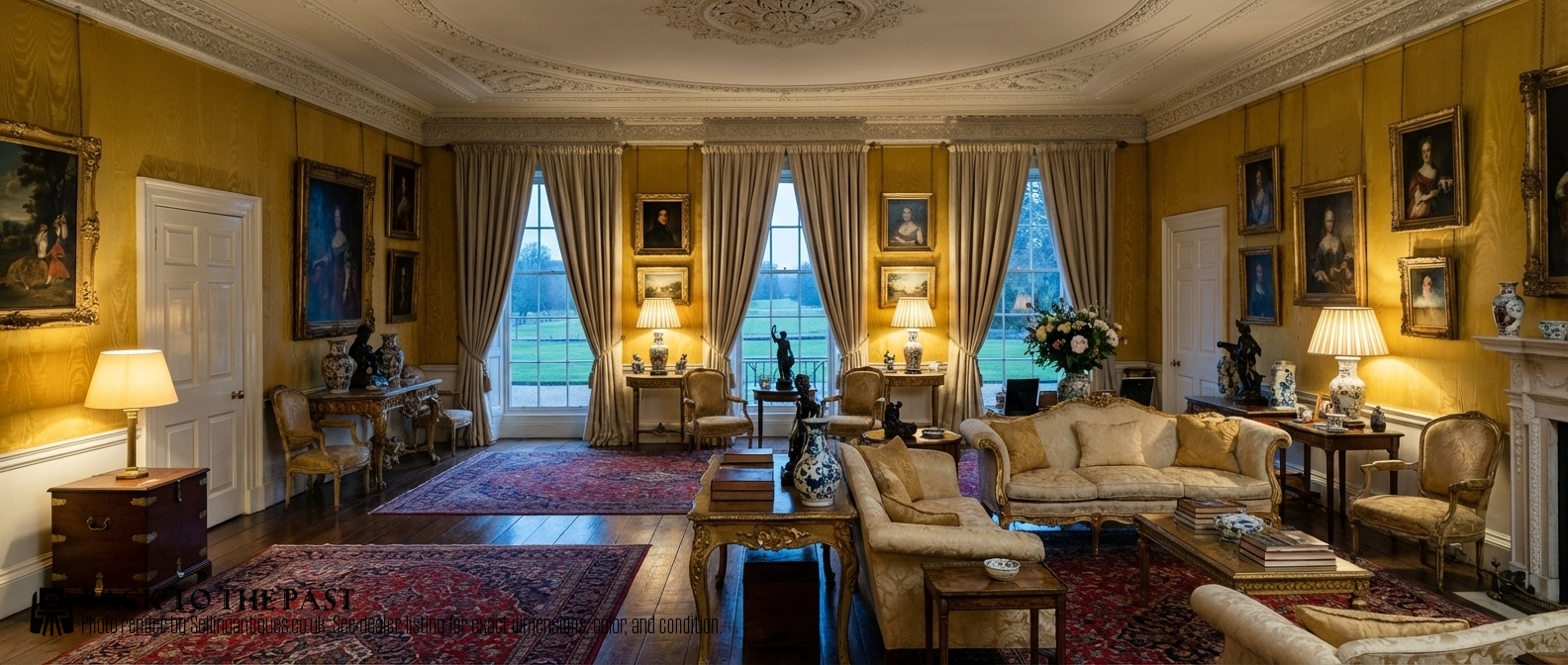
Georgian Brass Mounted Chest
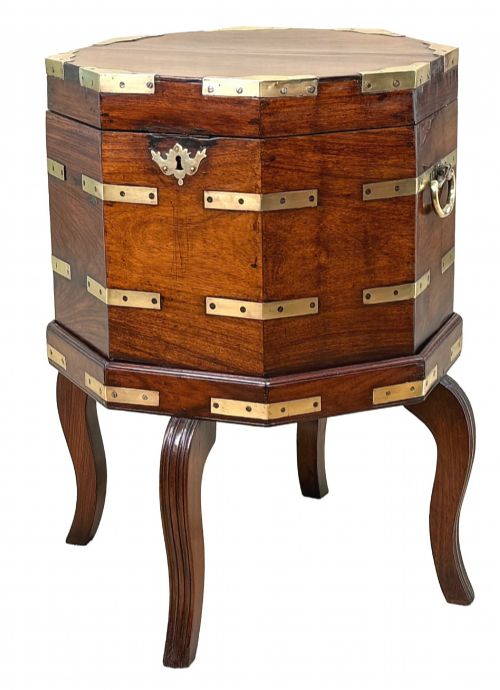
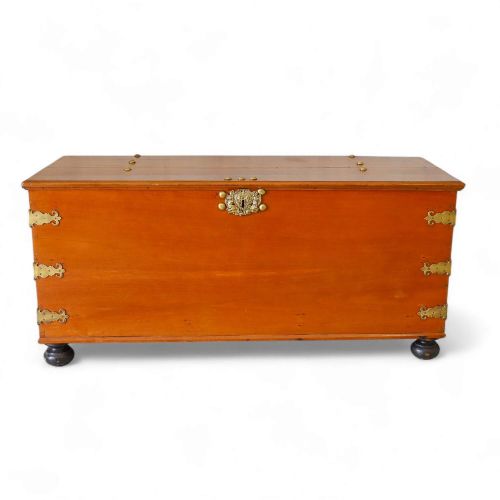
A georgian brass mounted chest encompasses robust storage vessels fashioned in mahogany, oak, walnut, and camphor, often reinforced for transport or expedition use. The selections here span the eighteenth and nineteenth centuries, including colonial variants, campaign pieces, and vernacular oak coffers.
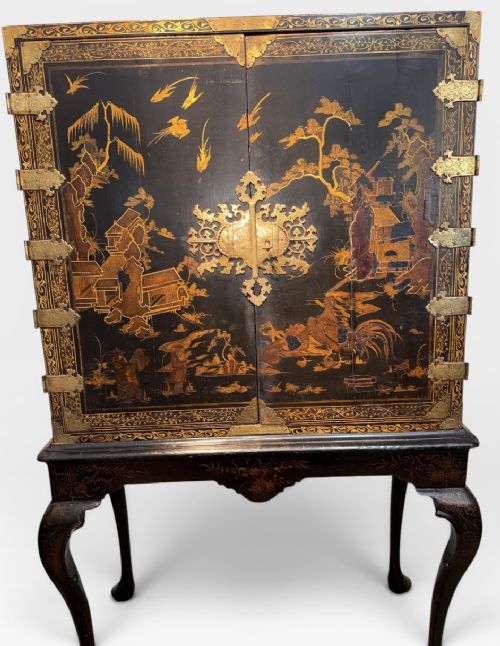
Buyers will encounter various forms ranging from compact apothecary boxes and tea caddies to larger cellarettes, trunks, and miniature chests of drawers. These utilitarian items served to protect valuable provisions, documents, or personal effects during transit and within domestic settings.
Regional diversity shapes the selection, showing English craftsmanship alongside Welsh vernacular items, Anglo-Indian padouk pieces, and continental burr walnut specimens. Each object demonstrates the practical application of metal strapping and corner brackets to safeguard wooden carcases.
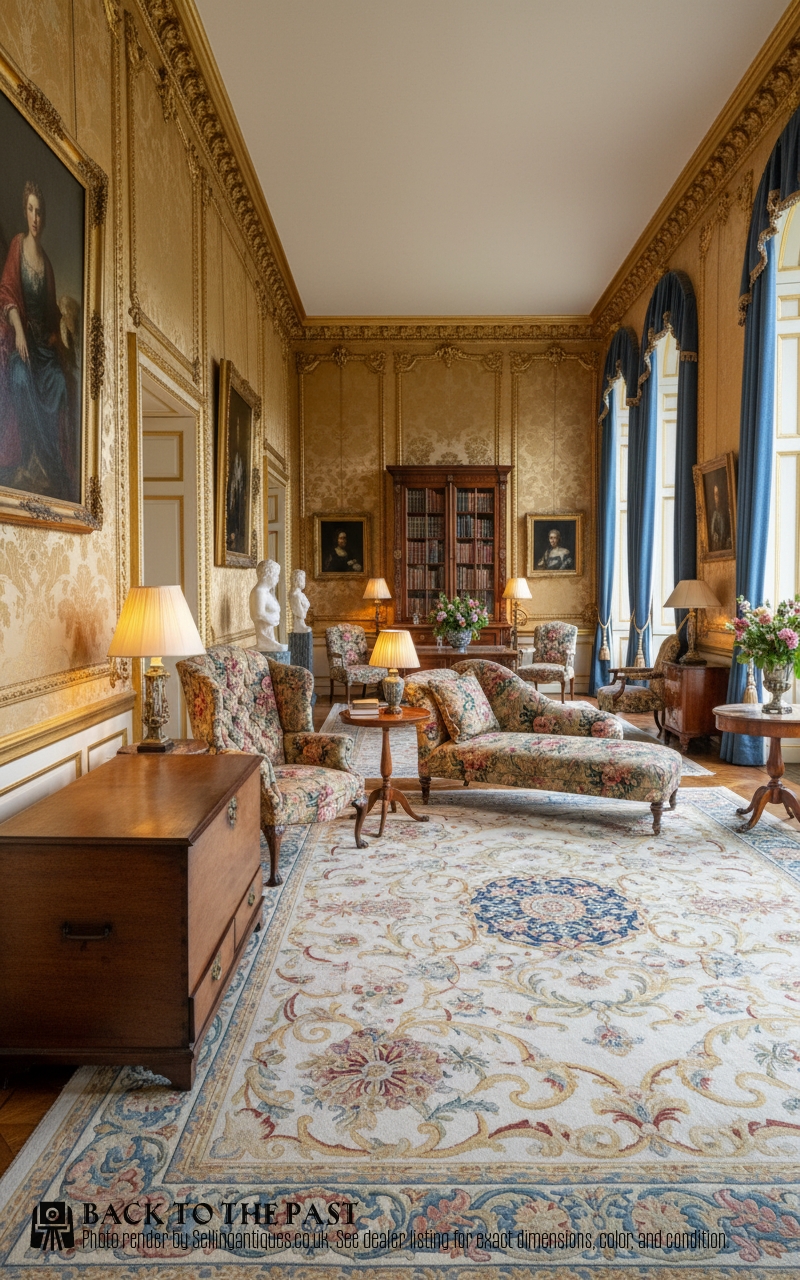
Materials and construction
Cabinet-makers relied heavily on dense hardwoods such as mahogany, oak, walnut, and padouk, supplemented by decorative veneers like burr walnut and boxwood stringing. Timber selection prioritized structural integrity and resistance to splitting during travel.
Brass corners, straps, carrying handles, and escutcheons were countersunk and screw-fixed to reinforce vulnerable joints and edges. This metalwork provided both utilitarian strength against heavy handling and a sharp visual contrast to the polished timber surfaces.
Georgian Brass Mounted Chest Retail Price Guide 2026
Typical asking prices for georgian brass mounted chest among the pieces listed under this phrase on Sellingantiques today, from the lower quarter to the upper quarter. They describe what is for sale here now, not the wider market.
Some miniature chests feature secret compartments designed to outsmart clever thieves.
Factors determining quality
The sophistication of the timber figure and the precision of the joinery set finer examples apart from standard utilitarian boxes. Original brass hardware, intact internal fittings, and well-preserved drawer configurations elevate the standing of an individual piece.
The integrity of the timber surface and the subtlety of secondary woods reveal the original workshop's standard. Pieces retaining their fitted interiors, original locks, and untouched patination command greater regard among collectors.
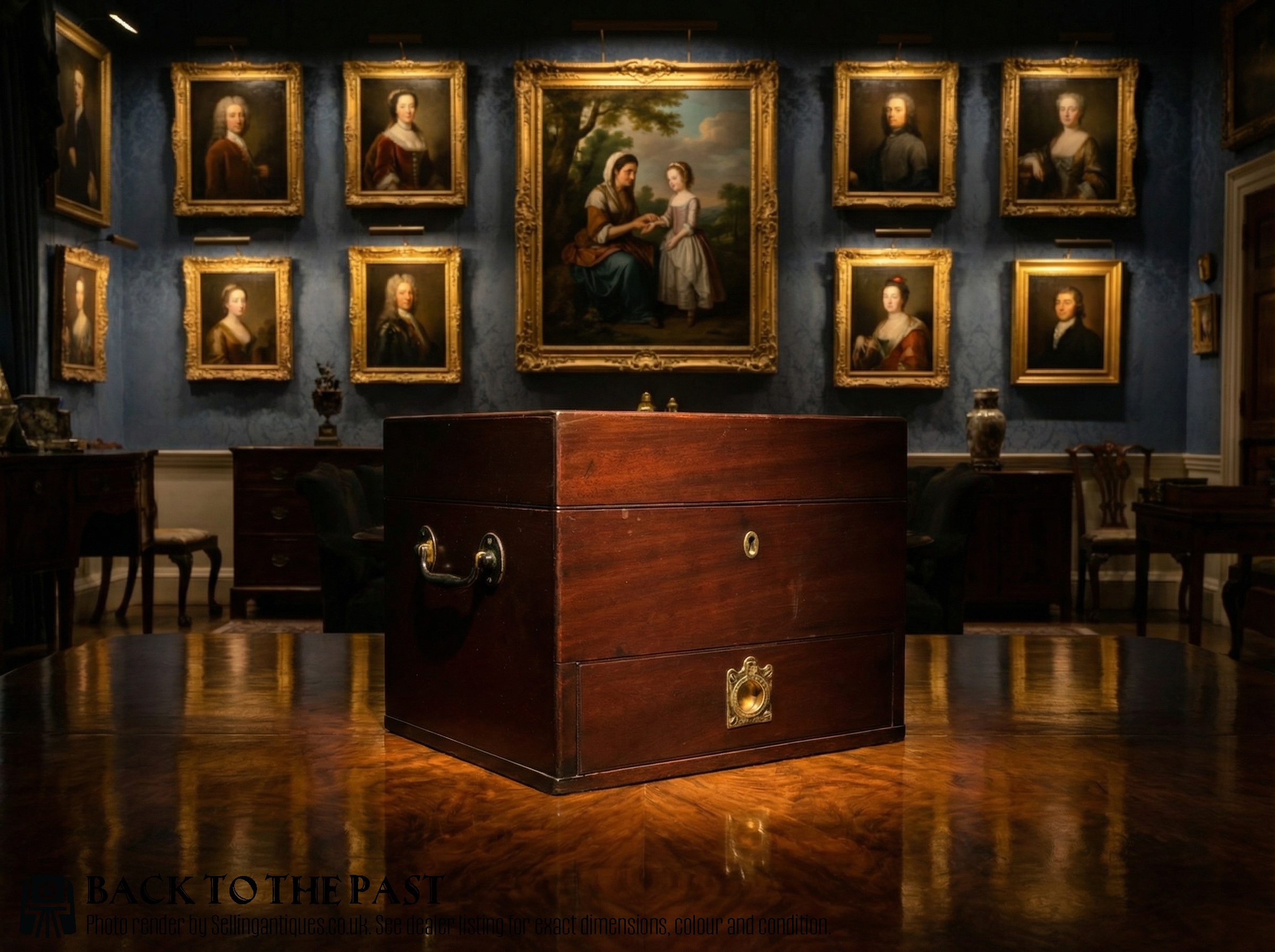
The Georgian Brass Mounted Chest Glossary
- Cellarette
- A lockable container designed for holding bottles of wine or spirits, often lined and fitted with internal compartments.
- Escutcheon
- A protective plate surrounding a keyhole, usually fashioned from brass to match other corner brackets and mounts.
- Padouk
- A heavy, durable tropical hardwood with a reddish hue, frequently utilised in colonial cabinet-making for export pieces.
Georgian Brass Mounted Chest: Frequently Asked Questions
What was a brass mounted chest used for?
These vessels served primarily for secure storage and the transport of valuable possessions, documents, or personal items during travel. Their reinforced construction protected contents against the rigours of carriage by coach or ship.
Over time, many transitioned into static domestic furniture, prized for their compact storage capacity and decorative metalwork within drawing rooms and libraries.
How do I identify a Georgian period piece?
Examination of the timber species, construction joints, and style of brass hardware helps determine the date of manufacture. Eighteenth-century examples typically employ dense native or colonial hardwoods with hand-cut dovetails and heavy cast brass mounts.
Stylistic cues align with the reigns of the Georges, showing proportions and decorative details characteristic of the period without nineteenth-century machine production traits.
Are original brass mounts important?
Original brass hardware significantly enhances the historical integrity and visual harmony of a box or chest. Replacements are common due to the utilitarian nature of these items, so matching patination and screw types matter.
Collectors look for mounts that show consistent wear and ageing appropriate to the timber carcase beneath them.
How should I care for polished wood and brass?
Maintenance involves applying microcrystalline wax to nourish the timber surface and preserve the historic patina without sealing the grain. Avoid liquid polishes that can seep beneath brass mounts and damage the surrounding wood.
Brass hardware requires gentle cleaning with a dry or very slightly damp cloth to prevent tarnish accumulation while retaining the aged metallic lustre.