
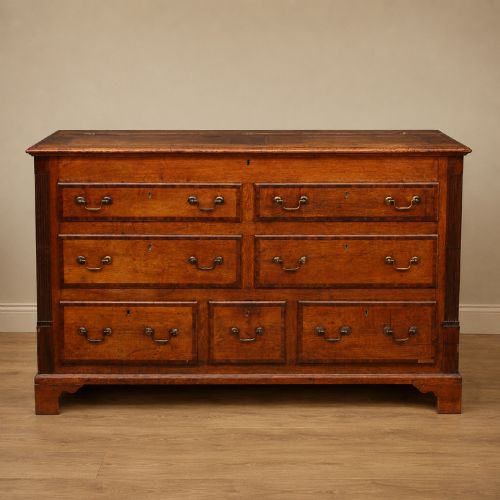


Mahogany Mule Chest
A mahogany mule chest combines the deep storage of a blanket coffer with the lower drawers of a bureau.
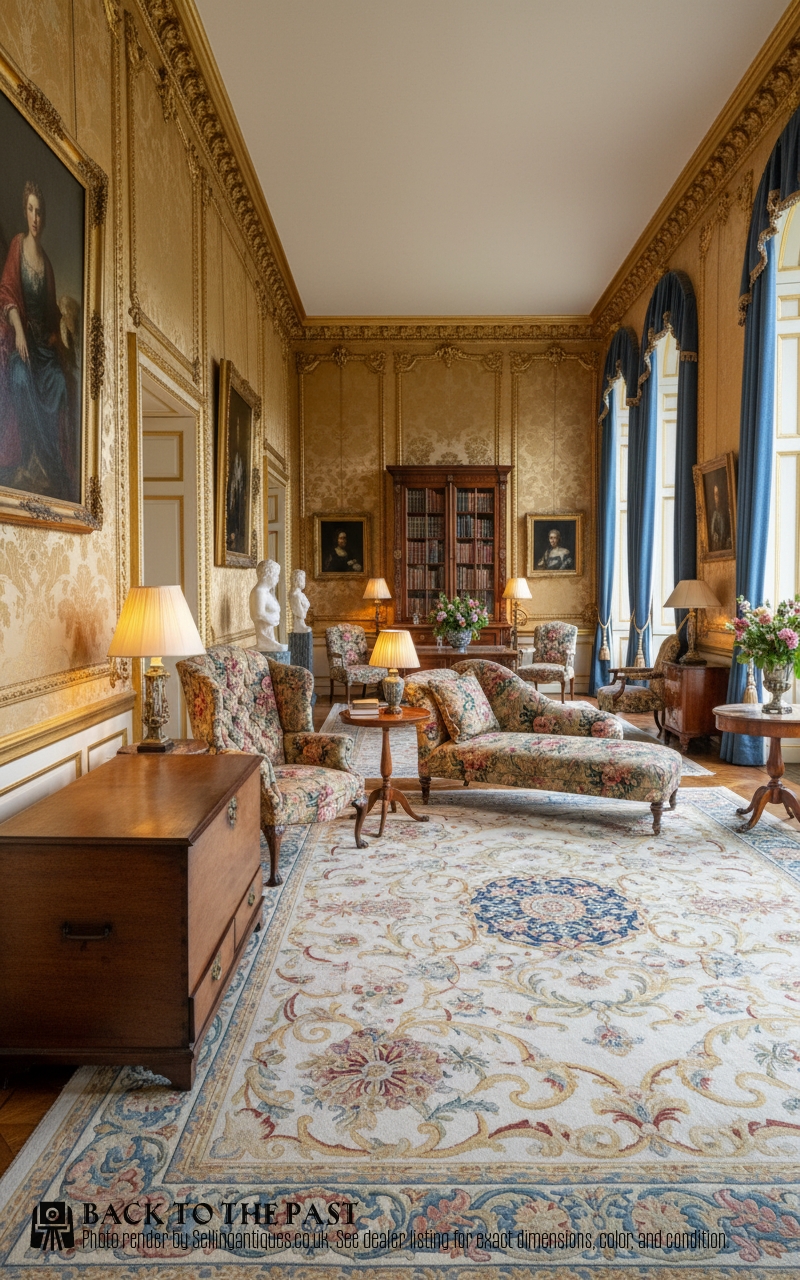
Mahogany Mule Chest
A mahogany mule chest is a substantial storage piece originating in the eighteenth century, most frequently encountered on this page in Georgian and George III iterations. These pieces combine a traditional blanket chest or coffer upper compartment with one or more drawers built into the base, creating a hybrid form designed for household storage.
The evidence shows many examples originating from Lancashire, alongside variations termed housekeepers trunks, silver chests, or hall trunks. Buyers meet these pieces in regional styles that range from plain timber to pieces with crossbanded or inlaid detailing.
The form bridges the gap between simple blanket boxes and full chests of drawers, offering a dual storage system that domestic settings utilised for linen, clothing, and valuables. Most examples span the mid-eighteenth century to the early nineteenth century.
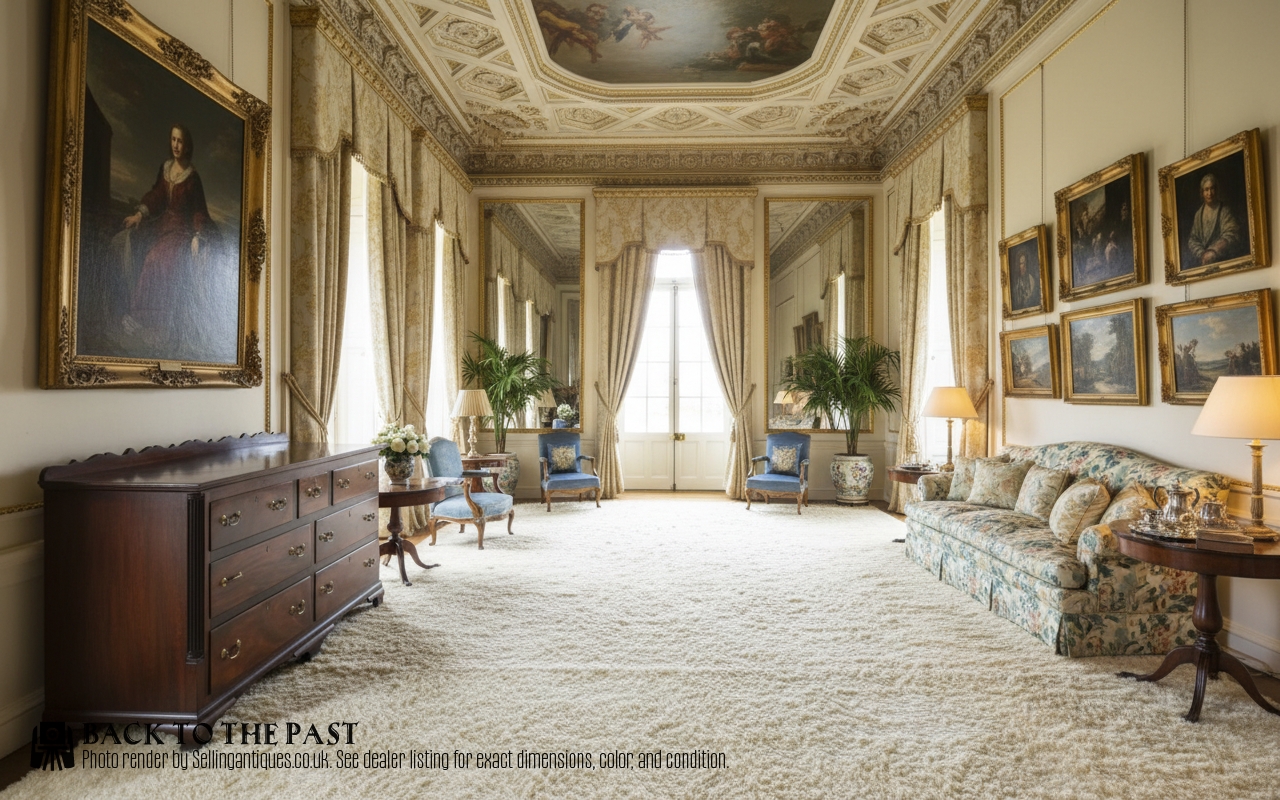
How they were made
Makers built these pieces primarily using solid mahogany, frequently pairing it with secondary structural timbers such as oak for drawer linings and internal framing. This combination provided stability for large carcases while displaying the rich grain of the primary wood on the exterior surfaces.
Many examples incorporate fruitwood inlay or brass handles and escutcheons, adding decorative contrast to the dark timber. Cabinetmakers utilised crossbanding and banded borders to frame the drawer fronts and lid edges, demonstrating skilled joinery.
Construction methods rely on traditional dovetailed drawer joints and pegged framing to support the weight of heavy lids and deep lower compartments. The integration of the lower drawer tier required sturdy internal dividers to bear the load of the chest above.
Mahogany Mule Chest Retail Price Guide 2026
Typical asking prices for mahogany mule chest among the pieces listed under this phrase on Sellingantiques today, from the lower quarter to the upper quarter. They describe what is for sale here now, not the wider market.
Listings demonstrate that oak and mahogany are frequently combined in these chests, with oak providing the structural interior framework and drawer linings.
What varies in quality
Quality in these pieces rests upon the choice of timber and the precision of the secondary woods used in the interior framework. Superior examples display carefully selected mahogany grains and balanced crossbanding rather than plain or mismatched timber.
The handling of the proportions between the upper coffer section and the lower drawer tier dictates the visual harmony of the piece. Better workshop output shows refined brass hardware, crisp inlay work, and tight dovetailing that survives centuries of heavy domestic use.
Integrity of the original surfaces and the survival of secondary woods such as oak without extensive timber replacement separate standard utility pieces from exceptional cabinetwork. The execution of internal compartments and original drawer configurations further defines the tier of the piece.
Francis and William Brodie
The Mahogany Mule Chest Glossary
- Crossbanding
- A narrow strip of veneer applied to the border of a panel or drawer front with the grain running perpendicular to the surrounding surface. This technique creates a neat decorative frame around the primary timber.
- Coffer
- A large wooden chest used historically for storing valuables, textiles, or documents. It forms the upper storage body of the mule chest before the addition of lower drawers.
- Lancashire mule chest
- A regional designation for a large storage chest featuring one or more drawers beneath the main lifting lid. These pieces often incorporate oak structural elements alongside mahogany exterior veneers.
- Escutcheon
- A protective metal plate surrounding a keyhole that prevents the surrounding wood from splintering or wearing down with frequent use. They are commonly cast in brass on Georgian storage furniture.
- Housekeeper trunk
- A traditional term for a large domestic storage chest used to house household linens and supplies. These pieces often match the dimensions and internal layout of standard mule chests.
Mahogany Mule Chest: Frequently Asked Questions
What is a mule chest?
A mule chest is a traditional storage box featuring a hinged lid at the top and one or more drawers built into the base below. This hybrid design evolved to provide easier access to stored clothing without requiring items to be lifted out from the top.
Most examples seen here date from the Georgian period and combine deep upper compartment space with functional drawer storage underneath.
How do I date a mahogany mule chest?
Dating relies on examining the secondary timbers, construction methods, and hardware styles used throughout the piece. Eighteenth-century examples often feature hand-cut dovetails, oak secondary woods, and brass batwing handles.
Later nineteenth-century iterations shift toward different veneer thicknesses and machine-sawn elements while retaining the classic coffer-and-drawer silhouette.
Where were these pieces used?
These chests served primarily in bedrooms, hallways, and estate utility rooms as versatile storage units for household linens, blankets, and garments. Their robust construction made them suitable for daily domestic service in substantial Georgian homes.
Some variants were specifically designated as silver chests or hall trunks for securing household valuables.
How do I care for mahogany furniture?
Maintain the timber by keeping the piece away from direct sunlight and sudden temperature shifts that can dry out old wood and cause splitting. Regular dusting with a dry, soft cloth preserves the polish without building up excess residue.
Avoid placing damp items directly onto the surfaces and apply gentle beeswax sparingly when the wood appears dry.