



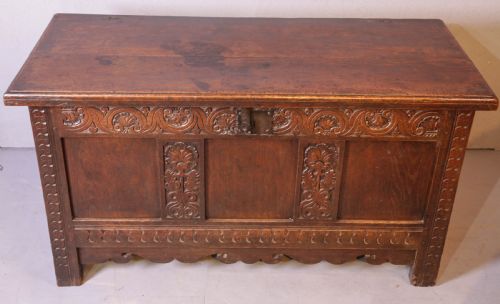


Antique Wooden Dower Chest
These antique wooden dower chest examples offer robust storage and centuries of craftsmanship for the discerning interior.

Identifying Your Antique Wooden Dower Chest
An antique wooden dower chest serves as a traditional storage trunk, historically utilised for household linen and personal belongings. These pieces reflect enduring domestic utility across multiple centuries.
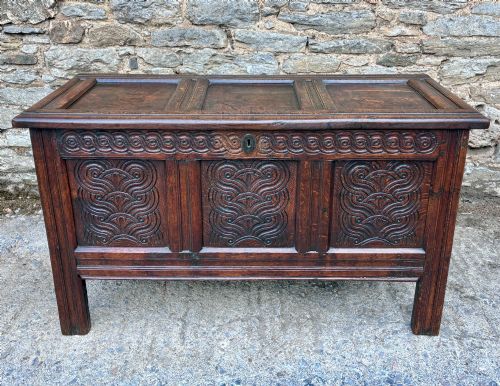
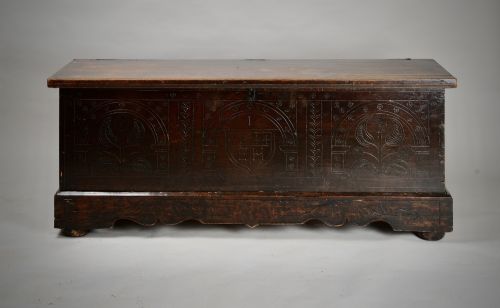
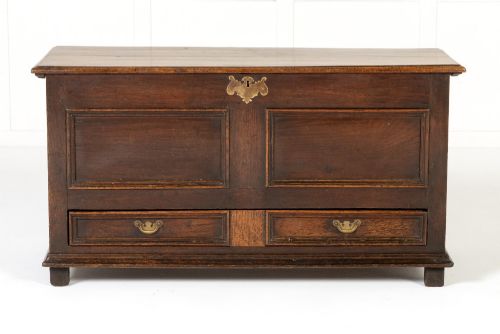
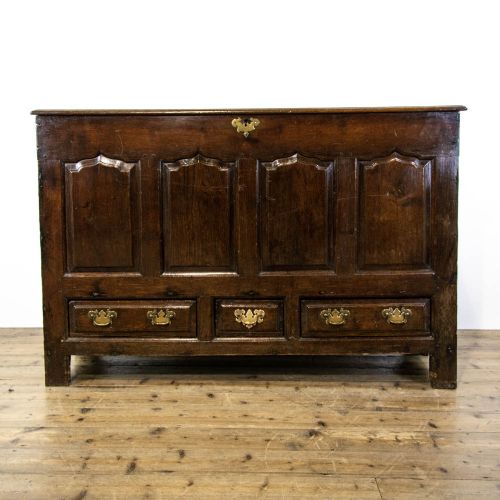
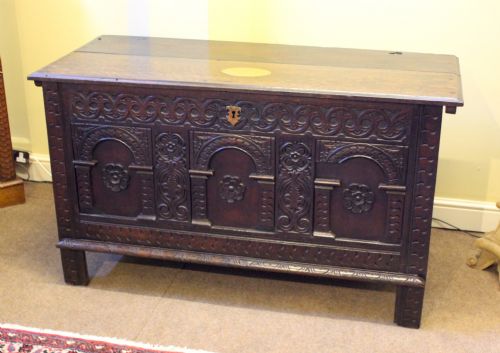
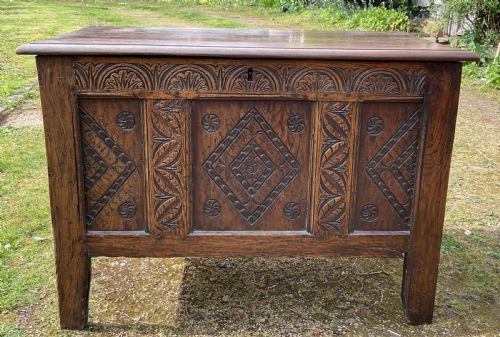
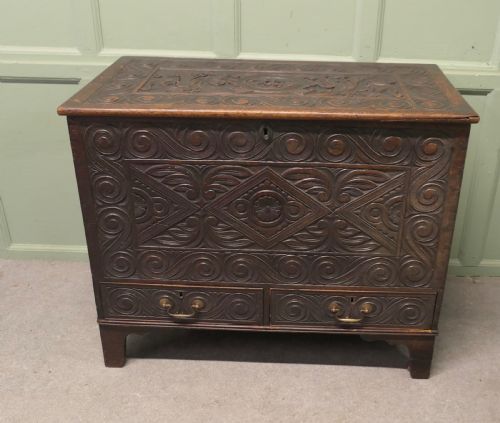
The pieces on this page appear primarily from the seventeenth and eighteenth centuries, encompassing the Jacobean, William III, and George III eras. Oak dominates the selection, frequently taking the form of panelled coffers and mule chests with integrated lower drawers.
Construction and Materials
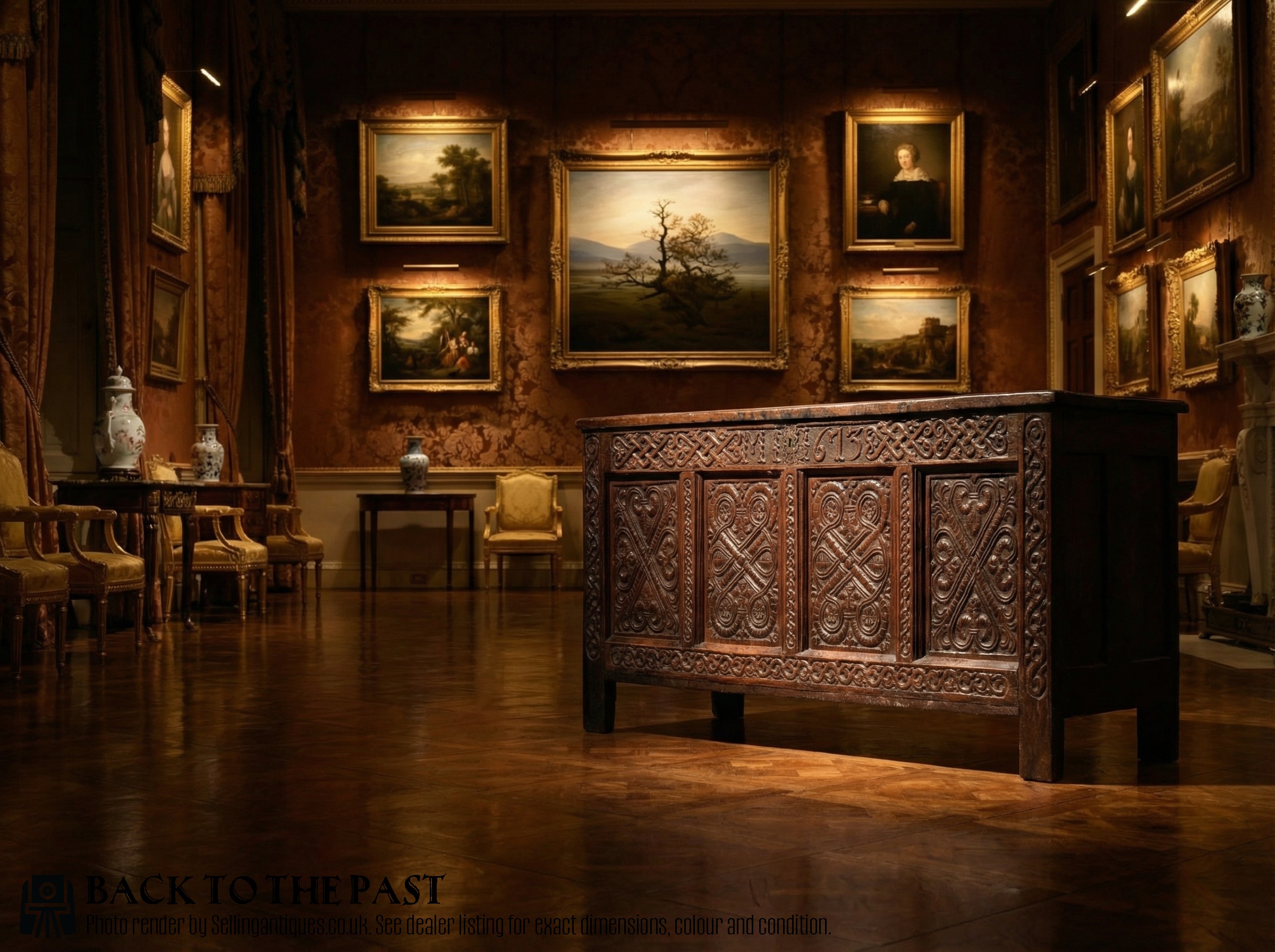
Joinery methods define the construction of these pieces, employing solid oak panels fitted within sturdy frames. Selected examples incorporate burr elm panels and fruitwood inlay to create visual contrast on the primary surfaces.
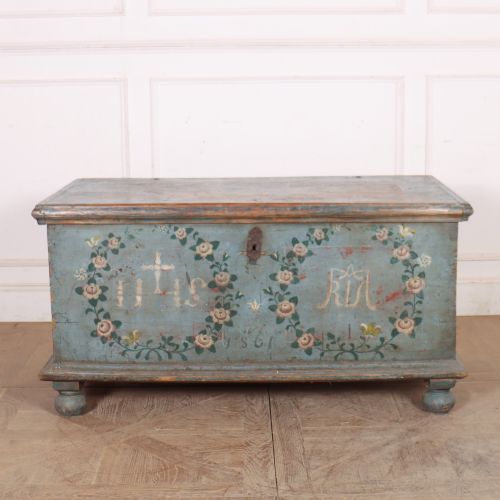
Hardware elements such as iron hinges and brass fittings provide structural reinforcement and functional longevity. Carved ornamentation appears across specific surfaces, showing hand-worked detailing from the period.
Retail Price Guide 2026
Typical UK retail prices for wooden dower chest, calculated from the Sellingantiques database of over a million retail prices indexed since 2003. This retail price guide relies exclusively on Sellingantiques data; no external sources or auction records are used, so the figures do not describe the wider market.
The listings on this site span the seventeenth and eighteenth centuries, featuring oak, mahogany, burr elm, and fruitwood inlay.
Judging Quality and Distinction
Quality rests in the integrity of the timber selection and the complexity of the period joinery. Pieces featuring burr elm panels or fruitwood inlay demonstrate a higher tier of decorative ambition than plain surfaces.
Proportion and scale distinguish the finer examples, particularly where mule chests integrate lower drawers seamlessly into the overarching framework. The depth of hand-carved detailing further separates standard utility trunks from superior regional pieces.
The Antique Wooden Dower Chest Glossary
- Mule chest
- A storage trunk featuring one or more drawers beneath the main lift-up compartment. This hybrid form emerged to provide more accessible storage than a traditional coffer.
- Coffer
- A heavy wooden box with a hinged lid, traditionally used for valuables and documents. These pieces form the structural ancestor of the modern chest of drawers.
- Joined oak
- Furniture constructed using mortise and tenon joints secured with wooden pegs rather than metal nails. This technique ensures robust structural stability over centuries.
- Jacobean
- The style of English design spanning the early to mid seventeenth century, characterised by heavy proportions and geometric panel carving. Pieces from this era display dark patination.
- Fruitwood inlay
- Decorative woodwork utilising lighter contrasting fruit timbers set into a primary oak or mahogany ground. This technique creates geometric or floral patterns across the panels.
Frequently Asked Questions
What is a mule chest?
A mule chest combines the deep lift-up storage of a traditional coffer with one or more lower drawers. This design bridges the gap between early trunk storage and modern drawer chests.
Craftsmen added drawers to the bottom of standard coffers during the seventeenth and eighteenth centuries to allow access to belongings without lifting the entire lid.
How old is an oak coffer?
Oak coffers date across multiple centuries, with many surviving examples originating in the seventeenth and eighteenth centuries. Regional pieces often bear dates or initials carved directly into the woodwork.
Joinery techniques, hardware types, and panel styles help determine the precise period of manufacture for each individual trunk.
Where were dower chests used?
Families placed these chests in bedchambers and main living areas to store precious textiles, linen, and personal possessions. They served as central pieces of household furniture.
Their robust construction allowed them to double as seating benches within the home before dedicated chairs became common.
How do I care for antique oak?
Maintain antique oak by keeping it away from direct heat sources and sudden humidity changes to prevent the timber from splitting. Regular dusting with a dry cloth preserves the finish.
Applying traditional wax polish occasionally helps nourish the surface and maintains the natural patina developed over hundreds of years.