

Traditional Oak Trunk
A traditional oak trunk brings centuries of robust storage and honest grain into a modern home.
Traditional Oak Trunk
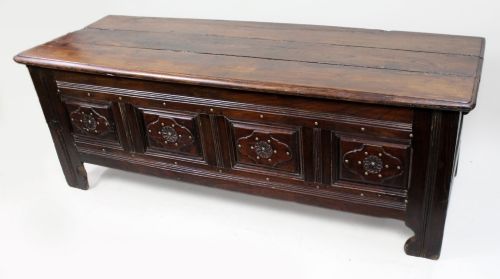
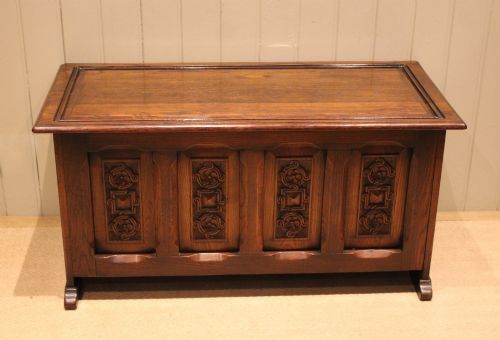
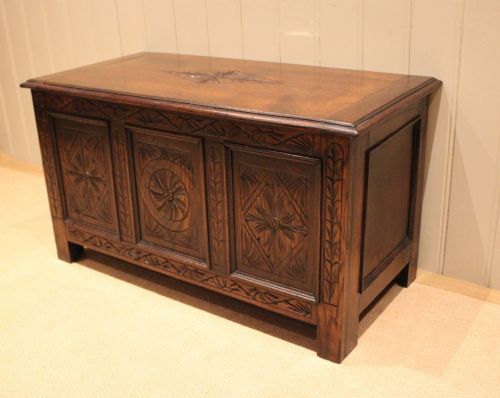
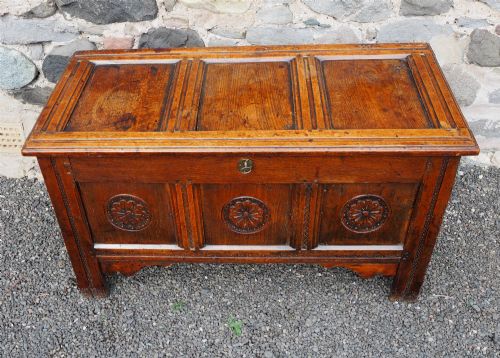
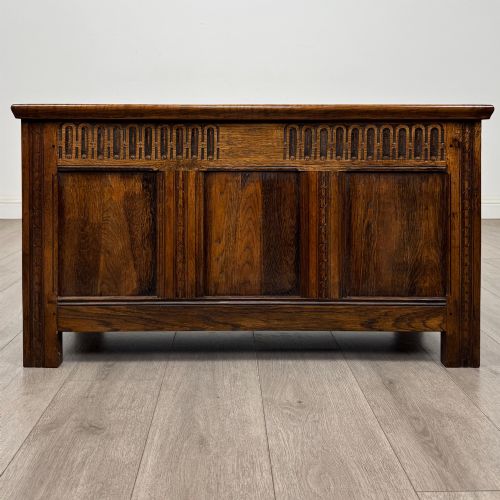
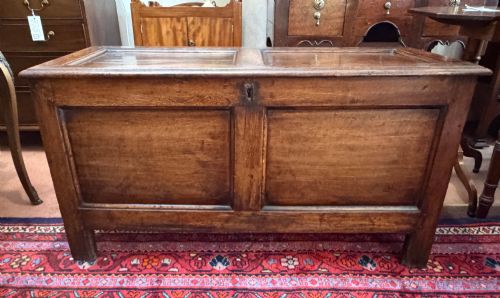
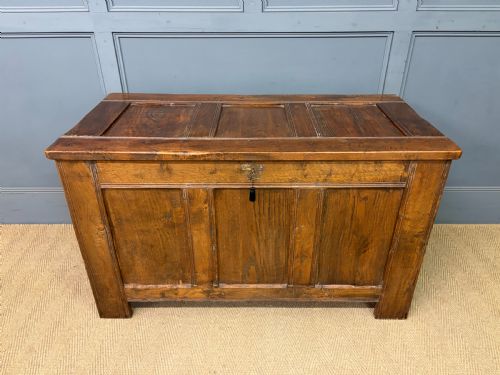
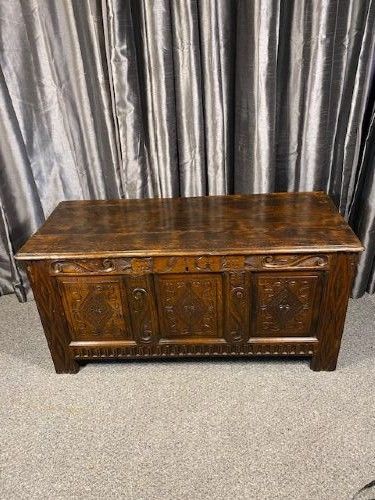
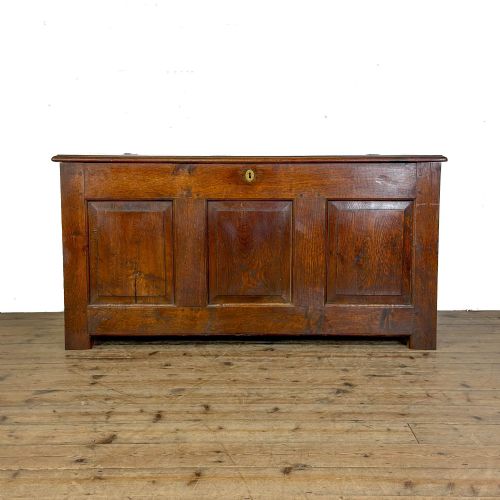
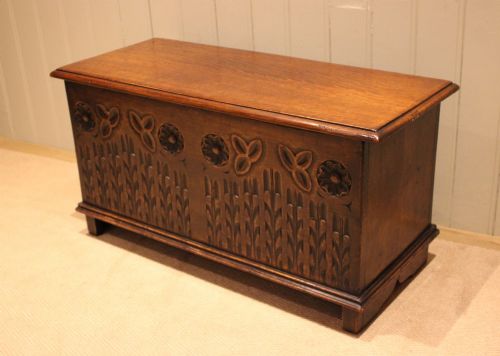
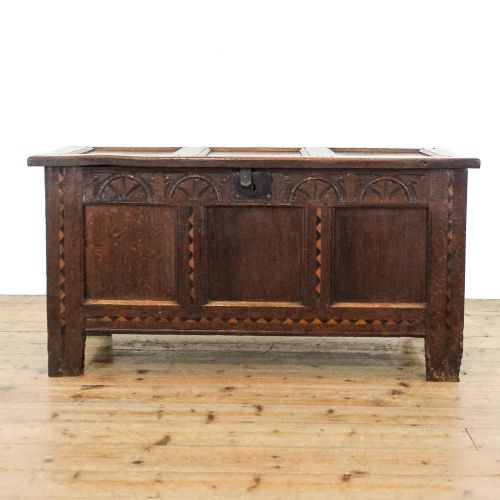
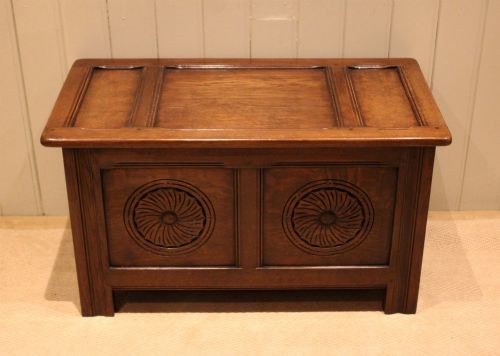
When you search for a traditional oak trunk, you encounter heavy storage pieces built primarily as coffers, blanket chests, and mule chests. These items span from the seventeenth century through to the Edwardian era, showing shifts in domestic storage needs over hundreds of years.
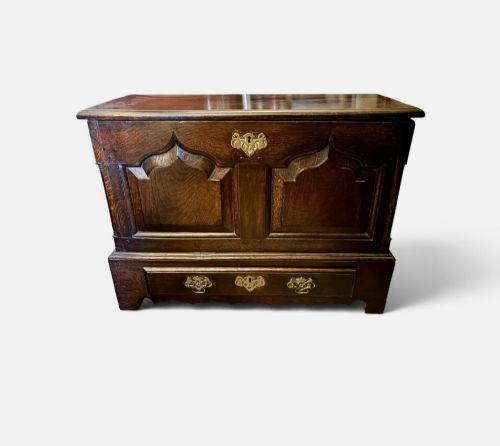
The versions most common on this page are seventeenth and eighteenth-century coffers alongside later revival pieces. Many examples display regional characteristics such as Welsh or French provincial styling, or integrated drawer sections beneath the main compartment.
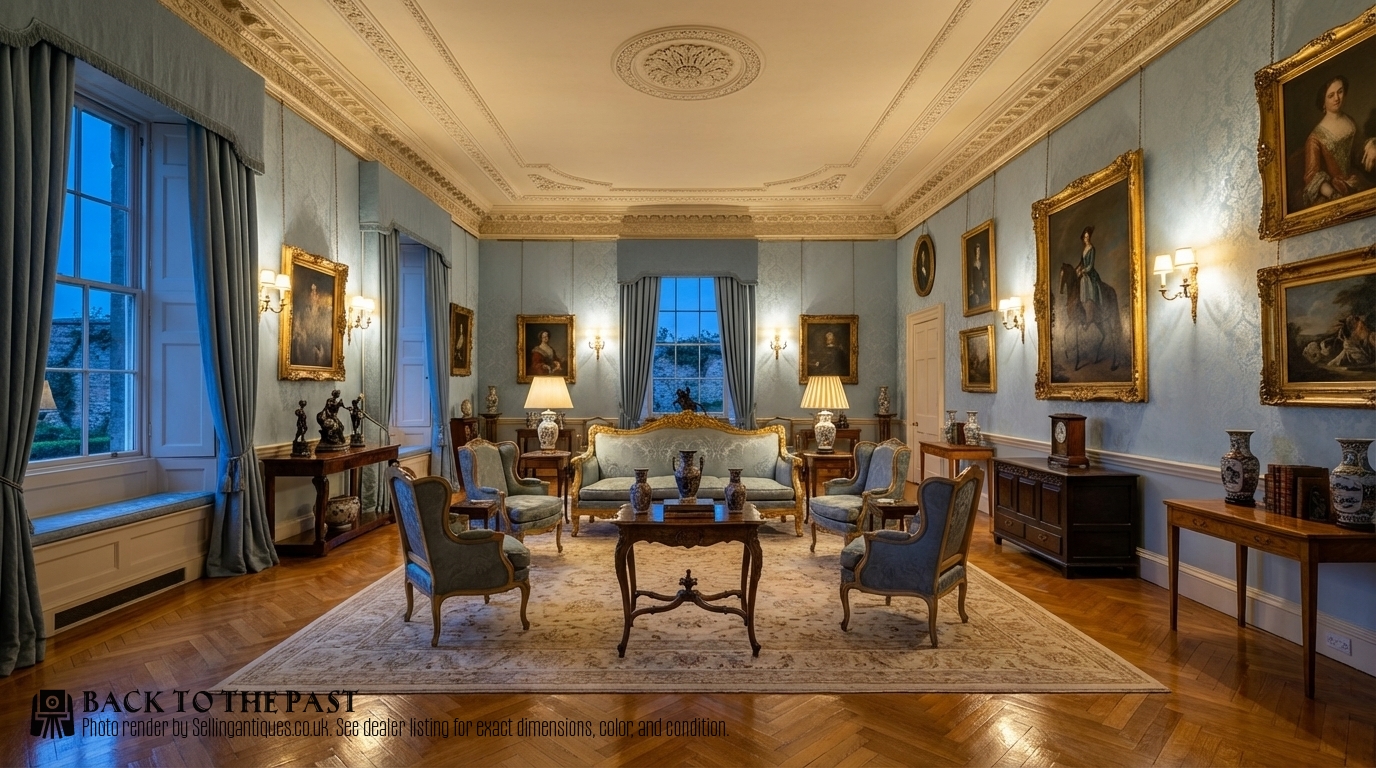
Makers utilised sturdy timbers to construct these chests for heavy household goods, linens, and personal valuables. Today, they serve equally well as coffee tables, hallway benches, or deep blanket storage at the foot of a bed.
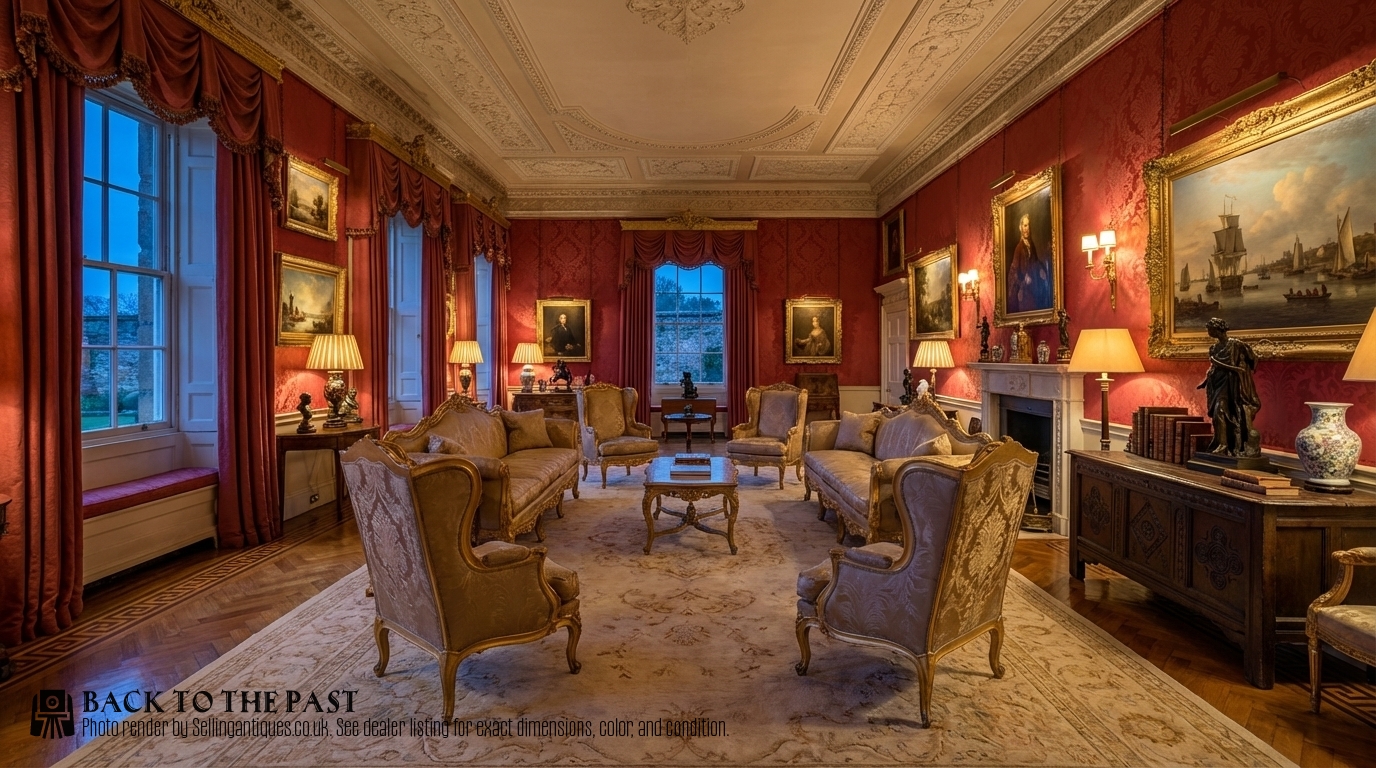
Materials and construction methods
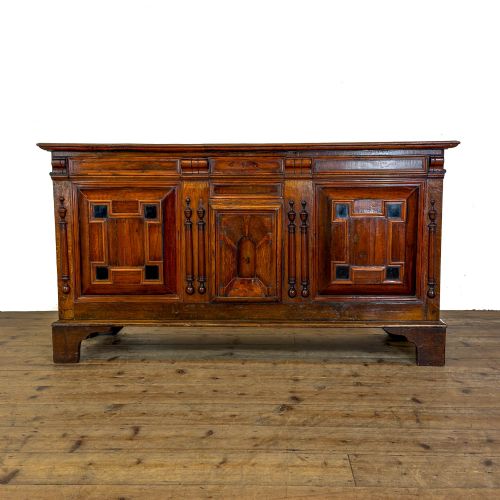
Carpenters built these pieces using solid oak, sometimes combining panels of burr elm or incorporating pine secondary woods. Iron and brass hardware, including hinges and lock plates, secured the heavy lids and reinforced the structural corners.
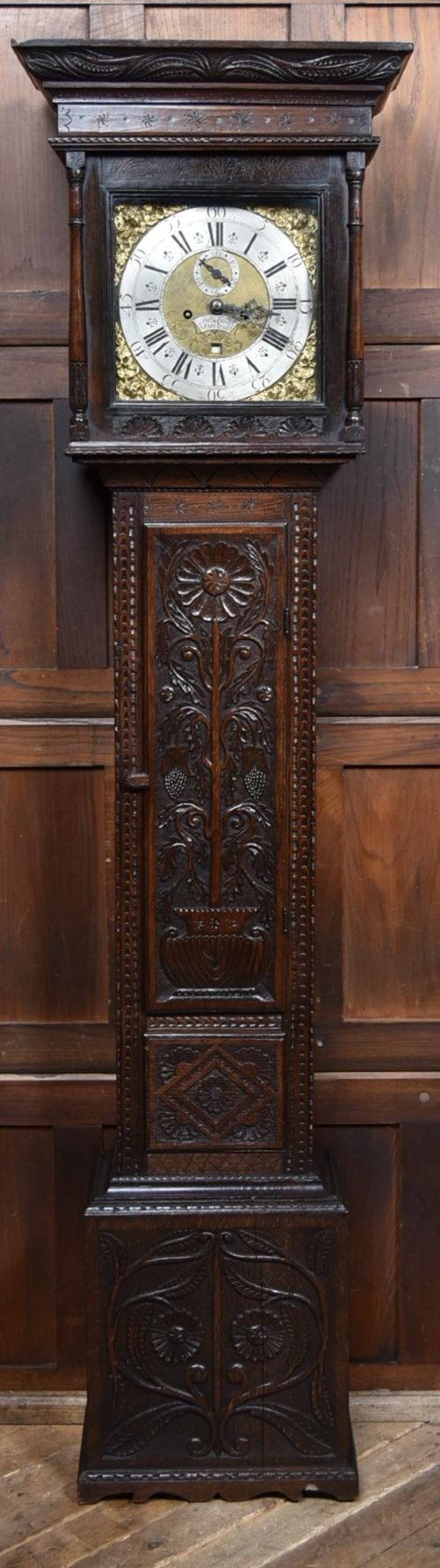
Joinery methods relied on traditional frame and panel construction to allow the timber to expand and contract naturally with seasonal humidity changes. Surfaces frequently show carved detailing, ebonised accents, or inlaid patterns worked directly into the dense wood.
Traditional Oak Trunk Retail Price Guide 2026
Typical asking prices for traditional oak trunk among the pieces listed under this phrase on Sellingantiques today, from the lower quarter to the upper quarter. They describe what is for sale here now, not the wider market.
Materials documented across the inventory include solid oak, burr elm panels, iron strapwork, brass fittings, and occasional ebonised wood details.
Assessing quality and craftsmanship
The division between average and exceptional pieces rests on the depth and crispness of the hand-carved detail and the integrity of the original joints. Pieces retaining their earliest ironwork and unblemished board lids command greater interest from purists.
Proportion and surface patination dictate visual success, where honest, deep-waxed timber surfaces outweigh heavily restored or stripped finishes. Original board thickness and minimal replacement timber preserve the historical weight of the object.
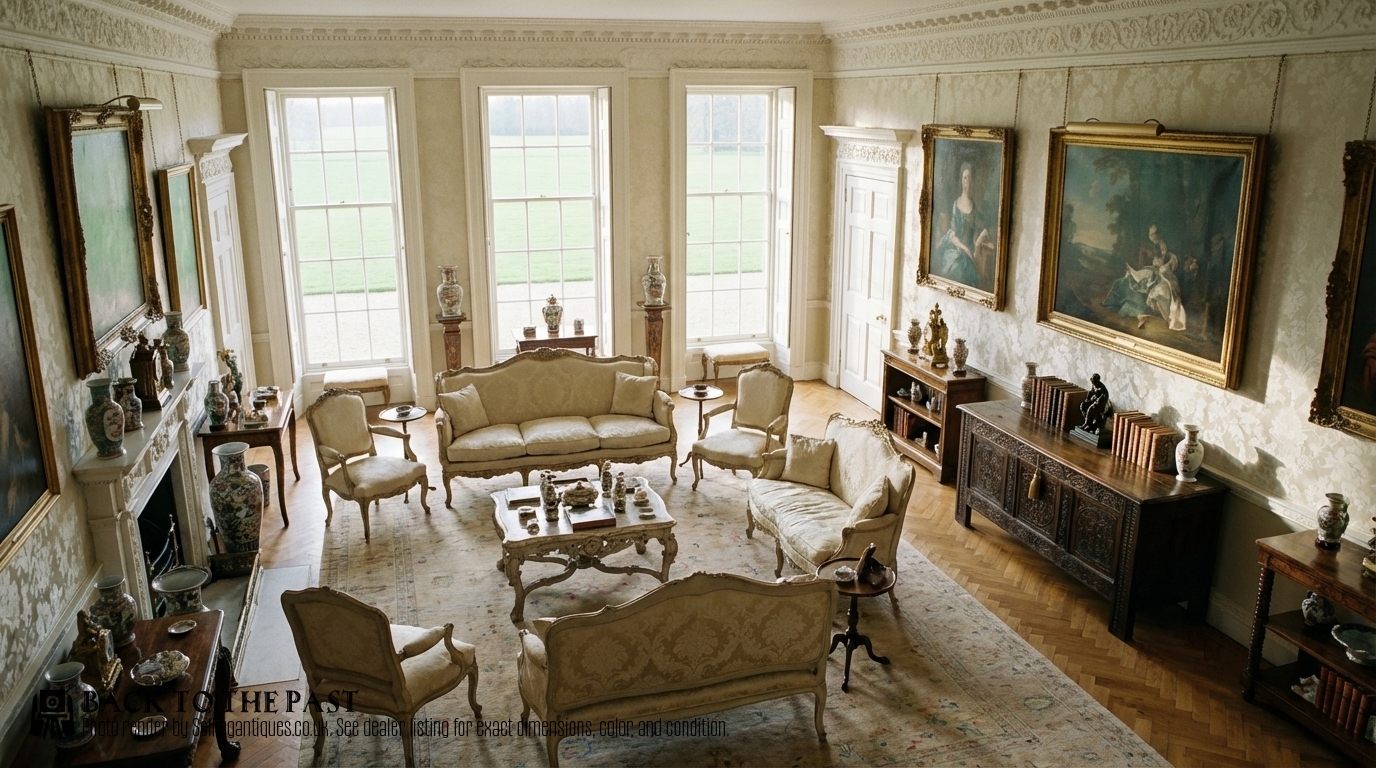
The Traditional Oak Trunk Glossary
- Coffer
- A large wooden chest traditionally used for storing valuables, documents, or clothes. These pieces often feature hinged lids and sturdy boarded or panelled construction.
- Mule chest
- A traditional storage chest featuring one or more drawers built into the base beneath the main compartment. This form developed during the seventeenth and eighteenth centuries to provide easier access to smaller items.
- Frame and panel
- A method of wooden construction where a central floating panel sits within a grooved outer frame. This technique prevents the wood from splitting as it moves with temperature changes.
- Patina
- The surface sheen and deep colour developed by timber over centuries of handling, polishing, and exposure to light. A rich patina indicates age and continuous use.
- Carving
- The art of cutting decorative patterns, figures, or motifs directly into the surface of the wood. Seventeenth-century examples frequently display geometric strapwork or stylised floral designs.
Traditional Oak Trunk: Frequently Asked Questions
What is a traditional oak trunk used for?
These pieces served historically for storing household linens, woollens, and precious documents safely away from pests and damp. In modern spaces, they provide deep, hidden storage while functioning as seating or display surfaces.
Their robust construction allows them to endure daily domestic use as coffee tables or blanket boxes. Placing one in a hallway or bedroom offers practical capacity without compromising on period character.
How do I date an old oak chest?
Dating relies on observing construction methods, tool marks, and stylistic decorative motifs present on the panels and frame. Seventeenth-century pieces typically show pegged mortise and tenon joints with hand-split boards, while later revival pieces often display more uniform machine sawing.
Hardware styles, such as butterfly hinges or iron lock plates, also provide reliable clues to the manufacturing period. Examining the underside and interior reveals how the panels were shaped and fitted by the original carpenter.
Are these trunks made of solid wood?
The pieces recorded here utilise solid oak planks and structural timbers rather than modern veneers or manufactured boards. Secondary internal elements may occasionally consist of softer timbers like pine, but the primary exterior structure remains solid.
This heavy timber construction accounts for their remarkable longevity and resistance to structural wear over the centuries. Solid oak also allows surfaces to be refinished or polished repeatedly without losing integrity.
How do I care for antique oak furniture?
Preserving the timber requires keeping the chest away from direct heat sources and rapid humidity shifts that cause wood to crack. Feeding the grain occasionally with a quality beeswax maintains the deep lustre and protects the surface.
Avoid using modern silicone sprays or harsh chemical cleaners which can strip the historical patina. Gentle dusting with a dry cloth keeps the carved details clear and prevents abrasive dirt build-up.