
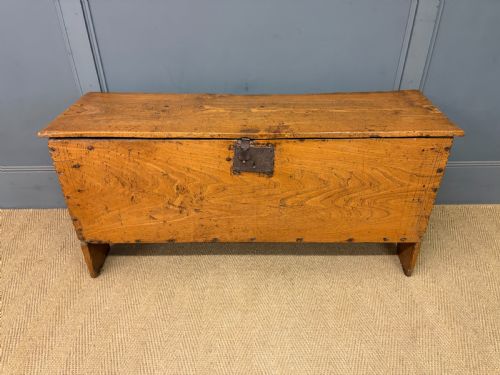
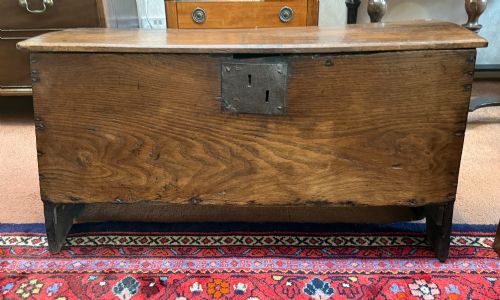
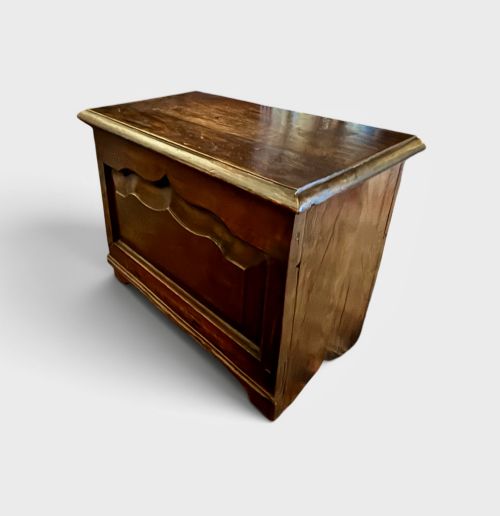
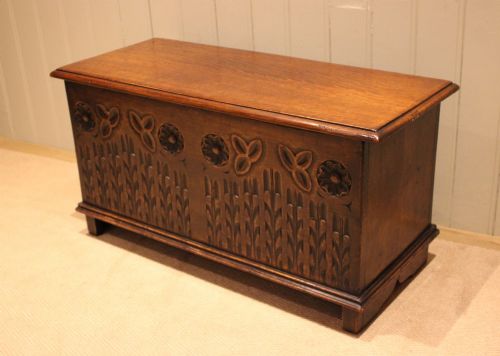
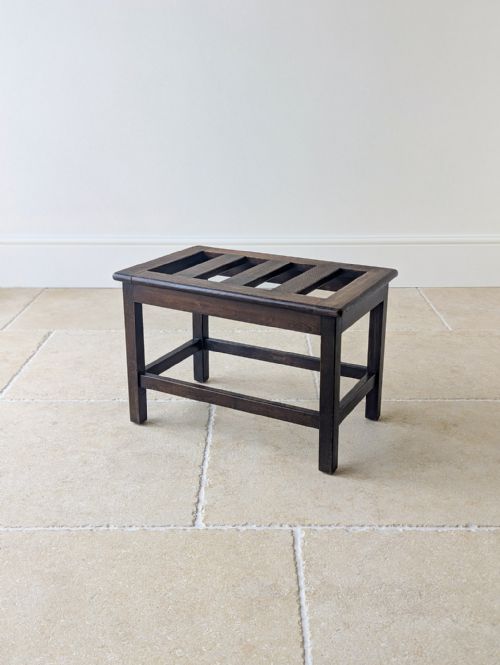
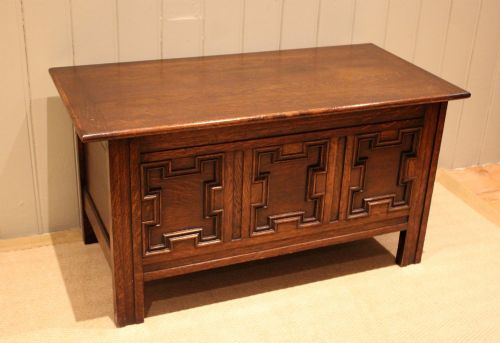
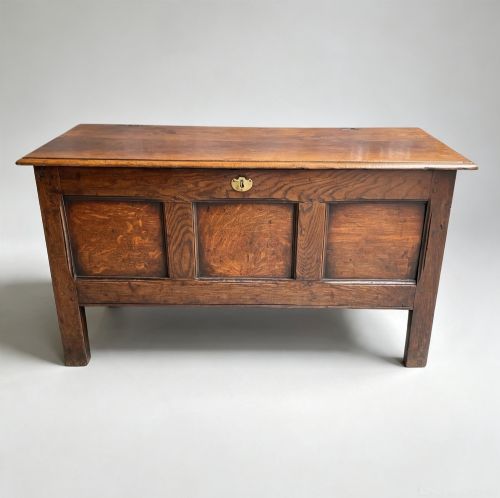
Vintage Oak Trunk
These vintage oak trunk examples offer sturdy storage and rich timber grain, bringing centuries of practical British craftsmanship directly into modern interiors.

Defining vintage oak trunk pieces
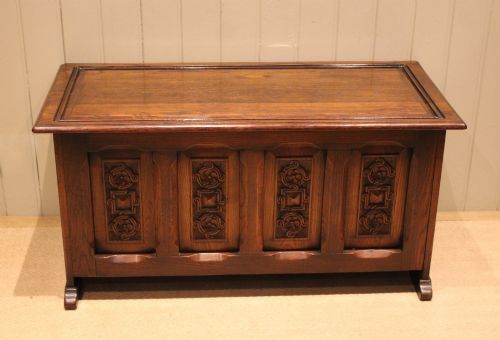
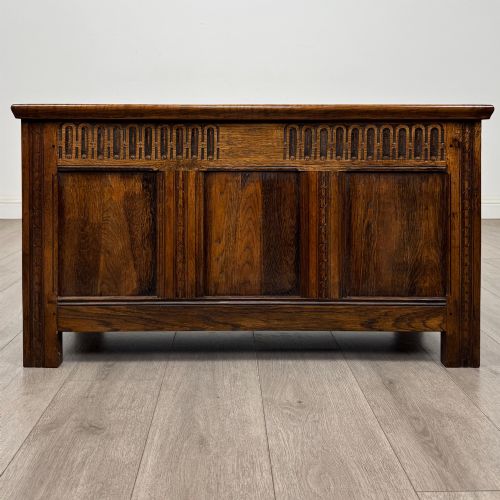
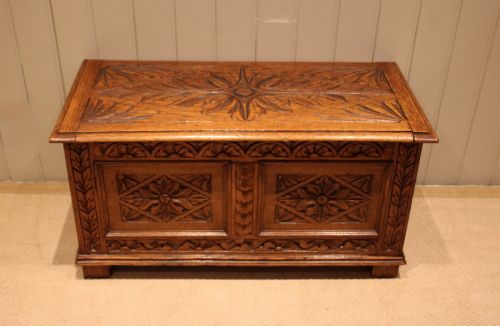
A vintage oak trunk provides robust domestic storage through centuries-old forms such as blanket chests, coffers, and mule chests. These items range from seventeenth-century coffers to Edwardian blanket chests, reflecting enduring utility across multiple historical eras.
Buyers frequently encounter Continental oak blanket chests alongside traditional English regional pieces. The inventory on this page spans seventeenth-century examples up to nineteen-ten Edwardian interpretations.
Form functions vary from simple boarded storage boxes to sophisticated mule chests featuring lower drawers. Each piece demonstrates the heavy timber construction standard to country oak and Georgian cabinet making.
Construction and materials
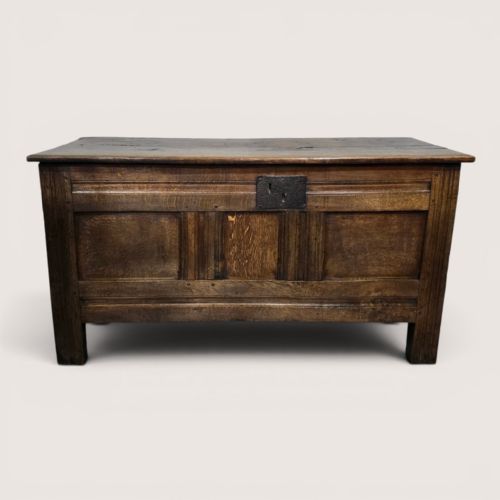
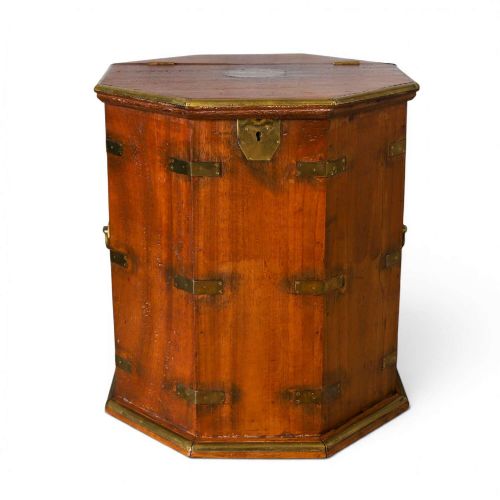
Construction relies heavily on solid oak timbers, often featuring framed and panelled body styles joined with traditional pegged tenons. Blacksmith-forged iron hinges, latches, and occasional brass fittings reinforce the heavy wooden structures.
Surfaces display the natural grain of oak, shaped by hand woodworking techniques rather than modern industrial machinery. Structural elements frequently incorporate boarded lids and dovetailed drawer construction on mule chest variations.
Retail Price Guide 2026
Typical UK retail prices for vintage oak trunk, calculated from the Sellingantiques database of over a million retail prices indexed since 2003. This retail price guide relies exclusively on Sellingantiques data; no external sources or auction records are used, so the figures do not describe the wider market.
Listings span seventeenth-century origins through to nineteen-ten Edwardian pieces, utilising solid oak, iron, and brass.
Assessing quality and character
Quality separates primitive boarded boxes from sophisticated seventeenth-century panelled coffers and Georgian mule chests. Superior pieces display thoughtful proportions, well-figured oak grain, and intact period hardware like iron strap hinges.
The integrity of the timber framing and the original patination of the wood dictate the standing of each piece. Altered lids, replaced base boards, and excessive timber drying reduce the desirability of an antique trunk.
The Vintage Oak Trunk Glossary
- Mule chest
- A storage chest featuring one or more drawers built into the base beneath the main compartment. This form emerged during the Georgian period.
- Coffer
- A heavy wooden box traditionally used for storing valuables or documents. These pieces often predate specialised wardrobe furniture.
- Panelled oak
- Timber construction method utilising framed vertical and horizontal members surrounding floating central panels. This technique accommodates wood expansion and contraction.
- Edwardian
- Pertaining to the period from nineteen hundred to nineteen ten. Pieces from this era often lighter in scale than earlier centuries.
Frequently Asked Questions
What is a vintage oak trunk used for?
These pieces serve primarily as functional storage furniture for blankets, linens, and household items.
Their sturdy boarded or panelled construction also allows them to function visually as coffee tables or decorative focal points in living spaces.
How do I date an oak trunk?
Dating relies on examining construction methods, such as hand-cut dovetails, pegged joints, and panel styles. Seventeenth-century examples typically show heavier framing and simple boarded forms compared to later Georgian or Edwardian variations.
Hardware styles like forged iron strap hinges or brasses also provide reliable chronological markers for the period of manufacture.
Are these trunks made of solid oak?
The inventory consists of solid oak constructions utilising thick timber boards and structural framing. Secondary softwoods appear occasionally in internal floor boards or drawer linings on later pieces.
Surface patination develops naturally over centuries on genuine solid timber pieces.
How do I care for antique oak?
Maintenance requires keeping timber away from direct heat sources and sudden temperature fluctuations to prevent wood splitting. Natural beeswax polish helps preserve the finish and nourishes dry historical grain.
Avoid synthetic cleaning sprays that can damage the aged surface patination.